





 Portuguese
  English
  Spanish
  4 min of reading
  0 comments


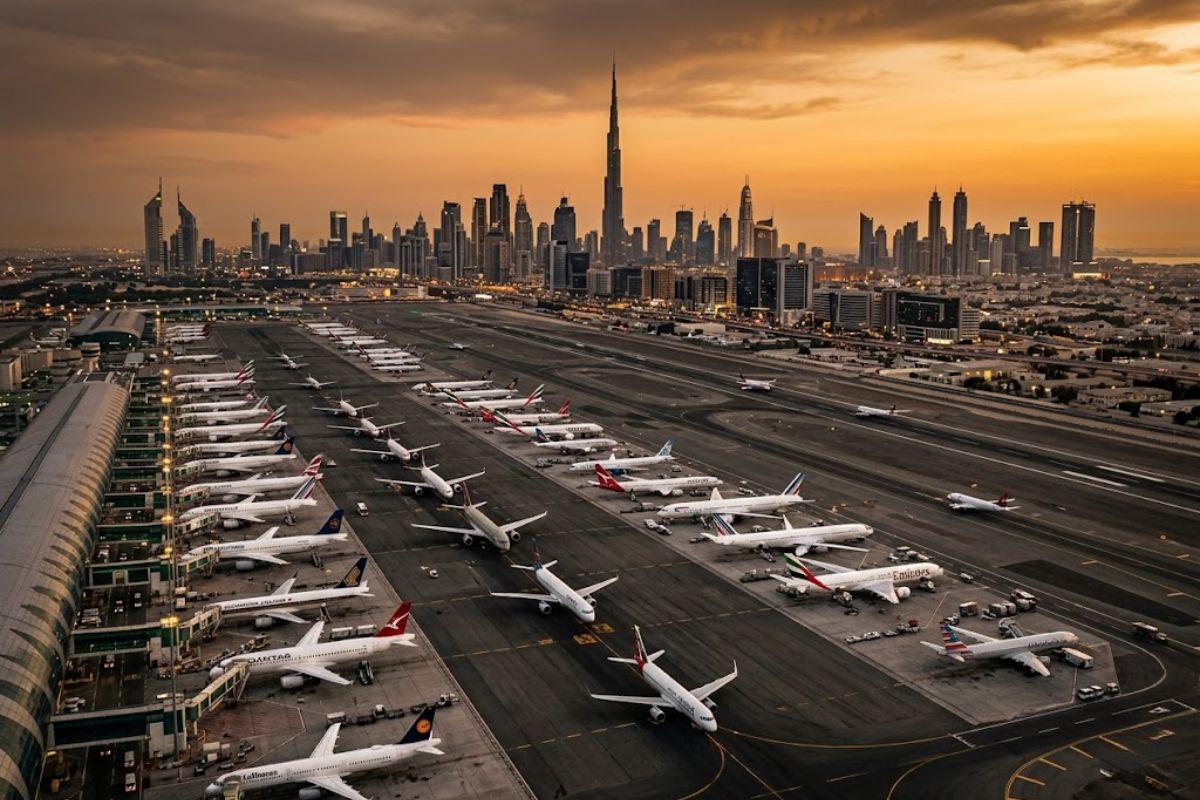
Dubai Appears At The Center Of A Geopolitical Crisis That Is Already Beginning To Affect International Air Routes, Operations Of Large Companies, And Strategic Decisions In The Middle East, Creating Concerns About Logistical Costs, Regional Stability, And Possible Economic Impacts That Could Surpass The Borders Of The Region
Dubai Has Returned To The Center Of International Geopolitical Discussions After Rising Tensions In The Middle East Begin To Directly Impact Air Routes, Company Operations, And Strategic Decisions Involving Countries Allied With The United States.
Although The Crisis Appears To Be Localized, Dubai Has Become A Sensitive Point Within A Highly Connected Global Logistics System, Where Airports, Airlines, And Air Corridors Function As Fundamental Gears Of International Trade And Mobility.
Dubai And The Strategic Role In Global Transportation
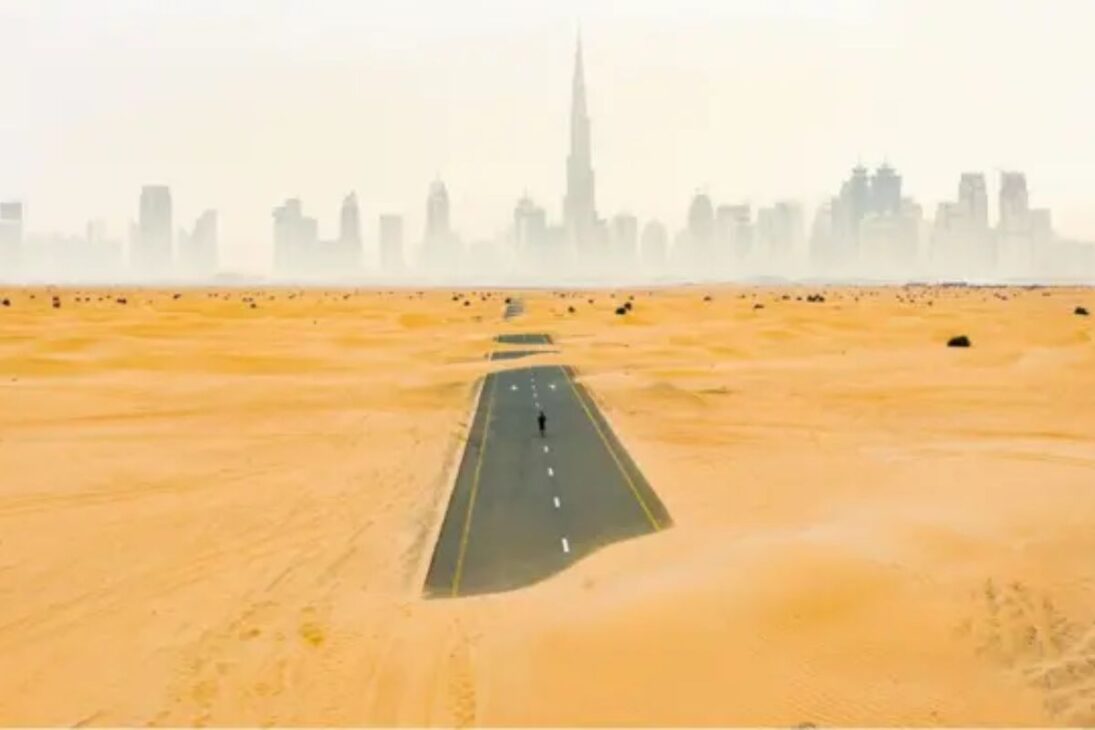
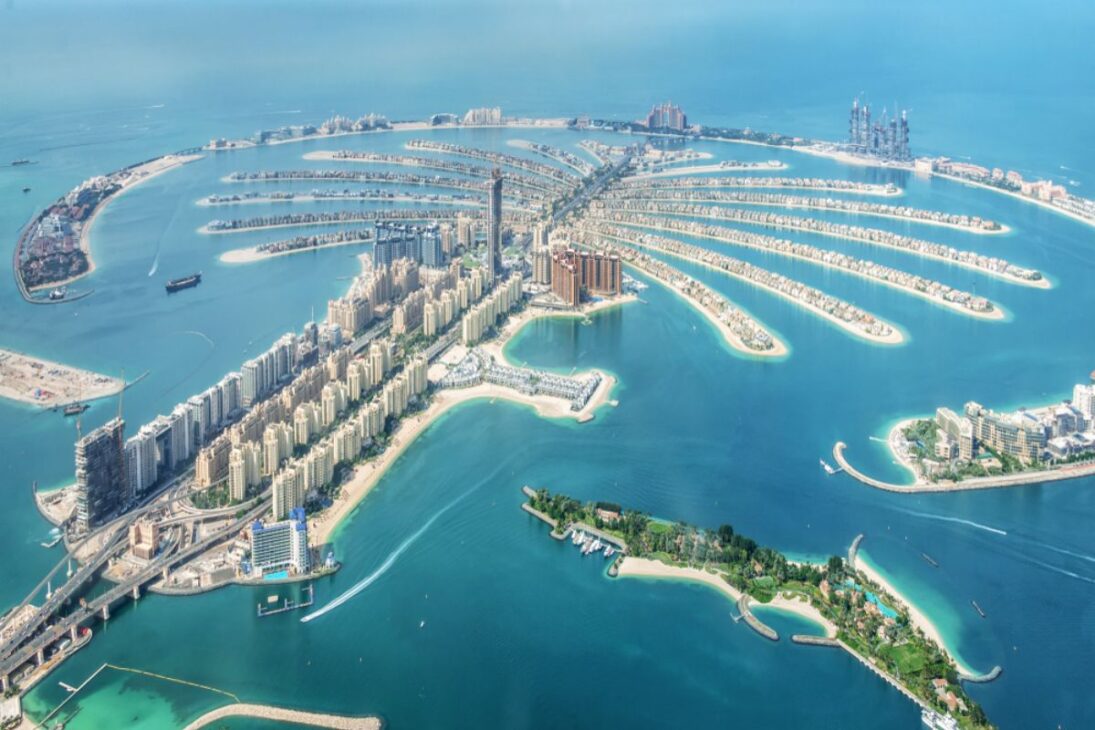
Dubai Occupies A Strategic Position In The Global Aviation System. Located Between Europe, Asia, And Africa, The City Has Transformed Over The Last Few Decades Into One Of The World’s Major Connection Hubs.
-
Bauer Group collapses after failed judicial recovery: 25 years, 800 vehicles, and a network of gas stations leave a debt of R$ 50 million and 100 layoffs, exposing costs, tight margins, and expensive credit in Brazil.
-
Premium Brazilian brand born during the pandemic brings fine cocoa from Bahia to Switzerland, Germany, and France, has won 9 awards, and claims to have the 2nd best milk chocolate in the world: meet Luz Cacau.

-
Júnior Friboi has just purchased one of the largest feedlots in all of Brazil, located in Goiás, with the capacity to produce 180,000 cattle per year, and the manager has already come forward to reassure employees about layoffs.

-
Pharmacy inside the supermarket: what changes now in your purchase, why medicines won’t go on the shelves, which rules remain strict, mandatory pharmacist, separate space, controlled storage, more convenience and competition in the country.


Millions Of Passengers Transit Annually Through The City’s International Airport, Considered One Of The Busiest In The World.
This Geographical Position Has Allowed Dubai To Establish Itself As An Air Bridge Between Continents, Concentrating Long-Distance Flights That Connect Financial Centers, Tourist Destinations, And International Logistics Chains.
When Air Routes In This Region Suffer Interruptions Or Restrictions, The Impact Spreads Quickly To Various Airlines And Airports Around The World.
Airlines And The Rise In Operational Costs
The Regional Crisis Has Begun To Directly Affect Air Operations That Pass Through The Middle East.
With The Closure Or Restrictions Of Certain Airspaces, Airlines Have Started Seeking Alternative Routes To Avoid Areas Considered Sensitive.
This Creates Two Immediate Problems.
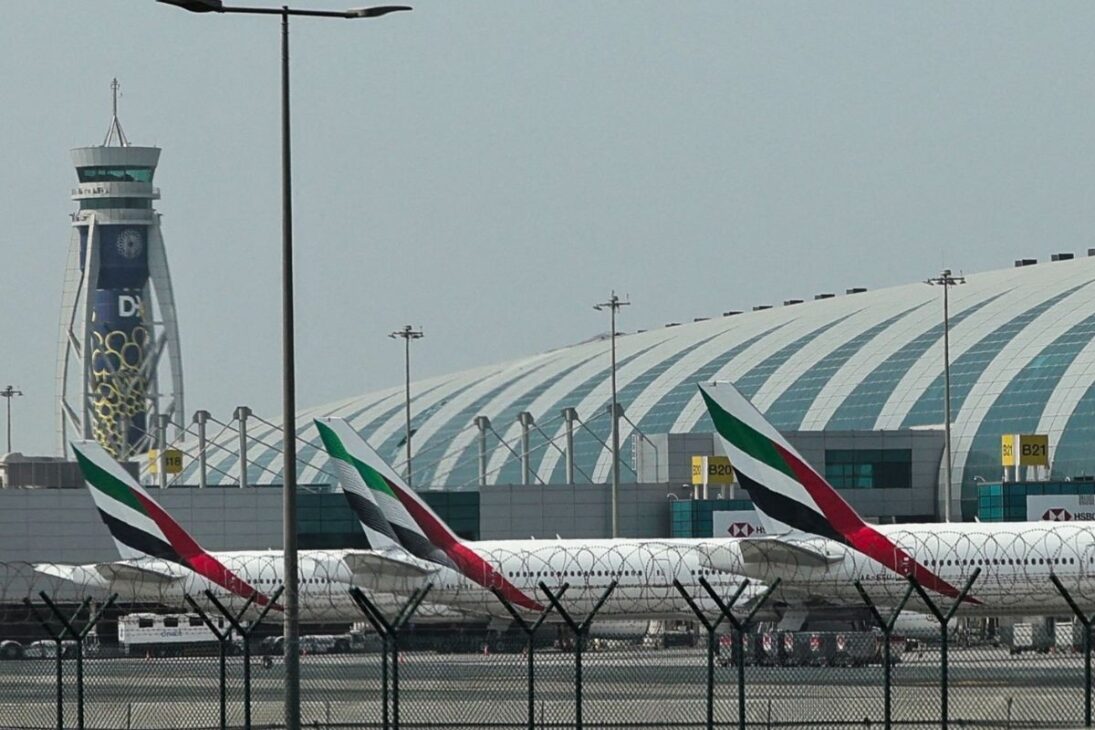
First, Planes Need To Travel Longer Distances, Increasing Fuel Consumption.
Second, The Concentration Of Aircraft In Narrow Air Corridors Increases The Complexity Of Air Traffic Control, Forcing Aircraft To Fly At Different Altitudes Or Less Efficient Routes.
The Result Is A Significant Increase In Aviation Operational Costs, Which Can Be Passed On To Ticket Prices Or Impact The Profitability Of Companies.
Air Corridors Increasingly Pressured
With Part Of The Regional Airspace Restricted, Some Routes Have Come To Depend On Specific Corridors That Cross Regions Such As The Caucasus And Parts Of Central Asia.
These Corridors Have Become Critical Points In International Aviation.
The Limitation Of Airspace Means That More Aircraft Compete For Narrow Routes, Increasing The Risk Of Air Congestion And Logistical Delays.
Additionally, Flying At Lower Altitudes Or Longer Routes Increases Fuel Consumption, Raising Costs For Airlines And Passengers.
This Type Of Air Traffic Reorganization Demonstrates How Regional Conflicts Can Rapidly Affect Global Transportation Systems.
The International Reputation Of Dubai At Stake
Another Important Factor Involves The International Image Built By Dubai Over The Last Few Decades.
Unlike Many Oil-Producing Countries, The Emirate Has Invested Heavily In Economic Diversification.
Tourism, Financial Services, Global Logistics, And Aviation Have Become Central Pillars Of The Local Economy.
For This Model To Work, The Perception Of Stability And International Security Is Fundamental.
Companies, Investors, And Tourists Choose Destinations Considered Predictable And Safe.
When Geopolitical Tensions Begin To Affect Air Routes And Logistic Infrastructure, This Reputation Can Suffer Indirect Impacts, Even If The City Itself Is Not Directly Involved In Conflicts.
The Risk Of A Domino Effect On The Global Economy
The Aspect That Most Concerns International Analysts Is The Possibility Of A Chain Reaction.
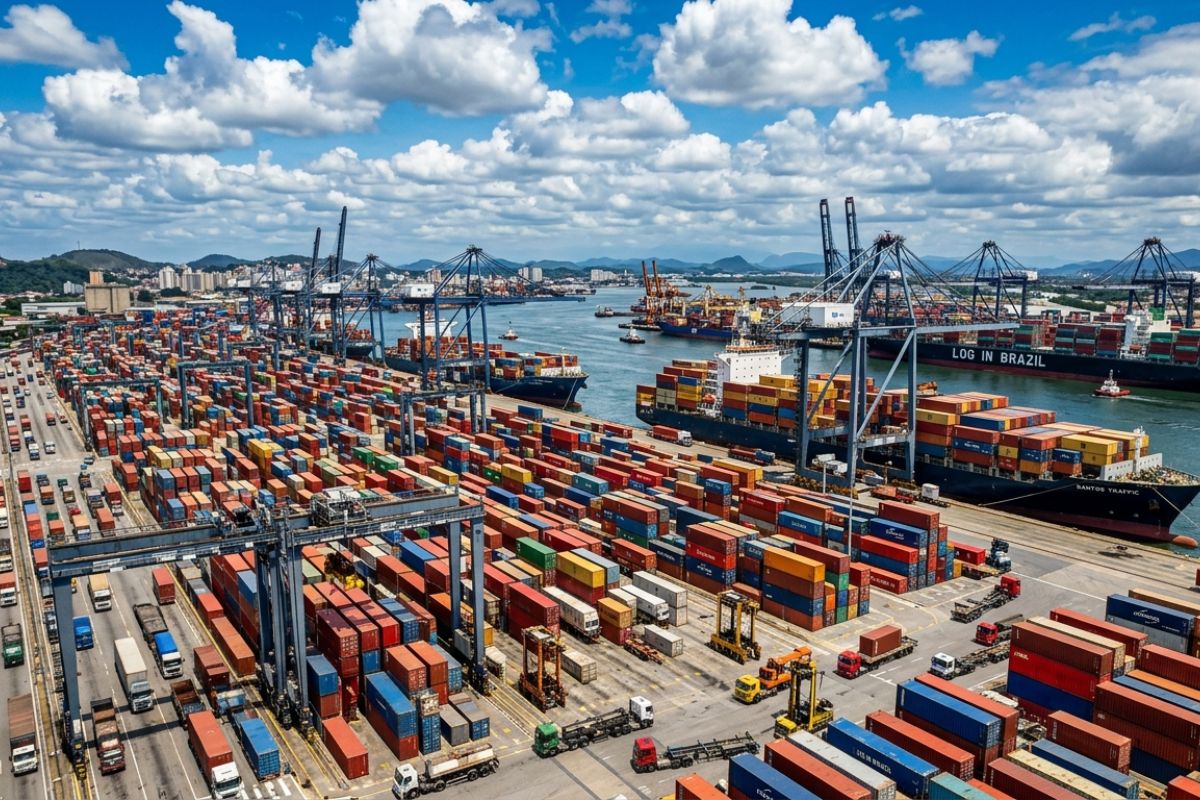
The World Economy Functions Through Complex Logistics Networks, In Which Air, Maritime Transport, And Supply Chains Are Deeply Interconnected.
If Strategic Corridors Become More Expensive Or Risky, The Impact Can Affect Not Only Airlines, But Also International Trade, Cargo Transport, And Financial Markets.
In Many Cases, Airplanes Transport Not Only Passengers But Also Medicines, Technological Equipment, And Industrial Parts.
A Significant Change In These Routes Can Affect Entire Productive Chains, Raising Costs And Pressuring Economies Dependent On International Trade.
The Situation Involving Dubai Shows How A City Can Become A Central Piece In A Much Broader Geopolitical Scenario.
Even Without Being Directly The Scene Of Conflicts, The City’s Strategic Position In International Transport Means That Any Regional Instability Reverberates Across Various Sectors Of The Global Economy.
Aviation, Trade, Tourism, And Investments Are Interconnected In Such A Way That Small Logistical Changes Can Yield Big Impacts.
Now A Question Arises That Divides Experts.
Does The Current Crisis Represent Only A Temporary Turbulence In Global Routes, Or Can It Mark The Beginning Of A New Phase Of International Logistical Instability?







-

Uma pessoa reagiu a isso.