





 Portuguese
  English
  Spanish
  6 min of reading
  0 comments


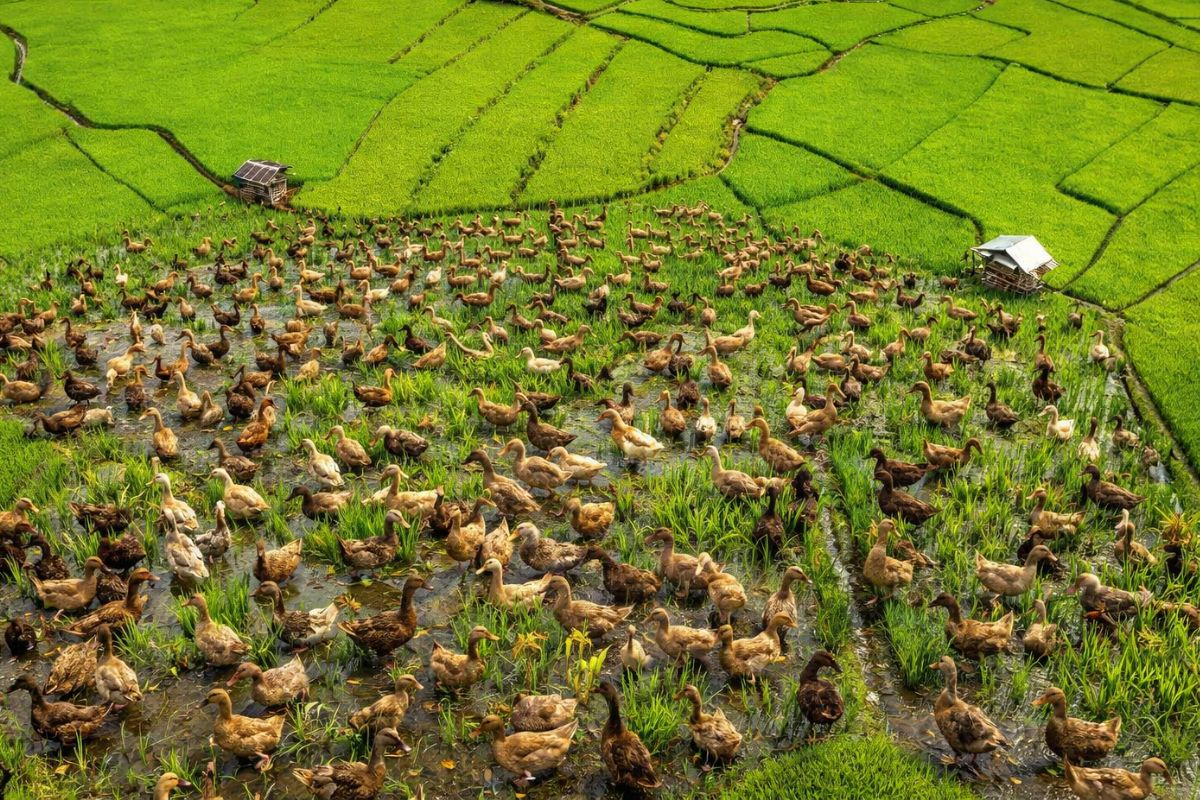
In Thailand, thousands of ducks are released in recently harvested rice fields to devour pests like snails, clean up to 70 hectares in about a week, improve the soil, and reduce pesticide use before returning to farms to produce eggs for years.
Videos of a real “brown river” of ducks running together through the rice fields went viral on social media and left many people thinking it was a montage or some bizarre experiment. But this army of ducks truly exists; it is a traditional practice in Thailand that shows how ducks can be powerful allies in rice farming.
What appears to be a chaotic scene is, in fact, a well-organized system. After the harvest, farmers coordinate with specialized breeders to release thousands of ducks in the flooded fields. These ducks spend days walking, digging with their bills, eating snails and remnants of crops, and in the end, they leave the rice field cleaner, flatter, and with fewer pests, without pouring a liter of poison.
When the Duck Army Became a Phenomenon
Before Thai fields gained prominence, the world had already heard of ducks being used as a “biological weapon” elsewhere.
-
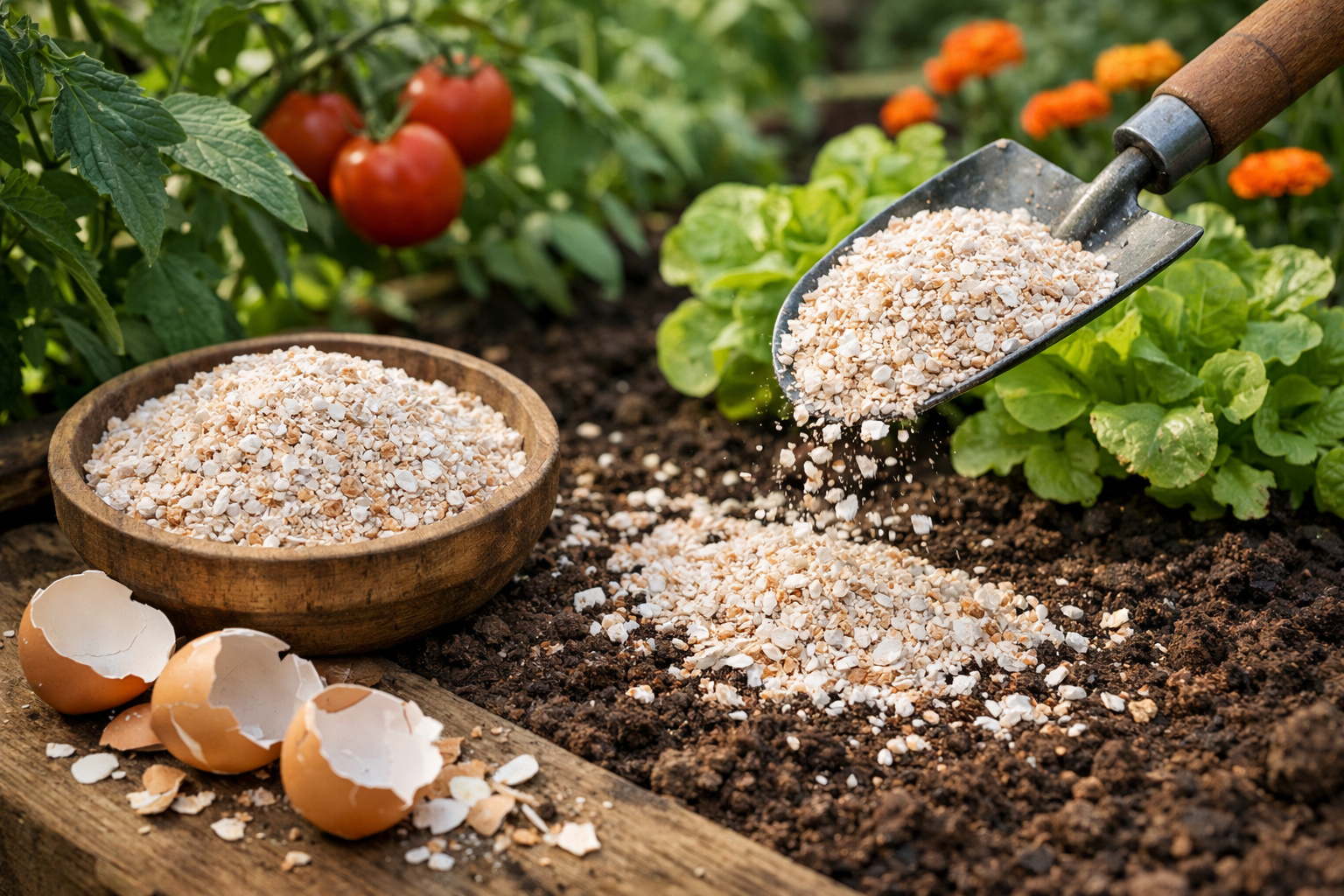
The eggshell that almost everyone throws away is made up of about 95% calcium carbonate and can help enrich the soil when crushed, slowly releasing nutrients and being reused in home gardens and vegetable patches.
-
This farm in the United States does not use sunlight, does not use soil, and produces 500 times more food per square meter than traditional agriculture: the secret lies in 42,000 LEDs, hydroponics, and a system that recycles even the heat from the lamps.

-
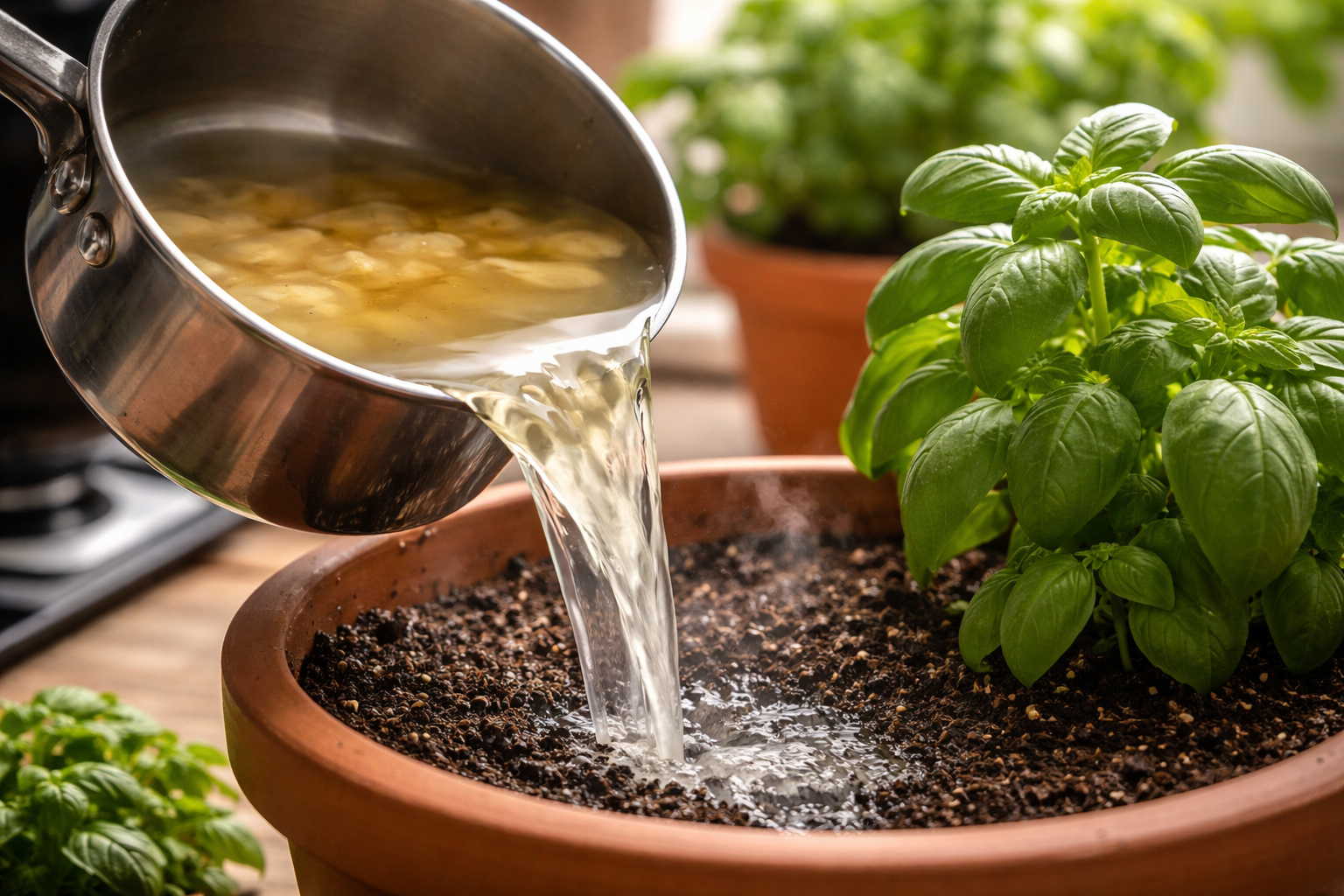
The water that almost everyone throws away after cooking potatoes carries nutrients released during the preparation and can be reused to help in the development of plants when used correctly at the base of gardens and pots, at no additional cost and without changing the routine.
-
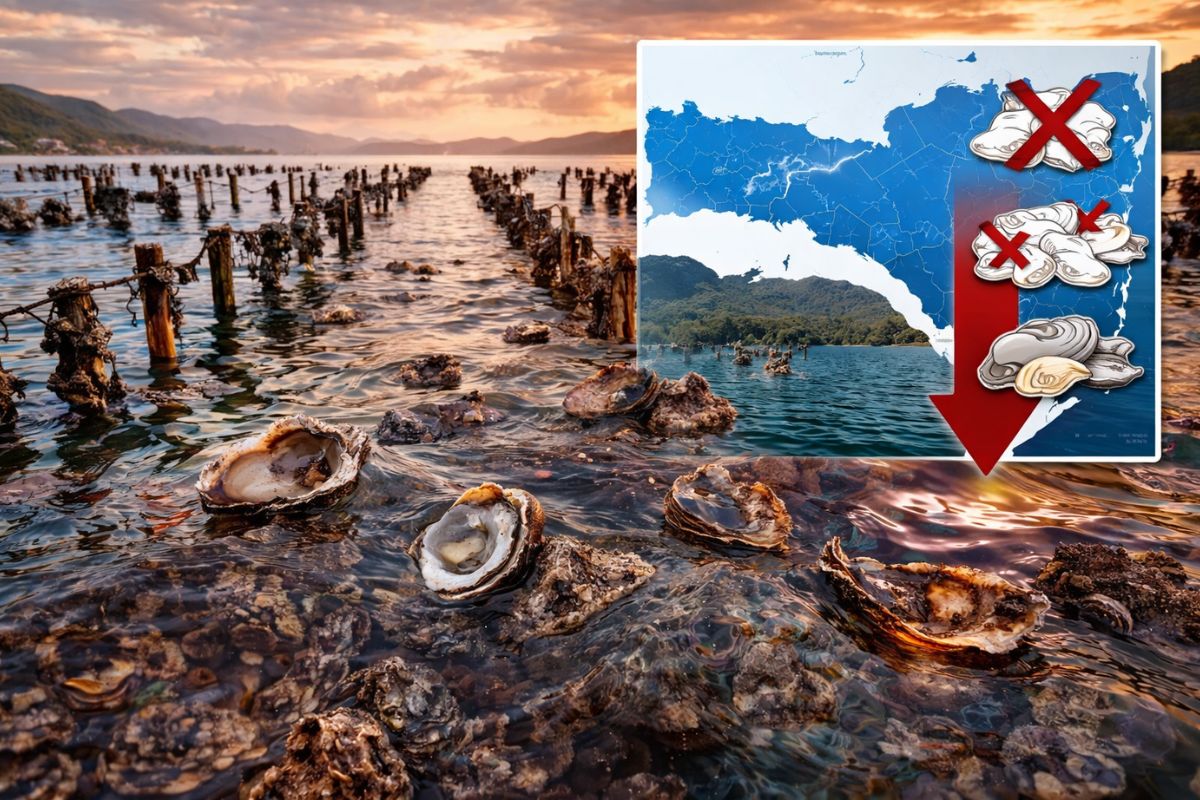
The sea water temperature rose from 28 to 34 degrees in Santa Catarina and killed up to 90% of the oysters: producers who planted over 1 million seeds lost practically everything and say that if it happens again, production is doomed to end.

China even announced the dispatch of 100,000 ducks to combat a swarm of hundreds of billions of locusts threatening crops along the border between India and Pakistan.
On that occasion, images showed ducks marching together like a battalion towards the risk areas. Chinese authorities explained that each duck can control a few square meters and, in large numbers, form a living barrier against the plague.
This kind of scene helped create the image of a duck army that moves as if it were a single organism, occupying the entire field.
In Thailand, the logic is different. There, the duck army was not created to combat locusts in an emergency situation, but to better utilize the rice farming cycle and turn a problem into an opportunity: instead of spending on chemicals to clean the field, farmers “hire” ducks to do the job while they feed.
Why Release Ducks in Rice Fields After Harvest
When the rice harvest ends in central Thailand, the fields still remain covered with plant remnants, straw, and, mainly, pests hiding in shallow water.
Snails and other organisms can attack future shoots and harm subsequent harvests if nothing is done.
This is where the ducks come in. After the harvest, thousands of ducks are released in the flooded fields and start rummaging through the soil in search of food, turning an environment full of waste into a true “buffet” for the birds.
They eat snails, insects, larvae, and unwanted seed remnants, helping to break the pest cycle.
This practice is so ingrained that it has even gained a name: the Thais call the animals “field-hunting ducks,” in a free translation.
In practice, these are ducks trained by routine and instinct, who learned that the post-harvest rice field is synonymous with abundance.
How the Army of 3,000 Ducks Works in 70 Hectares

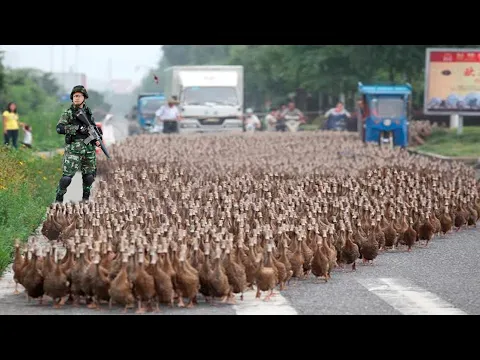
In the video that went viral, around 3,000 ducks come out of a pen and, instinctively, run towards the flooded rice field.
The image is impressive: it looks like a living wave takes over the landscape, with ducks spreading in all directions, covering every piece of water and mud.
According to local producers’ reports, these 3,000 ducks can “clean” an area of approximately 70 hectares in about a week.
During these days, they walk around the field, eat pests, dig up the soil, break straw, and leave the ground more even for the next planting.
After roaming freely for about five months in a rotation system between different areas, the ducks are taken back to their original farms. There, they enter a more stable phase, confined in suitable facilities to produce eggs for up to three years.
In other words, the duck army alternates periods of “fieldwork” in the rice fields with phases of egg production, closing an interesting economic cycle for the breeders.
Ducks, Snails, and Natural Pest Control
From an agronomic perspective, the main target of these ducks are the pests that hide in the field after the harvest.
Snails are one of the most cited examples. They can attack rice seedlings in the next harvest and cause significant damage if not controlled.
By releasing ducks in large numbers, farmers exchange part of the work that would be done with chemical products for a kind of “biological cleaning.”
The ducks see snails, insects, and leftover grains as food, not as a problem, so they work all day motivated by their own hunger.
Moreover, by walking through the flooded field, the ducks trample the rice straw and help incorporate this material into the soil. This contributes to leveling the area and facilitates preparation for the next planting, reducing the need for heavier mechanical operations.
Reduction of Pesticides and Soil Improvement with the Help of Ducks

One of the most striking points about this practice is the impact on pesticide use. When ducks control pests in rice fields, farmers can reduce the volume of chemical products they would apply to the area.
From the producers’ perspective, this creates a double benefit. On one hand, the farmer reduces costs with pesticides and chemical management operations.
On the other hand, the field becomes less dependent on synthetic inputs, which is attractive to those seeking cleaner and more sustainable production.
The ducks also leave their contribution in the form of droppings scattered throughout the field, which serve as natural fertilization.
Although this is not a fully controlled fertilization, it still represents a return of nutrients to the soil, complementing the physical effect of trampling the straw and mixing it with the top layer.
The Agreement Between Duck Breeders and Rice Farmers
This mechanism only works because there is a reciprocal relationship between those who breed ducks and those who cultivate rice. Breeders have organized flocks that move between different farms throughout the year.
In one of the mentioned areas, a producer works with four flocks that rotate in the fields of the province, where many farmers plant up to three rice harvests a year.
For the breeder, releasing ducks in the rice fields means reducing feeding costs. For months, the ducks eat practically everything they find in the field and rely much less on industrial feed.
For the farmer, the benefit comes in the form of ducks doing the “heavy lifting” of pest control, cleaning up remnants, and improving the surface soil structure.
After their work in the fields, the ducks return to the farms, where they enter the egg-laying phase.
This dynamic makes a single animal participate in two important stages: first as a management agent in the field, then as a source of food in the form of eggs.
Traditional, Efficient, and Visually Unforgettable
Although it may seem like a modern and “Instagrammable” idea, releasing ducks in rice fields is a traditional practice in parts of Thailand.
The difference is that, with the viralization of videos, the world began to see images that were previously restricted to the rural environment.
From a technical standpoint, it is not a magic solution. It requires careful management, a good understanding of the crop cycle, and coordination between duck breeders and rice producers.
In some regions, climate, soil conditions, or specific diseases can make the model harder to apply.
Even so, the image of thousands of ducks crossing flooded fields shows an interesting way to integrate animals and crops in systems less dependent on chemicals.
More than just a curiosity, this army of ducks is a reminder that many creative solutions for agriculture arise from observing animal behavior and ecosystem functioning.
Instead of combating nature, Thai farmers have learned to make it work in their favor.
And you, would you use an army of ducks instead of pesticides in rice fields, or do you think this strategy only works under the specific conditions of Thailand?








-

-

-

-

4 pessoas reagiram a isso.