





 Portuguese
  English
  Spanish
  4 min of reading
  0 comments


McDonald’s Starts Partnership With EDP to Use Solar Energy in Its Operations in Brazil, Reducing Costs, Expanding the Use of Renewable Sources, and Driving the Energy Transition in the Corporate Sector
In a strategic move that reinforces the commitment to sustainability, EDP, a Portuguese electric company, and McDonald’s, a global fast-food chain, announced a self-production agreement for solar energy this Monday (20), to supply 156 units of the chain in Brazil.
According to a report from Isto é Dinheiro, the contract, signed with 38 franchisees of the McDonald’s system, provides for the supply of 7 megawatts (MW) of clean energy for 12 years, generated at the Novo Oriente solar complex, located in Ilha Solteira (SP).
Solar Energy as a Pillar of the Energy Transition
The partnership between EDP and McDonald’s represents an important step in the adoption of renewable sources in large-scale commercial operations. The project will use the installed capacity of 254 MWac of the Novo Oriente solar park, one of the largest in the state of São Paulo, which has over 558,000 photovoltaic modules and 82 inverters.
-
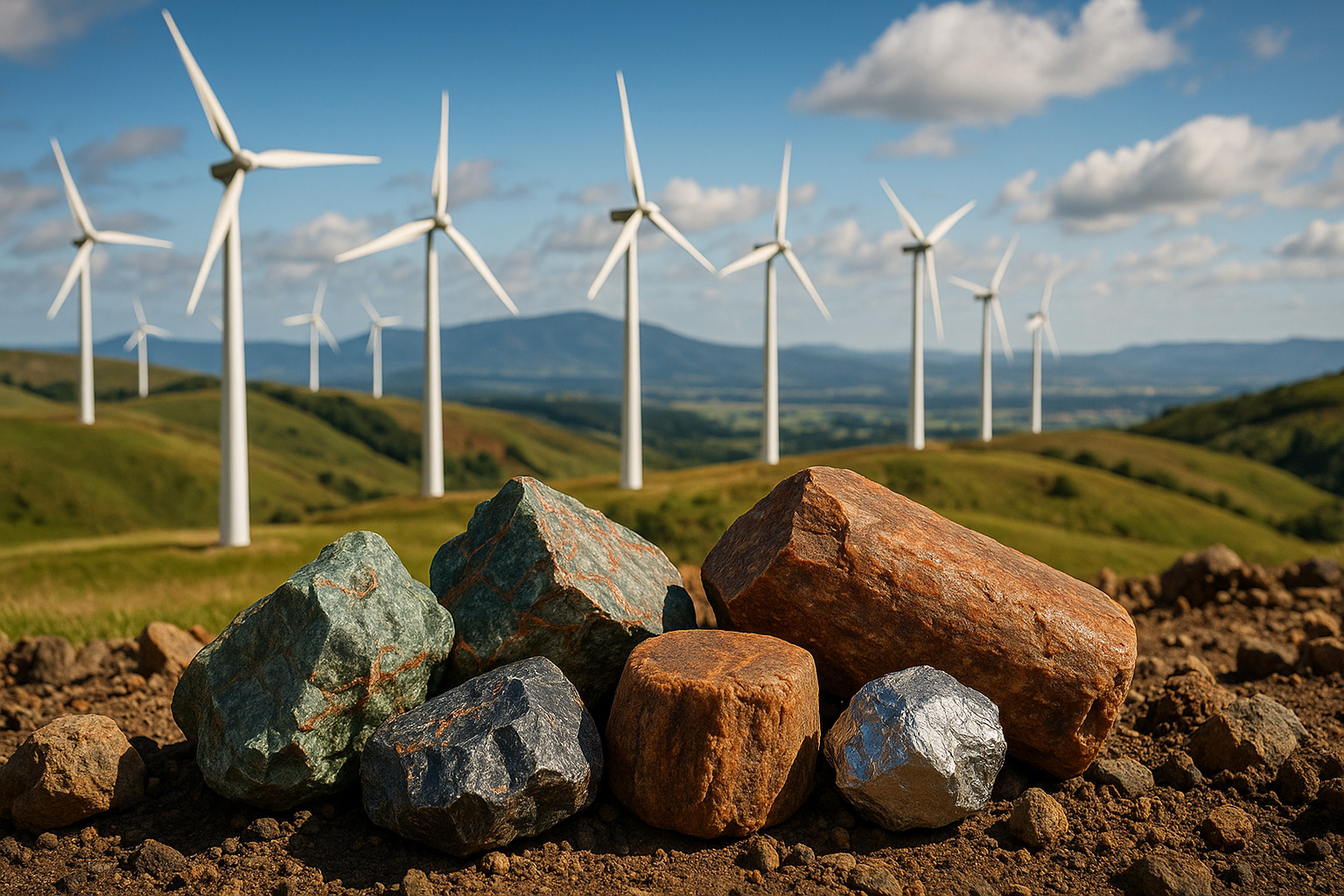
The Brazilian state accelerates industrial competitiveness with a focus on the extraction of strategic minerals to boost the energy transition in Goiás.
-
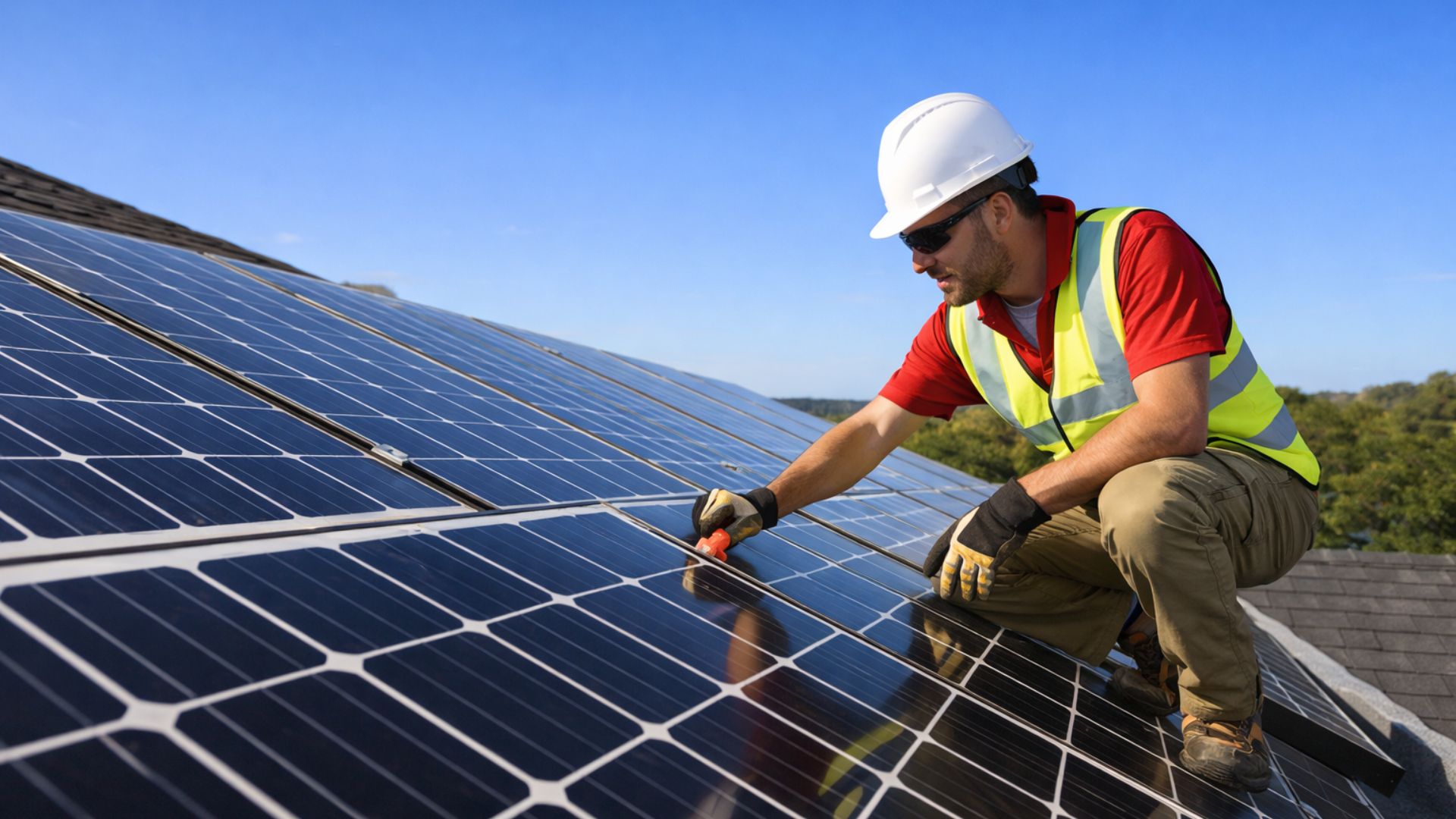
Seagri’s headquarters invests in solar energy with Neoenergia Coelba and promises to cut electricity costs, highlighting a strategic advance in sustainability and energy efficiency within state public administration.
-
A Canadian retiree creates a hydroelectric system on a real river, generating energy continuously throughout the day and demonstrating how the power of water can supply a house with stability even in a simple structure.

-
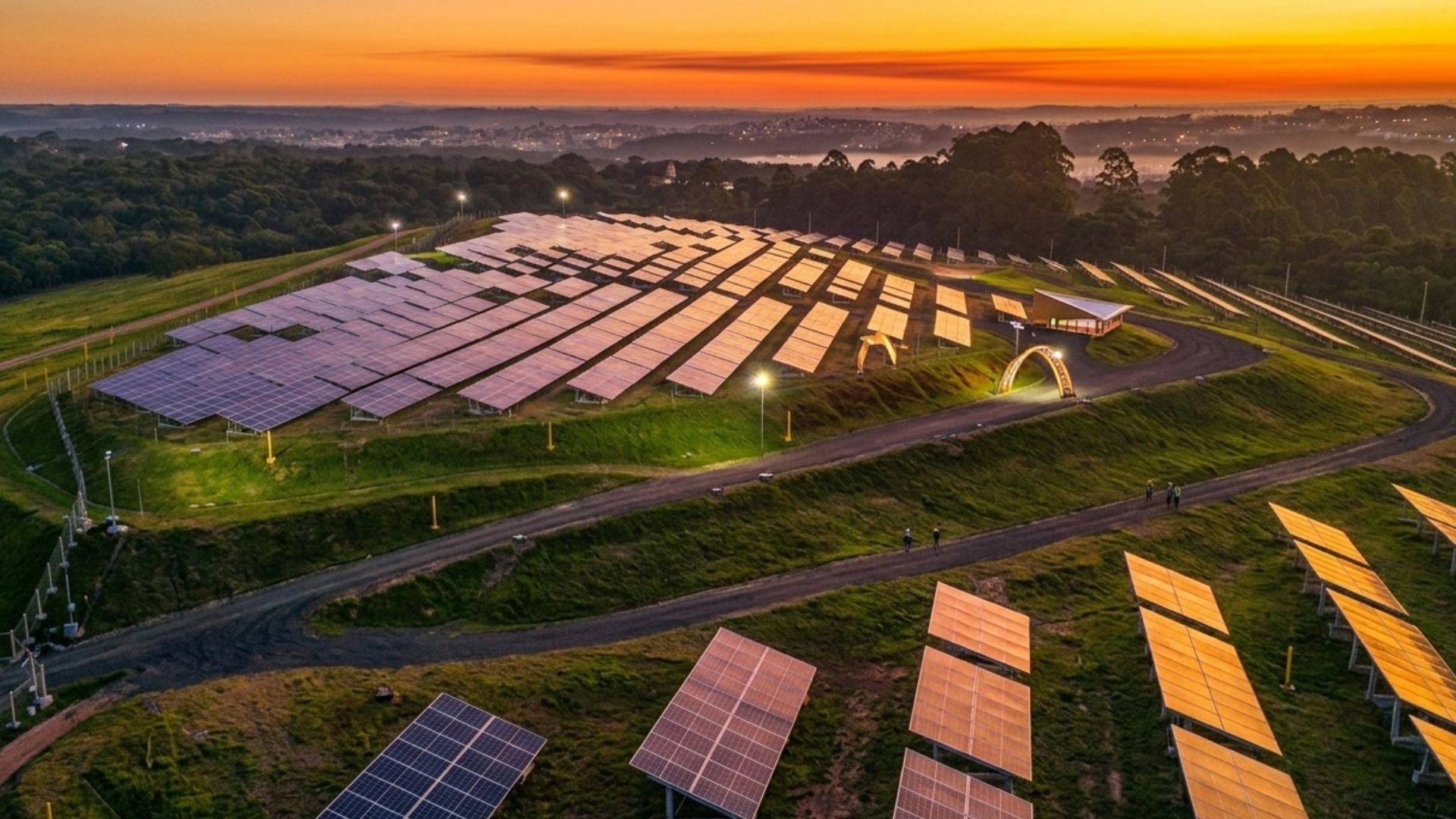
Solar Pyramid draws attention by converting solar energy into million-dollar savings and repositioning the City Hall of Curitiba as an example of innovation, sustainability, and intelligent use of public resources.

The solar energy generated will be enough to supply about 375,000 households per month, highlighting the potential of the complex to meet high demands. For McDonald’s, this means a significant reduction in the carbon footprint of its operations in the Southeast and South regions, including units in São Paulo, Minas Gerais, Rio de Janeiro, Paraná, Santa Catarina, and Rio Grande do Sul.
Details of the Self-Production Agreement Between EDP and McDonald’s
The self-production agreement model adopted allows McDonald’s franchisees to consume energy generated by a dedicated plant, without relying exclusively on the public grid. This strategy ensures cost predictability, energy security, and alignment with environmental goals.
Main points of the contract:
- Duration: 12 years
- Energy supplied: 7 MW
- Units served: 156 restaurants, cafés, and kiosks
- Location of generation: Novo Oriente Plant, Ilha Solteira (SP)
In addition to energy supply, the contract includes the issuance of renewable energy certificates, reinforcing the brands’ commitment to ESG (environmental, social, and governance) practices.
EDP and the Role in Brazil’s Energy Transition
EDP operates in all segments of the national electricity sector, including generation, distribution, commercialization, and energy solutions. With a focus on innovation and sustainability, the company has heavily invested in solar and wind projects, establishing itself as a leader in the energy transition in Brazil.
The Novo Oriente complex is an example of EDP’s ability to deliver robust and scalable solutions. Utilizing cutting-edge technology, the solar park is operated with intelligent monitoring and maintenance systems, ensuring high efficiency and reliability.
McDonald’s and Solar Energy in Operations
McDonald’s, represented by Arcos Dorados in Latin America, has intensified its ESG agenda in recent years. The partnership with EDP is another step in this journey, demonstrating that large retail chains can be leaders in adopting sustainable practices.
Solar energy is becoming an essential part of the operations of hundreds of units in the chain, positively impacting not only the environment but also consumer perceptions.
According to Arcos Dorados, the project aligns with the brand’s global commitments, which include:
- Reduction of greenhouse gas emissions
- Responsible use of natural resources
- Energy efficiency in kitchens and refrigeration systems
- Elimination of single-use plastics
According to a spokesperson for Arcos Dorados, this project is an important step toward more sustainable operations and contributes to global efforts to combat climate change.
Economic and Environmental Benefits of the Agreement Between EDP and McDonald’s
The adoption of solar energy brings advantages that go beyond sustainability. From an economic perspective, the self-production model allows:
- Reduction of operational costs for electricity
- Tariff stability against market fluctuations
- Enhanced brand value among conscious consumers
Environmentally, it is estimated that the project will prevent the emission of thousands of tons of CO₂ over the 12 years of the contract, directly contributing to the climate commitments undertaken by Brazil in the Paris Agreement. The union of economy and ecology makes the project an example of corporate innovation.
The Role of Solar Energy in Corporate Decarbonization
Solar energy is one of the main alternatives for companies seeking to decarbonize their operations. With the decrease in installation costs and technological advancements, it has become feasible for businesses of all sizes.
In the case of McDonald’s, the adoption of solar energy in 156 units represents:
- A direct impact on reducing carbon emissions
- A replicable model for other franchises and retail chains
- A competitive differentiator in increasingly demanding markets
EDP, in turn, strengthens its position as a provider of sustainable energy solutions, expanding its corporate client portfolio and contributing to the diversification of the national energy matrix.


Paths to a More Sustainable Energy Future
The self-production agreement between EDP and McDonald’s is a milestone in Brazil’s energy transformation. With 156 units supplied by solar energy, the companies demonstrate that it is possible to unite economic efficiency, environmental responsibility, and technological innovation.
The initiative reinforces the role of the private sector in building a more sustainable and resilient energy model. By investing in renewable energy, EDP and McDonald’s not only reduce their environmental impacts but also inspire other corporations to follow suit.









Seja o primeiro a reagir!