





 Portuguese
  English
  Spanish
  4 min of reading
  0 comments


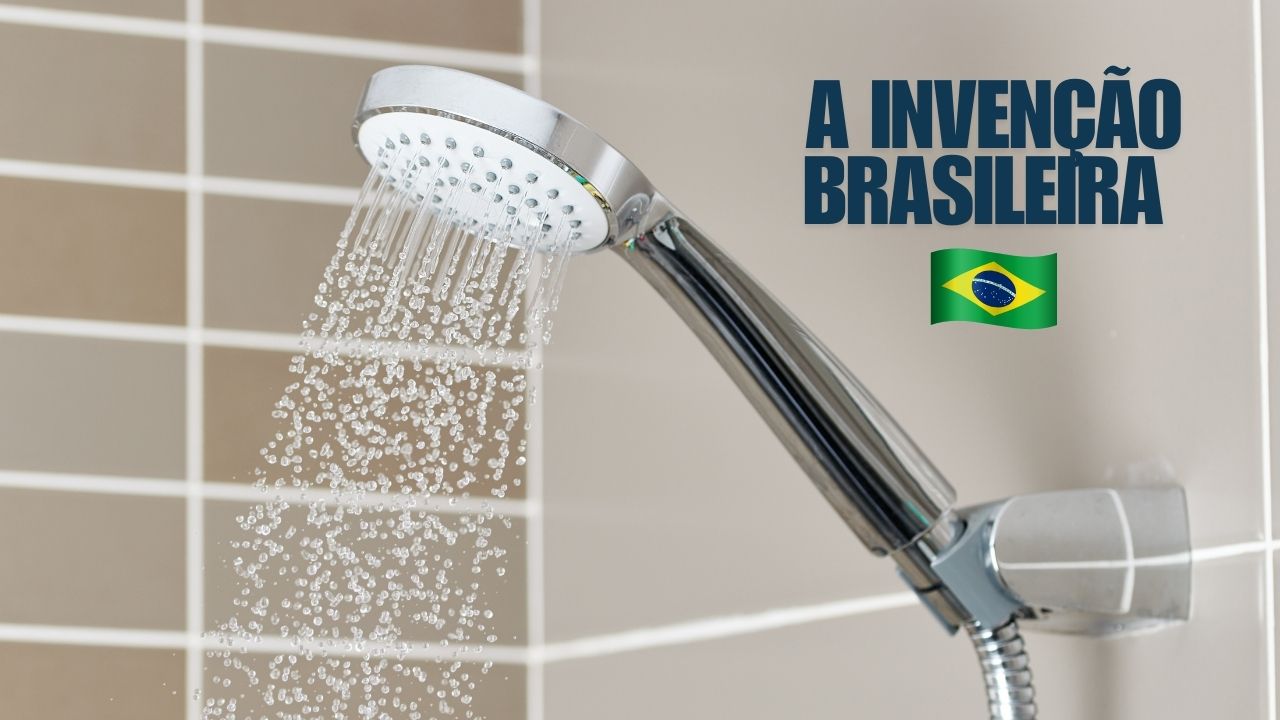
The Electric Shower Is Present in Millions of Brazilian Homes, but Is Rare Outside the Country. Find Out Why This Technology Became Popular in Brazil, How It Works, and Which Cultural and Technical Factors Explain Its Absence in Other Places.
For Brazilians, entering the bathroom and turning on the electric shower is a common gesture. From the coast to colder regions, the device is installed in different types of households.
It heats water instantly, without the need for complex systems, and ensures comfort for millions of families.
However, when we look outside the country, the reality is very different. In many parts of the world, this type of equipment barely exists.
-
The Argentine government celebrates the lowest poverty rate in 7 years, but experts warn that the methodology has changed, real wages have fallen, unemployment has risen, and the number of people on the streets of Buenos Aires has increased by 57% since Milei took office.

-
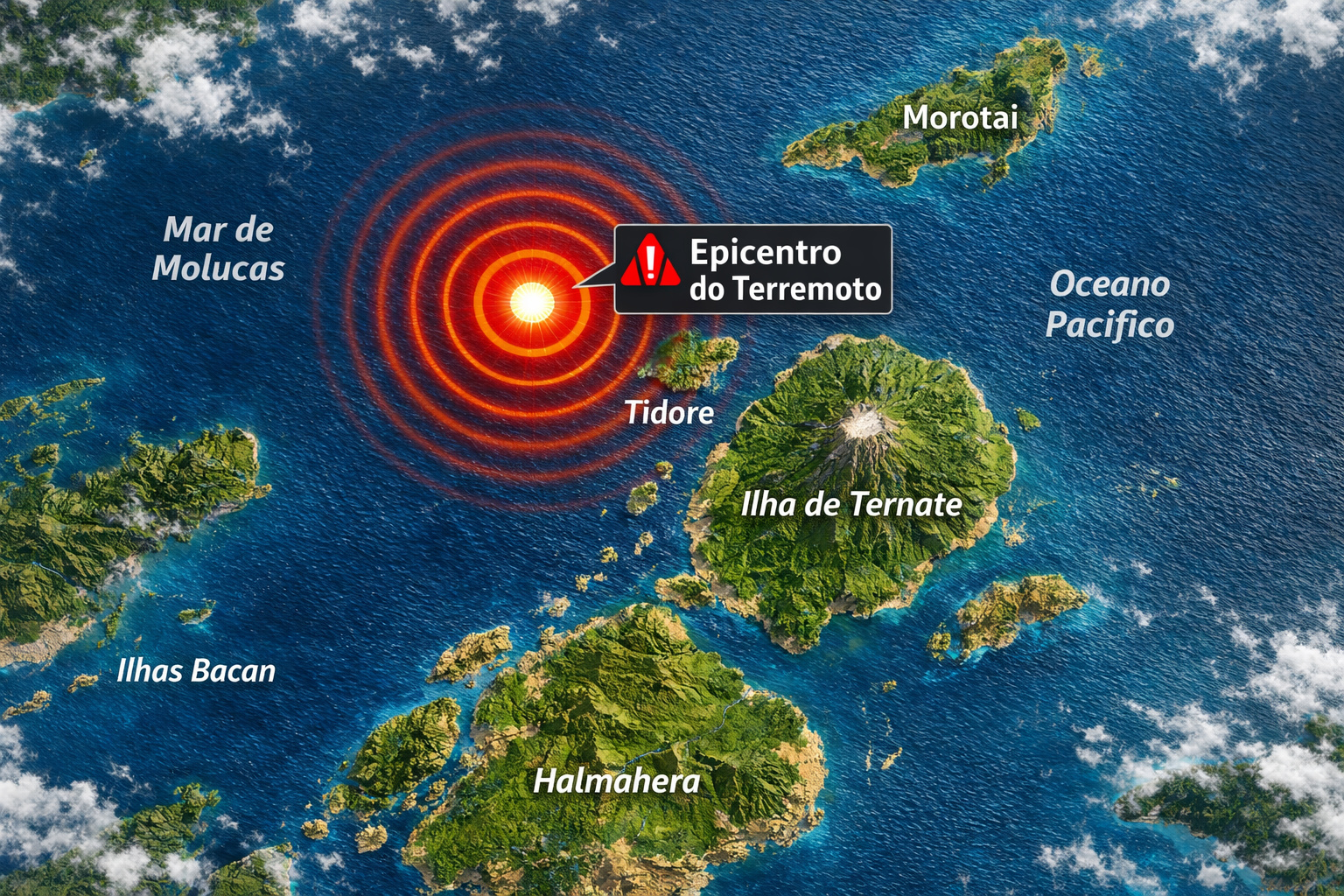
7.8 magnitude earthquake in Indonesia frightens the population, triggers tsunami alert, and hits an island with over 200,000 inhabitants this Thursday.
-
Google will finally let you change that embarrassing Gmail address you created in your teenage years without losing any accounts, logins, or old emails: the feature is already available in the United States.

-
Heading to Brazil in a Bonanza F33 single-engine aircraft: a couple departs from Florida on a visual flight, makes technical stops in the Caribbean to refuel and organize paperwork, and begins the staged crossing until they reach the country.


Instead, the most common option is central heating systems or gas appliances.
This difference raises an important question: why has the electric shower become so popular in Brazil and not followed the same trajectory in other countries?
Origin and Popularization of a Brazilian Invention
The electric shower was born as a simple and accessible solution for hot showers.
While cold countries already had heating systems and boilers to heat water for the whole household, in Brazil this alternative was not feasible for a large part of the population, mainly due to lack of infrastructure.
The new device brought practicality. To operate, it only required an electrical outlet and access to running water.
This ease of installation made the electric shower ideal for modest homes, small apartments, and even rural areas.
Another decisive factor was the Brazilian energy matrix.
The country has an abundance of electricity, especially from hydropower plants. This reduced the cost of domestic use and favored the expansion of this technology.
The Electric Shower as an Economic Solution
Unlike gas or central heating systems, the electric shower only consumes energy at the moment of use.
This characteristic allowed families to better control their expenses, avoiding high fixed costs.
Moreover, the installation of the equipment does not require major renovations or structural adaptations.
It is enough to replace an old model with a new one in a few minutes for consumers to access hot showers quickly and relatively cheaply.
This scenario explains why, over the decades, the electric shower has become a basic item in households across different social classes in Brazil.
The Absence of the Electric Shower in Other Countries
Despite its massive presence in Brazil, the electric shower is not exclusive to the country.
It can also be found in some Latin American countries such as Peru, Bolivia, Paraguay, Mexico, Costa Rica, Guatemala, Ecuador, and Cuba.
Peru, in fact, is the largest importer of this type of equipment in the world.
In Africa, there are records of use in countries like Kenya and Uganda, albeit on a smaller scale. However, outside these markets, the electric shower is rarely seen as standard.
There are technical and cultural reasons for this difference:
Electrical Voltage: in countries like the United States, the predominant electrical network is 110V. This makes it difficult to use powerful electric showers, which require more energy to heat water comfortably. In Brazil, many regions use 220V, allowing for greater efficiency.
Bathing Habits: taking long, relaxing hot showers is a deeply rooted habit in Brazil. In many countries, a quick or even cold shower is sufficient, reducing the demand for instant heating devices.
Climatic Conditions: in colder regions, central heating systems tend to be more advantageous, as they provide hot water not only for showers but also for faucets and heating systems.
Energy Tradition: in places with a strong presence of natural gas, such as Europe, gas heaters have become the market standard.
The Cultural Role of the Electric Shower in Brazil
More than a technical issue, the electric shower has become part of Brazilian cultural identity. It symbolizes practicality and accessible comfort.
Even in homes with tight budgets, hot showers have become a daily reality, which is not the case in much of the world.
The massive presence of the device also contributed to the creation of a consolidated national industry, responsible for supplying millions of households and even exporting to neighboring countries.
Debates About Consumption and Safety
Despite its popularity, the electric shower is not free from discussions. There are experts raising concerns about electricity consumption, especially during peak hours.
Moreover, there are debates about safety, since the device involves the simultaneous use of electricity and water, requiring caution in installation.
Nonetheless, these issues do not diminish its presence.
Even in the face of alternatives like solar or gas heaters, the electric shower remains the most practical option for most Brazilians.









Seja o primeiro a reagir!