





 Portuguese
  English
  Spanish
  4 min of reading
  1 comment


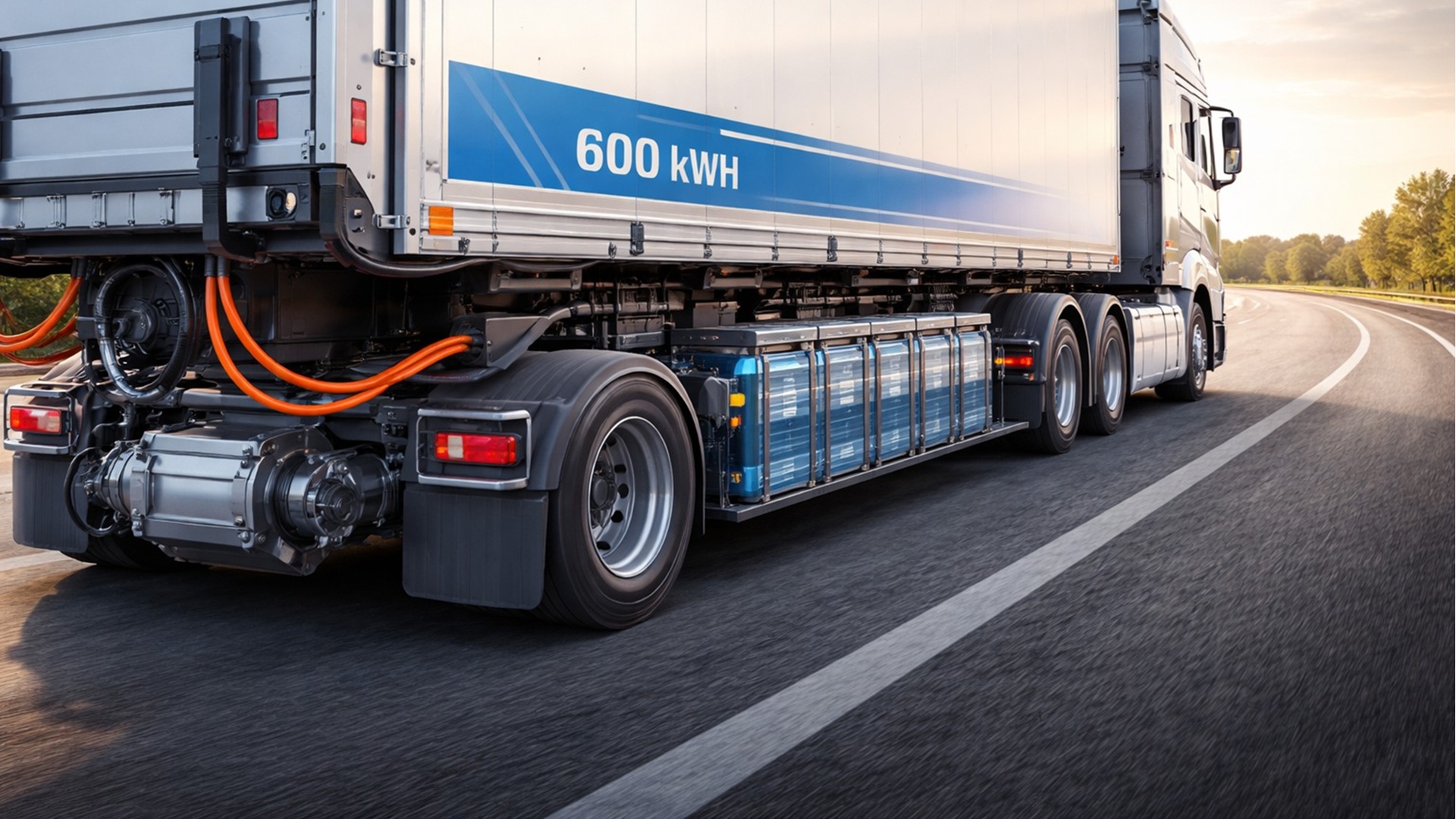


System Developed In Australia Transfers 200, 400, Or 600 kWh Batteries To The Trailer, Offers Up To 295 kW Of Electric Assistance, Reduces Diesel Consumption By Up To 50%, And Can Save Up To 125,000 Liters Per Truck Annually Without Changing Routes Or Replacing The Tractor
An Australian company has developed a powered trailer with batteries of up to 600 kWh capable of reducing diesel consumption by up to 50% and saving up to 125,000 liters per truck annually, without requiring the replacement of the tractor truck.
Electric Trailers To Reduce Diesel Consumption Without Replacing The Truck
Electrification of heavy transport has faced obstacles for years related to the high cost and weight of electric trucks, as well as the difficulty of integration into fleets that operate on tight margins.
In light of this scenario, VE Motion opted for a different strategy. The company developed a powered trailer system with integrated batteries that transfers part of the workload from the diesel engine to the trailer itself.
-
A French brand placed a car on four huge red balloons to prove that its suspension made the vehicle “float,” and the surreal scene became one of the most iconic and unusual images in automotive history.

-
Jeep Avenger begins production in Brazil, debuting as the brand’s new entry-level SUV and inaugurating an unprecedented phase by becoming the first national Jeep manufactured outside of Goiana, as part of a R$ 3 billion plan.
-
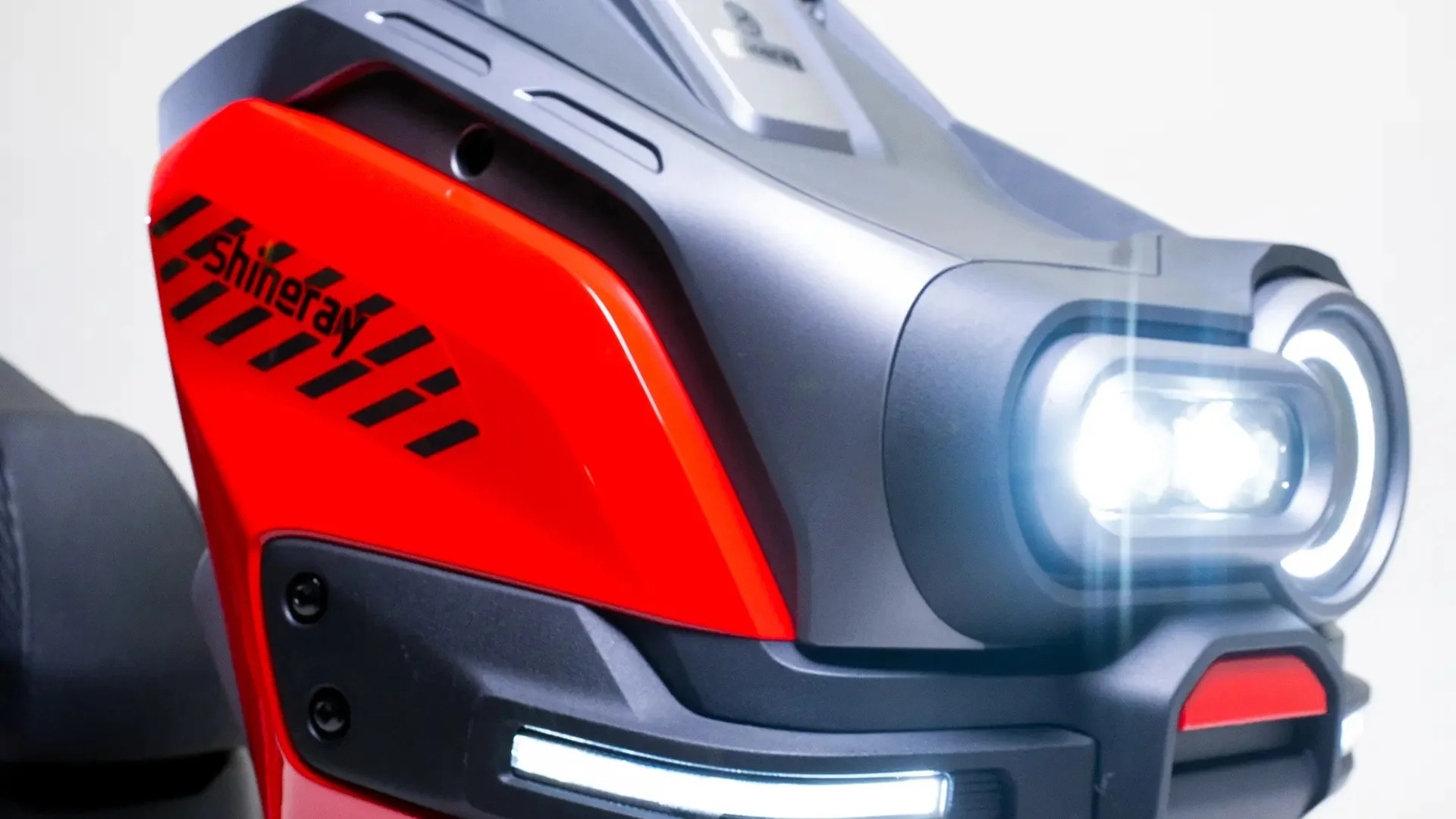
Costing R$ 12,490, the new Shineray Urban Lite 150 “cheap one” arrives in Brazil with a CVT transmission, digital dashboard, and LED lights, making it more affordable than the Biz and targeting those who want to abandon the bus.
-
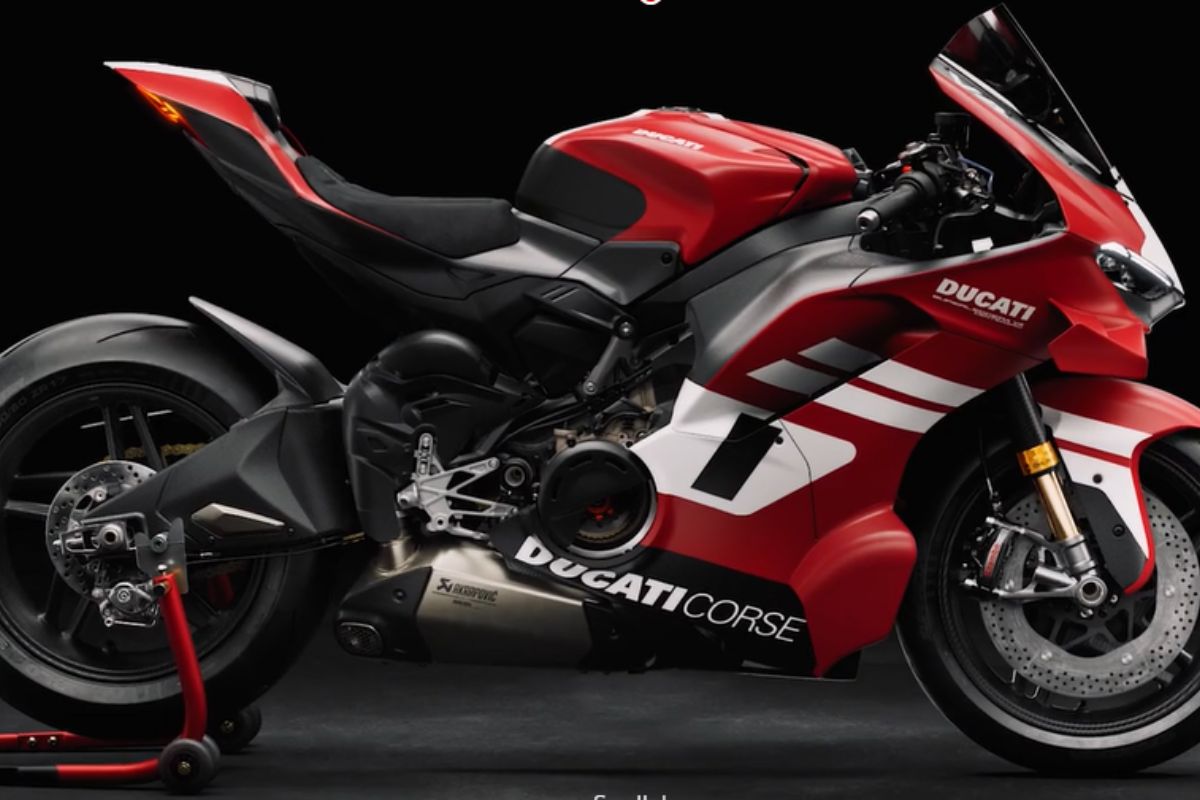
Ducati brings to Brazil the Superleggera V4 Centenario: 228 hp that become 247 with a track kit, carbon fiber and carbon-ceramic brakes, estimated price between R$ 1.5 and 2 million, deliveries only in 2027.

The result is reduced diesel consumption, fewer emissions, and greater efficiency, without the need to replace the tractor truck or redesign routes and schedules.
The proposal shifts the additional weight and cost to the trailer, a more flexible component within the logistics ecosystem, keeping existing fleets in operation.
Electric Assistance, Regenerative Braking, And Distributed Hybrid Operation
The system provides electric traction assistance, regenerative braking, and power for auxiliary equipment such as refrigeration systems, pumps, and fans.
In practice, the trailer acts as a distributed plug-in hybrid, assisting the diesel engine during peak demand periods and helping to decrease diesel consumption in intercity operations.
There is no total dependency on the battery. If the charge runs out, the system continues operating in conventional mode. No unexpected shutdowns or immobilized trucks.
This logic fits in transportation between major centers, where there is downtime for recharging and where many fleets already have solar power facilities or competitive electricity contracts.
Industrial Development And Integration With Trailer Manufacturers
The system was designed and tested in Australia, with ongoing investment in research and development since 2018 and manufacturing in Murray Bridge.
This is not a laboratory prototype. The equipment is already operating on real roads, with tests underway with logistics operators in Australia and New Zealand.
Instead of marketing directly to thousands of carriers, the company seeks to position itself as a technology provider for trailer manufacturers.
About 10,000 heavy trailers are manufactured annually in Australia alone, which expands the adoption potential of the solution.
Technical Components: Electric Axle, LFP Batteries, And Flexible Charging
The system architecture is based on three main blocks integrated with components already known in the industry.
The first is the motorized electric axle, with an integrated drive unit that combines motor, inverter, and transmission. It offers approximately 295 kW of electric power, equivalent to about 400 hp of assistance, and supports up to 10 tons per axle.
The second block consists of high-capacity modular batteries. The packs can have 200, 400, or 600 kWh and are mounted between the trailer’s frame rails.
The batteries use LFP technology, lithium iron phosphate, known for thermal stability and long lifespan. Each configuration allows for a reduction in diesel consumption of approximately 200, 400, or 600 km, respectively.
The third block is the flexible charging system. It includes fast charging in direct current via CCS2, with power between 120 and 180 kW, as well as three-phase alternating current charging of up to 22 kW.
This combination reduces infrastructure costs and facilitates gradual adoption. The system is also prepared for V2L and V2G, paving the way for future energy uses of the trailer.
Fuel Savings, Emissions, And Operational Effects
According to the manufacturer’s estimates, the system allows for a reduction of diesel consumption by up to 50%.
This represents annual fuel savings between € 50,000 and € 200,000 per vehicle, in addition to up to 125,000 liters of diesel saved per truck annually.
In environmental terms, the reduction ranges from 80 to 300 tons of CO₂ per truck per year, depending on the application.
There are also indirect benefits. The lower load on the engine results in less wear on components such as brakes and retarders, as well as reduced noise during driving.
In long or bi-train vehicles, there are improvements in acceleration, starting power, and hill climbing, with a direct impact on safety and traffic flow.
The proposal presents itself as a gradual energy transition, prioritizing where it is easier, faster, and cheaper to electrify.
Among the highlighted points are the progressive decarbonization of heavy transportation, integration with self-consumption of solar energy in logistics bases, immediate reduction of emissions on repetitive and predictable routes, and future use of the trailer as a mobile energy asset.
The solution does not fully replace the current model but offers a practical alternative to reduce diesel consumption in existing fleets, maintaining established operations and routes.










Na Austrália podemos confiar. Parabéns Austrália.