





 Portuguese
  English
  Spanish
 4 min of reading
  9 comments


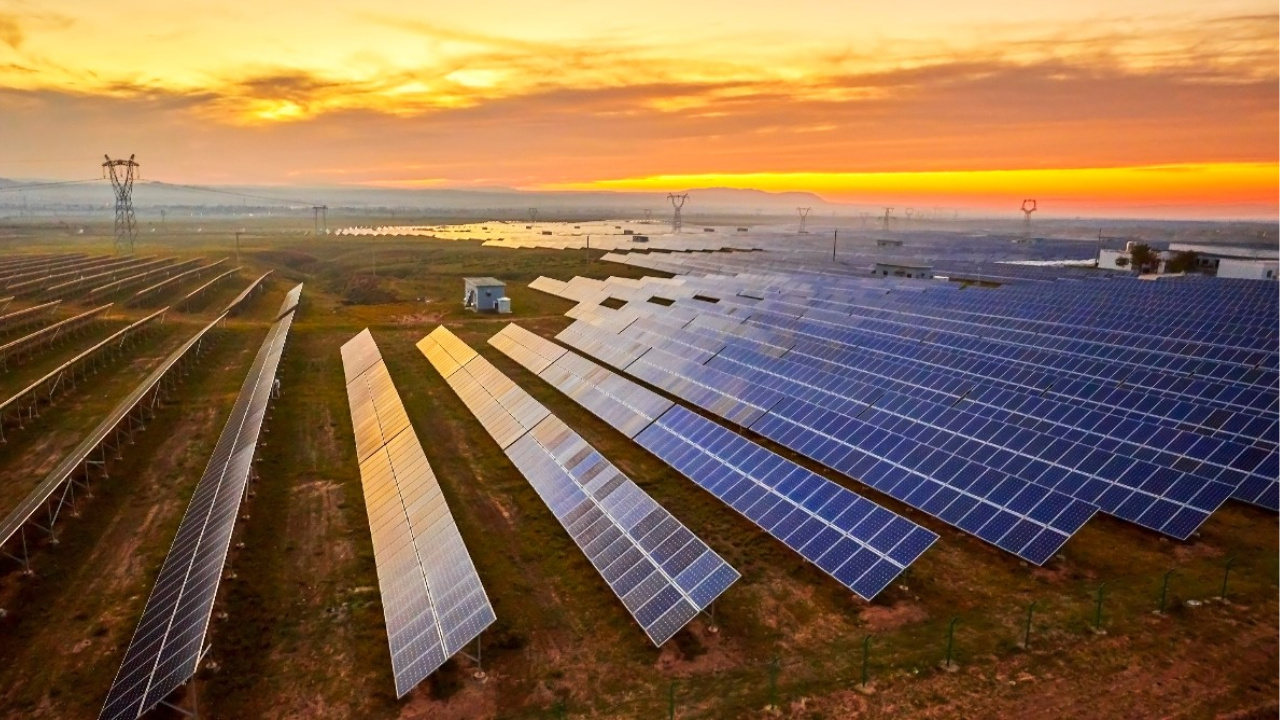


Changes In Solar Energy Charging In Rio Grande Do Norte Generate Increase In Electricity Bills, After Application Of Tusd And ICMS Foreseen In Law. Consumers Complain About Lack Of Notice, While Procon And Industry Entities Monitor The Case.
The implementation of new charges on solar energy surprised thousands of consumers in Rio Grande do Norte. Neoenergia Cosern began to include distribution tariffs and ICMS in the bills of those who installed their photovoltaic systems after January 7, 2023.
Although the rules are provided for in the Legal Framework of Micro and Mini Distributed Generation, the sudden application — and without prior notice — caused the bills to skyrocket in November. In many cases, the amount doubled or even tripled, creating a scenario of insecurity for those who bet on solar energy as a sustainable and economical alternative.
Changes Follow Federal Legislation, But Timing And Communication Generate Criticism
The distributor argues that the changes comply with Federal Law 14.300/2022 and State Law 6.968/1996, which regulate the payment of the Use of Distribution System Tariff (Tusd) and ICMS on specific charges. In a statement released on November 13, Cosern stated that the goal is to provide “transparency and clarity in the composition of your bill.”
-
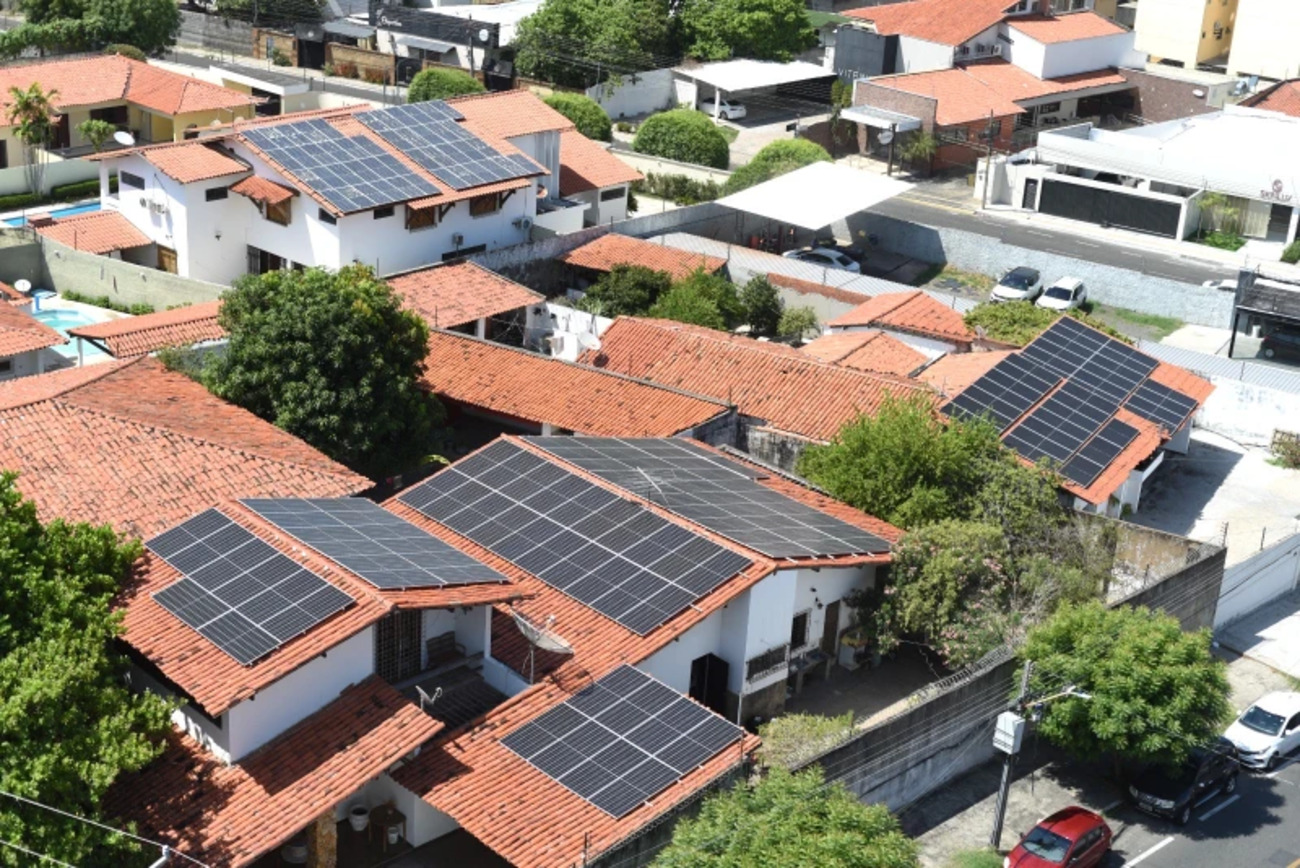
Piauí reaches a historic milestone in energy transition: State records nearly 160,000 households powered by solar energy and leads growth in the Northeast.
-
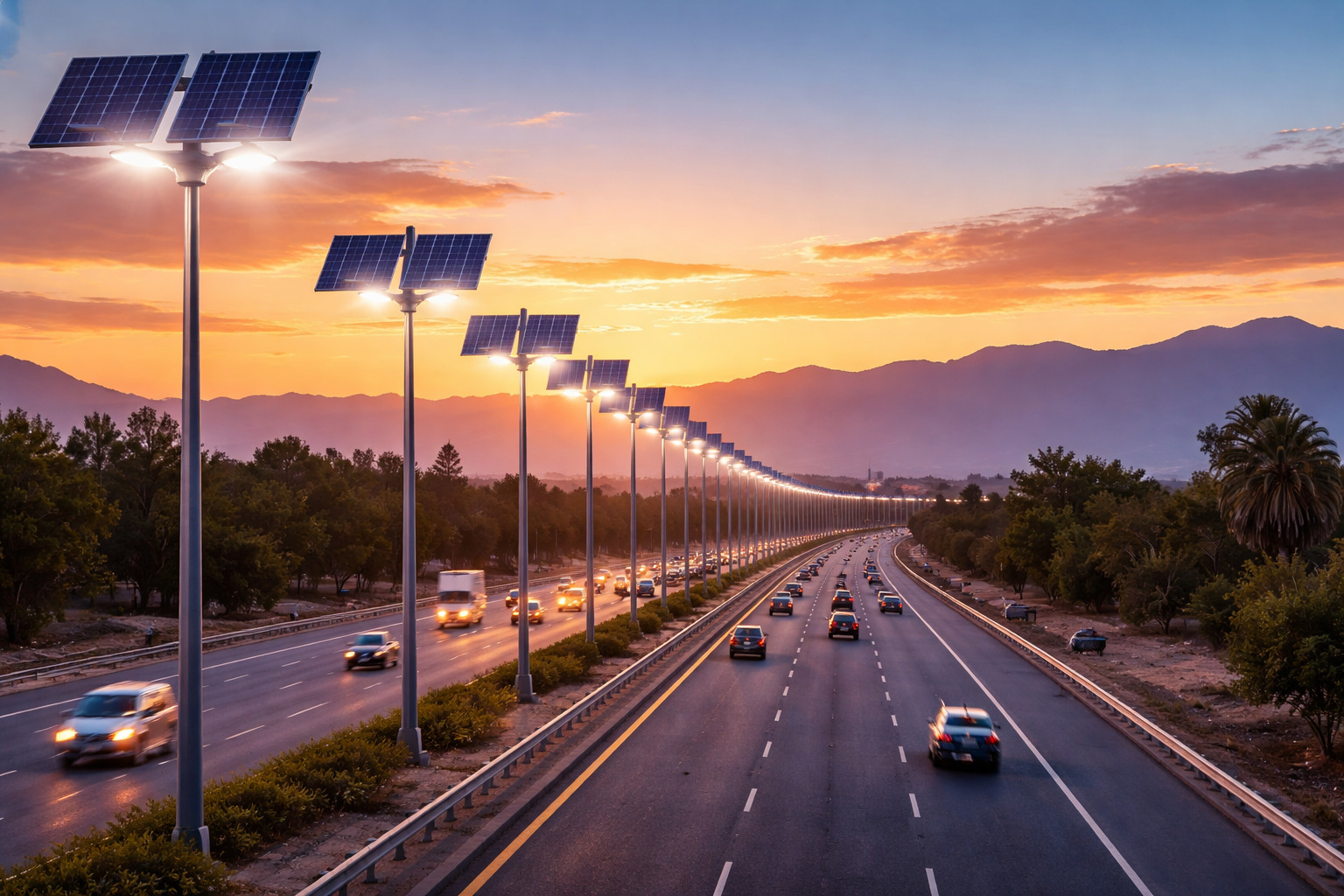
Argentina debuts its first 100% solar-powered highway and transforms an entire road into a showcase of clean energy.
-
Minas Gerais reaches a historic record and surpasses the power of Itaipu, but network costs generate debate: Understand why solar energy in MG impacts the electricity bill of those without panels.
-
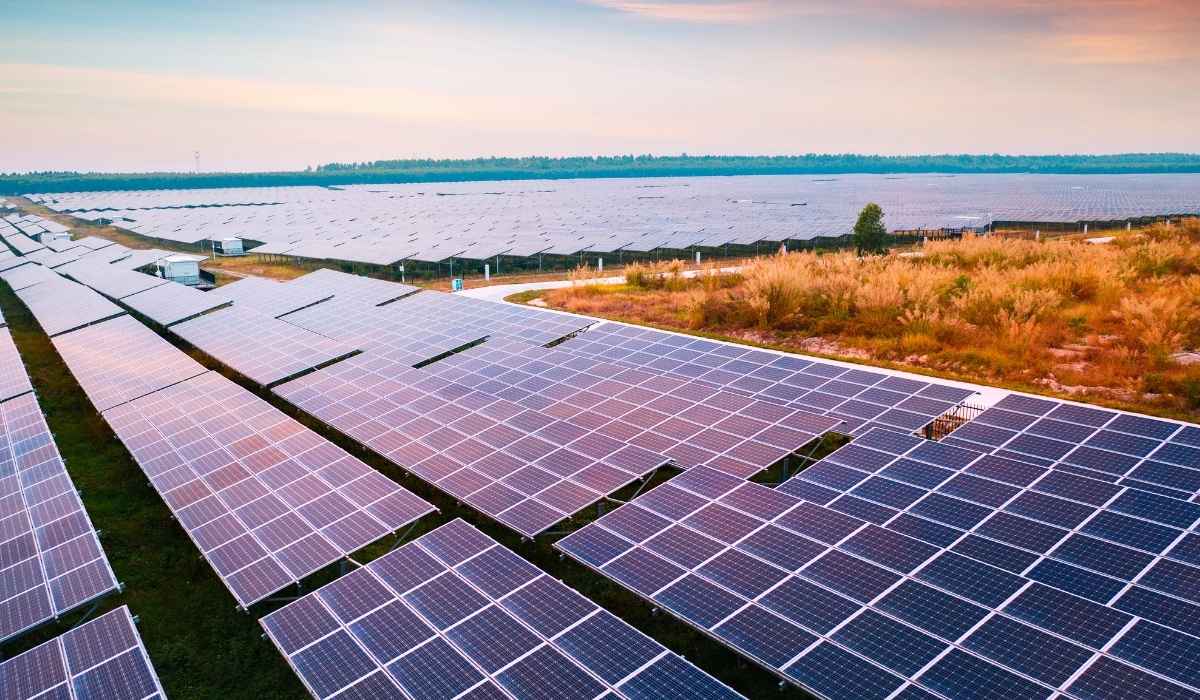
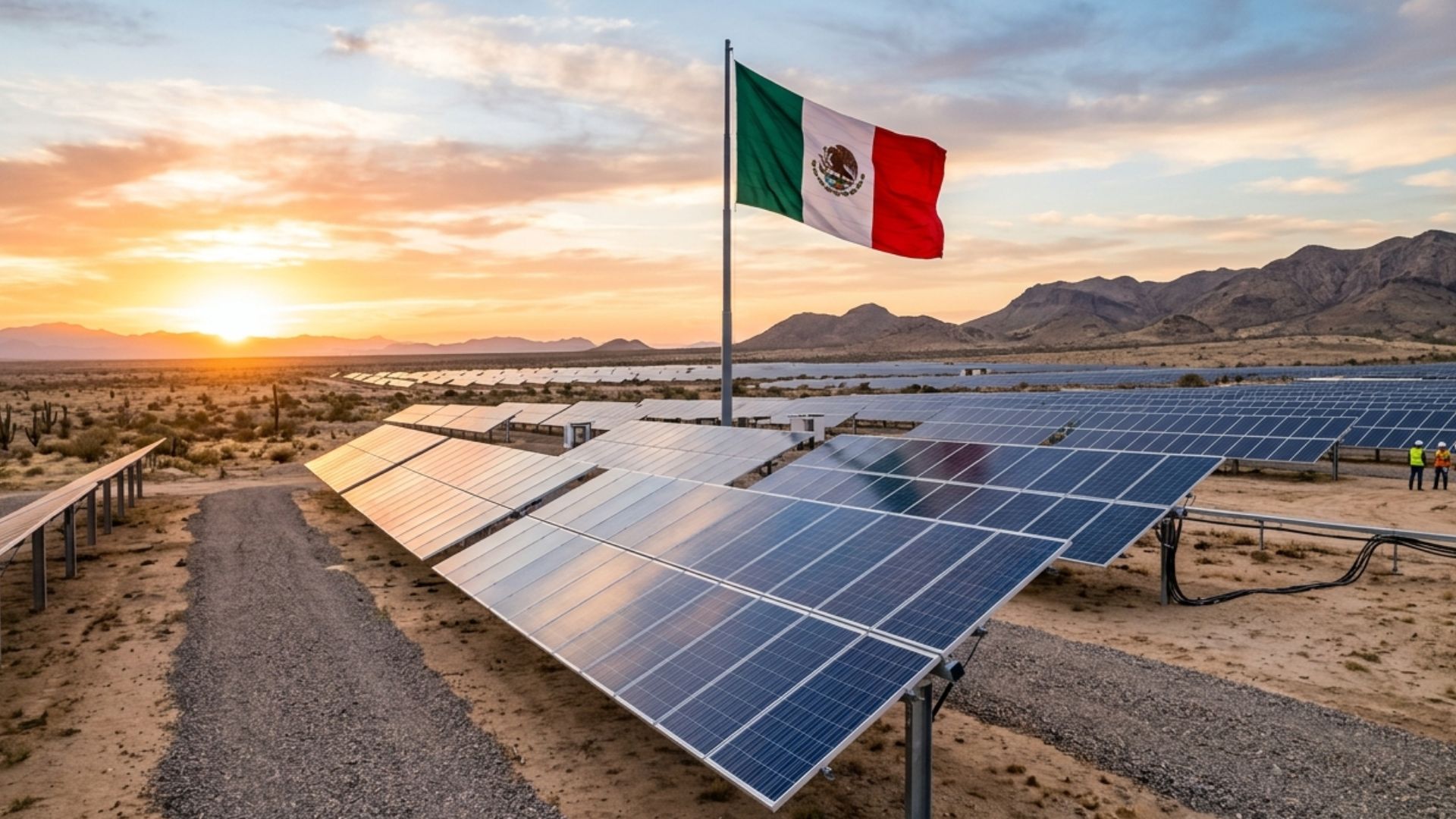
Mexico surprises the world by building the future largest solar plant in Latin America, advancing with planned expansion to over 1 GW, and boosting solar energy in the country.

Despite this, many consumers report being caught by surprise. The utility did not clarify why it only started applying the charges now, almost two years after the law went into effect. On the other hand, the State Department of Finance emphasized that “there was no increase in the tax burden on the electricity bill,” indicating that there was only an adjustment to existing legislation.
Understand The Reason For The Charge: Solar Energy Uses The Grid As A ‘Virtual Battery’
The change is directly related to the operation of the distributed solar energy system. When solar panels generate electricity, this energy does not directly and immediately supply the house. First, it is sent to the general power grid. From this grid, the residence is powered, and the consumer receives credits equivalent to what they produced — which offsets part or all of the monthly consumption.
Thus, the public grid functions as a “virtual battery,” a process that requires operational infrastructure from the distributor. This is why the law determines that consumers who installed their systems after January 7, 2023, pay gradually for Tusd. The charge started at 15% in 2023, rose to 45% in the current phase, and will continue to increase:
- 2026: 60%
- 2027: 75%
- 2028: 90%
- 2029: review by Aneel
Until the beginning of this phase, those who generated their own energy were completely exempt from this tariff. Now, the exemption remains only for those who installed systems before the cutoff date established by legislation.
ICMS Charge Returns To The Debate And Raises Questions Among Consumers
In the case of ICMS, the situation is similar. In Rio Grande do Norte, the tax does not apply to compensated energy — that is, the energy that the unit itself generated and used through credits. However, it is applied to any excess consumed from the grid. Additionally, since the distribution tariff began to be charged, it also generates ICMS incidence, as determined by state legislation.
In practice, this means that even with a discount on the tariff provided by the Energy Development Account (CDE), the tax does not receive reductions. Cosern summarized it as follows: “the discount is applied to the tariff but not to the tax charge.”
This difference generated great confusion, as many consumers believed they would continue to be exempt from ICMS after joining distributed generation.
Procon-RN Investigates Possible Abuse In Charges And Lack Of Communication From Cosern
The sudden impact led Procon-RN to initiate a preliminary investigation. The general coordinator, Ana Paula Araújo, stated that, although the agency has not yet received formal complaints, analyses are already underway. “We will notify Neoenergia and have a meeting scheduled for November 17,” she stated.
The investigation aims to clarify whether there was abusive increase and whether the utility violated transparency rules. The lack of prior notice is one of the main points raised by users, who claim to have been surprised by bills much higher than average.
Solar Sector Fears Legal Uncertainty And Demands Clarity In The Interpretation Of The Law
The changes also mobilized the Potiguar Association of Renewable Energies (Aper), which closely monitors the situation. For the entity, it is essential to ensure the legal certainty of consumers who invested in solar energy, especially small generators.
Aper states that it maintains continuous dialogue with Cosern, Procons, and other institutions to seek guidance and possible adjustments. “Efforts will not be lacking to also seek solutions with our legislators so that solar energy in RN is always growing and legally secure for those who generate their energy,” the association declared.
The legal director of Aper, Diego Mendonça, emphasized that the sector is trying to understand how the legislation is being interpreted and applied in the bills. According to him, “we know how much legal uncertainty hinders business,” which is why monitoring is being intensified.
Despite the discomfort caused by the new charge, experts affirm that the advancement of solar energy remains essential for the Brazilian energy matrix. However, the episode exposes the need for clearer, more predictable rules communicated with transparency. In a rapidly growing market, any unexpected change can create insecurity and discourage new investments — especially in states that have become references in the sector, such as Rio Grande do Norte.







O governo ia deixar o consumidor ter alguma vantagem? Ainda mais esse que ama aumentar e criar impostos sem que haja retorno à sociedade.
No Estado do Amapá temos 4 hidroelétricas e uma das energias mas caras do País.
Não temos nenhuma compensação.
Aí vc monta um sistema fotovoltaico caro e tem que pagar um absurdo.
Se as baterias tivessem um preço acessível .
Creio que 80% dos consumidores deixariam de usar as redes elétricas das empresas de energia
O pessoal achando injusto pagar para usar a rede da concessionária. Tem que pagar sim. Mas tbm não deveria ser tão cara. Se fizer as contas e valer a pena comprar baterias então é só partir pro abraço.