





 Portuguese
  English
  Spanish
  4 min of reading
  0 comments



Electricity Prices in Brazil Could Rise 7% in 2025, According to ANEEL. Changes in CDE, Sectoral Charges, and New Regulatory Rules Explain the Increase.
Electricity is expected to weigh more on the budgets of Brazilian families in 2025. According to a projection released by the National Electric Energy Agency (ANEEL), rates are expected to see an average increase of 7% next year.
The figure is included in the InfoTarifa bulletin from December and represents a significant revision of the previous estimate.
The projected percentage exceeds the expected inflation of 4.4%, calculated by the IPCA. Moreover, it contrasts with the deflation forecast of 0.5% from the IGP-M. Thus, the electricity bill tends to rise above the main price indicators in the economy.
-
Brazilians paid R$ 18 billion more for energy from the Itaipu plant, reflecting a direct impact on tariffs and generating discussions about costs, transparency, and balance in the national electricity sector.

-
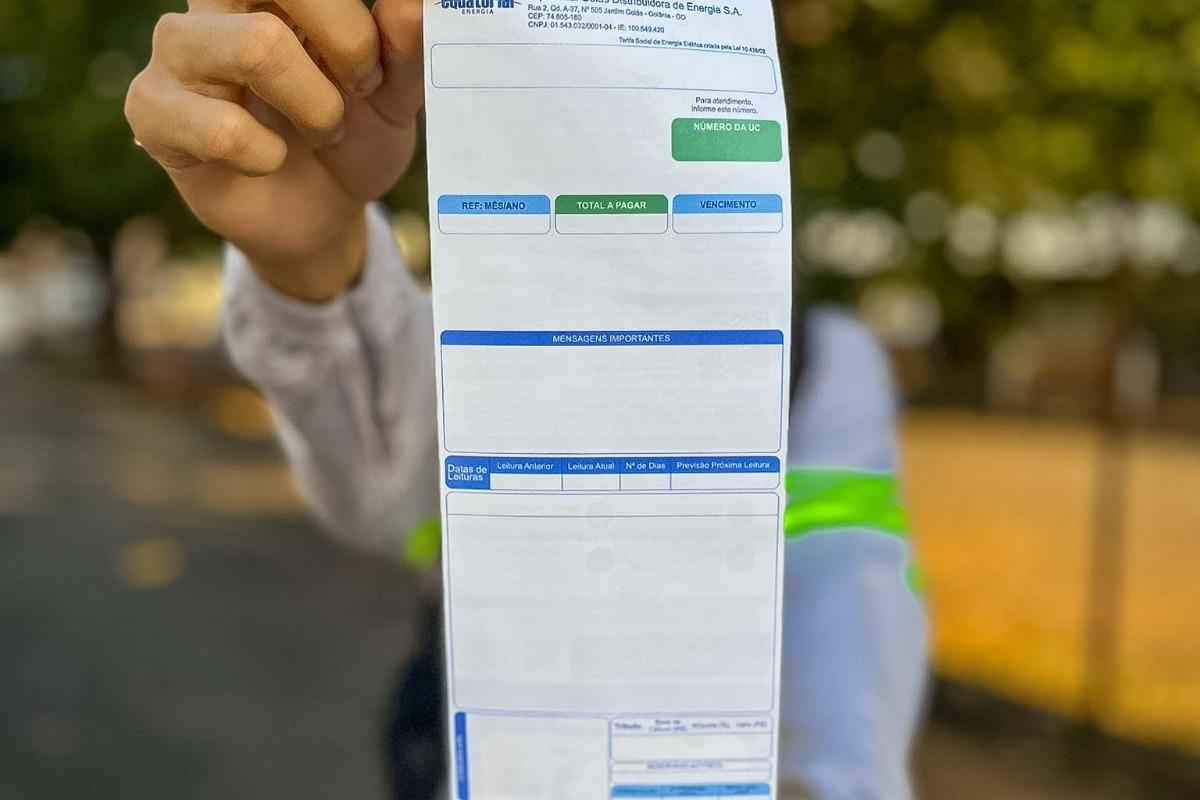
Equatorial adopts new national number for consumer units on electricity bills starting in April, following ANEEL standards and modernizing energy bills in several states.
-
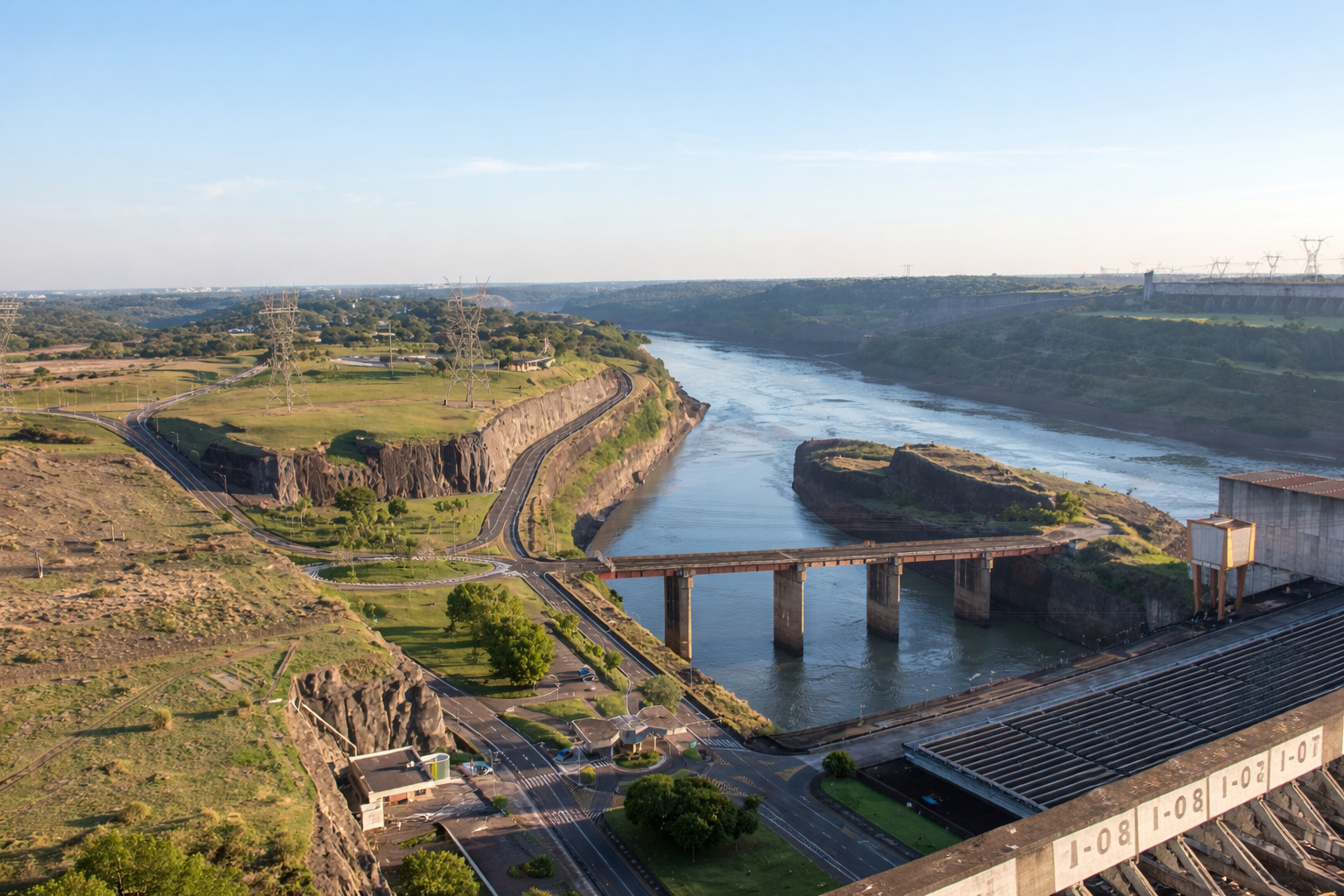
Itaipu Impresses the World: Hydroelectric Plant with 20 Turbines and 14,000 MW Generates Over 2.9 Billion MWh and Leads Global Clean Energy Production
-
Aneel Revokes CMAA Thermal Power Plants After Network Restrictions and Excess Energy in the System

CDE Review Pressures Electricity Costs
Initially, in March, ANEEL’s forecast indicated an average adjustment of 3.5%. However, this number nearly doubled after the review of the Energy Development Account (CDE) values. The update was completed following Public Consultation 38/2024.
The CDE aggregates subsidies and public policies in the electric sector. With the revision of its parameters, costs increased and began to pressure the final prices of electricity tariffs. As a result, consumers began to bear a larger share of these charges.
ANEEL’s report also draws attention to the scenario for the coming years. The preliminary budget for CDE in 2026 may reach R$ 52.7 billion. This amount represents an increase of about 7% compared to 2025.
According to the document, the increase is related to the expansion of public policies and the modernization of charge allocation rules. These changes affect consumers connected at low, medium, and high voltage, altering the way costs are distributed within the electricity system.
Factors That Influence Electricity Price Adjustments
In addition to sectoral charges, determining the adjustment of electricity prices takes into account a series of technical and economic variables. Among the main factors considered are:
- Purchase costs of electricity by distributors;
- Review of regulatory assets;
- Specific financial adjustments for each concession;
- Exchange rate variations, especially concerning Itaipu’s electricity;
- Periodic tariff review cycles.
In other words, the increase is not linked to a single element. On the contrary, it results from the combination of different pressures on the cost structure of the electric sector.
Northern Regions May See Relief in Electricity Prices
Although the national average indicates an increase, not all regions will experience higher rates. Consumers in Acre, Amapá, and Rondônia may see reductions of up to 11% in electricity tariffs.
This decrease is explained by a surplus of about R$ 550 million from the hydrological risk settlement mechanism, known as GSF. The amount will be directed toward tariff moderation for the distributors in these states, helping to alleviate the local electricity bill.
Tax Reform Alters Regional Balance of Tariffs
Another relevant point involves Law No. 15,269/2025, recently approved. The law modifies the allocation model of the CDE and expands the contribution from the free market. Previously, these charges were paid only by consumers in the regulated market.
With the change, the expectation is for a slight reduction in electricity tariffs in the South, Southeast, and Midwest regions. In contrast, the North and Northeast are expected to see moderate increases during the transition period to the new rules.
White Tariff May Become Mandatory for High Consumption
ANEEL has also proposed changes to the White Hourly Tariff. Low voltage consumers who consume more than 1,000 kWh per month may be automatically migrated to this model by the end of 2026.
The proposal aims to align electricity prices with the new profile of the Brazilian matrix. Currently, solar generation has a strong presence during the day, justifying different prices based on the time of consumption.
New Social Discount and Impact of Tariff Flags
The InfoTarifa bulletin also confirms the creation of a new social discount, effective from 2026. Families enrolled in CadÚnico, with income between half and one minimum wage, who do not qualify for the Social Tariff, will be exempt from the CDE charge on the first 120 kWh consumed. This measure could reduce the electricity bill by up to 15%.
Another highlight is the assessment of tariff flags. Since 2015, the mechanism has prevented around R$ 13 billion in interest. This occurred because the variable generation costs began to be passed on immediately, avoiding accumulation for subsequent adjustments.
Finally, Law No. 15,235/2025 redefined the allocation of costs for the Angra 1 and 2 nuclear plants. Starting in 2026, these costs will be distributed among all consumers of the National Interconnected System, except for beneficiaries of the Social Tariff. This change is expected to reduce electricity tariffs for captive consumers by approximately 0.6%.








-

-

2 pessoas reagiram a isso.