





 Portuguese
  English
  Spanish
  3 min of reading
  2 comments





Starlink’s Supremacy in Brazil Is Threatened! Chinese SpaceSail and Jeff Bezos’ Kuiper Project Arrive to Compete for Dominance in Satellite Internet.
Satellite internet has gained prominence in Brazil, especially in remote areas where terrestrial connectivity is limited.
Starlink, a company owned by Elon Musk, leads the national market but faces the arrival of heavyweight competitors such as Chinese SpaceSail and Amazon’s Kuiper Project, which promise to revolutionize the sector in the coming years.
Starlink: Leadership and Challenges in the Brazilian Market
Since its arrival in Brazil in January 2022, Starlink has established itself as the main provider of satellite internet in the country.
-
Roads made with recycled plastic, crushed tires, and construction waste are already being applied in several countries, reducing tons of waste in landfills and increasing the durability of the pavement by replacing traditional materials.

-
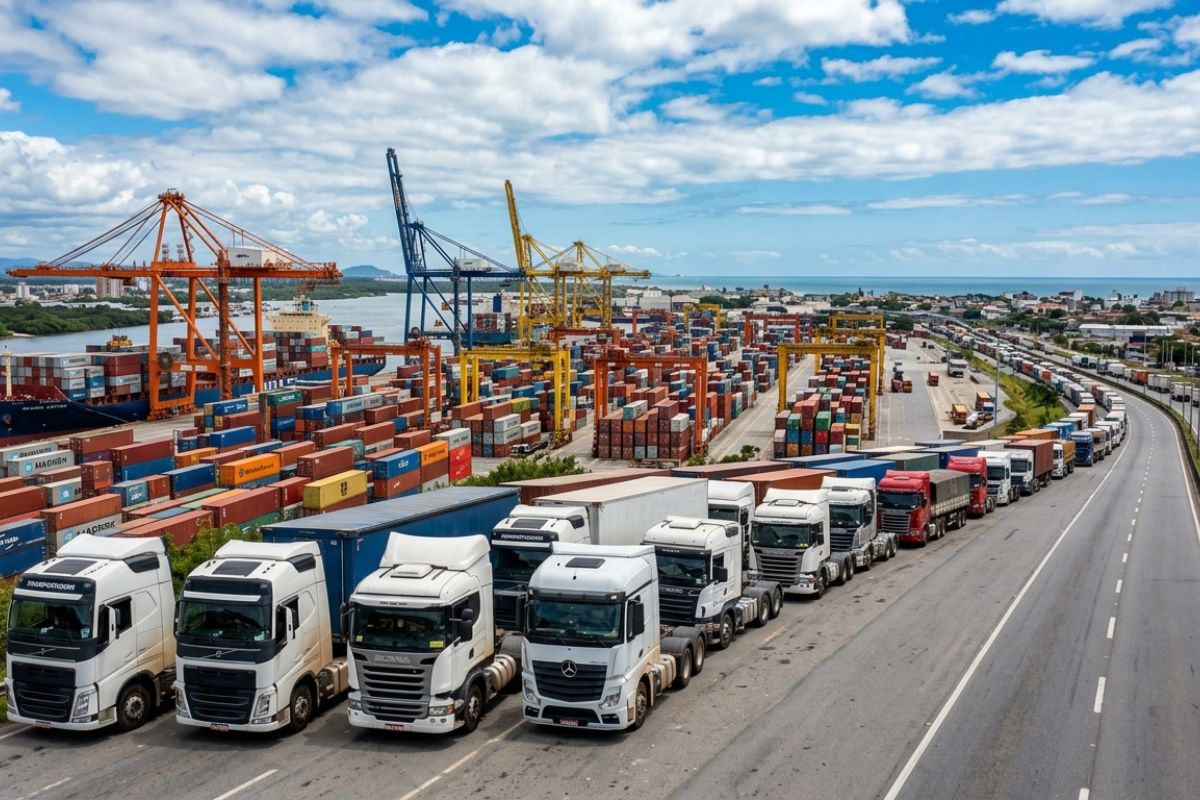
The lack of truck drivers in the country is already halting shipments and threatening deadlines: 88% of transport companies are unable to hire, with an average of eight trucks idle, and the port complex of Itajaí is now feeling the impact.
-
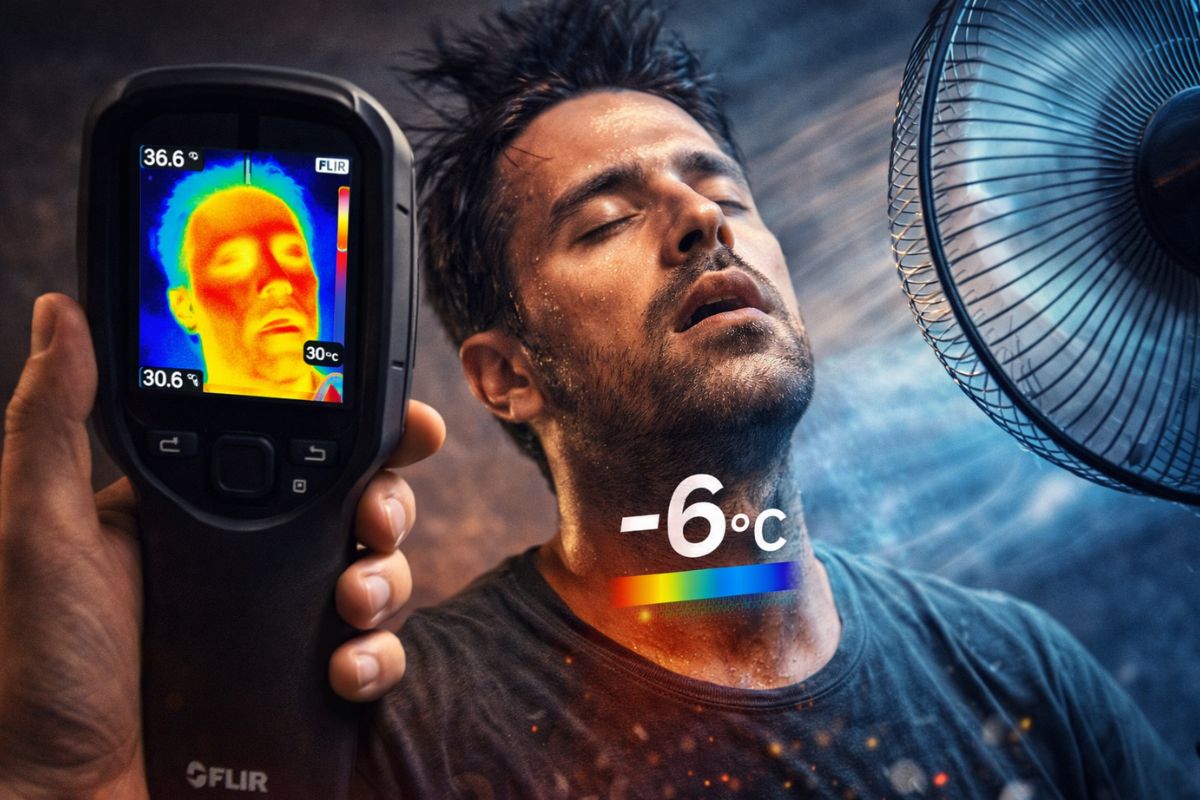
A scientist proved with a thermal camera that the fan does not cool the environment but reduces the temperature of your skin by up to 6 degrees thanks to a natural mechanism of the human body that almost no one understands how it really works.
-
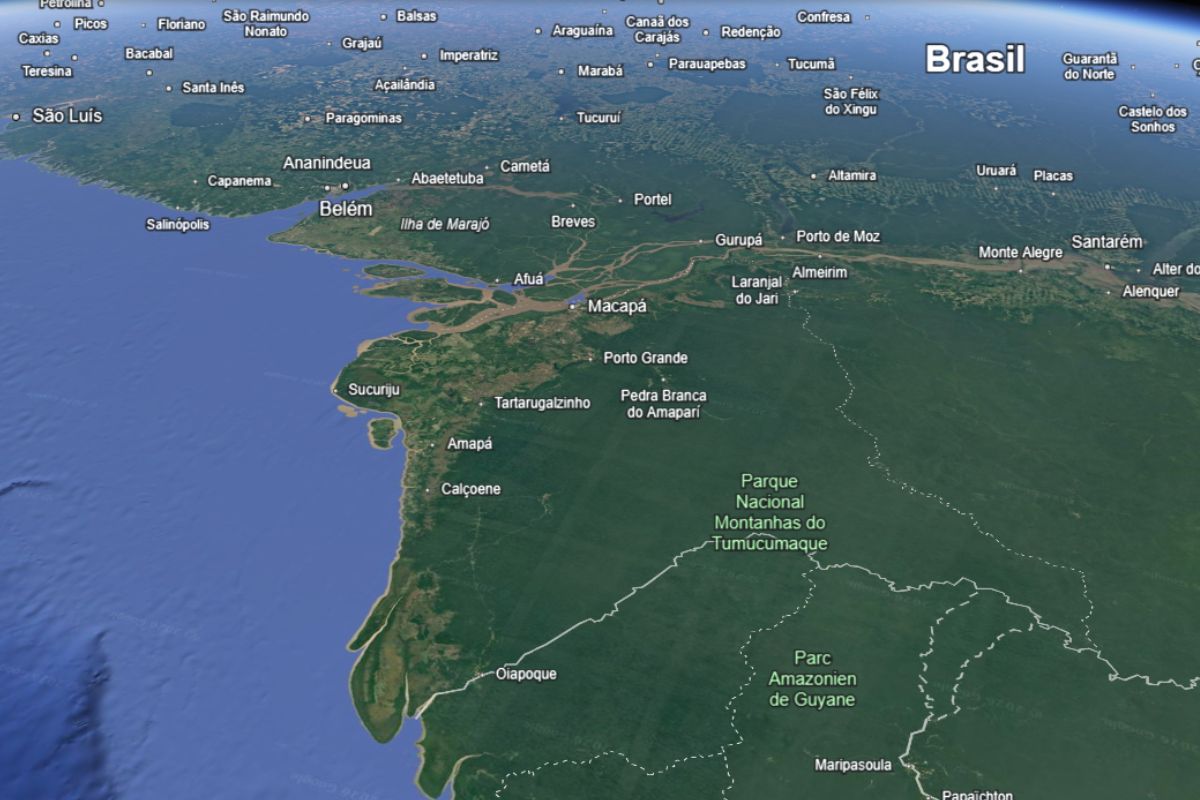
Petrobras is about to transform a forgotten city in the far north of Brazil into the capital of oil: Oiapoque is already feeling the effects even before the first drop of oil comes out from the seabed.

In May 2024, the company recorded 200,320 connections, representing 42.5% of the fixed satellite broadband market.
This significant growth reflects the company’s aggressive strategy to expand its services, especially in regions like the Amazon and the interior of the Northeast.
Starlink’s technology is based on low-orbit satellites, which provide lower latency and higher speeds compared to traditional geostationary satellites.
This approach has been crucial in serving isolated communities and sectors such as agriculture and defense.
However, the company has faced regulatory challenges in the country.
In September 2024, following the suspension of platform X (formerly Twitter) in Brazil, Starlink’s operations were put under scrutiny, raising concerns about the continuity of services in critical areas.
SpaceSail: The Chinese Investment in the Brazilian Market
SpaceSail, supported by the Chinese government, has emerged as a significant competitor in the global satellite internet landscape.
Headquartered in Shanghai, the company plans to launch up to 15,000 satellites by 2030, aiming to expand its international presence.
In November 2024, during an official visit to Shanghai, the Brazilian Minister of Communications expressed interest in SpaceSail’s technology, announcing plans for the company to establish itself in Brazil in the next two years.
Furthermore, the Brazilian government proposed the use of the Alcântara spaceport for SpaceSail satellite launches, reinforcing the strategic partnership between the two countries.
Kuiper Project: Amazon’s Bet on Global Connectivity
Another key player is the Kuiper Project, an initiative by Amazon led by Jeff Bezos.
The project aims to launch 3,236 satellites by 2029, with the goal of providing high-speed internet in underserved regions.
Although still in the early stages, Amazon has already obtained approvals for launches in the United States and is in negotiations with the Brazilian government to expand its services in the country.
Amazon’s entry into this market intensifies competition and broadens options for Brazilian consumers.
Impact of Competition in the Brazilian Market
The arrival of new competitors promises to transform the satellite internet market in Brazil.
Competition is likely to stimulate innovation, improve service quality, and reduce prices for consumers.
Additionally, expanding satellite infrastructure may accelerate digital inclusion in rural and remote areas, contributing to the socioeconomic development of these regions.
Challenges and Future Perspectives
Despite the opportunities, the expansion of satellite internet faces significant challenges.
Regulatory issues, environmental concerns related to the increasing number of satellites in orbit, and the need for robust investments in infrastructure are obstacles to overcome.
However, with the entry of companies like SpaceSail and Amazon, the future of connectivity in Brazil appears promising, signaling a new era of digital inclusion and technological development.
In summary, Starlink’s leadership in the Brazilian satellite internet market is being challenged by new entrants seeking to capitalize on the growing demand for quality connectivity.
Intense competition benefits consumers and drives technological advancement, paving the way for a more connected and digitally inclusive future in Brazil.





Desse jeito quero ver eles intimidar os Satélites ,que agora serão 03 Empresas com internet via satélite no Brasil.
só assim msm pra milicia e o trafico pararem de cortar a internet da populacao obrigando a assinar a deles, os **** vao fazer o q agora? derrubar os satelites?