





 Portuguese
  English
  Spanish
 3 min of reading
  0 comments


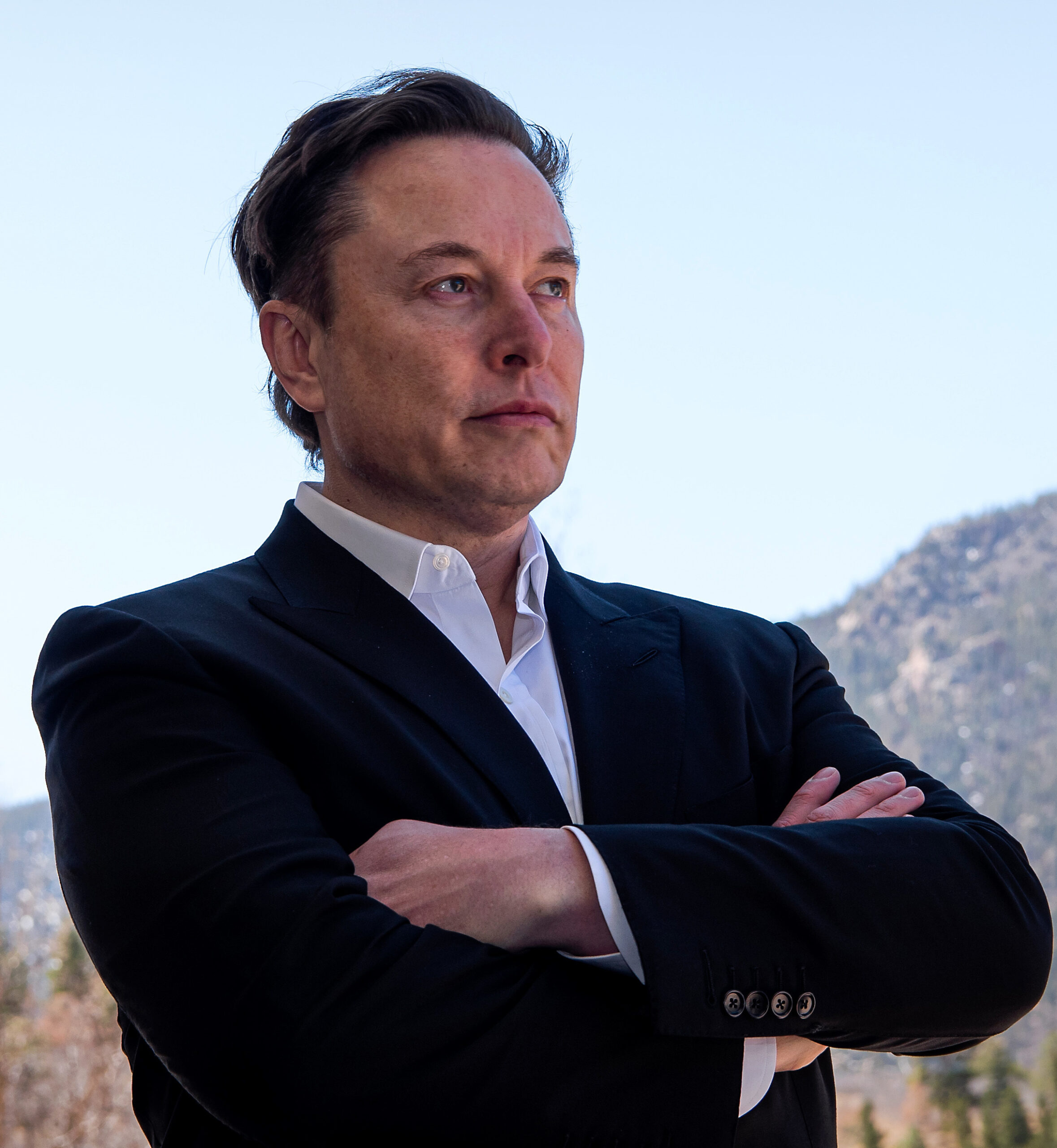
If You Thought Elon Musk’s Interest In Brazil Was Only Related To The Beauty Of The Minas Gerais Mountains, You Were Dead Wrong! The Billionaire Owner Of Tesla And SpaceX Is Eyeing A Different Type Of Mineral Wealth, One That Moves The World: Lithium, Nicknamed “White Gold” Of The Electric Age.
Yes, that’s right. Musk bought a piece of land in the Jequitinhonha Valley, in Minas Gerais, one of the richest regions for this strategic metal, and it was no coincidence. The lithium is simply the heart of the batteries that power electric cars, cell phones, laptops, and even solar and wind energy systems.
Why So Much Interest In Lithium?
If there’s one thing that is accelerating faster than a Tesla Plaid, it’s the global demand for lithium. This lightweight, highly efficient, and rechargeable metal is essential for the manufacture of batteries that power electric cars, smartphones, and the entire clean energy revolution.
According to the International Energy Agency (IEA), the demand for lithium is expected to grow by up to 40 times by 2040, driven by the global race to decarbonize the economy.
-
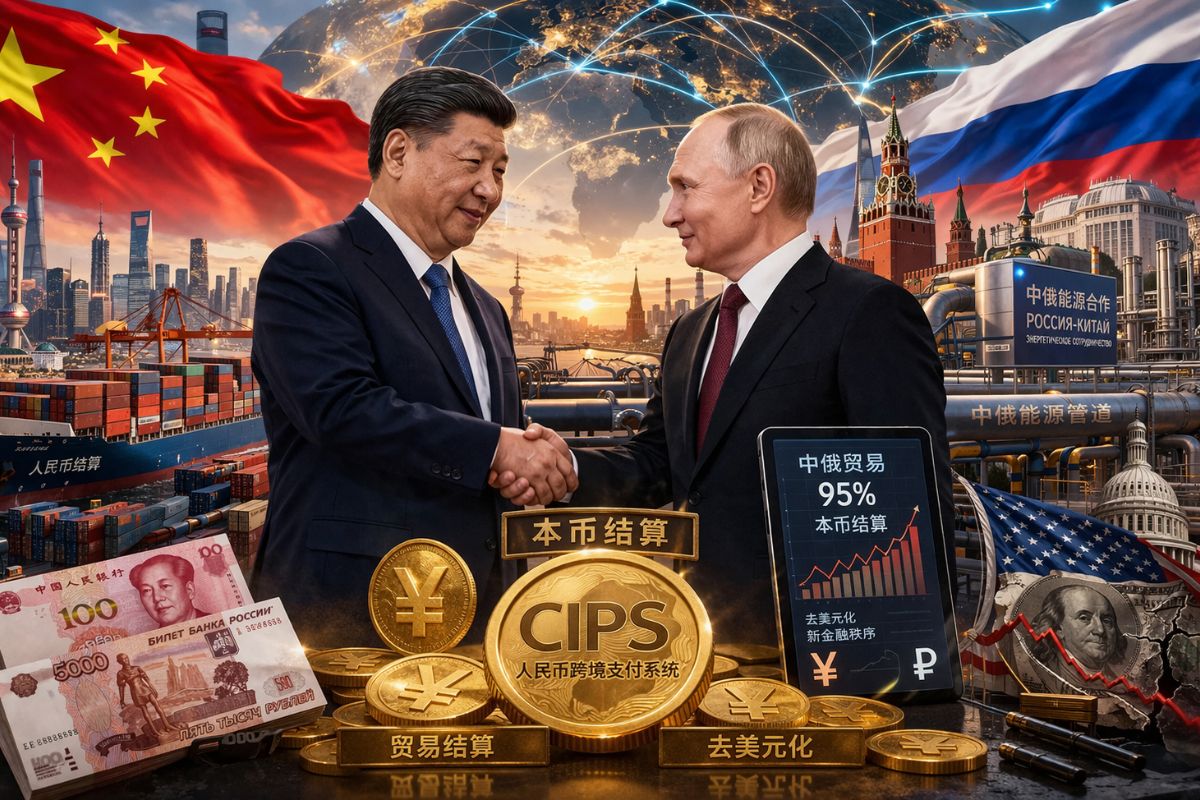
Russia reveals that it is already conducting 95% of all its business with China without using a single dollar; dedollarization has ceased to be a promise and has become a reality in record time, and the West watches helplessly.
-
While Brazilians work more than 44 hours a week, Norwegians leave the office at 3 PM and are now testing a four-day workweek with full pay and no loss of productivity.

-
A legend of Brazilian TV is 75 years old, returned to narrate the World Cup for SBT, and still finds time to manage a farm of over 100 hectares in Rio Grande do Sul where she produces award-winning wines, olive oil, and raises cattle.

-
Family buys mansion destroyed by fire for $1.5 million, faces over 500 days of construction, transforms loss into high-end property, and leaves neighbors in awe.


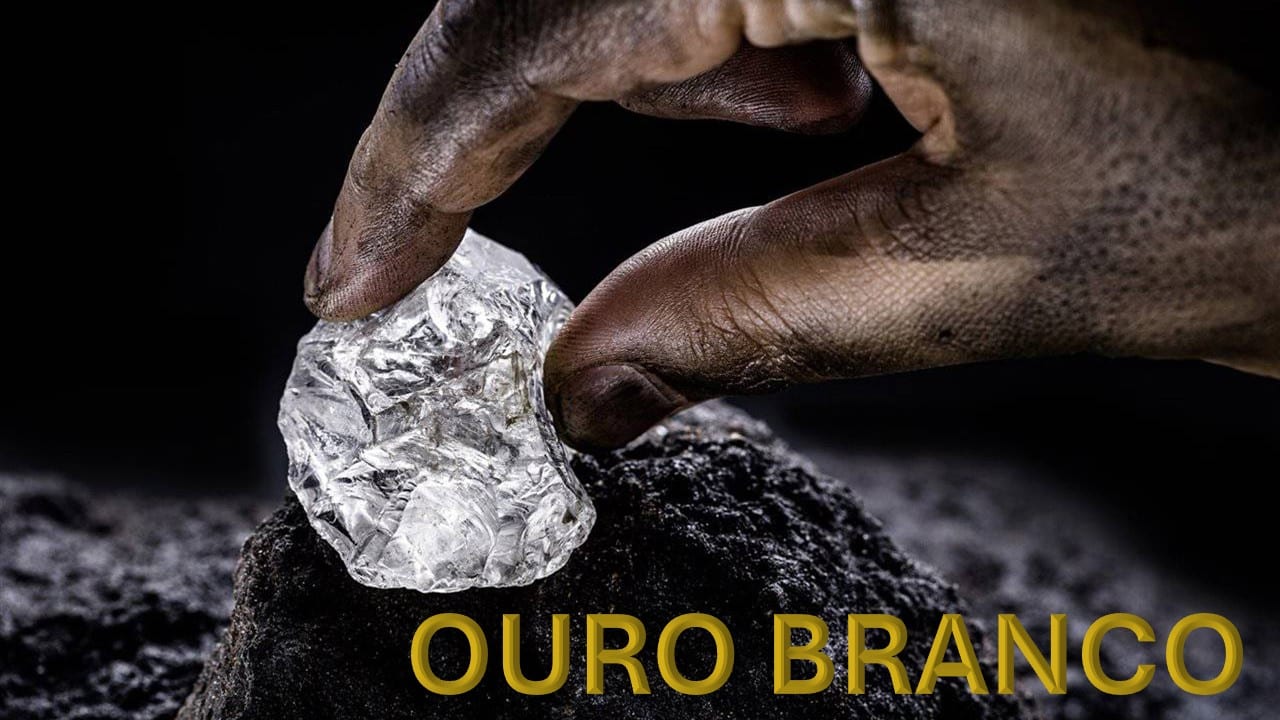
Minas Gerais In The Center Of The World Map
The whole world is looking at Minas Gerais, more specifically at the Jequitinhonha Valley, where one of the largest lithium deposits on the planet is located. The city of Araçuaí has become a strategic point for technology and energy giants.
And it’s not just Tesla, either. Companies from Europe, the USA, and Asia are also landing here, all keeping an eye on the mineral potential that can supply the global electric car industry.
Brazil, which is already the fifth largest lithium producer in the world, has everything to climb this ranking and become one of the protagonists of the new green economy.
What Does Musk’s Arrival In Brazil Mean?
It’s not just another land purchase. It’s a move that could reposition Brazil in the global economy, inserting the country into the supply chain of electric vehicles, clean energy, and sustainable technology.
Musk wants to reduce dependence on markets like China and Australia, and Brazil emerges as a strategic alternative, with the advantage of being closer to American and European markets — and having enormous growth potential.
But What Does Brazil Gain From This?
On one hand, this influx of international investors can generate: more jobs; more investment in infrastructure; technology transfer; strengthening of the local economy.
On the other hand, it raises an alarm: How can we ensure that this exploration brings real benefits to the country without causing irreversible environmental or social impacts?
Musk’s arrival reignites important debates about governance, environmental preservation, and sustainable development, especially in regions that have historically been neglected, like the Jequitinhonha Valley.
The Future Is Already Passing Through Minas Gerais
Brazil literally has, in its hands (or rather, beneath the earth), one of the keys to the future of mobility and energy. And Elon Musk has already realized this. And you, had you stopped to think about this?






-

-

-

-

-

-

115 pessoas reagiram a isso.