





 Portuguese
  English
  Spanish
  4 min of reading
  0 comments


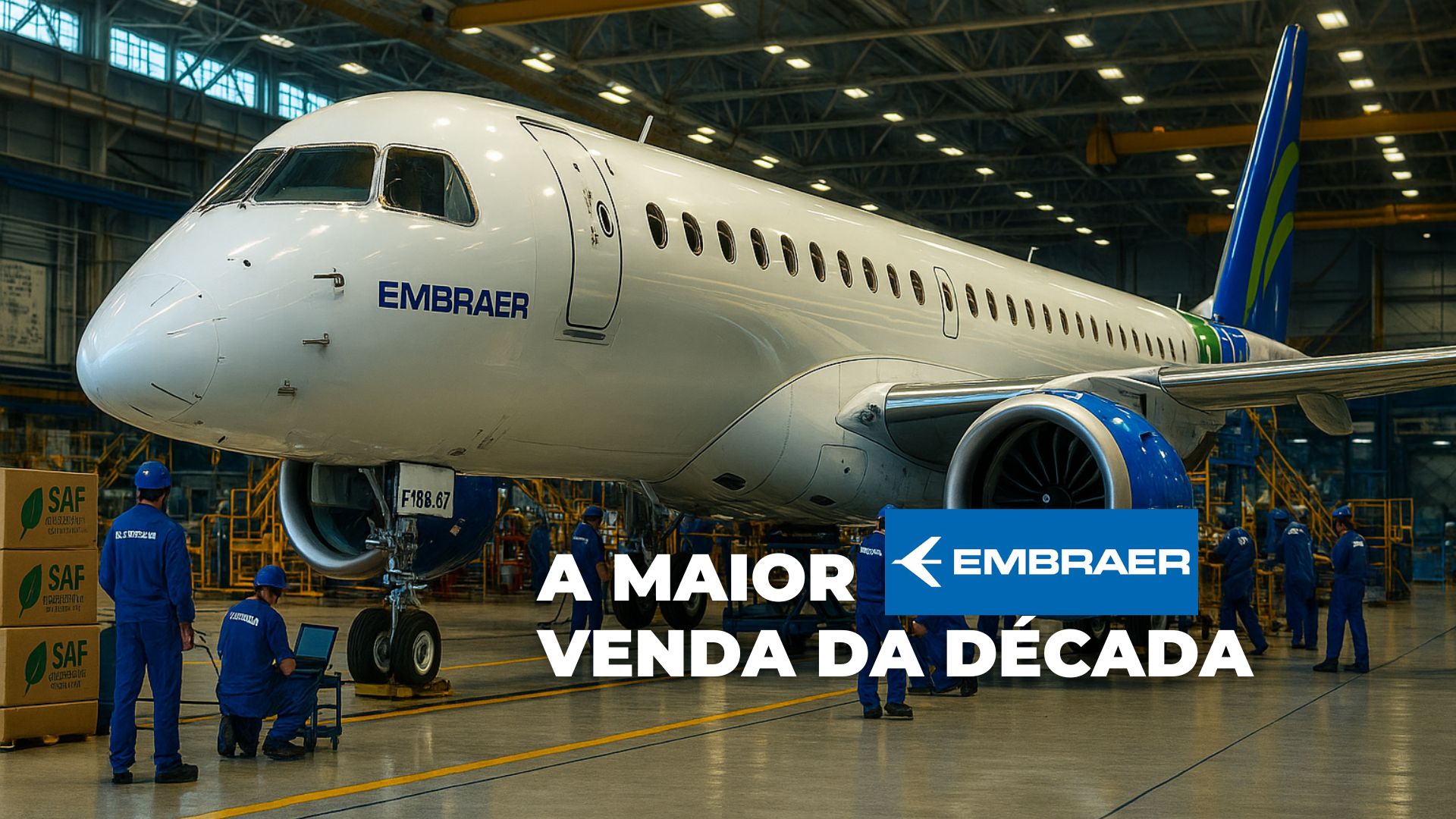
Billion-Dollar Sale Elevates Embraer to the Center of Attention in the Global Aviation Sector and Accelerates the Use of Sustainable Fuels in Commercial Aviation.
Embraer, a global leader in commercial aircraft manufacturing, has announced the signing of the largest contract in its recent history, involving the sale of 45 next-generation E195-E2 jets to Scandinavian Airlines (SAS).
According to reports, the deal, valued at around R$ 21.8 billion, also includes the option to purchase another 10 aircraft of the same model, solidifying it as the largest sale of the decade for the Brazilian manufacturer.
The official announcement was made earlier this month, highlighting the advancement of Embraer in the international market even amid geopolitical and economic challenges impacting the global aviation sector.
-
A new law being voted on in Brazil proposes a minimum fare of R$ 10 per trip and R$ 2.50 per kilometer for Uber and 99 drivers, and promises to ensure they earn as well as taxi drivers did during the golden age of taxis in the country.

-
Bauer Group collapses after failed judicial recovery: 25 years, 800 vehicles, and a network of gas stations leave a debt of R$ 50 million and 100 layoffs, exposing costs, tight margins, and expensive credit in Brazil.
-
Premium Brazilian brand born during the pandemic brings fine cocoa from Bahia to Switzerland, Germany, and France, has won 9 awards, and claims to have the 2nd best milk chocolate in the world: meet Luz Cacau.

-
Júnior Friboi has just purchased one of the largest feedlots in all of Brazil, located in Goiás, with the capacity to produce 180,000 cattle per year, and the manager has already come forward to reassure employees about layoffs.


The operation represents the largest order made by a single airline to Embraer since 1996, according to statements from Scandinavian Airlines.
In addition, it marks a key step in the European company’s fleet renewal strategy, which aims to improve operational efficiency, reduce carbon emissions, and strengthen global connectivity through its hub in Copenhagen, the capital of Denmark.
The Vice President and Minister of Development, Industry, Commerce, and Services (MDIC), Geraldo Alckmin, emphasized the importance of the agreement for Brazil in a post on social media, stating that “even in the face of challenges for international trade, Embraer continues to open markets, generating jobs and income.”
Embarger’s international advancement is deemed strategic for the development of the national industry and for the country’s insertion into global value chains in the aviation segment.
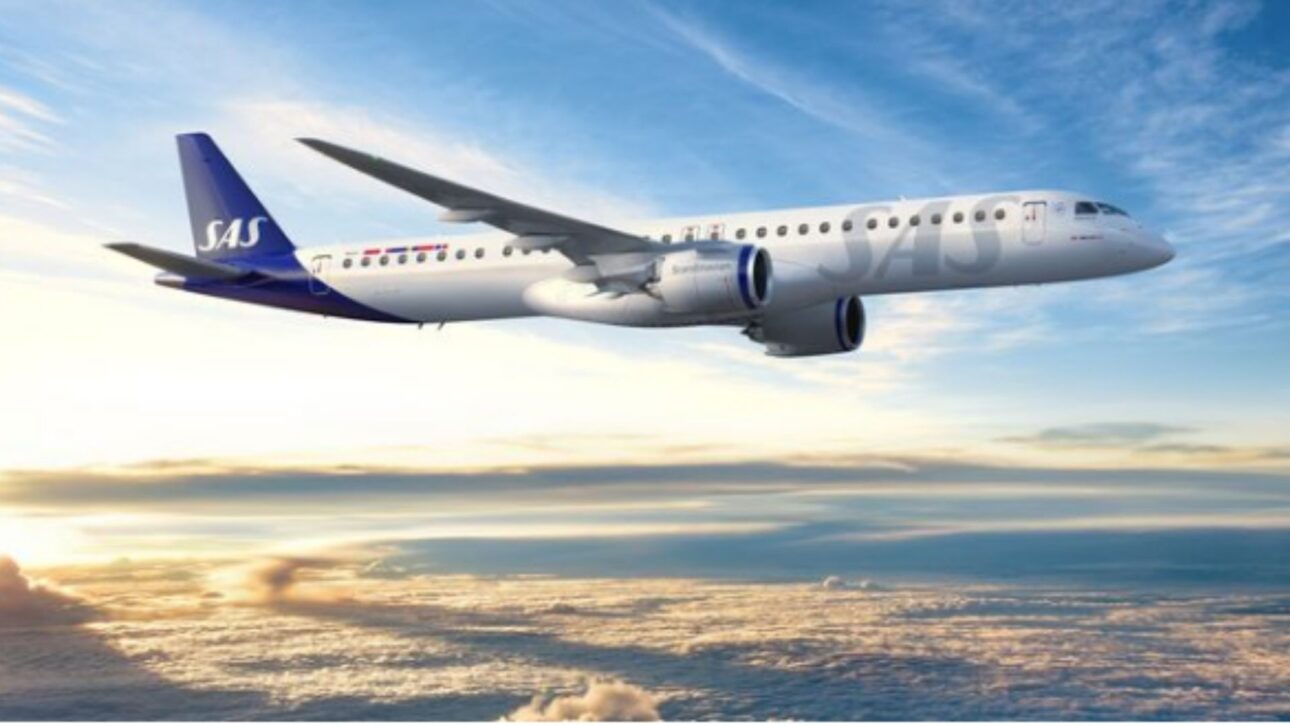
Embraer E195-E2 and Sustainability
The choice of Scandinavian Airlines for the E195-E2 reinforces the positioning of the Brazilian jet as a reference in innovation, efficiency, and sustainability.
The E195-E2 model is part of the E2 family of aircraft, designed to operate with 100% sustainable aviation fuel (SAF) and is already certified to fly with mixtures of up to 50% of this type of fuel.
SAF is considered a key component for global aviation in reducing carbon footprints, as its production utilizes renewable raw materials, such as agricultural waste and vegetable oils.
According to data from Embraer itself, the E195-E2 shows a reduction of up to 25% in fuel consumption compared to the previous generation, as well as lower rates of pollutant emissions and noise.
These factors meet both the growing European regulatory pressure and the demand from passengers and the market for cleaner and more environmentally responsible air travel.
Deliveries of New Jets and Global Impact
The delivery of the first E195-E2 aircraft to SAS is scheduled for the end of 2027.
The delivery schedule is expected to span approximately four years, allowing Scandinavian Airlines to gradually modernize its fleet and expand its regional and international flight offerings, especially from the Copenhagen hub.
According to the agreement, the aircraft will be configured to meet the comfort and operational efficiency standards required by the European company, which has been investing in innovative solutions for air transportation on the continent.
The President and CEO of Embraer Commercial Aviation, Arjan Meijer, emphasized in an official statement that “the E195-E2 is an innovative aircraft in terms of efficiency, performance, and passenger comfort.”
According to Meijer, the expectation is that these new planes will play a central role in the SAS fleet renewal and expansion strategy, supporting its sustainable growth plans and enhancing its operational capabilities.

Impact on the Brazilian Industry and Job Creation
The contract with SAS strengthens Embraer’s presence in one of the world’s most demanding markets and enhances the Brazilian manufacturer’s international portfolio.
The commercial aviation segment represents about 50% of Embraer’s total revenues, which maintains factories and technological development centers in several countries but concentrates most of its production in Brazil.
According to a survey by the Brazilian Institute of Geography and Statistics (IBGE), the aerospace industry ranks among the sectors that generate the most qualified jobs and high value-added exports in the country.
Advancements in international contracts of this magnitude tend to boost the national supply chain, fostering technological innovation and contributing to the Brazilian trade balance.
E195-E2: Reference in Efficiency and Innovation
The search for alternatives to reduce greenhouse gas emissions has led the aerospace industry to invest heavily in sustainable fuels and new technologies.
The E195-E2, with a capacity of up to 146 passengers, operates according to strict energy efficiency standards and features lower operational costs than competitors in the same category.
Additionally, the aircraft is equipped with state-of-the-art engines, redesigned wings for better aerodynamics, and advanced digital control systems, ensuring not only reduced fuel consumption but also increased comfort and safety during the flight.
The emphasis on the use of SAF in the E195-E2 positions Embraer as a global leader in the energy transition of the aviation sector.








-

-

-

-

5 pessoas reagiram a isso.