





 Portuguese
  English
  Spanish
  5 min of reading
  0 comments


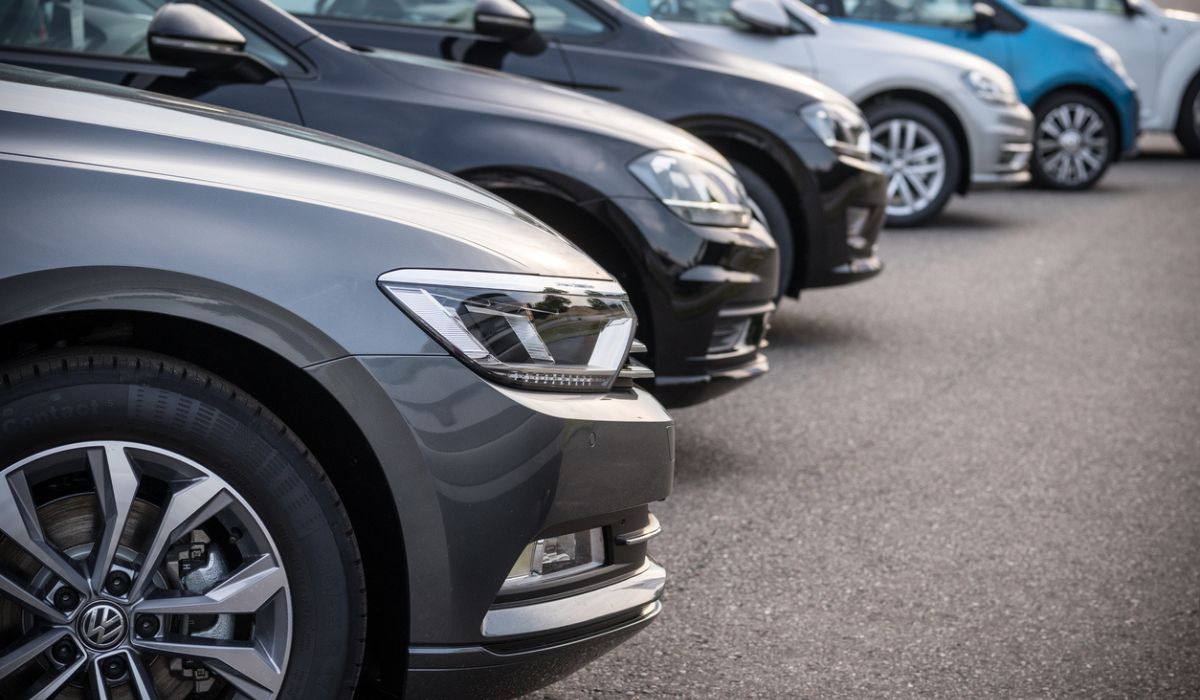
Traditional Models May Lose Space With New Rules, Industrial Strategies, And The Growing Preference For SUVs And Pickups In The Brazilian Market, According To Information Already Released By Manufacturers And Sector Research Throughout 2025.
The Brazilian automotive market is set to undergo yet another round of significant changes starting in 2026, with the departure of traditional models and the restructuring of established lines.
This movement is associated with well-known factors in the sector, such as stricter environmental regulations, new safety requirements, and a shift in the consumption profile, which is currently concentrated on SUVs and pickups.
In this context, automakers have been revising industrial and commercial strategies.
-
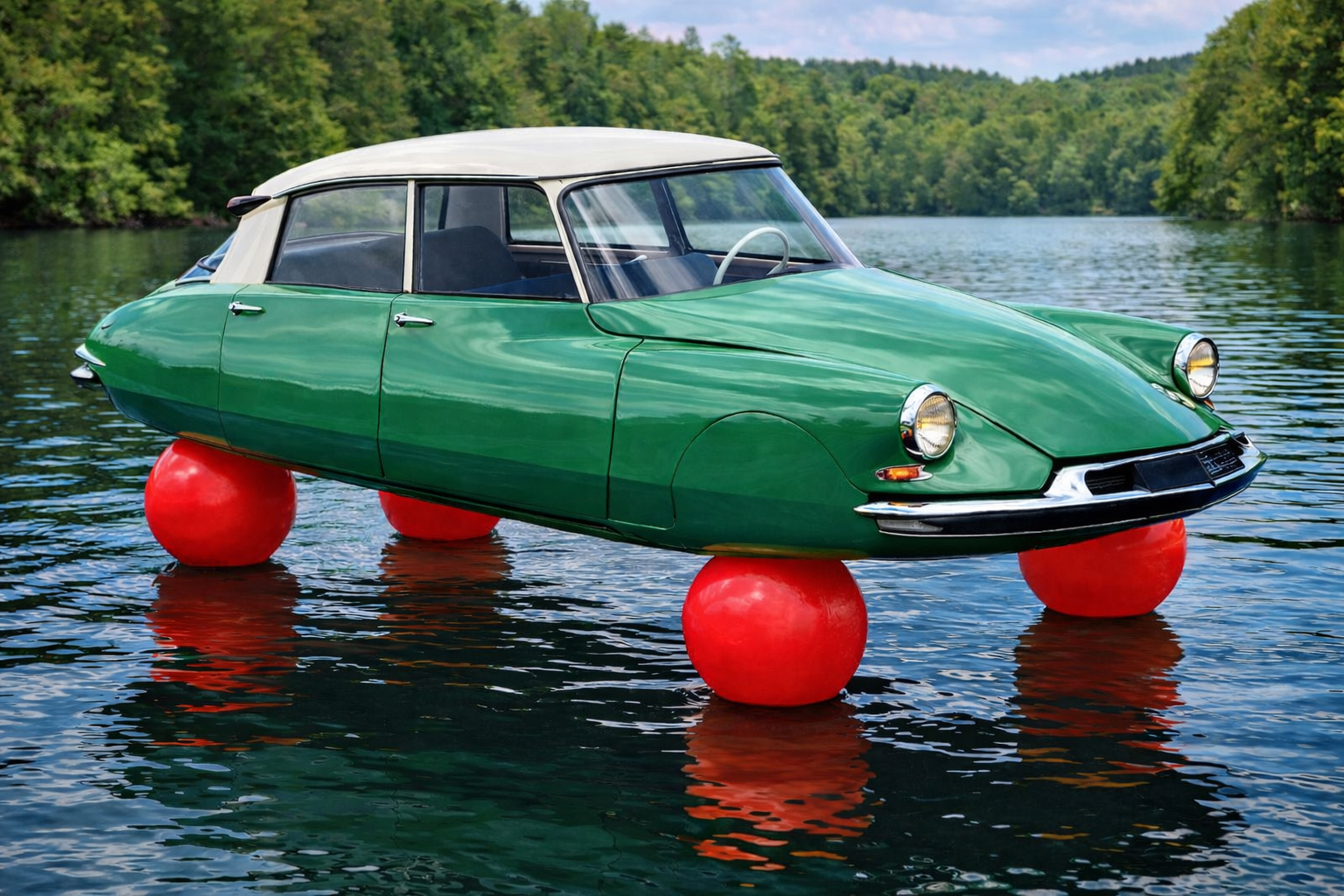
A French brand placed a car on four huge red balloons to prove that its suspension made the vehicle “float,” and the surreal scene became one of the most iconic and unusual images in automotive history.
-
Jeep Avenger begins production in Brazil, debuting as the brand’s new entry-level SUV and inaugurating an unprecedented phase by becoming the first national Jeep manufactured outside of Goiana, as part of a R$ 3 billion plan.
-
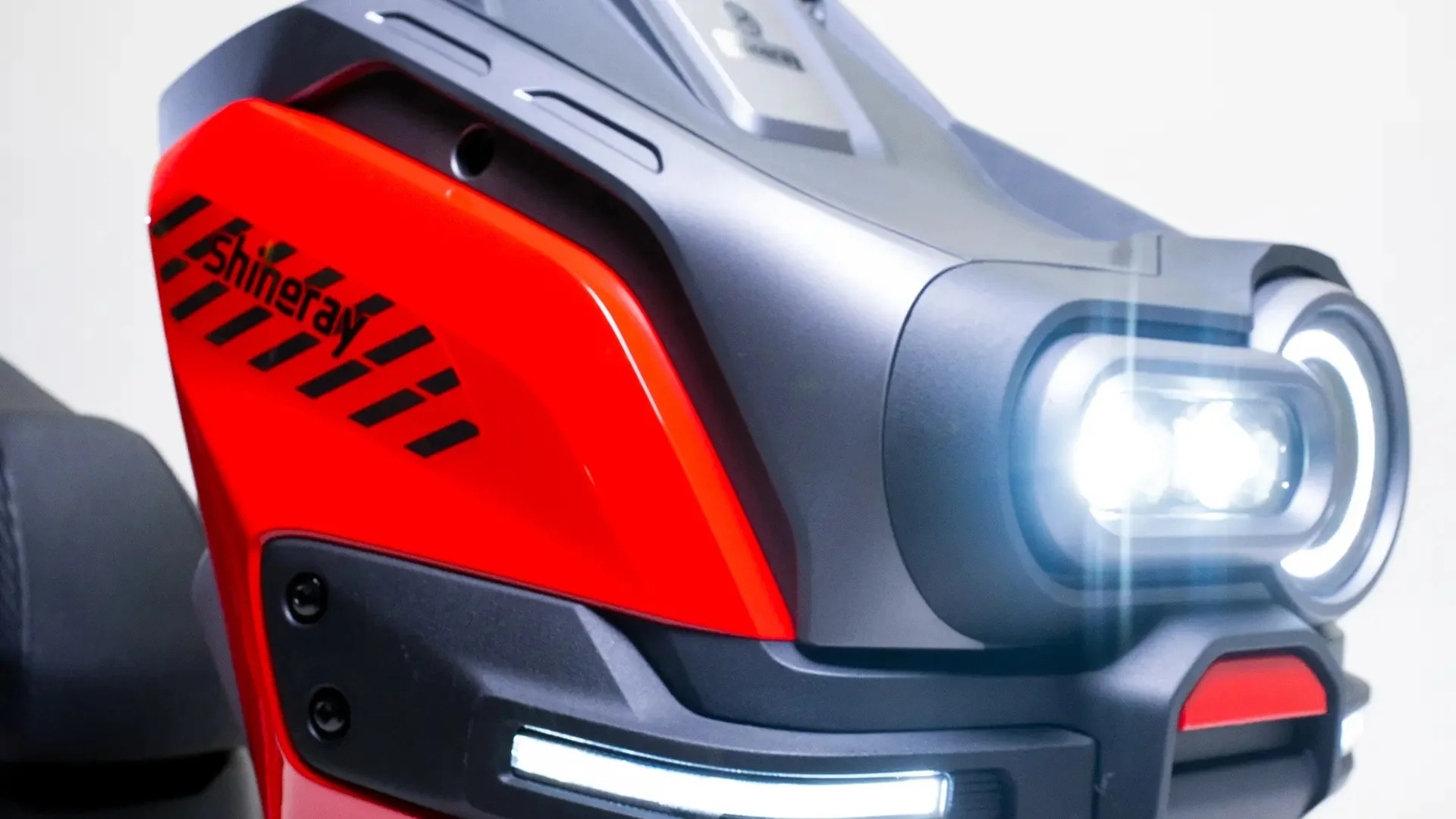
Costing R$ 12,490, the new Shineray Urban Lite 150 “cheap one” arrives in Brazil with a CVT transmission, digital dashboard, and LED lights, making it more affordable than the Biz and targeting those who want to abandon the bus.
-
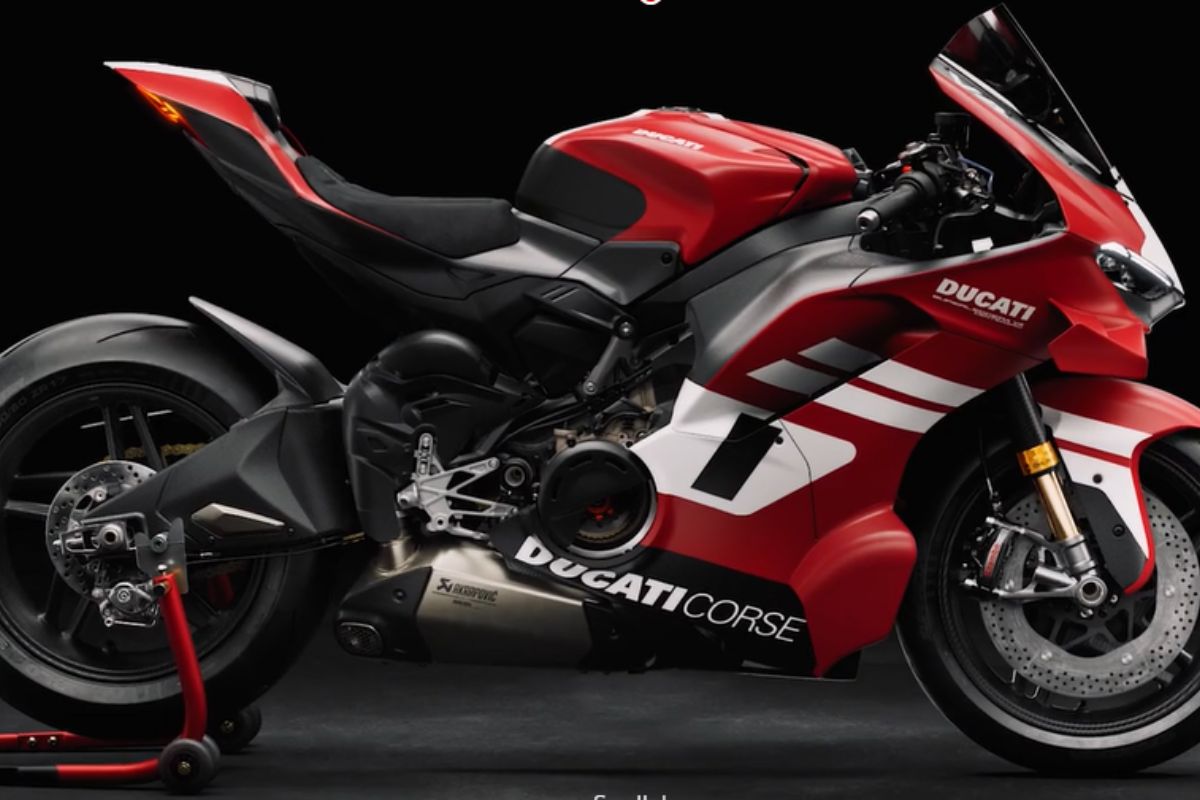
Ducati brings to Brazil the Superleggera V4 Centenario: 228 hp that become 247 with a track kit, carbon fiber and carbon-ceramic brakes, estimated price between R$ 1.5 and 2 million, deliveries only in 2027.

In some cases, the decision involves the definitive end of a model.
In others, it involves replacing them with larger, more expensive vehicles or those with a different intended use.
Below are the main cars that, according to information published by the portal Garagem360 and sector research, are likely to cease production or sale in Brazil by 2026.
Volkswagen Saveiro And The Future Of Compact Pickups

The Volkswagen Saveiro appears among the models most likely to end its cycle in Brazil in the coming years.
Produced for more than four decades, the compact pickup has lost ground in a market that has begun to prioritize larger models with higher profit margins.
In interviews conducted throughout 2025, executives from Volkswagen Brazil stated that the brand is preparing a new offensive in the pickup segment.
The president of the Brazilian operation, Ciro Possobom, declared that the company is working on a broad strategy for this type of vehicle, without directly confirming the continuity of the Saveiro.
Specialized reports indicate that Volkswagen is developing a new pickup, larger than the current Saveiro and positioned in an intermediate segment.
The project is referred to by different provisional names and has not yet had confirmed technical specifications.
There has also been no public announcement regarding the exact date of the end of Saveiro production, although 2026 is pointed out as a likely horizon for this transition.
New Fiat Argo And The Generation Change Of The Hatch

In the case of the Fiat Argo, the expected change does not involve an immediate end to the name, but a complete replacement of the current product.
Information published in early 2025 indicates that Fiat intends to launch in Brazil a hatch based on the European Grande Panda, produced locally.
Statements attributed to the global CEO of Fiat, Olivier François, indicate that the brand chose to keep the Argo name in the Brazilian market due to the model’s commercial recognition.
The decision is part of a regional strategy, according to the executive, and does not change the fact that the car will be completely different from the current one.
According to sector research, the new Argo will have a sturdier design and greater integration of connectivity and driver assistance technologies.
There is still no official confirmation regarding versions, engines, or a detailed launch calendar.
Even so, the expectation is that the current model will gradually lose ground until the arrival of the new generation.
Hyundai HB20S And The Retraction Of Compact Sedans

Among compact sedans, the HB20S is frequently mentioned in analyses regarding portfolio reduction.
Market data shows a consistent decline in this type of car’s share, while compact SUVs continue to grow.
Industry sources indicate that Hyundai is exploring alternatives to replace the HB20S with a model more closely resembling a crossover.
So far, however, the automaker has not officially confirmed the end of the sedan’s production nor announced which vehicle might fill that space.
At the same time, Hyundai has already confirmed investments in SUVs and electrification in Brazil.
The new generation of the hybrid Kona, for example, has been announced as part of the brand’s plans for the country.
This movement reinforces the prioritization of models with higher added value.
Nissan Kicks Play And The Arrival Of The New Kicks

Nissan has already begun the separation between two phases of the Kicks in the Brazilian market.
The previous generation is now sold as Kicks Play.
Meanwhile, the new Kicks has been presented as a more sophisticated product at a higher price point.
Information released by Nissan itself confirms that the new Kicks will have a 1.0 turbo engine, dual-clutch transmission, and an expanded list of features.
Among them are driver assistance systems and panoramic sunroof in the most complete versions.
According to reports published at the end of 2025, the simultaneous maintenance of the two generations is expected to be temporary.
With the increase in sales of the new Kicks, production of the Kicks Play in Resende, Rio de Janeiro, is expected to end.
However, the automaker has not yet released an official timeline for the end of that version.
Renault Logan And The End Of Production In Brazil

Differently from the other cases, the Renault Logan does not depend on projections for 2026.
The production of the compact sedan was halted in Brazil in 2024, according to a statement from the automaker and reports from the automotive sector.
Since then, Renault has been focusing its strategy on SUVs and new projects with higher financial returns.
The Kardian has become the brand’s primary entry model.
Additionally, other plans involve vehicles in higher categories.
In the international market, the Logan has received recent updates.
Still, Renault has already stated that it does not intend to bring this new generation to Brazil.
The decision is in line with the company’s global strategy, which prioritizes markets and segments considered more profitable.









-

-

-

6 pessoas reagiram a isso.