





 Portuguese
  English
  Spanish
 5 min of reading
  0 comments


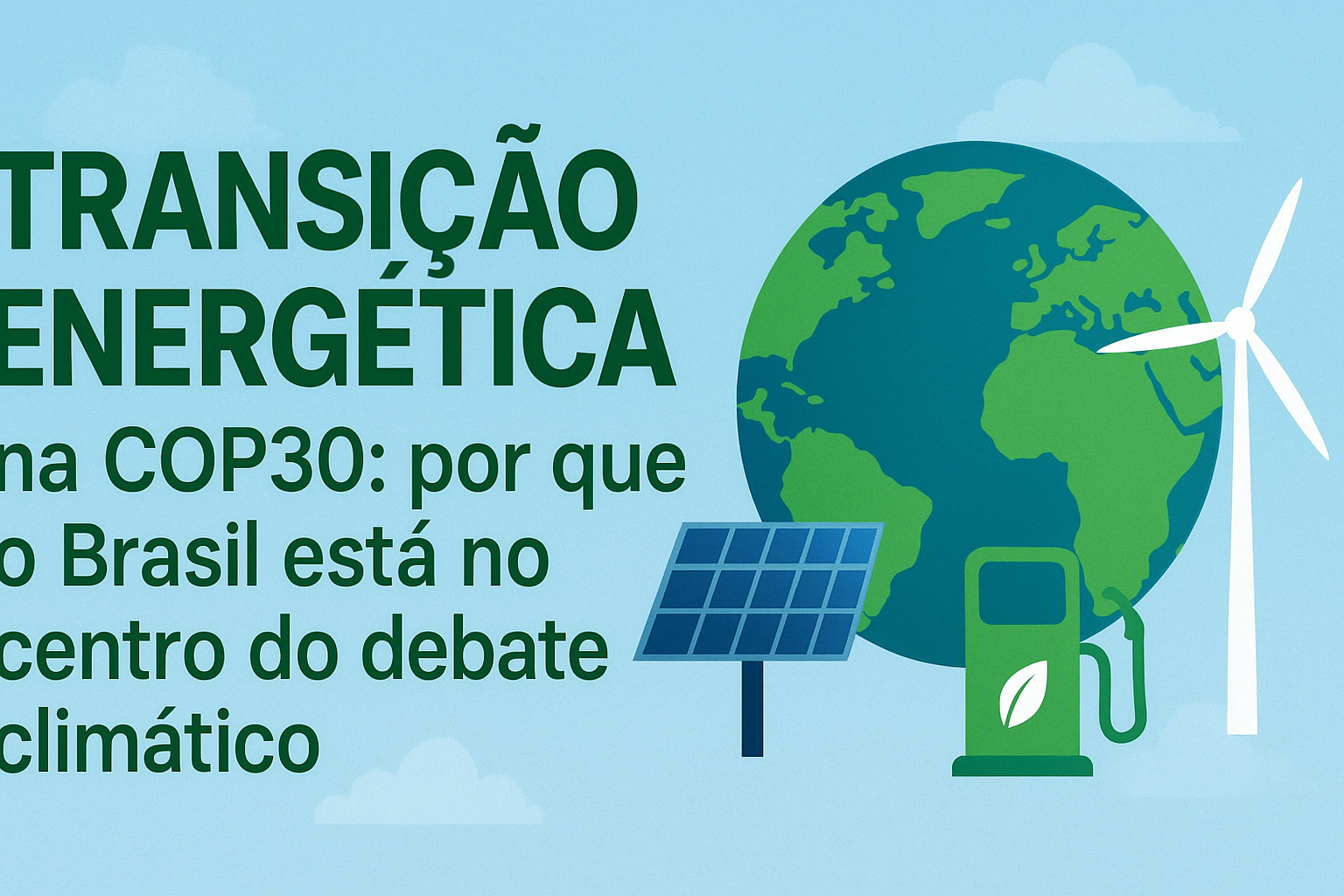
The energy transition is a concept that has been gaining more and more prominence and has become a central element in the COP30, hosted by Brazil. This process involves changing the way we generate, distribute, and consume energy: moving away from dependence on fossil fuels — such as oil and coal — and migrating to cleaner and renewable sources, like solar, wind, and biofuels. It is an essential topic for the global climate agenda, as it has a direct impact on reducing greenhouse gas emissions, which cause global warming.
Historically, humanity has depended on fossil sources since the Industrial Revolution, when the burning of coal and oil became the engine of production and transportation. This energy model sustained economic growth for decades but also generated severe consequences for the climate. Today, with the climate crisis more visible, the energy transition becomes an urgent necessity to avoid the worst scenarios predicted by scientists. According to the World Meteorological Organization, improving energy efficiency and seeking cleaner energy matrices are vital measures for survival in the 21st century.
At COP30, the energy transition is seen as a strategic priority. According to the official website of the summit, it is necessary to “promote the energy transition in a fair, orderly, and equitable manner; triple renewable energy capacity; double the average global energy efficiency rate; restore ecosystems; and accelerate the reduction of methane emissions.” COP30 Brazil Amazon – Portuguese These goals are directly linked to the new Nationally Determined Contributions (NDCs), which are the countries’ climate commitments to limit global warming.
-
A major turn in the Justice system suspends tax increases and directly impacts oil and gas companies in Brazil by affecting costs, contracts, and financial planning, leaving uncertain what could happen to the sector if these costs had increased.

-
Brava Energia begins drilling in Papa-Terra and Atlanta and could change the game by reducing costs in oil while increasing production and strengthening competitiveness in the offshore market.
-
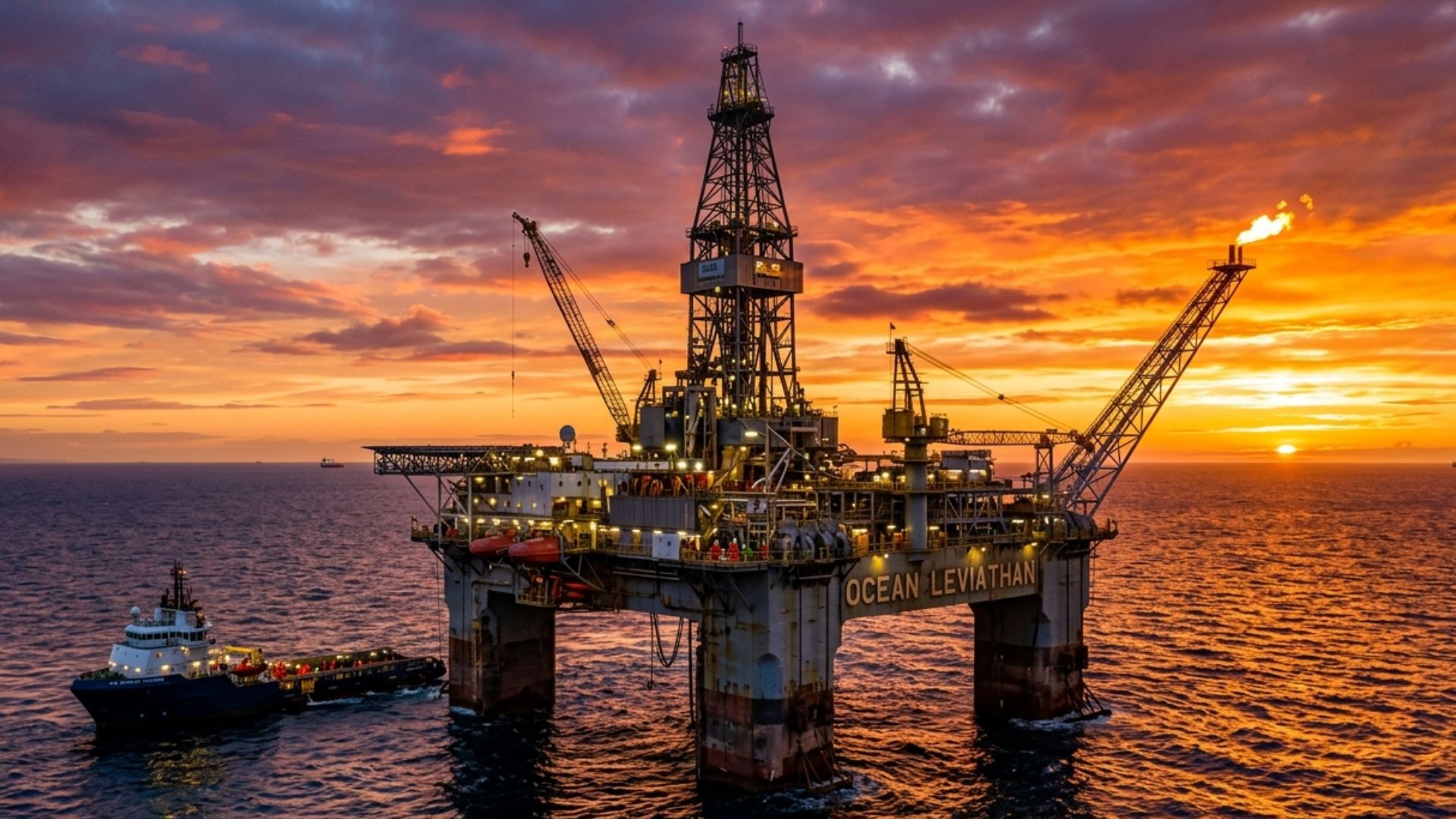
Petrobras surprises the world again by announcing a new discovery in the pre-salt with excellent quality oil.
-
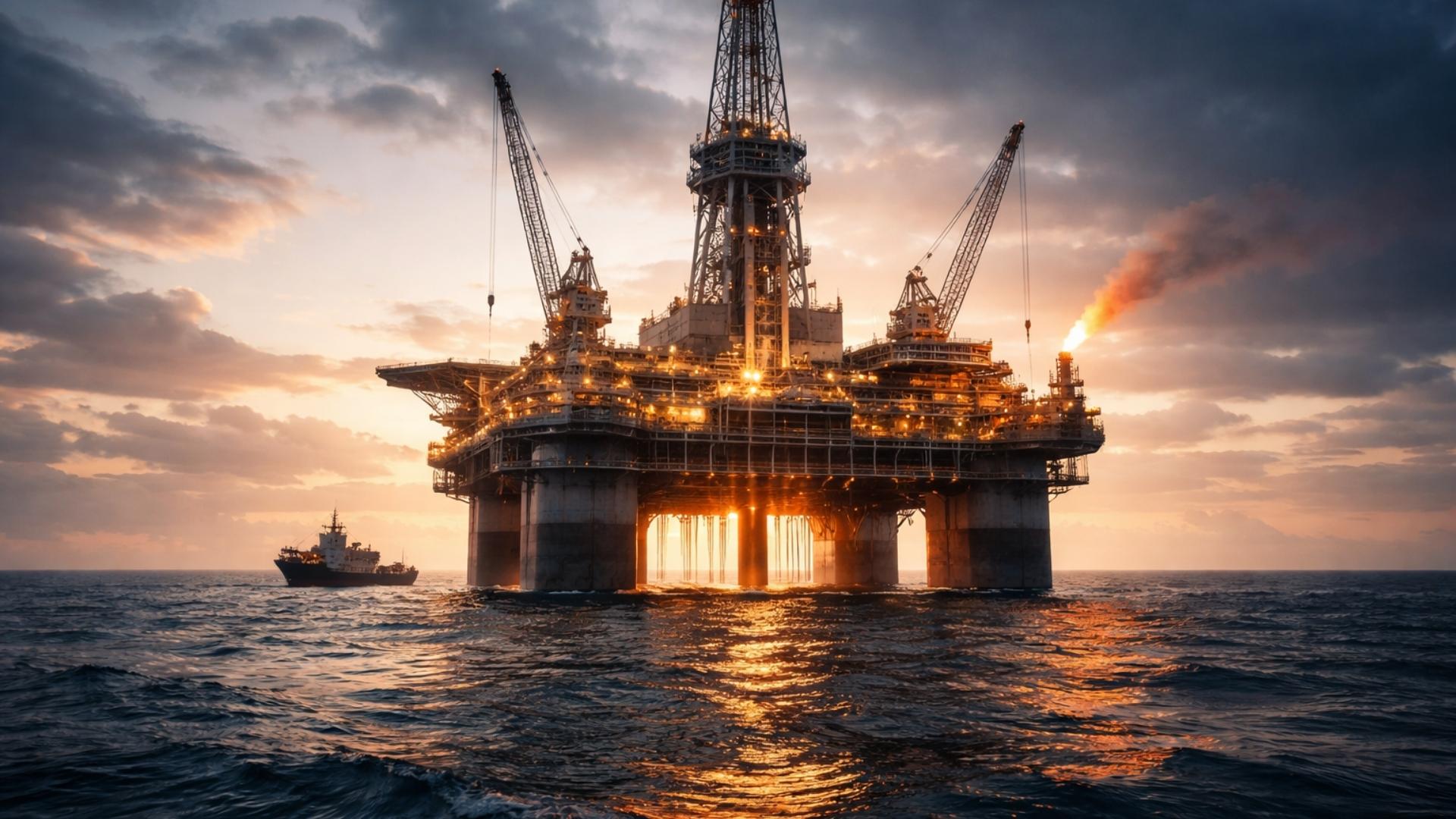
Offshore industrial demand in Macaé skyrockets with the recovery of oil and gas and could grow by up to 396% by 2026 in the Campos Basin.

An important point of the energy transition at COP30 is social justice. Authorities emphasize that it is not enough to generate more clean energy: it is necessary to ensure universal and equitable access. Brazil’s Minister of the Environment, Marina Silva, has already argued that COP30 should yield practical results beyond formal negotiations, including ambition and innovation. For her, the energy change must occur with equity, without leaving behind vulnerable communities or developing countries.
Furthermore, the issue of climate financing emerges as a central axis. According to the COP30 organization, the energy sector accounts for about 75% of global greenhouse gas emissions. Therefore, financial support for countries to build a clean matrix is essential: both public and private investment is needed for the transition to occur on a global scale.
Brazil, in turn, has been seeking to assume a leadership role in the process. The Ministry of Mines and Energy reinforced the national commitment to the energy transition at preparatory events for COP30. According to government data, a very high share of the Brazilian electricity matrix already comes from renewable sources — mainly hydropower, wind, and solar. In addition, there is an explicit commitment to quadruple the production of sustainable fuels by 2035, showing that Brazil intends to combine decarbonization with energy innovation.
Historically, Brazil has always had a certain vocation for renewable energies: since the mid-20th century, the national electricity matrix has relied heavily on hydropower. Over time, there have also been advancements in biofuels, particularly ethanol, wind, and solar. With COP30 in the country, this legacy gains new relevance, as discussions now point to scaling these energy sources for climate and economic purposes.
During COP30, a strategic aspect has generated great attention: a just energy transition means not only reducing dirty sources but also creating a decarbonization route that takes inequalities into account. In the global landscape, movements are calling for the energy change to be inclusive — capable of encompassing countries with fewer resources, as well as supporting communities that currently depend on fossil fuels. This vision aligns with the goals of COP30, which highlight the importance of ensuring access to clean technologies and adequate financing.
To enable these changes, Brazil advocates that COP30 deepens the international governance of energy. In speeches during the summit, President Luiz Inácio Lula da Silva emphasized Brazil’s leadership in using renewable sources and proposed ambitious commitments: he advocated for the implementation of the Dubai Agreement, which aims to triple renewable energy generation by 2030 and double energy efficiency. It also specifies that the elimination of energy poverty should be a central part of the debate, alongside universal access to electricity.
Another important point of pressure at COP30 is the dimension of sustainable fuels. Brazil launched, in the preparatory phase (“Pre-COP”), the so-called “Belém Commitment for Sustainable Fuels” (or “Belém 4x”), which aims to quadruple the use of cleaner fuels by 2035. This includes biofuels, biomethane, and other sources that can replace conventional fuels.
However, there are resistances and risks. The energy transition involves significant structural changes: it is necessary to invest in transmission networks, energy storage, and technological innovation. As international voices have warned, it is not enough to generate renewable energy if there is no infrastructure to effectively transport or store it.
There is also tension between Brazil’s climate leadership and its economy traditionally linked to the exploration of natural resources, which can generate criticism from countries questioning the coherence of some commitments.
Despite the challenges, COP30 appears as a historic opportunity for Brazil and the global community to advance in a concrete energy transition. The urgency of the topic is clear: without rapidly changing the way we produce energy, it will be difficult to achieve global climate goals. On the other hand, Brazil’s leadership — with its renewable matrix, commitments to sustainable fuels, and strong presence in negotiations — can be decisive in shaping a greener, fairer, and more efficient future pathway.
In summary, the energy transition in the context of COP30 is more than a symbolic banner: it is an essential route for reducing emissions, ensuring social justice, mobilizing financing, and repositioning Brazil as a protagonist of a new energy era. The success of this transition could define not only the course of the climate but also the way societies will produce and consume energy in the coming decades.








Seja o primeiro a reagir!