





 Portuguese
  English
  Spanish
  5 min of reading
  0 comments


Engie Evaluates Batteries And Mining To Alleviate Cuts At The World’s Largest Solar Park
Engie evaluates batteries and mining as strategic alternatives to reduce generation cuts at its largest solar park in the world. The company is also studying the installation of a data center near the complex to consume some of the excess energy and reduce financial losses caused by restrictions in the electrical system.
The move comes after an increase in the so-called “curtailments,” which represent mandatory cuts in renewable energy production when the grid cannot absorb all the available generation. This scenario directly affects large solar plants, especially in regions with high concentrations of renewable sources.
According to information released by the international energy sector, the company is seeking solutions that increase the operational flexibility of the solar complex and ensure greater revenue predictability.
-
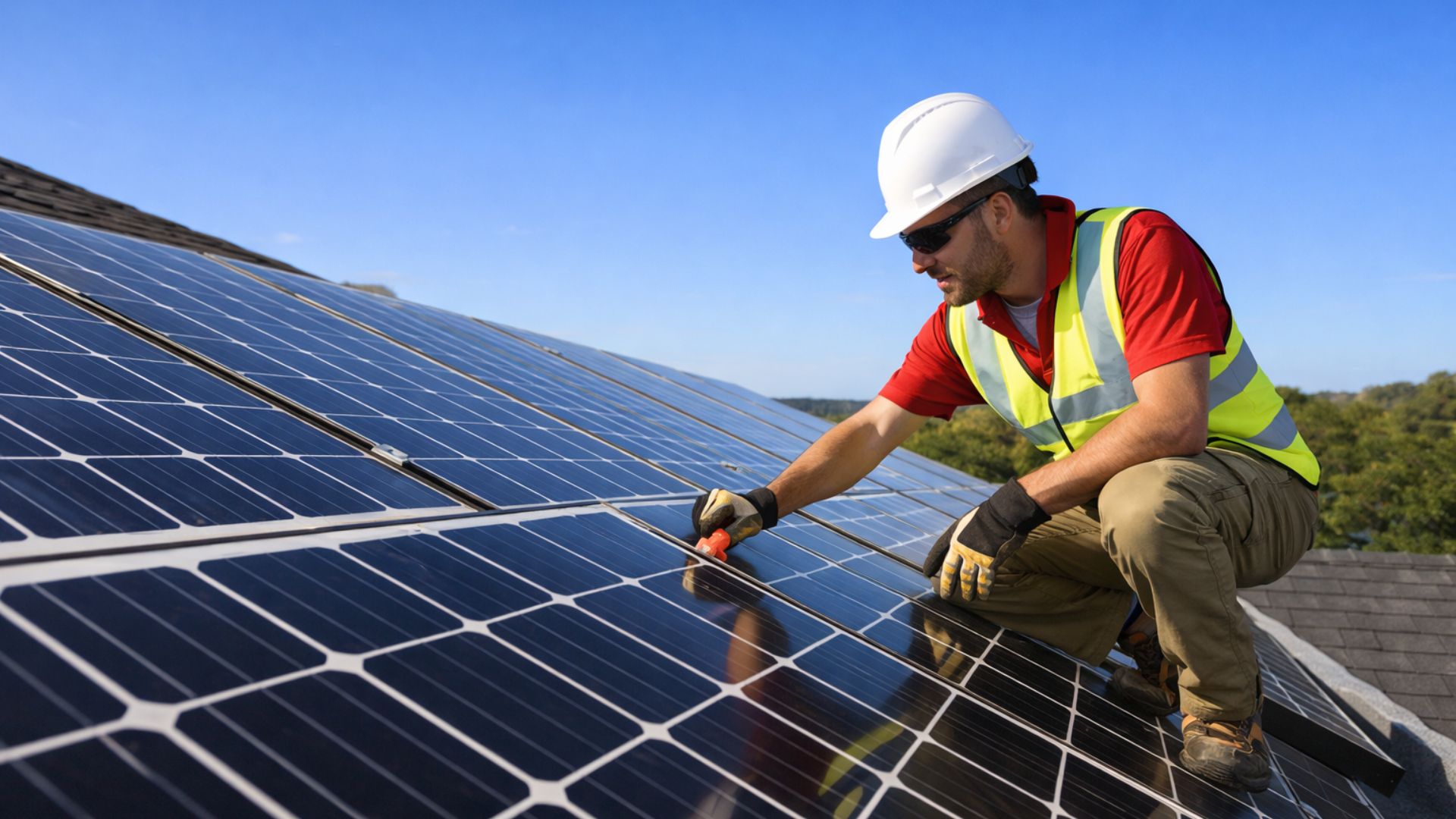
Seagri’s headquarters invests in solar energy with Neoenergia Coelba and promises to cut electricity costs, highlighting a strategic advance in sustainability and energy efficiency within state public administration.
-
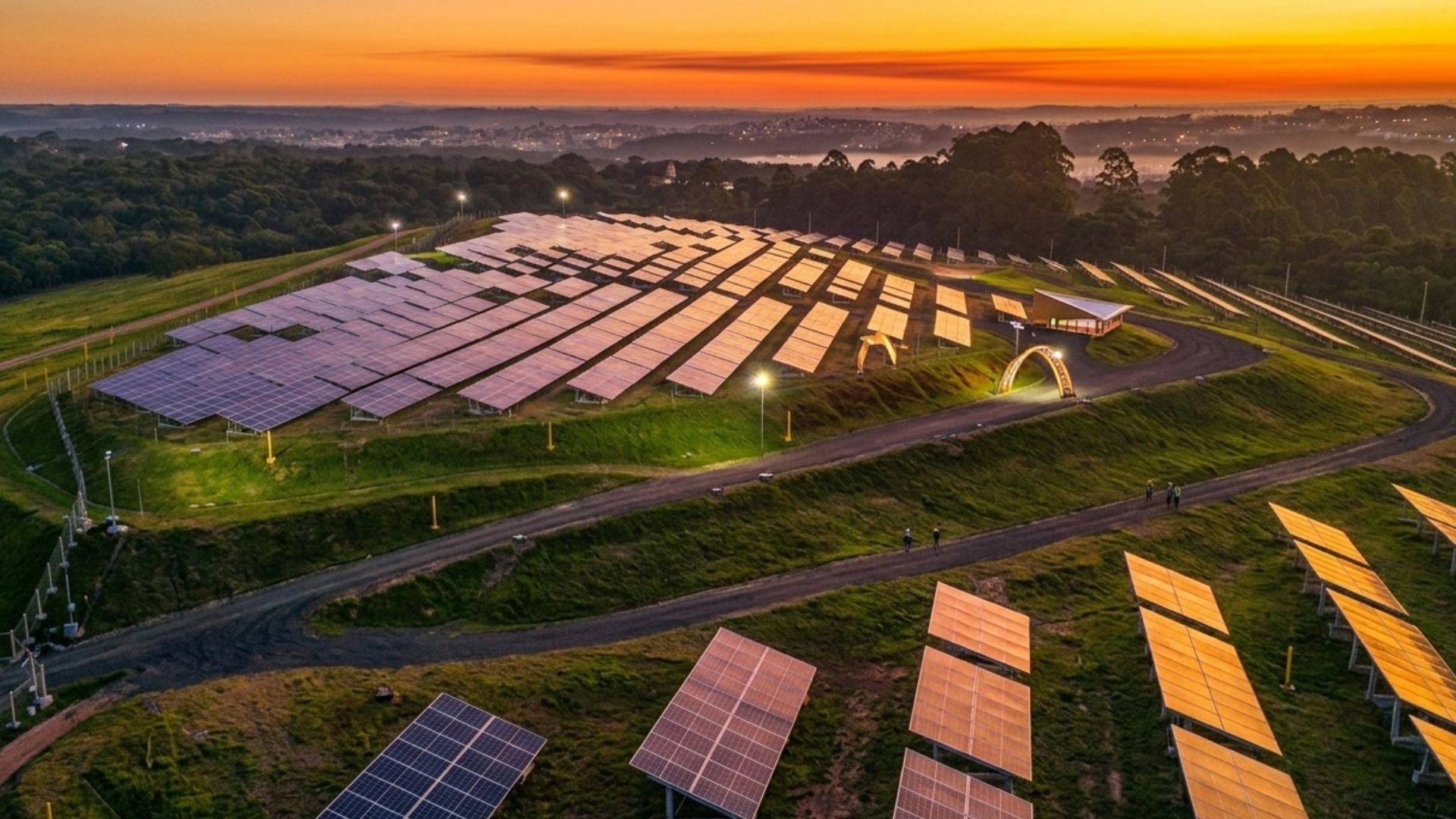
Solar Pyramid draws attention by converting solar energy into million-dollar savings and repositioning the City Hall of Curitiba as an example of innovation, sustainability, and intelligent use of public resources.
-
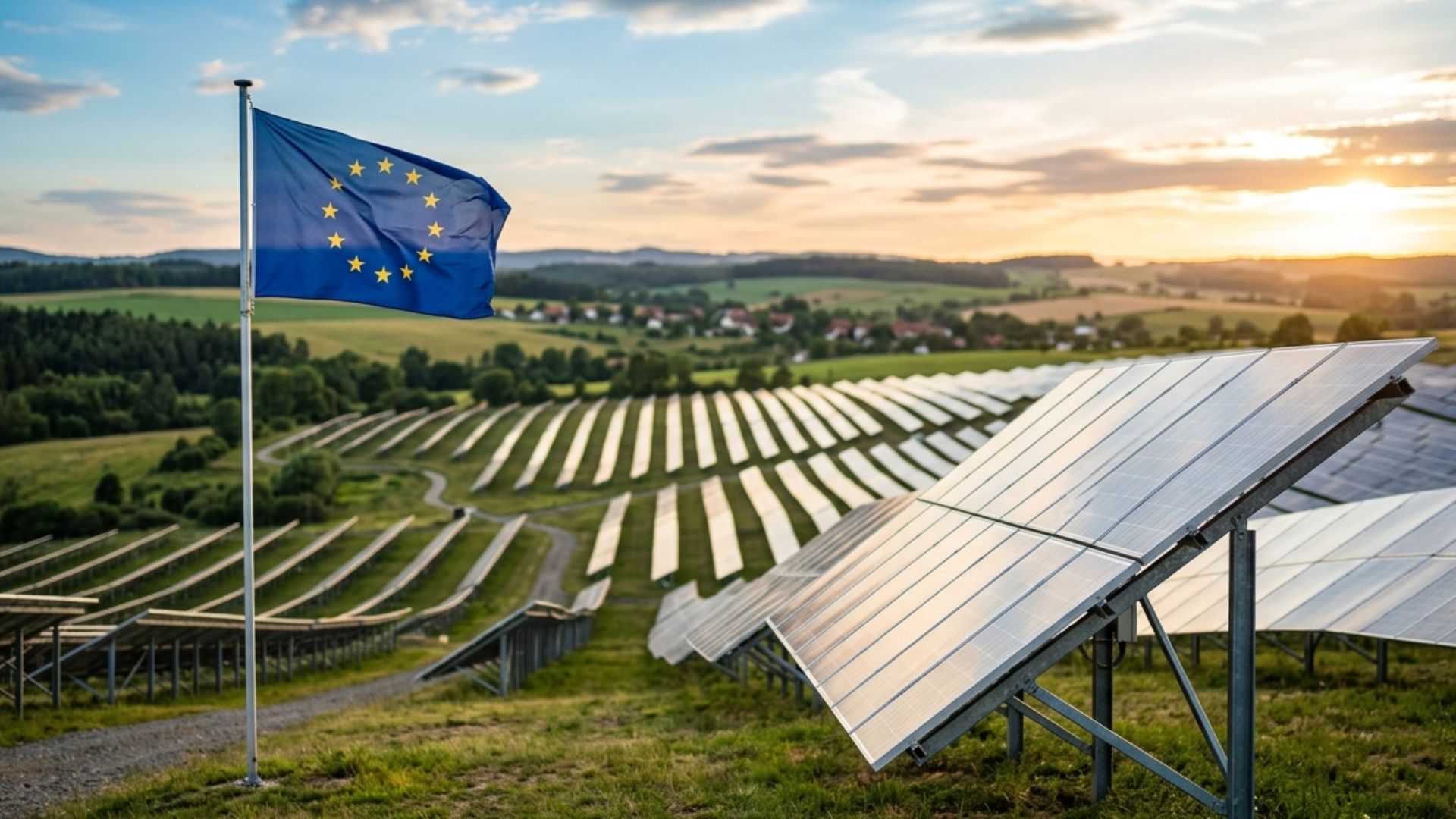
Europe records strong euro economy with solar energy in March and sparks curiosity about which country leads growth that redefines the energy market and reduces costs.
-
Piauí reaches a historic milestone in energy transition: State records nearly 160,000 households powered by solar energy and leads growth in the Northeast.
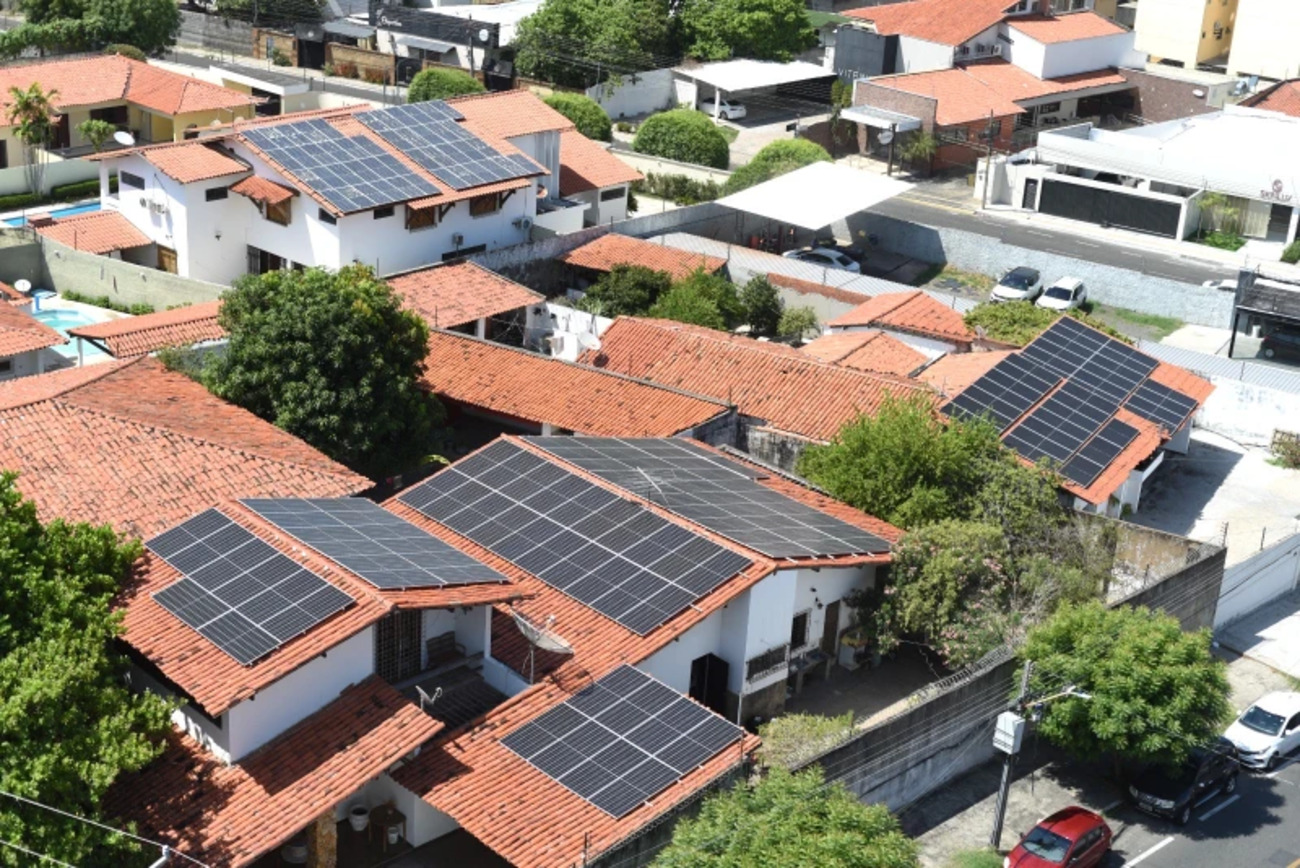

Understand Why Generation Cuts Happen
Large solar parks produce energy intermittently. During the day, especially at times of high solar incidence, generation peaks. However, demand does not always match this volume.
When supply exceeds the network’s outflow capacity or regional consumption, operators determine temporary cuts in production. This mechanism protects the stability of the electrical system but reduces the profitability of projects.
In recent years, the accelerated expansion of solar energy has increased this challenge in various countries. The more plants come online in the same region, the greater the risk of excess supply at certain times.
Batteries Enter As An Immediate Alternative
In light of this scenario, Engie evaluates batteries and mining as complementary strategies. Batteries emerge as a direct solution because they store excess generated during the day and release energy during peak demand times.
With large-scale storage systems, the company can reduce the volume of wasted energy. Additionally, storage allows for negotiating electricity during times of higher prices in the market.
Industry experts highlight that the integration between solar and batteries has already become a global trend. Analysts from Wood Mackenzie state that hybrid projects increase the financial and operational efficiency of large renewable plants.
Mining As Strategic Energy Consumption
In addition to batteries, the company is analyzing the possibility of using digital mining as an alternative to absorb excess energy. In this model, processing equipment operates near the plant and consumes electricity during peak generation times.
This strategy transforms energy that would be curtailed into additional revenue. Since digital mining requires high energy consumption and allows for flexible operation, it can adjust the level of activity according to the availability of solar energy.
Companies in the sector are already adopting similar models in regions with abundant renewable supply. The logic involves directing idle energy to high-consumption activities that can start and stop quickly.
Data Center Comes Into The Company’s Radar
Another avenue under consideration involves building a data center near the solar park. Structures of this type require large volumes of electricity continuously.
By installing a data processing center adjacent to the plant, Engie could ensure significant local consumption. This solution would reduce dependence on the transmission grid and decrease cuts imposed by the system operator.
The technology sector is increasingly seeking contracts for renewable energy to power servers and digital infrastructure. Thus, the combination of a solar park and a data center addresses both energy demand and corporate sustainability goals.
The Challenge Faced By The Plant
Engie structured its largest solar park as a strategic project within the global expansion of renewables. After going into operation, the plant achieved high generation capacity.
However, with the rise of new solar projects in the same region, the electrical system began to register excess supply at certain times. As a result, generation cuts became more frequent.
Given this scenario, the company initiated technical studies to mitigate financial impacts. Initially, it evaluated internal load management solutions. Then, it progressed to analyses of large-scale storage and dedicated consumption.
Now, the company is expanding its evaluation of structural alternatives, including industrial batteries, digital mining, and data center infrastructure.
Financial Impact Of The Cuts
Generation cuts directly affect the revenue of large solar parks. When the operator limits production, the company forgoes part of the anticipated energy sales.
In competitive markets, this limitation reduces margins and increases uncertainty for investors. Therefore, companies seek mechanisms that ensure greater control over the destination of the generated energy.
By evaluating batteries and mining, Engie aims to transform operational risk into strategic opportunity.

Global Trend Of Integration With Storage
The company’s movement reflects a trend observed in other markets. Countries with strong solar expansion, such as the United States and Australia, are rapidly scaling hybrid projects that combine generation and storage.
Batteries allow for greater grid stability and increase revenue predictability. Additionally, they help balance supply and demand in systems with high renewable participation.
The International Energy Agency points out that storage plays a crucial role in the global energy transition. Without flexibility solutions, solar expansion faces technical limits.
Digital Infrastructure As An Ally Of The Electric Sector
The growth of cloud computing and artificial intelligence has raised the demand for data centers on a global scale. These structures consume large volumes of energy but also offer load predictability.
Technology companies are seeking direct contracts with renewable generators to ensure sustainable supply. This model creates synergy between the electric sector and digital infrastructure.
By studying a data center near the solar park, Engie can consolidate a strategic partnership with technology companies and reduce exposure to grid cuts.
Regulatory And Technical Challenges
Despite the opportunities, implementing these solutions requires detailed regulatory and technical analysis. The installation of large-scale batteries demands significant investments and integration with the transmission system.
Digital mining involves market assessment and regulatory stability. The company needs to consider price volatility and risks associated with the activity.
In the case of the data center, the project requires robust infrastructure for connectivity, cooling, and continuous energy security.
Engie Evaluates Batteries And Mining: Next Steps For The Company
Engie is therefore continuing with technical and economic feasibility studies. The company evaluates implementation costs, return on investment, and impact on the operation of the solar park.
Sector executives highlight that strategic decisions should consider the long-term outlook of the energy transition. The combination of renewable generation, storage, and dedicated consumption could define the new standard for large solar projects.
Engie evaluates batteries and mining as strategic alternatives to reduce cuts at its largest solar park in the world. The company also studies the installation of a data center as a complementary solution to absorb excess energy.
The scenario reinforces a growing challenge for the electric sector: integrating large volumes of renewable energy without compromising stability and profitability.
By seeking innovative solutions, the company signals that the future of solar energy depends not only on generation but also on the ability to store, manage, and direct electricity intelligently.
If the model advances, it could serve as a reference for other renewable projects in regions with high solar concentration, turning operational cuts into strategic opportunities for growth.








Seja o primeiro a reagir!