





 Portuguese
  English
  Spanish
  5 min of reading
  26 comments


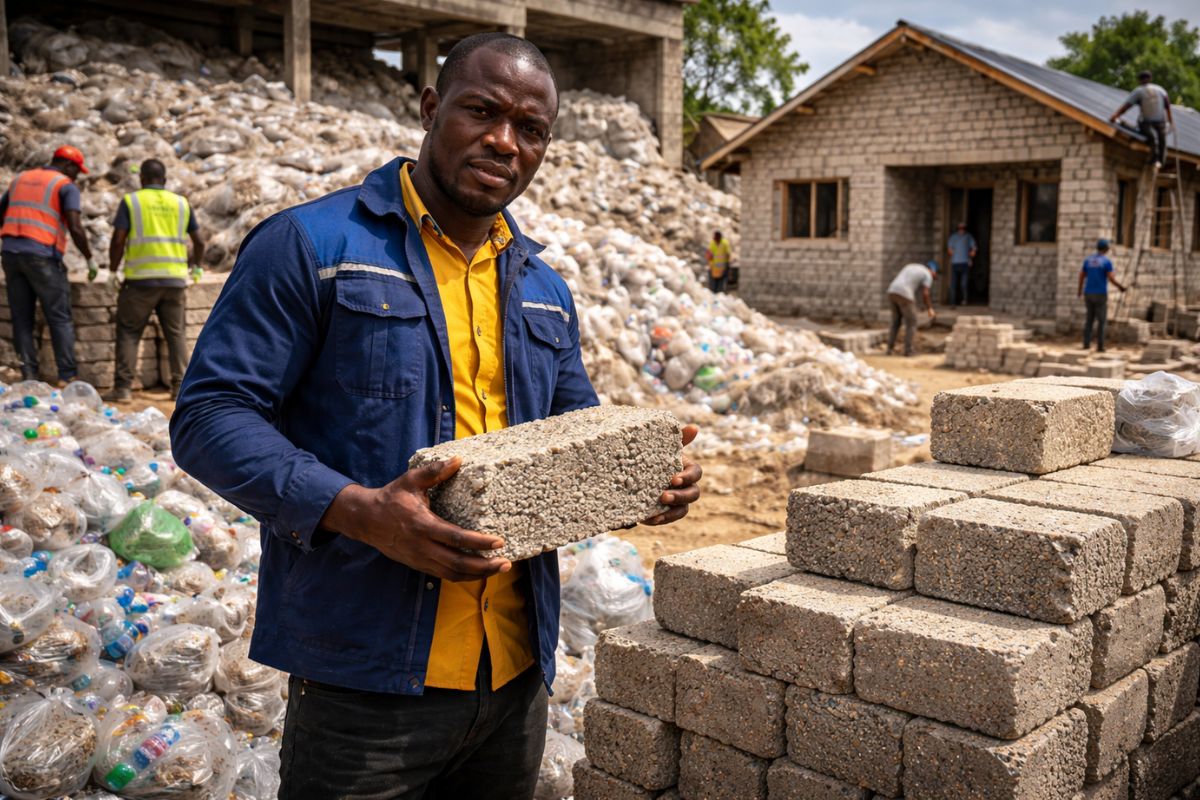


With The Arrival Of 50 Thousand People, Accra Sees Housing Running Short And Shanty Towns Growing. An Entrepreneur Swapped The Bag Factory For Sand Bricks And Recycled Plastic Pressed Hot. The Company Pays Per Kilo, Employs More Than 300 People And Promises Homes A Third Cheaper.
Accra is experiencing constant urban pressure, and the search for shelter has turned into a daily struggle. In the midst of this scenario, an initiative based on recycled plastic attempts to tackle two sensitive issues at once: the mountain of plastic waste and the cost of building housing.
The proposal draws attention for its simplicity: what looks like a common brick is, in practice, a mix of sand and plastic waste, transformed into blocks by heat and pressing. The promise of reducing cost and improving thermal comfort collides with the reality of neighborhoods lacking sanitation, waste collection, and overflowing with trash.
Accra Growing And Housing Being Left Behind

Every year, about 50 thousand people arrive in Accra, and the housing supply does not keep up with this influx. When the city cannot absorb the demand, the consequence appears in the expansion of precarious areas, where families cram into improvised and unsafe spaces.
-
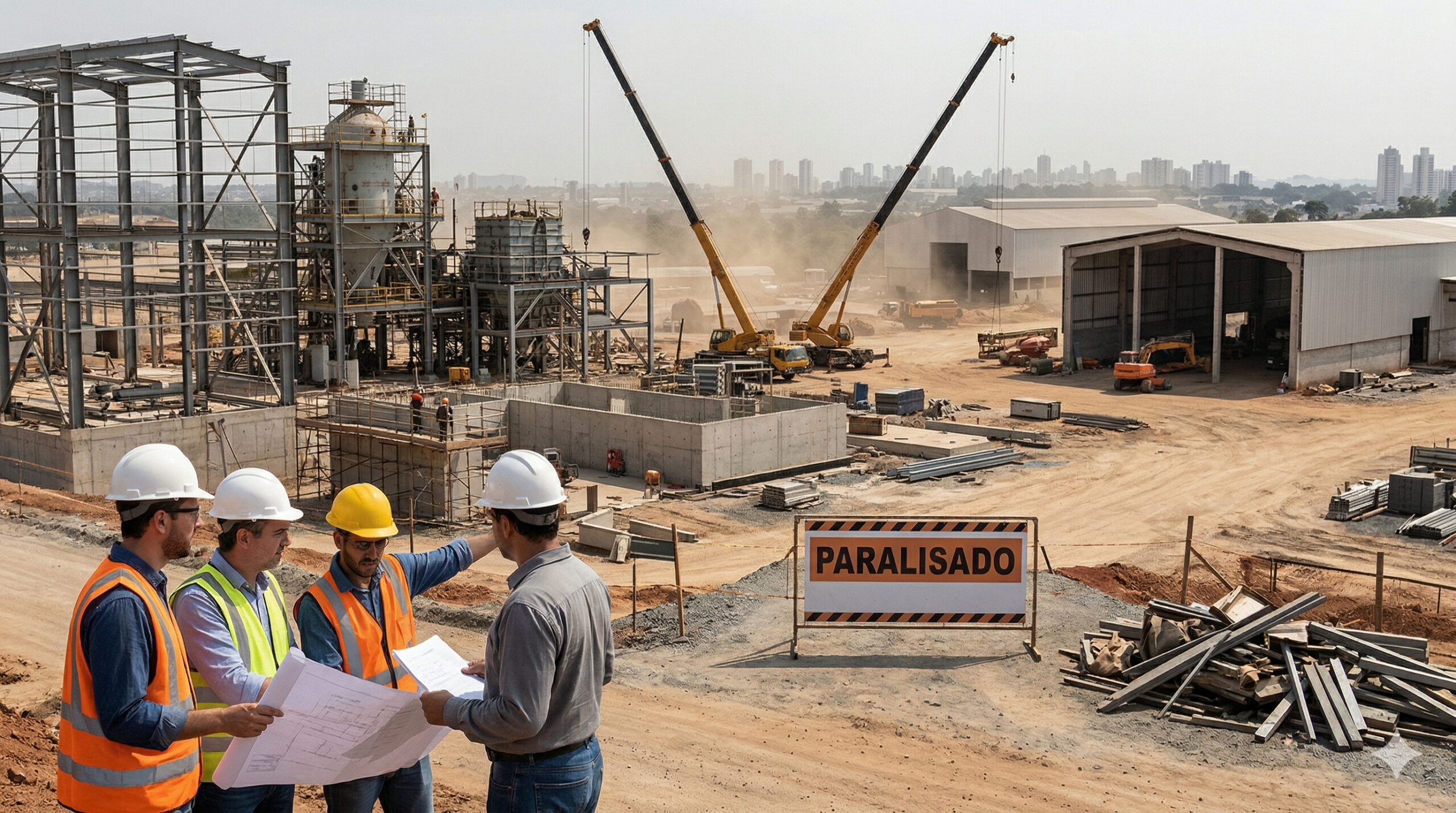
The lack of welders, electricians, and operators becomes a structural threat in 2025, with the construction industry and manufacturing already suffering from delays, cost pressures, and labor shortages in Brazil.
-
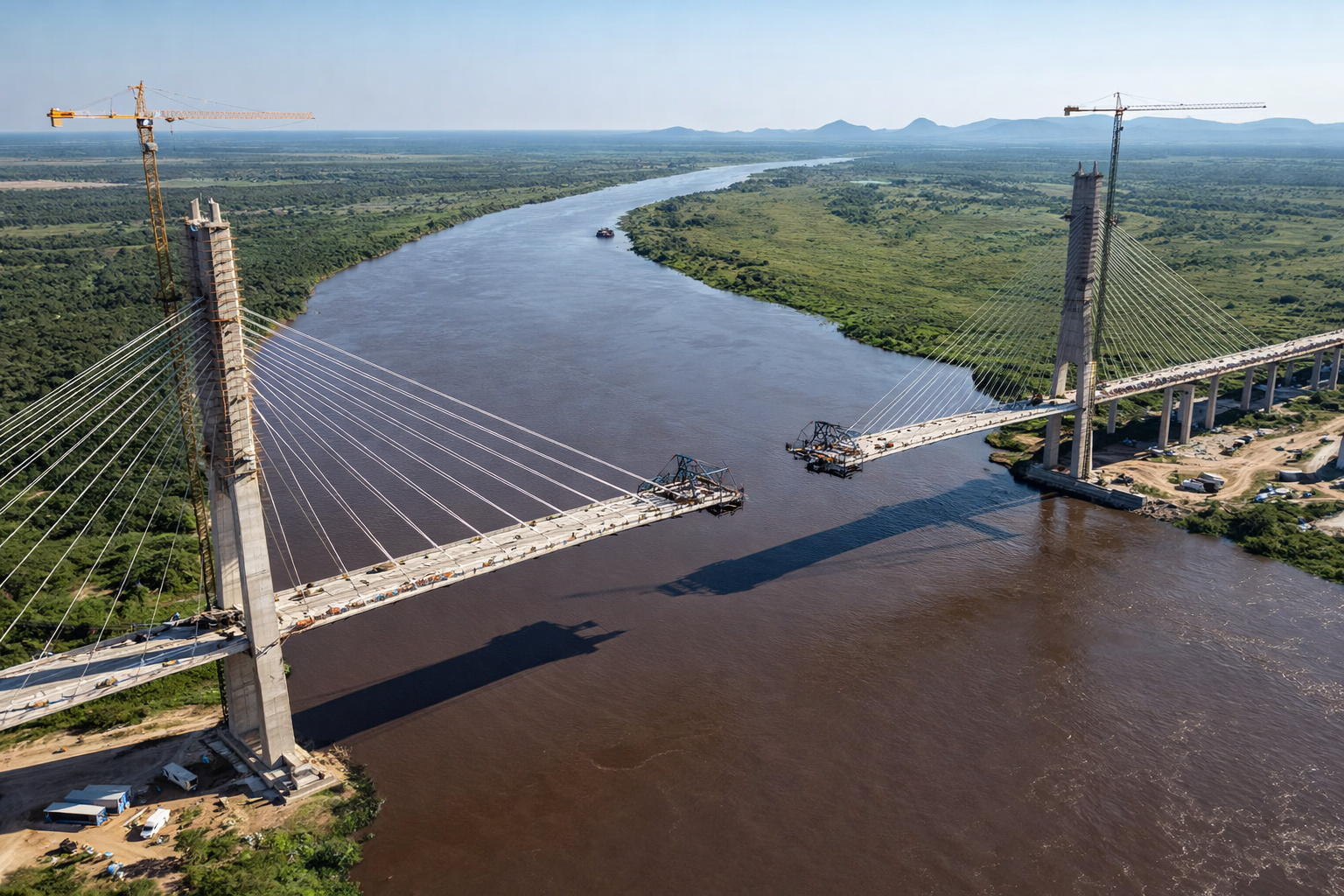
Brazil and Paraguay are just 46 meters away from a historic union on the bioceanic bridge that promises to revolutionize trade between the Atlantic and the Pacific.
-
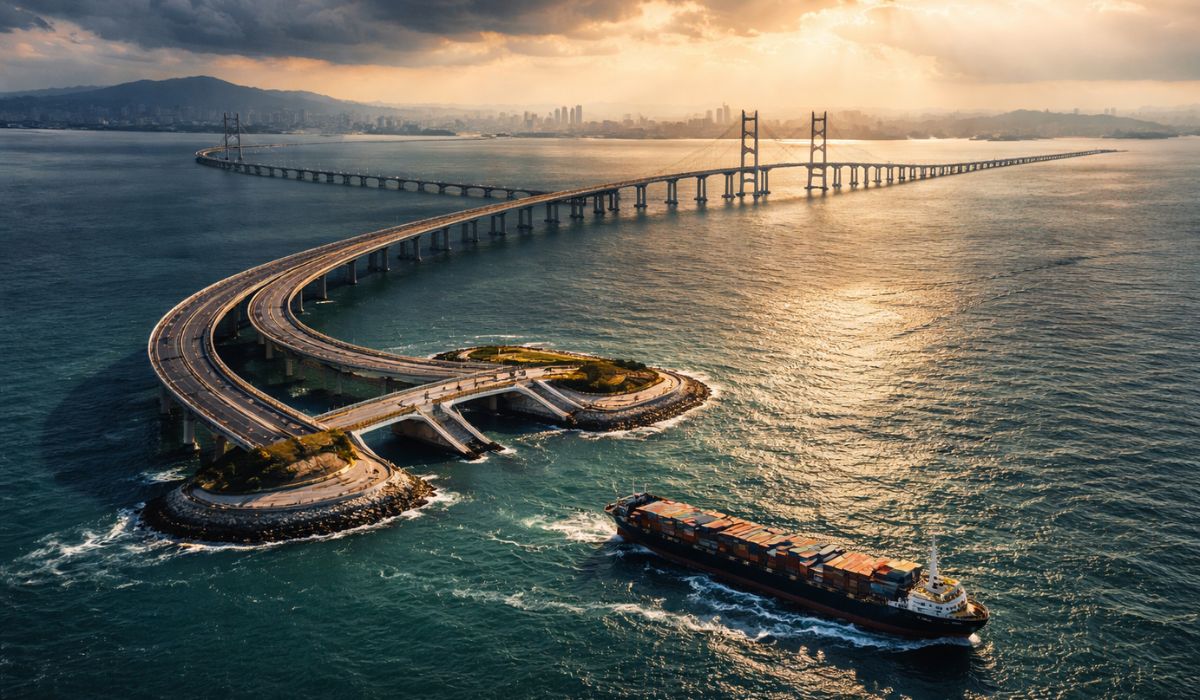
With 55 km over the sea, a cost of US$ 20 billion, and enough steel to build 60 Eiffel Towers, China’s largest project has connected Hong Kong, Zhuhai, and Macau in a colossal bridge that defies the logic of engineering.
-
A trick with joint compound transforms a Styrofoam ceiling into a plaster-like ceiling: leveled panels, wires and mesh at the joints, sand, paint, and change the environment while spending little today.

In Nima, the largest shanty town in Accra, the absence of basic infrastructure exacerbates everything: with no bathrooms and no regular waste collection, the streets accumulate dirt and debris. For those living there, pollution stops being a distant issue and becomes part of the daily life, the place where they sit, talk, and even eat.
The Entrepreneur’s Change In Course And The Collection Gears

The entrepreneur, Nelson Butzen, came from the plastic bag sector but decided to change his business model when he realized the magnitude of the waste problem.
The logic changed: instead of just producing and putting more plastic into circulation, use the waste as raw material and connect this to the housing shortage.
To fuel this chain, the company employs more than 300 people in waste collection, with teams separating packaging bags and other plastics.
Depending on the type of plastic, there is a payment per kilo of waste, equivalent to about 15 euro cents, creating a direct economic incentive to remove material from the streets and canals.
How Sand And Recycled Plastic Bricks Are Made
The process is industrial, but with a very objective logic: there is a cleaning device and a machine that decomposes and melts the plastic.
At high temperatures, the recycled plastic is mixed with sand, forming a paste that is then pressed into molds until it becomes a brick.

The machines can produce 25 bricks per hour, and each block contains a third of recycled plastic. This detail is important because it defines how much waste goes into each unit and, at the same time, indicates that the final structure does not depend solely on plastic, but on a composition that seeks rigidity with sand and conformation with the melted polymer.

There is also a design element thought out for the climate: the bricks are designed with a groove and a hole in the middle, to hinder heat entry.
It’s Not Just Aesthetic, it’s an attempt at thermal comfort, especially relevant in a hot city, where building material directly influences the internal temperature of houses.
How Much It Costs And What Resistance Means In Practice

In the construction debate, price often defines almost everything, and here the promise is clear: the house made with recycled plastic bricks would be a third cheaper than traditional alternatives. This cost reduction is presented as a way to increase access for low-income people to housing.
At the same time, public acceptance is described by two recurring reasons: cheaper and more resistant, with mentions of durability. Resistance, however, is not a single word: it can mean withstanding impacts, enduring heat, managing humidity, and maintaining stability over time.
The proposal tries to position recycled plastic bricks as a practical response, but the challenge is to transform this perception into a consistent production and delivery scale.
The Environmental Side And The Weight Of Cement On Emissions
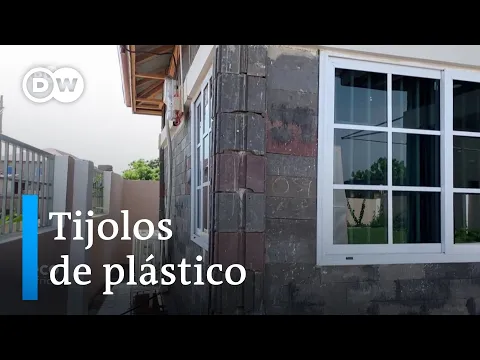

The initiative is also anchored in a direct environmental comparison: recycled plastic bricks would be more “environmentally friendly” than the cement route, because cement production is responsible for about 8% of greenhouse gas emissions.
By shifting part of the construction material to a mix with plastic waste and sand, the idea is to reduce dependence on cement and, with that, decrease the carbon footprint of the sector.
Moreover, there is an immediate and visible benefit: each brick represents one less piece of garbage circulating through streets, trenches, and recreational areas. In places where collection fails and disposal spreads, removing plastic from the environment is not just a global agenda; it is a matter of health, well-being, and urban dignity.
Demand Exists, But Equipment And Space Are Lacking
Video dissemination helped the proposal to “spread the word,” and this translated into orders: 20 housing requests were received.
However, each housing unit requires 3,000 recycled plastic bricks, quickly transforming a good idea into a large-scale logistical and industrial problem.
The entrepreneur himself recognizes the bottleneck: there is a lack of equipment and sufficient space to operate and meet the demand.
When interest grows faster than capacity, queues, delays, and frustration arise, and the risk is that the solution loses momentum just when more people see it as a real alternative.
International Recognition And The Conversation With The Government
The initiative gained international recognition, with an invitation to a global plastic recycling exhibition in Germany.
This type of showcase usually attracts partners, buyers, and institutional attention, but also increases the pressure for concrete results in the territory where the problem is most urgent: Accra and its peripheral neighborhoods.
Within the country, recycled plastic appears as a trend, and there are mentions that the topic comes to the government as something advantageous for being better and cheaper, in addition to contributing to sustainable development.
Still, between recognizing a technology and turning it into urban housing policy, there is a challenging path filled with regulations, productive investment, and execution capacity.
The story in Accra brings together what rarely goes hand in hand: waste as a starting point and housing as the final goal.
Bricks made of sand and recycled plastic, a production of 25 blocks per hour, a network of over 300 people in waste collection, and houses promised at a third of the price represent a concrete attempt to tackle a problem that grows every year with the arrival of new residents.
If this solution reached your city, what would weigh more in your decision: price, durability, thermal comfort, or the idea of living in a house made of recycled plastic?
And, looking at neighborhoods where garbage accumulates, do you think paying by the kilo for waste would really change behaviors and the cleanliness of the streets day to day?









Quem falou, quem disse que o preto o Negro não é inteligente? Eles são inteligentíssimos. Parabéns,eu queria construir uma casa com esse tijolo 🧱 de plástico
Faltou dizer onde fica accra
Creo qué en el Tigre hacen mesas y sillas y en Laprida o Bolívar tejas y ladrillos