





 Portuguese
  English
  Spanish
  3 min of reading
  0 comments


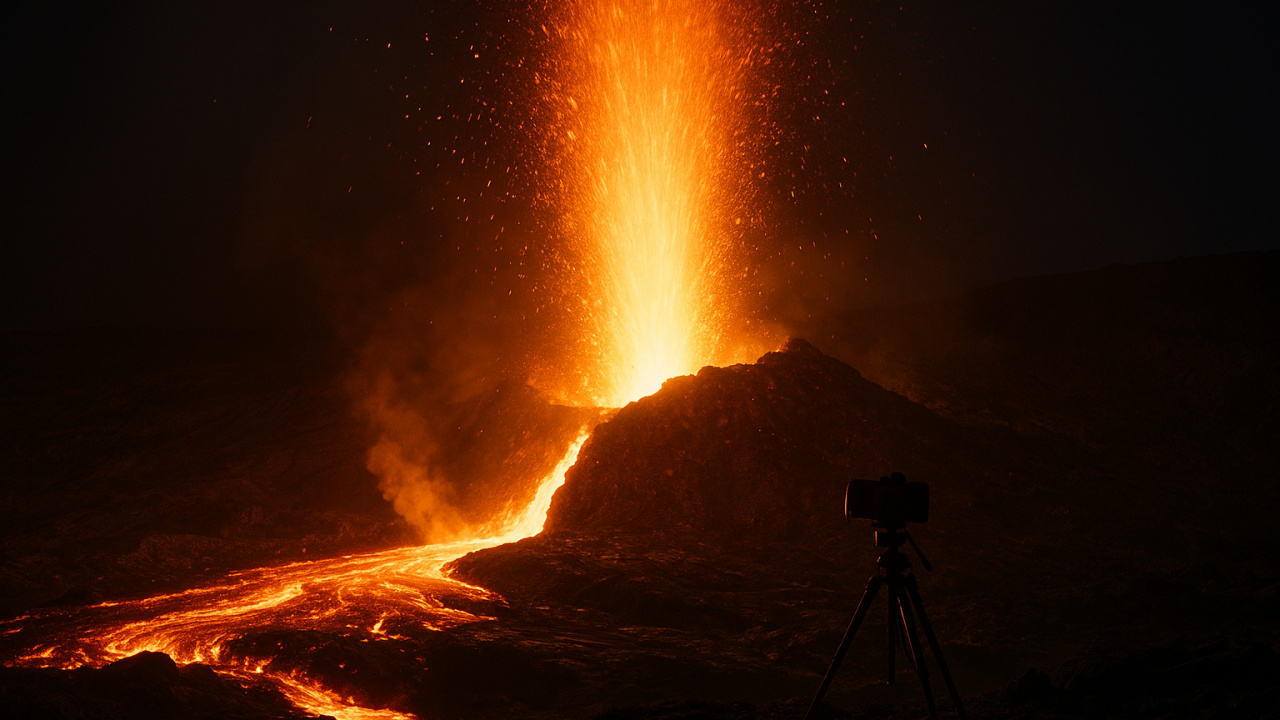
Glowing Lava from Kilauea Volcano Hits USGS Camera During Eruption in Hawaii and Interrupts Broadcast.
The eruption in Hawaii gained a new chapter when the Kilauea Volcano hit a monitoring camera that was providing live coverage, according to records released by the USGS.
The episode occurred during the early morning when jets of glowing lava reached impressive heights and interrupted the broadcast.
The images caught attention for showing the exact moment the equipment lost stability and stopped recording activity, demonstrating the force of the phenomenon.
-
While the world looks at oil, the war with Iran is already disrupting helium supply from Qatar, affecting car and iPhone chips, threatening AI expansion, and putting pressure on aluminum packaging at the highest value in four years.

-
Global warming will expose a treasure hidden under the ice of Antarctica and may spark an international dispute over gold and valuable minerals.

-
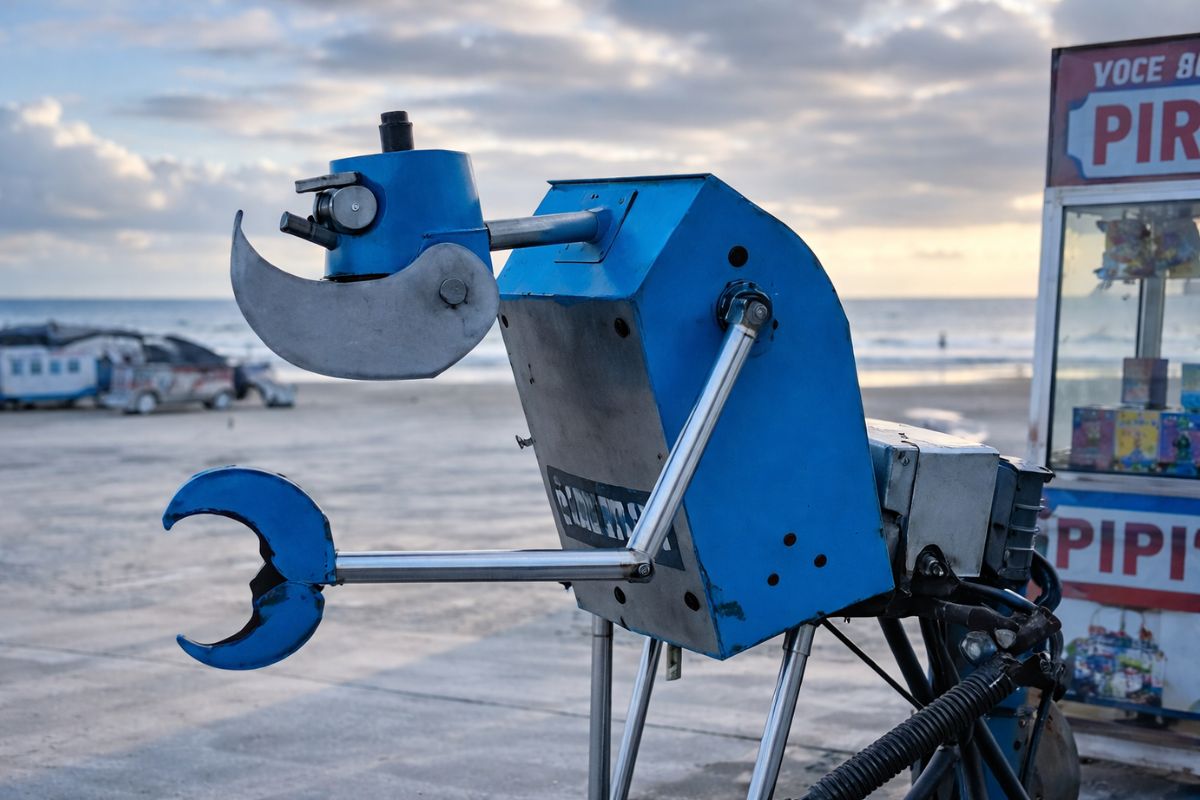
A street vendor from Praia Grande built a robot made of scrap from scooters and washing machines that pulls his popcorn cart on the beach, emits sounds, and interacts with customers, becoming an attraction on the coast of São Paulo.
-
The specifications of the Xiaomi 18 Pro Max have been leaked, and the highlight is a dual 200 MP camera with a new 22-nanometer technology that promises to consume less energy and capture details in shadows and bright areas using LOFIC HDR.


Constant monitoring occurs because Kilauea is one of the most active volcanoes on the planet and has been showing eruptive episodes since December 2024.
Camera Hit Records Seconds Before the Fall
The images released by the United States Geological Survey (USGS) reveal the intensity of the eruption before the damaged camera lost its frame.
For a few seconds, it was still possible to observe the continuous emission of gases and the expulsion of hot material. Shortly thereafter, the structure trembled, changed angle, and the capture was abruptly interrupted.
This type of equipment is essential for quick alerts and scientific monitoring, allowing teams to assess sudden changes in the volcano’s behavior.
Thus, the fall of the camera reinforces the degree of instability that characterizes Kilauea and demonstrates how even systems prepared for extreme conditions can be affected.
Glowing Lava Reaches 300 Meters in Height
According to official information from the USGS, Kilauea Volcano managed to launch jets of glowing lava up to 300 meters in height.
The volume and pressure of the eruption surprised experts, although the behavior is consistent with the intense activity the volcano has maintained since late 2024.
Moreover, the combination of heat, gases, and expelled fragments creates a dangerous scenario for both researchers and the local population.
Therefore, even without immediate risks to urban centers, authorities emphasize the importance of respecting restricted areas and following safety guidelines.
Kilauea: One of the Most Active Volcanoes in the World
Located on the Big Island, Kilauea Volcano ranks among the most active volcanic systems on the planet, with constant eruption cycles over the past few decades.
Since December 2024, the volcano has shown continuous episodes, keeping researchers on constant alert.
The persistent behavior causes monitoring institutes, like the USGS, to maintain cameras, seismic sensors, and daily geological analyses.
This collection of information helps predict possible changes in the eruptive pattern and protects both residents and tourists who visit the area.
Monitoring Continues Intensified After Eruption in Hawaii
After the incident of the damaged camera, the USGS intensified remote monitoring and dispatched technical teams to assess the damage.
The goal is to quickly restore the equipment and ensure the continuity of real-time surveillance.
On the other hand, local authorities maintain communication with the population to clarify doubts and prevent circulation in dangerous areas.
The case demonstrates how technology plays a decisive role in safety and understanding natural phenomena, especially in such dynamic environments as Kilauea.








-

-

-

-

5 pessoas reagiram a isso.