





 Portuguese
  English
  Spanish
  5 min of reading
  1 comment





The Postponement of the Ban on Internal Combustion Engines in the European Union Exposes Strategic Risks to the Local Industry, Expands the Division of Technological Investments, and Strengthens Global Manufacturers Focused Exclusively on Electrification, Such as BYD.
The postponement of the ban on internal combustion engines beyond 2035 by the European Union has reignited the debate about the future of the automotive industry, provoked a reaction from BYD, and exposed strategic risks for European manufacturers in the transition to electric vehicles.
The recent decision by European institutions to review the timetable for banning internal combustion engines has introduced new regulatory uncertainties for the automotive sector, affecting industrial planning, investment allocation, and long-term technological strategies.
The measure was driven by pressures from traditional manufacturers and political sectors concerned about jobs, adaptation costs, and competitiveness, resulting in greater flexibility for the continued use of conventional engines after 2035.
-
A French brand placed a car on four huge red balloons to prove that its suspension made the vehicle “float,” and the surreal scene became one of the most iconic and unusual images in automotive history.

-
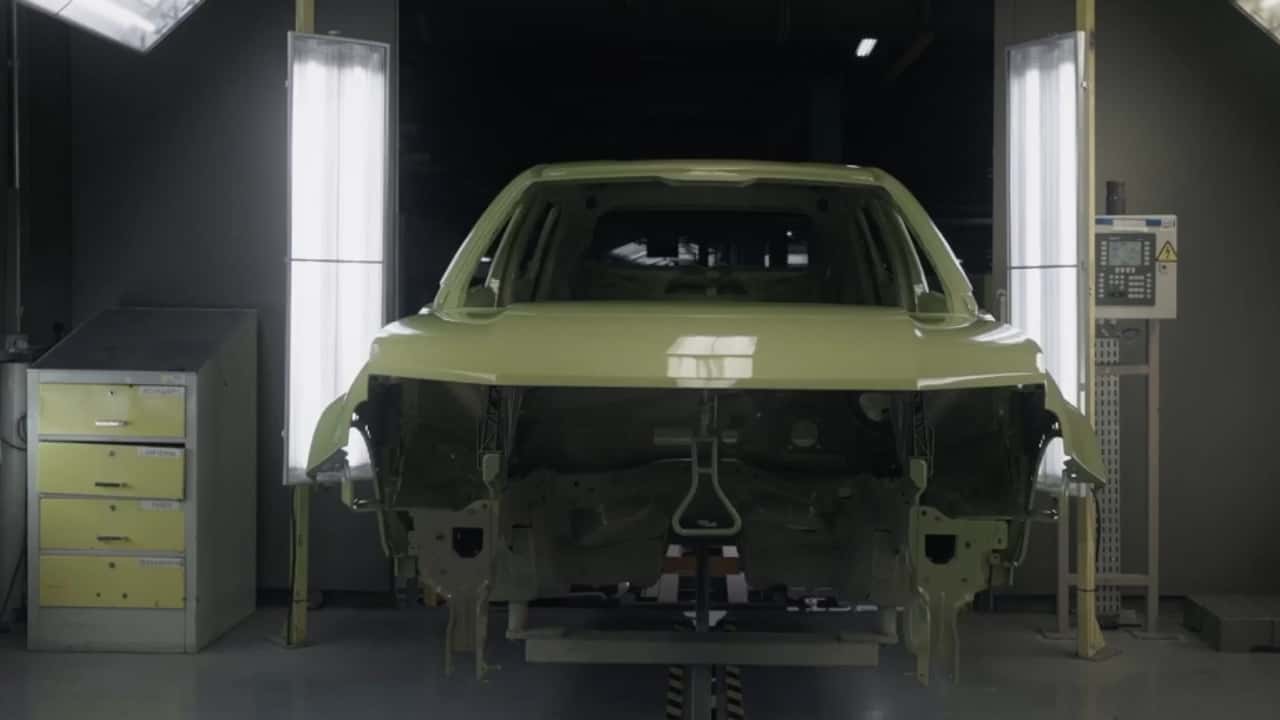
Jeep Avenger begins production in Brazil, debuting as the brand’s new entry-level SUV and inaugurating an unprecedented phase by becoming the first national Jeep manufactured outside of Goiana, as part of a R$ 3 billion plan.
-
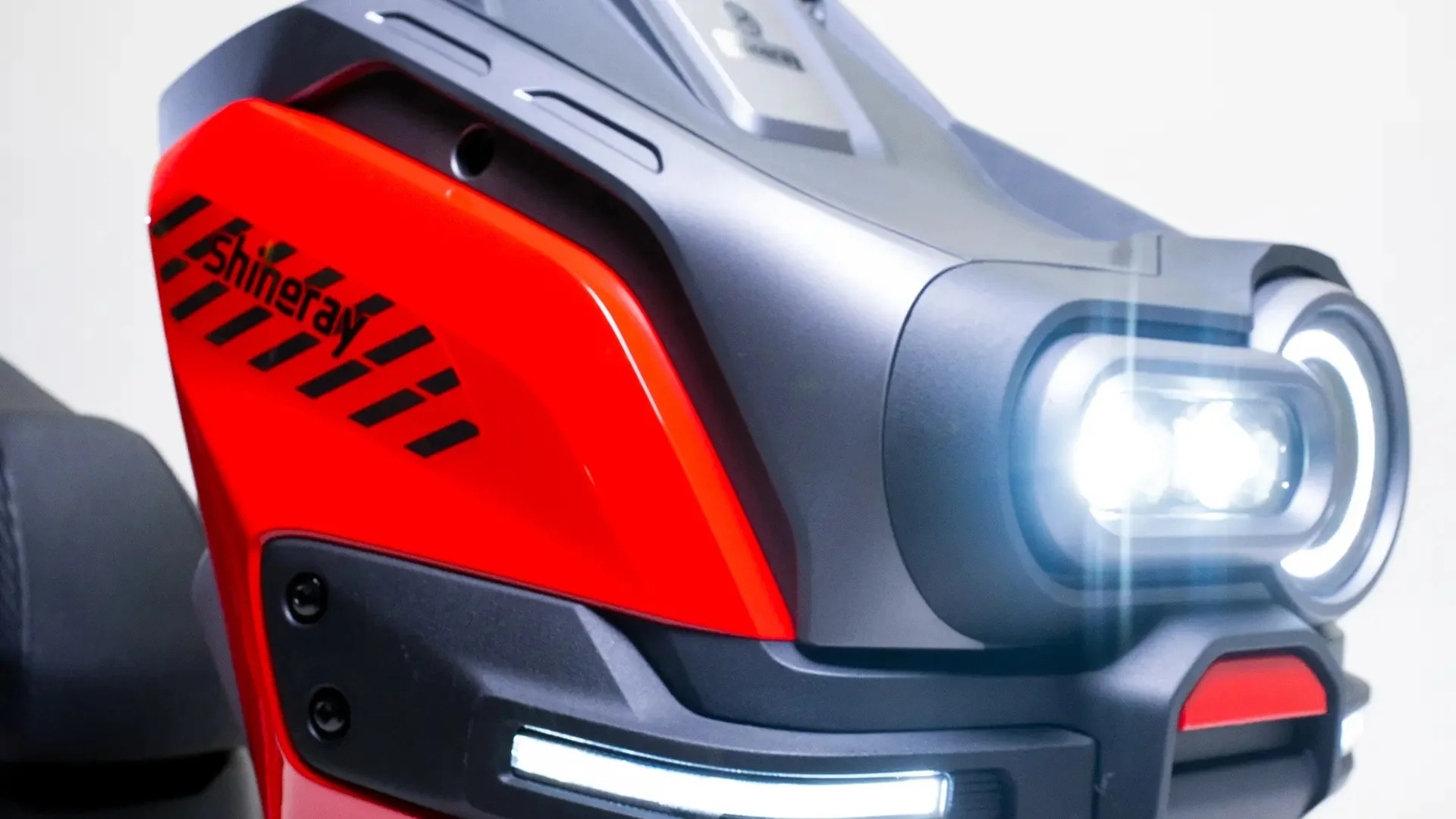
Costing R$ 12,490, the new Shineray Urban Lite 150 “cheap one” arrives in Brazil with a CVT transmission, digital dashboard, and LED lights, making it more affordable than the Biz and targeting those who want to abandon the bus.
-
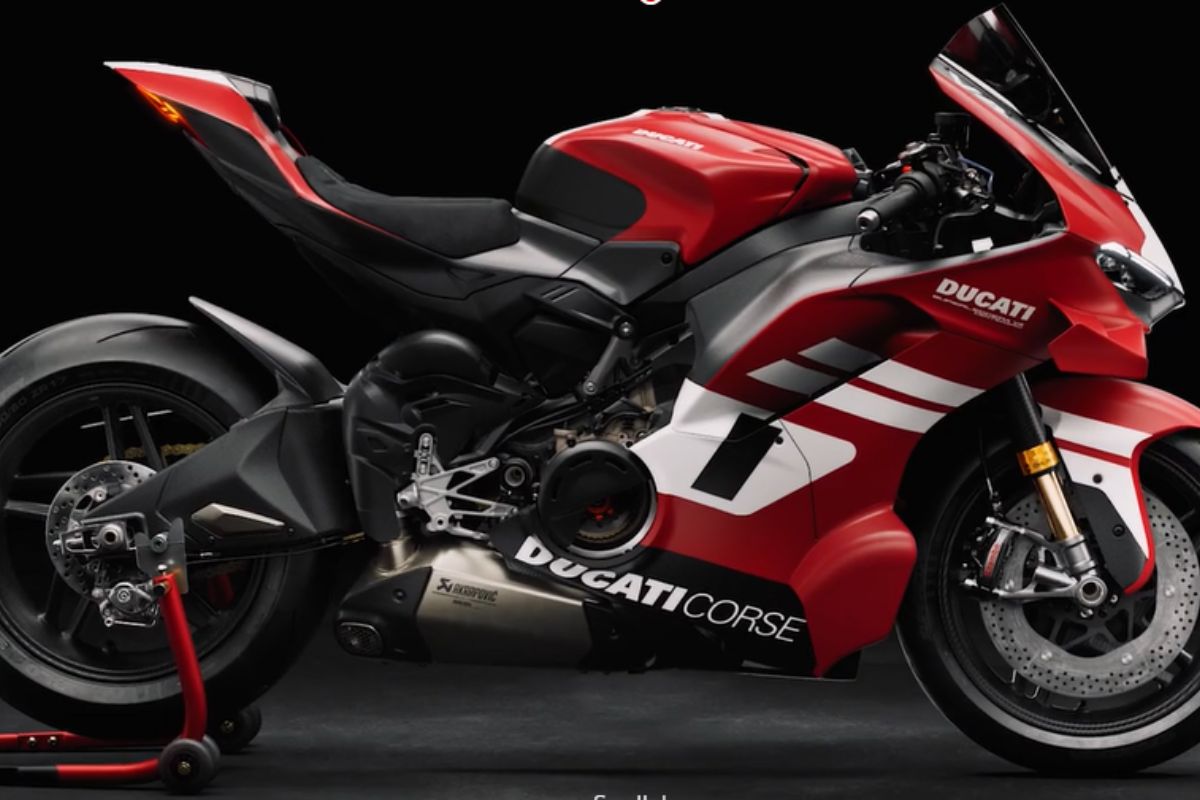
Ducati brings to Brazil the Superleggera V4 Centenario: 228 hp that become 247 with a track kit, carbon fiber and carbon-ceramic brakes, estimated price between R$ 1.5 and 2 million, deliveries only in 2027.

While part of the sector interprets the decision as a pragmatic correction, others consider the postponement a sign of retreat that undermines regulatory predictability and weakens Europe’s position in the global race for electrification.
Among the companies that reacted publicly is BYD, the largest Chinese manufacturer of new energy vehicles, which believes that the relaxation favors automakers still dependent on conventional engines.
According to the company, the change benefits those who have not completed the electric transition and penalizes manufacturers that focused their investments exclusively on electric vehicles and associated technologies.
Review of European Policy for Internal Combustion Engines
The European Commission proposed reviewing the plan that anticipated the end of sales of new cars with internal combustion engines starting in 2035, allowing exceptions for certain types of vehicles.
The new approach opens space for hybrids, models with synthetic fuels, or emission compensation systems, meeting demands from European manufacturers for greater regulatory flexibility.
This change seeks to address challenges faced by the industry, such as high costs, uneven adoption rates of electric vehicles, and limitations in charging infrastructure in some regions.
On the other hand, the loosening of restrictions imposes the need to maintain parallel investments in different technologies, increasing industrial complexity and fragmenting resources allocated to research and development.
The division of efforts between traditional and electric engines tends to reduce financial efficiency and delay scalability gains in fully electric platforms.
Furthermore, the revision of the schedule generates additional uncertainties for suppliers, investors, and local governments involved in planning infrastructure and production chains.
BYD’s Position on the Division of Investments
BYD believes that the review of the European timetable creates a structural disadvantage for manufacturers on the continent, who are forced to divide investments between competing technologies.
Stella Li, the group’s vice president, stated that extending the lifespan of traditional engines forces European brands to disperse financial and human resources.
According to the executive, there is not enough capital to simultaneously dominate conventional and electric engines, which compromises competitiveness and technological efficiency in the medium term.
Li stated that BYD has been exclusively focused on electrification for nearly 30 years, directing all investments towards electric vehicles and new energy solutions.
This strategy, according to her, has allowed for the consolidation of technical expertise, reduced costs, and accelerated the development of products aimed exclusively at electric mobility.
The executive also highlighted that successive delays of the European Green Deal directly affect research and development, making stable planning difficult for local manufacturers.
“Europe is pushing and then delaying the European Green Deal, and for manufacturers, this affects research and development. Their investments need to be split between two areas; there is never enough money for that, and they never dominate either of them.”
Impacts on the European Automotive Industry
The European automotive industry has historically played a central role in the continent’s economy, sustaining jobs, technological innovation, and high-value exports.
Traditional manufacturers face increasing pressure to meet rigorous environmental targets while balancing costs, margins, and the transition to new production platforms.
The postponement of the ban may provide temporary financial relief, allowing for greater recovery of investments made in internal combustion and hybrid engines.
However, this regulatory comfort may reduce the urgency for electric innovation, delaying the development of dedicated platforms and the consolidation of modern production chains.
The fragmentation of investments tends to limit scale gains and industrial learning, decisive factors for competing with global companies focused exclusively on electrification.
This scenario may weaken Europe’s position in an increasingly global market dominated by manufacturers with more concentrated technological strategies.
BYD’s Advancement in the European Market
BYD has been expanding its presence in Europe through a strategy based on frequent launches, competitive pricing, and focus on high-volume segments.
The company has consolidated its operations in electric SUVs and compact cars, exploring the growing demand for electric mobility on the European continent.
By 2025, the Chinese manufacturer tripled its registrations in the European Union compared to the previous year, increasing its market share.
This growth occurred in an environment of fierce competition, marked by price disputes and efforts at technological differentiation among global manufacturers.
By maintaining investments focused on electrification, BYD avoids costs associated with maintaining legacy internal combustion platforms.
The company is also exploring new segments, such as urban electric vehicles inspired by kei car concepts, seeking competitive niches in the European market.
Environmental Debate and Infrastructure Challenges
Proponents of the original targets argue that delaying the transition compromises the fight against climate change and weakens Europe’s environmental leadership.
According to this view, stable and ambitious policies stimulate investments in electric vehicles, charging infrastructure, and strengthening the clean energy chain.
On the other hand, sectors favoring flexibility highlight limitations in charging infrastructure and regional inequalities in the adoption of electric vehicles.
These groups argue that an accelerated transition, without adequate support, could generate negative effects in economically less prepared regions.
Even with the postponement, the need for consistent planning, industrial coordination, and structural investments remains to ensure a sustainable transition.
The European challenge involves balancing environmental ambition, industrial competitiveness, and regulatory predictability in a rapidly transforming global scenario.
A Strategic Turning Point
The postponement of the ban on internal combustion engines represents a turning point for the European automotive industry and its position in the global market.
While providing breathing room in the short term, the decision highlights risks associated with the dispersion of investments and the loss of technological focus.
Companies that maintain focused electrification strategies advance more rapidly, while divided manufacturers face growing challenges.
In this context, Europe risks compromising its industrial leadership by delaying structural decisions in a sector undergoing significant technological transformation.
The dispute highlights that future competitiveness will depend less on flexible timelines and more on strategic focus, industrial scale, and real commitment to electrification.










Os “líderes” europeus vivem no universo paralelo e de cabeça pra baixo