





 Portuguese
  English
  Spanish
  3 min of reading
  0 comments


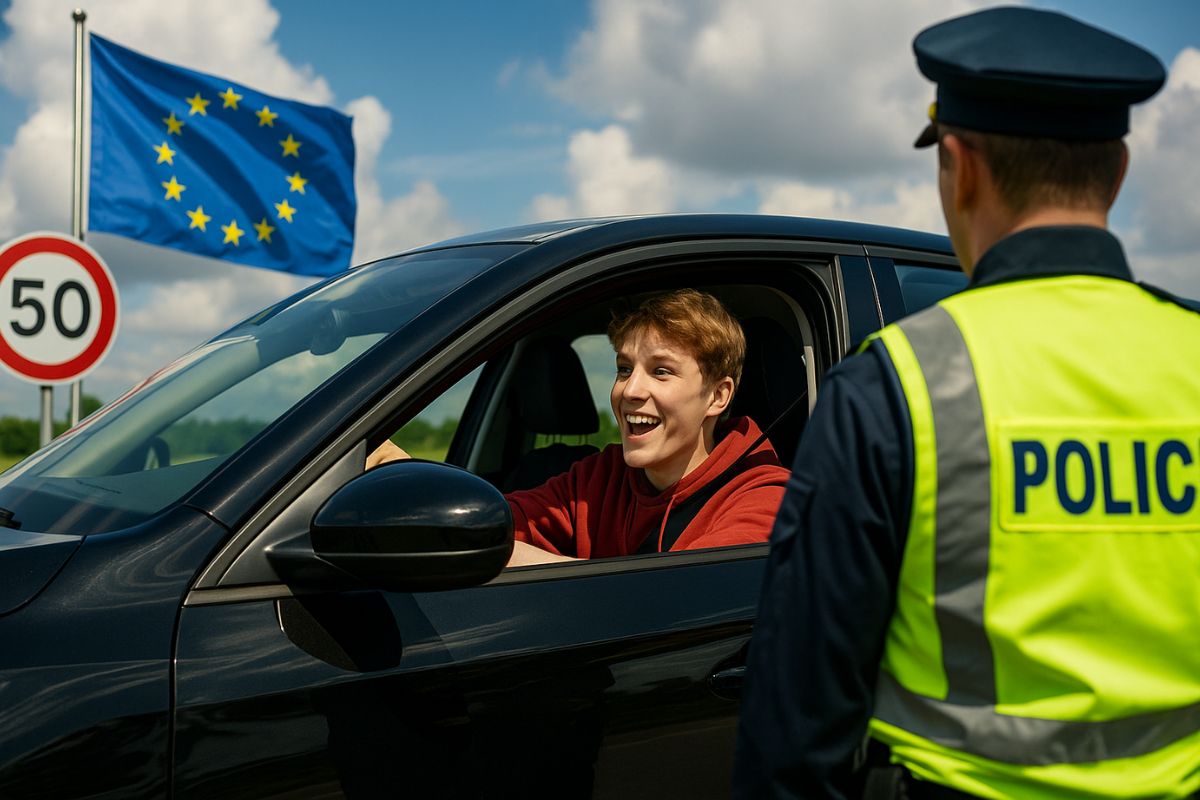
Europe Allows Driving License at 17 With Supervision by Experienced Drivers and Toughens Penalties for Driving Under the Influence, Seatbelt Violations, and Incorrect Use of Child Restraints.
The decision to allow driving licenses at 17 marks one of the biggest changes in European traffic in recent decades. The new directive, approved by the European Parliament, permits young people to drive under supervision until they turn 18, extending the practical learning period and promoting a safer driving culture from an early age.
According to Motor1, the rules will come into effect 20 days after publication in the Official Journal of the European Union, and the countries in the bloc will have three years to adopt the measures, with an additional year to adjust their systems and enforcement. The expectation is that this measure will reduce the rate of accidents involving novice drivers and promote greater responsibility on the road.
Mandatory Supervision and Zero Tolerance for Alcohol
Under the new rules, a 17-year-old can only drive accompanied by an experienced driver, who will be responsible for supervising the driving until the young person turns 18.
-
Man finds over 200 rare cars abandoned on a lot and tries to do the impossible in 8 hours with a surprise at the end.

-
An irregular parking case gains attention after a Mercedes Classe A was removed in such a strange way that it even raised doubts about damage to the car.

-
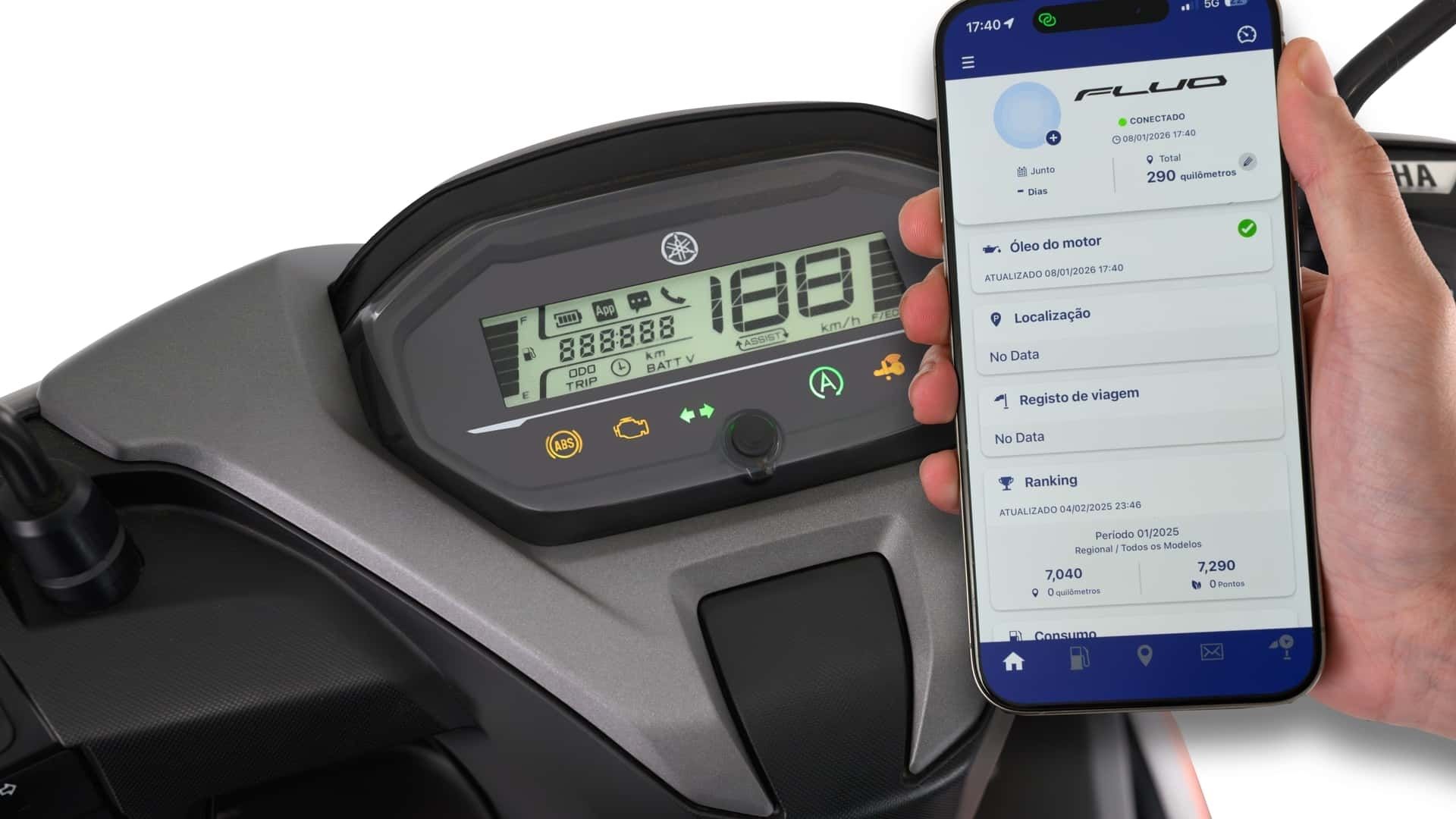
Costing R$ 16,000, the new Yamaha features a 125 cc hybrid engine with electric assistance, delivers 8.3 hp, includes ABS, optimized fuel consumption, Y-Connect connectivity, 25 liters of storage space, and a surprising 4-year warranty in the urban segment.
-
OMODA & JAECOO grows in Europe in 2026 with an integrated strategy of sales, innovation, local production, and technological advancement in the United Kingdom, Italy, and Spain.


This model follows examples already adopted in countries like Germany and Austria, where the practice has significantly reduced collision rates among newly licensed drivers.
Additionally, the European Parliament reinforced penalties for offenses related to alcohol and seatbelt violations.
Driving under the influence of alcohol will be punished more severely, especially during the probationary period.
There will also be harsher penalties for not using seatbelts and child restraint systems, which are considered crucial in reducing fatalities on the road.
Validity Rules and Medical Exams
The new regulation also extends the validity period of driving licenses in Europe. Licenses for cars and motorcycles will now be valid for 15 years, a five-year increase from the current regulations.
Drivers aged 65 or older, however, may be required to renew their documents more frequently with medical exams, according to criteria set by each country.
Another significant change is the possibility of replacing in-person vision and cardiovascular exams with self-assessments, a decision that will be under the responsibility of local authorities.
The intention is to streamline the renewal process without compromising road safety, adapting the rules to the demographic and technological conditions of each member state.
Digital Driving License and Extended Probation Period
Following a global trend, the European Union has authorized the implementation of a digital driving license, which can be presented via mobile phone, eliminating the need for a physical document.
The measure aims to modernize the system and reduce bureaucracy while ensuring authenticity and legal validity of the electronic format.
The reform also introduces a minimum probation period of two years for new drivers, regardless of age.
During this time, any serious violation could result in a suspension of the license, reinforcing the educational and preventive nature of the new rules.
Expected Impact and Next Steps
The changes are part of a broader strategy by the European Union to halve the number of traffic fatalities by 2030.
Authorities state that the new model for driver training, with supervision and a focus on responsibility, could generate a positive impact similar to that observed in countries with similar policies.
Each member state will have the autonomy to define the operational details and implementation timelines, respecting a timeline of up to four years.
The expectation is that, by the end of the decade, young people across Europe will be able to drive under a harmonized regime of rules, supervised and digitized, focused on safety and modernization.
The decision to allow Europe to issue driving licenses at 17 reflects a paradigm shift in the continent’s traffic policy.
By combining supervised learning, stricter penalties, and the transition to a digital model, the European Union aims for a generation of drivers who are more aware and adapted to new technologies.
Do you believe that allowing driving licenses at 17, with stricter rules and mandatory supervision, can really make European roads safer?








Seja o primeiro a reagir!