





 Portuguese
  English
  Spanish
  3 min of reading
  7 comments





Brazil Registers In January The Highest Volume Of Oil Export In Almost Three Years, Driven By New Platforms In The Pre-Salt, But Falling Prices Reduce Revenue.
Oil regained the spotlight in Brazil at the very beginning of 2026. In January, the country recorded a significant jump in commodity exports, reaching one of the largest volumes in recent history.
The increase came after the commencement of new platforms in the pre-salt, which expanded national production capacity.
Nevertheless, despite the physical growth in sales, the money entering the coffers was lower, raising questions about the real impact of this expansion.
-
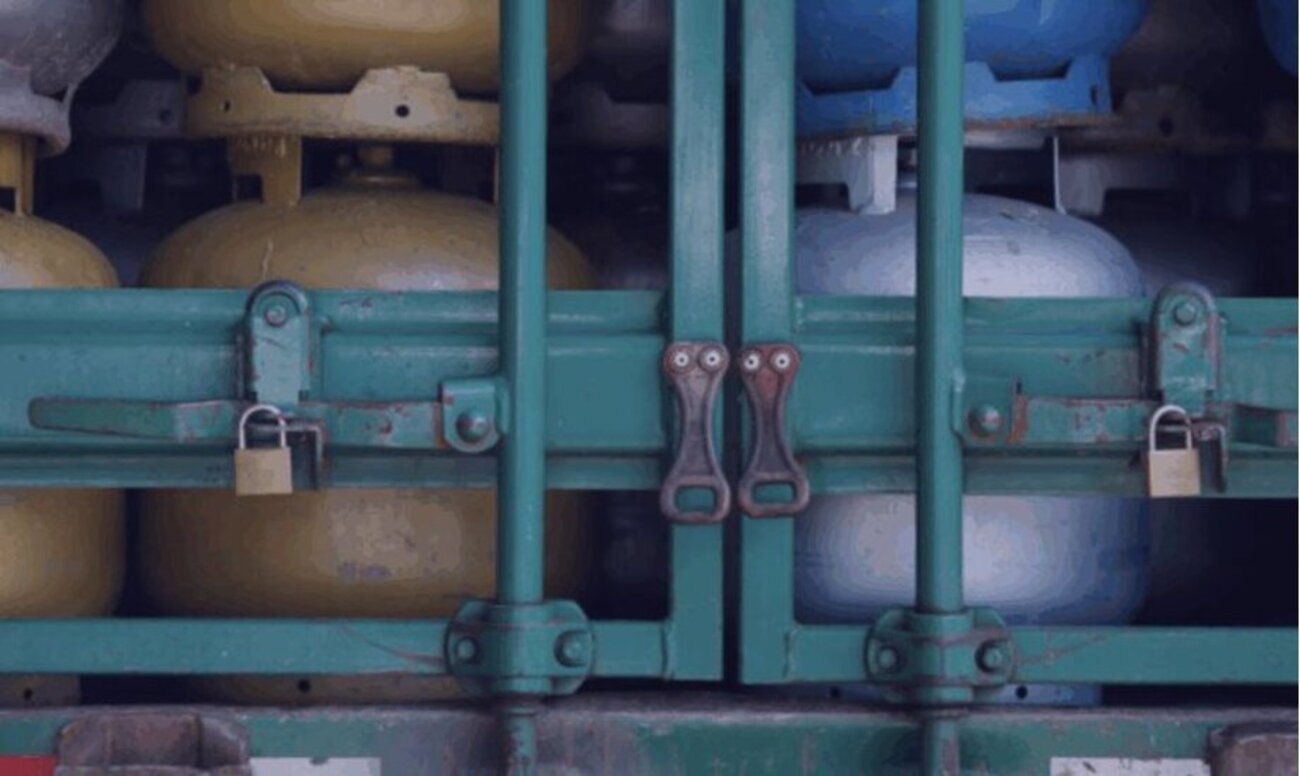
Petrobras evaluates suspension of sales to distributors and considers canceling the cooking gas auction following guidelines from the Federal Government.
-
Lula reveals a masterstroke by Petrobras to undo a deal made by Bolsonaro, which involves the return of an important refinery that currently produces less than half of what was expected and makes Brazil dependent on international diesel.

-
A study confirms that the natural gas sector will reduce greenhouse gas emissions in Brazil by 0.5% and accelerate the energy transition by 2026.

-
Petrobras implements a severe adjustment and confirms a 55% increase in the price of aviation kerosene with a proposal for installment payments for the companies.


Oil Exports Soar And Reach Historical Milestone
Right in the first month of the year, Brazil exported 10.57 million tons of oil, according to data from the Secretariat of Foreign Trade (Secex) of the Ministry of Development, Industry, Commerce, and Services.
This number comfortably exceeds the volume from January 2025, when 9.33 million tons were shipped.


In practice, this represents a growth of 13.3% in just one year. In the historical series, this volume is only behind March 2023, when the country exported 11 million tons of oil, the highest level ever recorded.
Therefore, even in an unstable global scenario, Brazilian oil continues to find a place in the international market, expanding its presence in the main purchasing destinations.
Falling Prices Reduce Revenue Even With More Oil Sold
Despite the increase in volume, revenue from oil exports took the opposite route. In January, Brazil collected US$ 4.3 billion from external sales of the commodity, representing a drop of 7.8% compared to the same month in 2025.
This happened because the average price of Brazilian oil fell significantly. In the first month of 2026, the ton was sold for US$ 407.4, representing a decrease of 18.6% compared to the price a year earlier.
In other words, the country sold more oil but received less money for each ton exported, a contrast that raises concerns in the sector.
This growth in exports did not happen by chance. In 2025, four new platforms began operations in strategic pre-salt fields.
Petrobras put into operation three units, two in the Búzios field and one in the Mero field, both located in the Santos Basin.
Additionally, the Norwegian company Equinor started production in the Bacalhau field, also in the same region.
These projects directly increased the supply of Brazilian oil, allowing for more cargo to be sent abroad.
Brazil Establishes Itself As A Power In Latin American Oil
A report from the consulting firm Rystad Energy, recently released, points out that Brazil will be primarily responsible for the growth of oil production in Latin America in 2026.
The projection indicates that the country is expected to exceed 4.2 million barrels per day this year.
This advance comes on the heels of a historic performance in 2025, when Brazil set a record by producing an average of 3.770 million barrels per day, a growth of 12.3% compared to the previous year, according to data from the National Agency of Petroleum, Natural Gas and Biofuels (ANP).
With Brazil exporting more and more oil, but earning less for it, do you think this expansion really benefits the country or could bring problems in the future?









Brasil tem um probleminha crônico que é o desviou de verba tudo vai dar prejuízo principalmente nas mãos de quem está hj.
Para a macro economia do Brasil, não, mas para os acionistas da Petrobras, incluindo o próprio estado brasileiro, sim, pois serão menos dividendos distribuídos, até porque, desde 2023 (governo Lula 3) a Petrobrás retornou aos investimentos e parou de alienar bens como a BR distribuidora – empresa subsidiária que fazia com quem a Petrobras conseguisse equilibrar as suas receitas, aí influenciar o mercado interno de derivados com a sua política “do poço ao posto”. Infelizmente, a política do governo anterior (Paulo Guedes/Bolsonaro) privatizou gasodutos e postos de gasolina.
Oi