





 Portuguese
  English
  Spanish
  4 min of reading
  0 comments


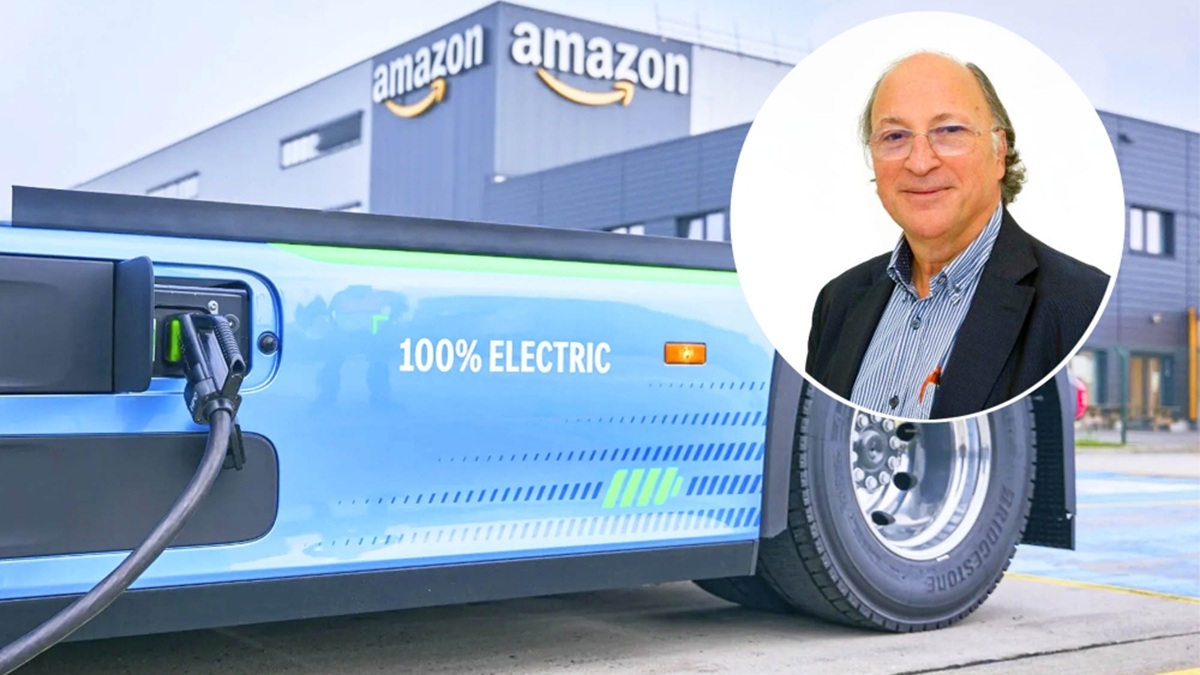
Director Of The Catalan Institute For Energy Research States That The Spanish Electrical Grid Does Not Have The Capacity To Sustain The Electrification Of 30% Of Transport, Points To Saturation Of Distribution Nodes, Slow Progress Of Renewables And Risk To The 2030 And 2050 Targets
The director of the Catalan Institute for Energy Research, Joan Ramon Morante, stated that there is not enough energy to electrify 30% of transport in Spain, pointing to limitations of the electrical grid in light of the European Union’s climate targets and the PNIEC.
Transport And Structural Limit Of The Electrical Grid
“There is not enough energy available to electrify 30% of transport,” said Joan Ramon Morante, director of the Catalan Institute for Energy Research. According to him, the current electrical grid does not have the capacity to reach this considered strategic level.
The warning comes in a context of a broad electrification agenda in Spain and Catalonia, covering mobility, industry, and residential energy consumption. The goal is aligned with the European Union’s climate objectives and the Integrated National Energy and Climate Plan.
-
A French brand placed a car on four huge red balloons to prove that its suspension made the vehicle “float,” and the surreal scene became one of the most iconic and unusual images in automotive history.

-
Jeep Avenger begins production in Brazil, debuting as the brand’s new entry-level SUV and inaugurating an unprecedented phase by becoming the first national Jeep manufactured outside of Goiana, as part of a R$ 3 billion plan.

-
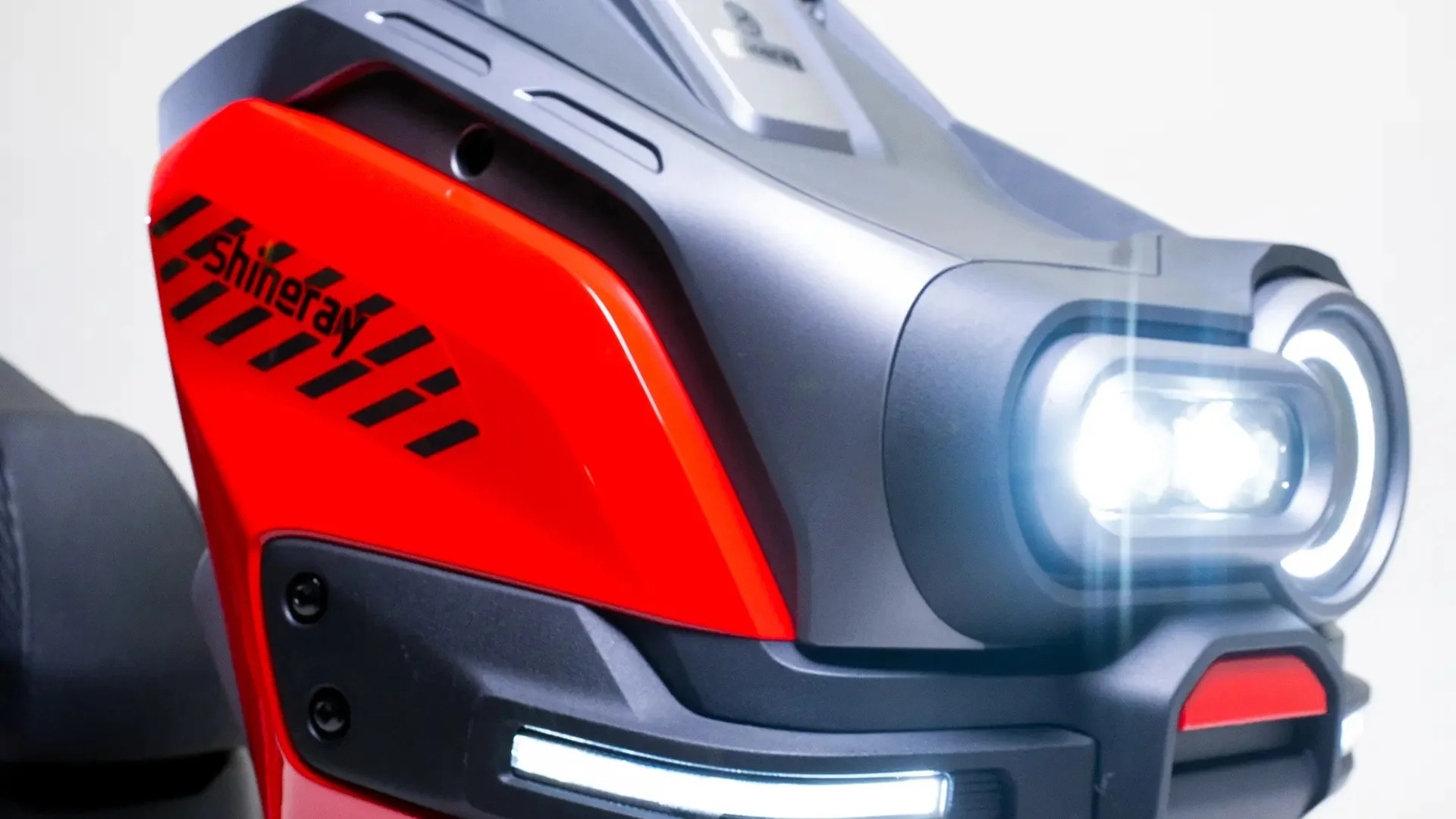
Costing R$ 12,490, the new Shineray Urban Lite 150 “cheap one” arrives in Brazil with a CVT transmission, digital dashboard, and LED lights, making it more affordable than the Biz and targeting those who want to abandon the bus.
-
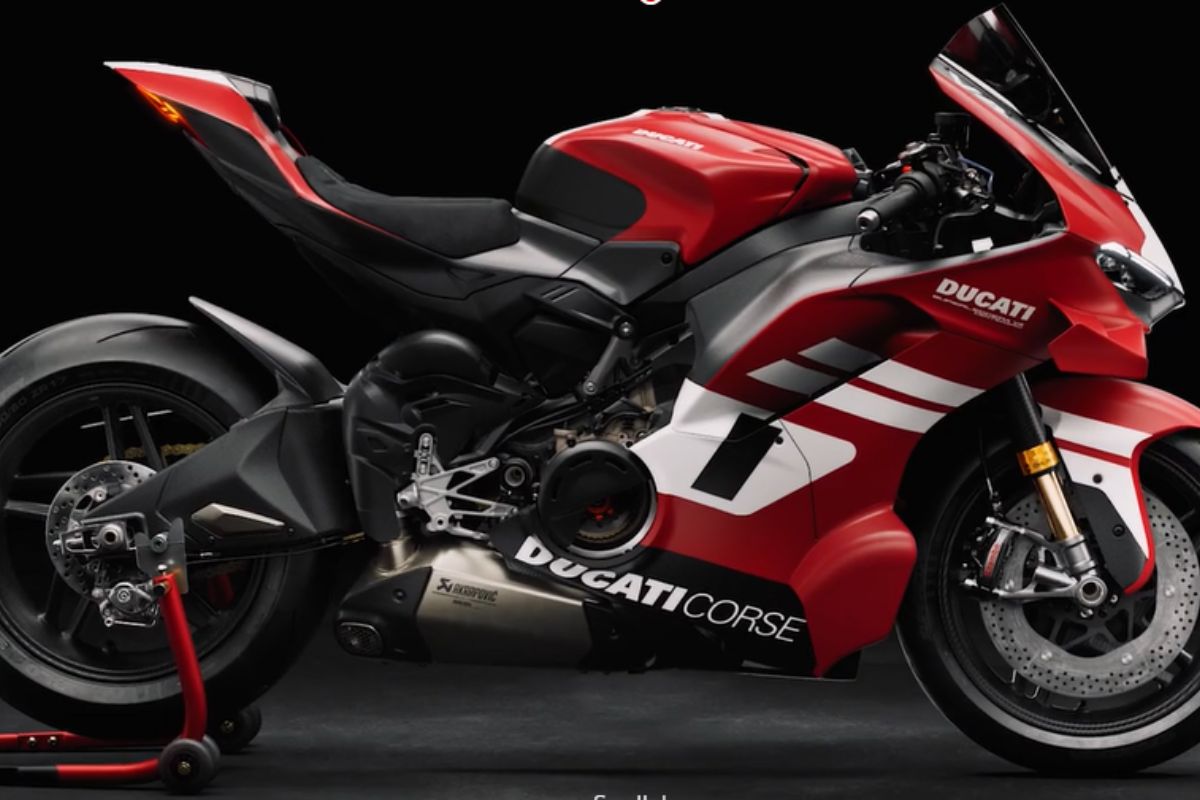
Ducati brings to Brazil the Superleggera V4 Centenario: 228 hp that become 247 with a track kit, carbon fiber and carbon-ceramic brakes, estimated price between R$ 1.5 and 2 million, deliveries only in 2027.

Industry sources indicate that the electrical grid infrastructure is operating at the limit of its current capacity. Many nodes in the distribution network are saturated, lacking space for new connections of significant demand without substantial investments and technical modernization.
Infrastructure Versus Demand In Electric Transport
Morante emphasizes that the grid was designed for an energy model based on centralized generation and conventional technologies. This structure is not optimized to support the growth of distributed generation or the demand resulting from the massive electrification of transport.
Electric vehicles require charging points with powers exceeding 50-100 kW for passenger cars. For heavy vehicles, the demand can reach megawatts, imposing capacity and stability requirements that the current grid cannot meet without reinforcements.
The electrification of transport, combined with the installation of heat pumps and other uses, is expected to multiply electricity demand in the next decade. Without structural adaptation, the available capacity may become overloaded.
Renewables, Variability And Targets For 2030
The penetration of renewable energy, especially photovoltaic and wind, is advancing. Still, Catalonia and other regions remain far from the target of 50% renewable production planned for 2030, with slow processing of new projects.
Renewable expansion introduces variability in energy production. This requires smarter grids and robust storage systems to ensure operational stability in the face of generation or demand peaks.
Morante has previously highlighted in other speeches that, without adequate storage and balancing systems, injecting renewable energy can be difficult to manage, limiting the stability of the electrical system.
While traditional centralized generation, such as nuclear and gas, allowed greater control over production, renewables are intermittent. Integrating them on a large scale into an outdated grid complicates technical and economic operations.
National Saturation And Impact On Transport
The saturation of the grid nodes and the insufficiency of transmission are not limited to Catalonia. At the national level, technical forums and industry conferences point to similar problems, reinforcing the need for massive investments in modern grids.
Dynamic voltage management tools and control devices to handle fluctuations are cited as necessary measures. Without these reinforcements, the electrification of transport may face limitations in deploying charging infrastructure.
According to the analyses presented, grid overload could result in higher costs for consumers and a setback in decarbonizing key sectors if the infrastructure does not keep pace with demand.
Measures Proposed By Experts
Experts advocate for the modernization and expansion of electrical grids to support current and future demand, including the electrification of transport and cooling. Incorporating large-scale storage is considered essential.
There is also a need to adapt regulations and operational tools to allow for more flexible management of a grid with distributed generation. Accelerating procedures for new renewable projects is another cited measure.
Hybrid photovoltaic parks with batteries are mentioned as a solution for storing renewable energy. These structures can help balance the variability of generation.
Morante and other researchers assert that energy should be treated as an essential service, with planning and public policies aligned with the energy transition. The topic involves transport, industry, and residential consumption.
The challenges identified by the IREC are not exclusive to Spain. At the European and global level, reports highlight the need for robust electrical infrastructure to sustain decarbonization by 2030 and 2050.
The warning that there is not enough energy to electrify 30% of transport, if not addressed with clear policies and adequate resources, could delay deadlines and increase transition costs. The situation is treated as a technical warning in light of the established targets.










-

-

-

-

6 pessoas reagiram a isso.