





 Portuguese
  English
  Spanish
  4 min of reading
  0 comments



Offshore Decommissioning: Strategic Phase in the Oil and Gas Industry, Aligning Energy Transition and Circular Economy to Operational Complexity.
The decommissioning of offshore facilities emerges as a crucial and strategic stage within the oil and gas industry. In this phase, companies face a myriad of challenges while seeking ways to integrate sustainable practices into inherent operational complexities. The transition to a more circular and environmentally friendly economy presents a concrete opportunity, as decommissioning can facilitate the adoption of new technologies that positively contribute to this change. Therefore, by investing in innovative solutions, the sector can not only minimize its negative impact but also promote a virtuous cycle of reuse and renewal.
Furthermore, the decommissioning process is closely tied to planning phases such as dismantling, where the goal is to safely and efficiently conclude operations. The termination of offshore activities not only signals the end of a stage but also opens new possibilities for the industry and the environment. This engaging process allows the sector to grow and evolve, aligning with modern expectations of sustainability and innovation. In summary, navigating the complexities of this phase can be challenging, but it also paves the way for best practices in the future.
More than simply ending operations, this stage represents a unique opportunity to reassess the current infrastructure, incorporate technological advancements, and rigorously meet environmental and safety demands, as experts in the field point out.
-
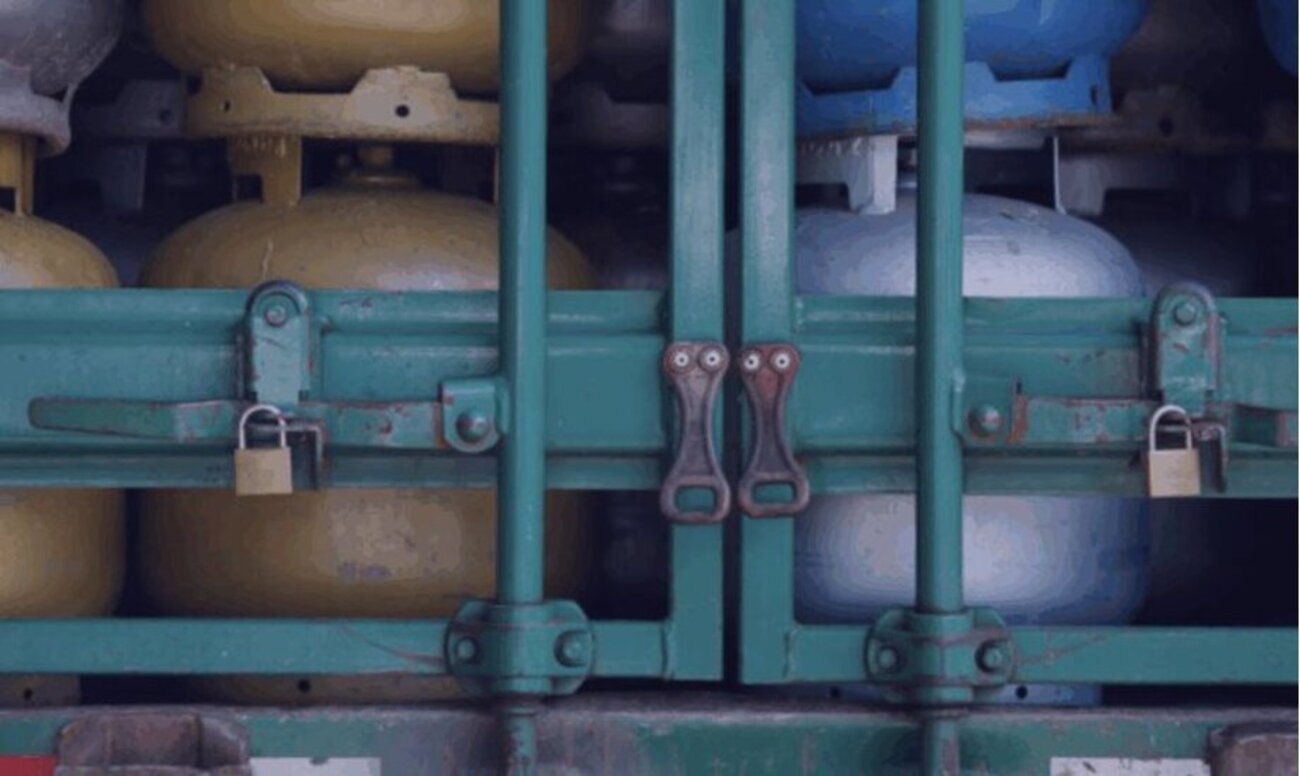
Petrobras evaluates suspension of sales to distributors and considers canceling the cooking gas auction following guidelines from the Federal Government.
-
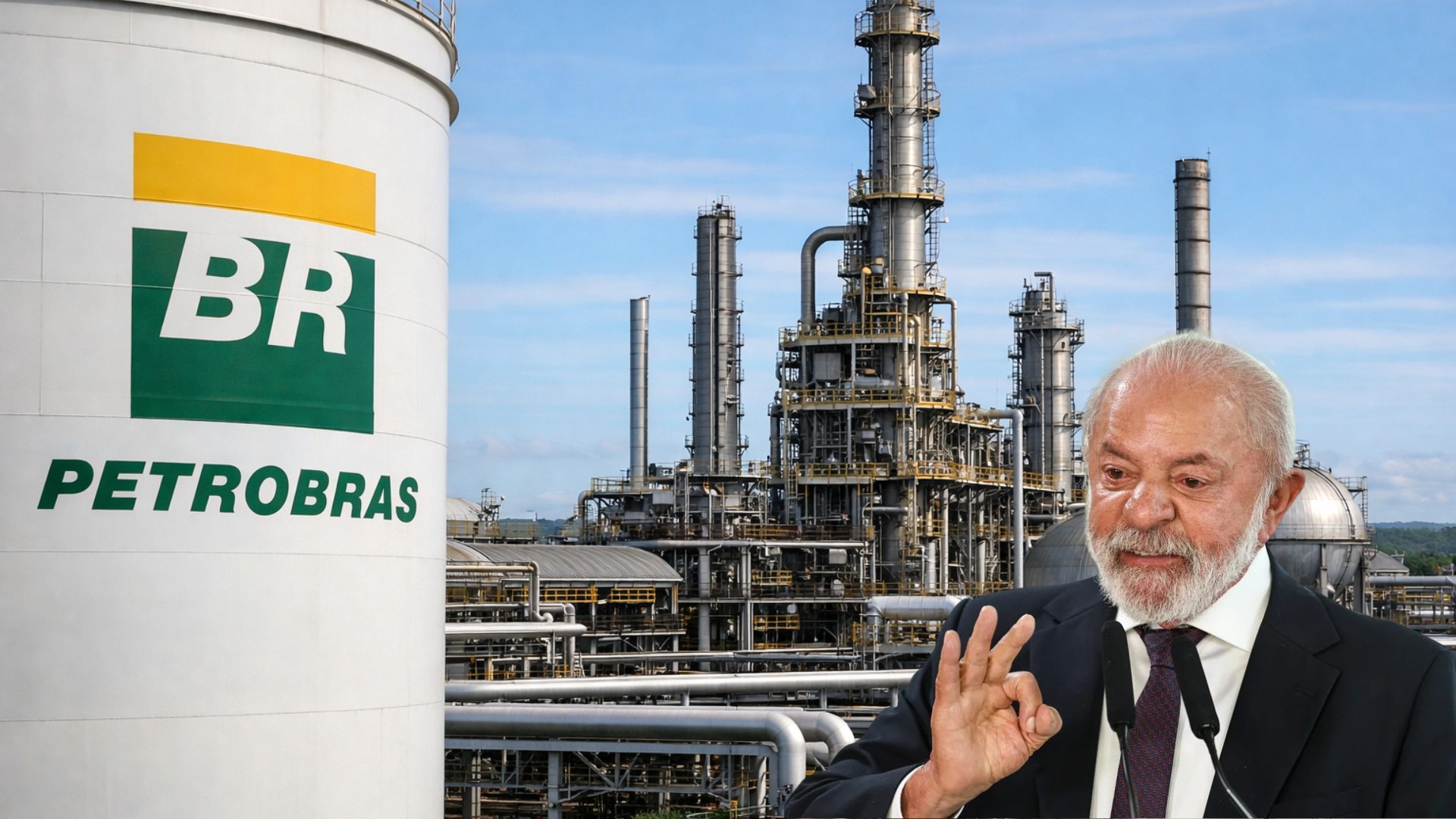
Lula reveals a masterstroke by Petrobras to undo a deal made by Bolsonaro, which involves the return of an important refinery that currently produces less than half of what was expected and makes Brazil dependent on international diesel.
-
A study confirms that the natural gas sector will reduce greenhouse gas emissions in Brazil by 0.5% and accelerate the energy transition by 2026.

-
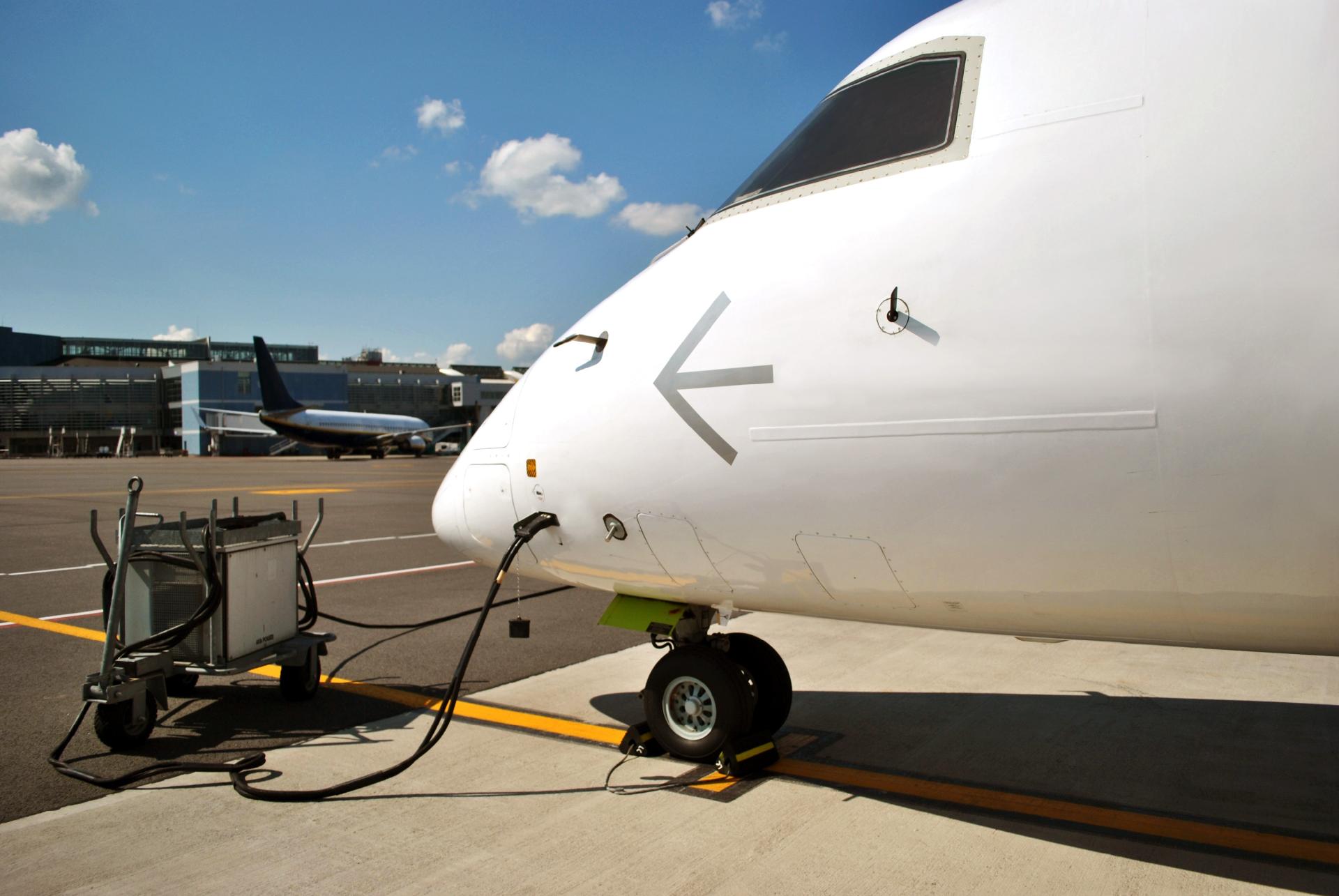
Petrobras implements a severe adjustment and confirms a 55% increase in the price of aviation kerosene with a proposal for installment payments for the companies.

Dismantling in Brazil: Challenges and Opportunities
With a growing number of platforms and wells in Brazil reaching the end of their productive lives, companies are facing increasingly complex challenges to complete this decommissioning efficiently, safely, and sustainably, as noted by Mauro Destri, CEO of Destri Energy and consultant in the oil and gas sector at Timenow, one of the five largest consulting engineering firms in Brazil.
According to Wester Cardoso, Operations Director at Timenow, this conclusion of operations becomes even more critical in emerging markets, such as Brazil, due to operational and regulatory particularities. However, decommissioning is aligned with the energy transition, opening doors to cleaner and more sustainable solutions, making it especially relevant in the global energy scenario.
Costs and Operational Complexity: An In-Depth View
The costs associated with decommissioning vary substantially according to the location and complexity of the installation. For Destri, in mature markets like the North Sea, the established infrastructure and extensive experience gained over time help mitigate costs. In Brazil, however, the situation is different. The lack of budget predictability and inadequate long-term planning exacerbates difficulties. Each project requires tailored solutions adjusted for specific contexts, increasing operational complexity and challenges in risk management, highlights Cardoso.
Regulatory Compliance: Challenges and Advances
The regulatory framework in Brazil, despite advancements with norms such as RANP 817/2020, still lacks clarity and harmonization, as explained by the Timenow executive. Existing gaps, along with the interpretation and application of international norms, create legal uncertainties that can delay operations and increase costs. Alignment with best international practices and compliance with local technical regulations are essential for the success of decommissioning in the country, explains Destri.
Port Infrastructure and Logistics
Brazilian port infrastructure, critical for carrying out dismantlements, still has limitations in terms of suitable ports, known as ‘green ports’, and specialized vessels for the removal and transport of waste. The absence of well-developed logistics directly impacts the economic and operational viability of projects. Additionally, the remote location of many offshore facilities in Brazil increases logistical challenges, requiring innovative solutions to overcome these barriers, says Cardozo.
Energy Transition and Circular Economy
Despite the challenges, offshore decommissioning offers an ideal platform for adopting emerging technologies and applying sustainable practices. The use of underwater robotics, remote sensors, and other technological advancements is optimizing dismantling, reducing risks and increasing efficiency, comments Destri. The circular economy plays a central role in this process, focusing on the recycling and repurposing of materials, reinforcing the sector’s commitment to sustainability, adds the executive. Moreover, decommissioning frees up strategic areas that can be reused for the installation of renewable energy parks, such as offshore wind farms, strengthening the connection between dismantling and energy transition. In Brazil, with several platforms nearing the end of activities, aligning decommissioning with energy transition policies could position the country as a leader in renewable energy development, concludes Cardozo.
Source: © iolanda.nascimento@tamer.com.br









Seja o primeiro a reagir!