





 Portuguese
  English
  Spanish
  6 min of reading
  0 comments


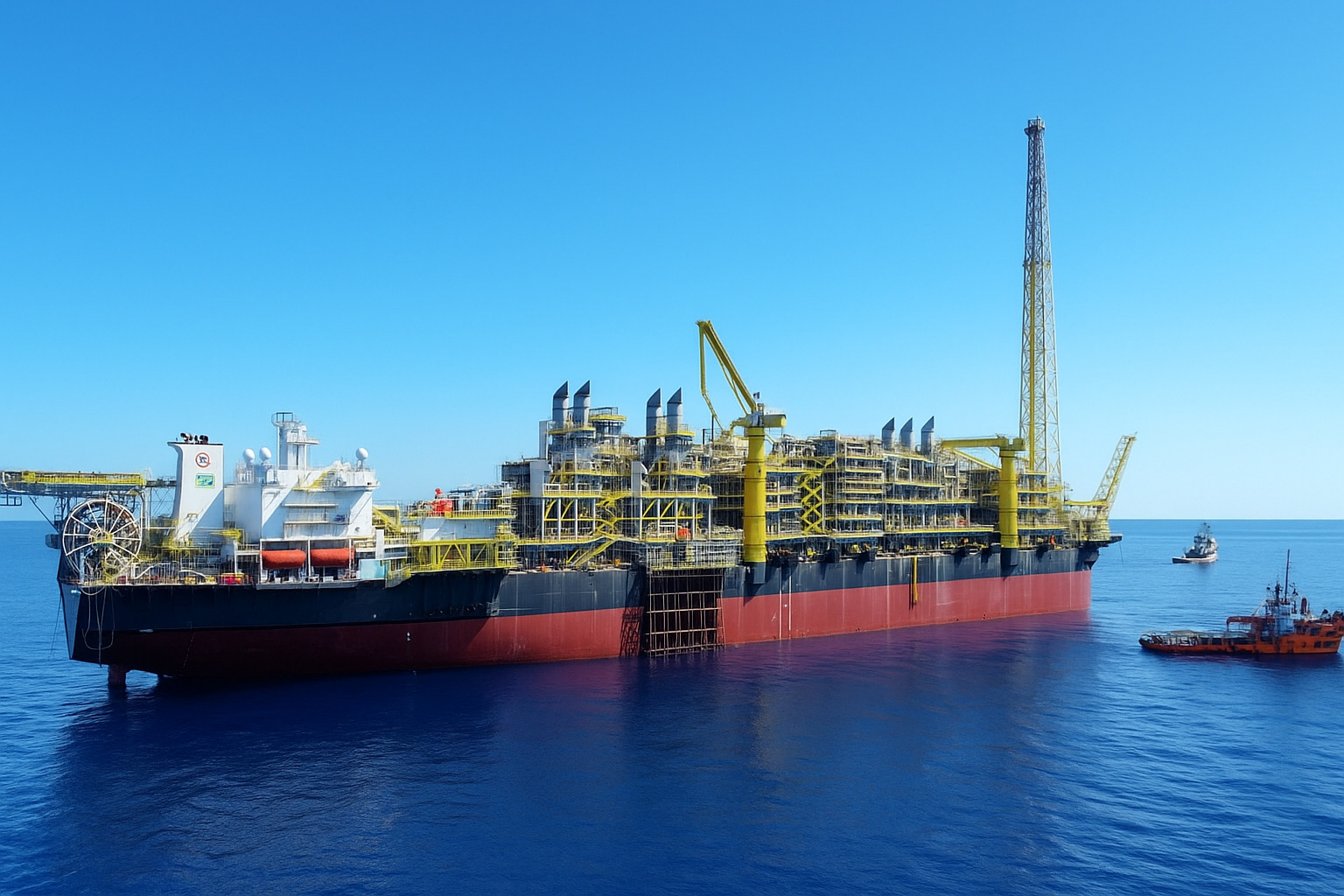
Discover How Modec Will Test a Sustainable FPSO with Fuel Cells, Innovating Clean Energy Generation in Brazil.
Currently, the concept of sustainable FPSO has gained increasing relevance in the offshore exploration sector. Especially as the oil industry seeks to reconcile energy production with reducing environmental impacts.
Recently, Modec, the Japanese company specializing in floating production vessels, took an important step by announcing the implementation of a pilot solid oxide fuel cell (SOFC) system in one of its units in the Brazilian pre-salt.
This movement represents not only a technological innovation but also a milestone in the global decarbonization trajectory of the oil and gas sector.
-
Brazilians paid R$ 18 billion more for energy from the Itaipu plant, reflecting a direct impact on tariffs and generating discussions about costs, transparency, and balance in the national electricity sector.

-
Equatorial adopts new national number for consumer units on electricity bills starting in April, following ANEEL standards and modernizing energy bills in several states.
-
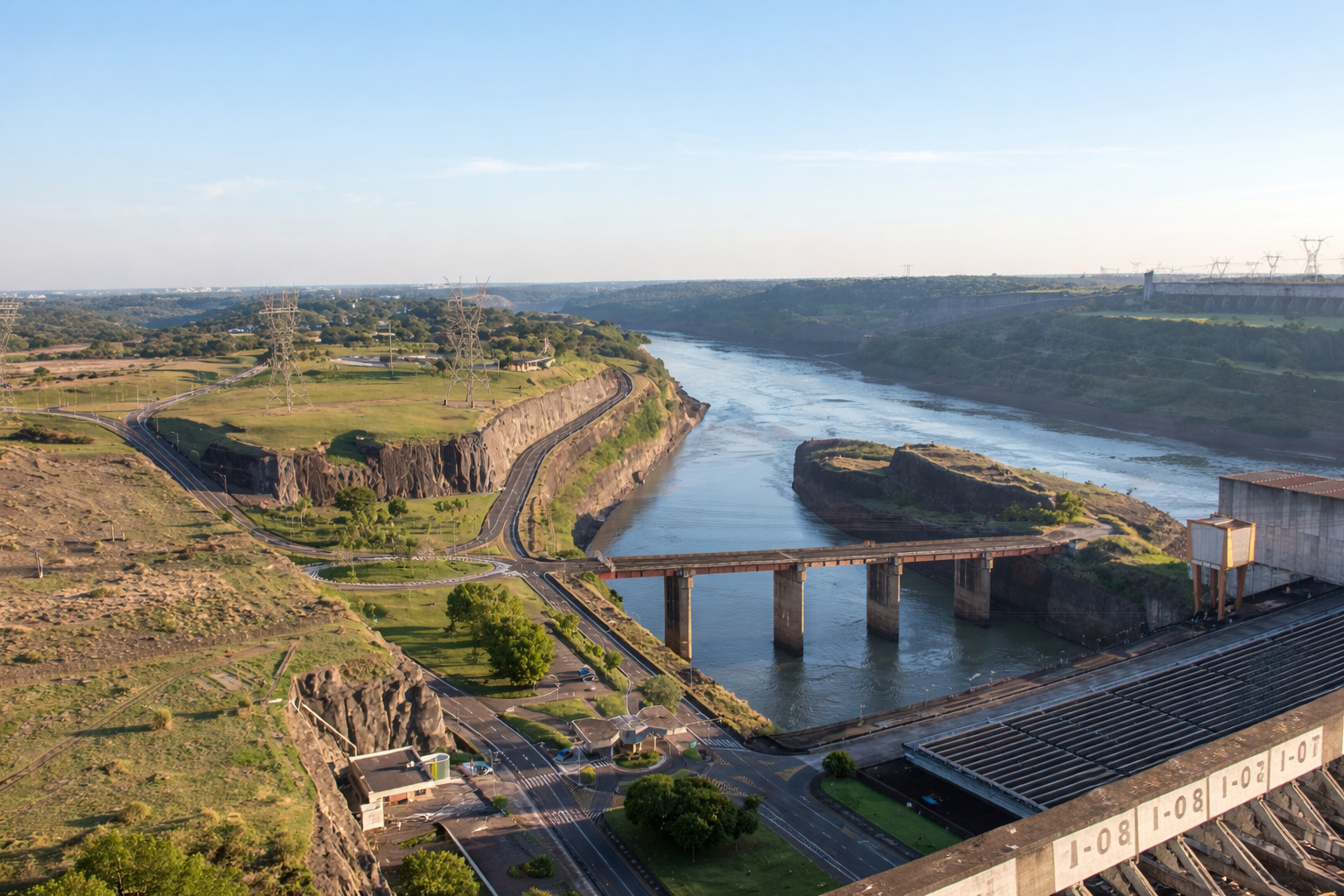
Itaipu Impresses the World: Hydroelectric Plant with 20 Turbines and 14,000 MW Generates Over 2.9 Billion MWh and Leads Global Clean Energy Production
-
Aneel Revokes CMAA Thermal Power Plants After Network Restrictions and Excess Energy in the System
Historically, offshore exploration and production operations have always faced challenges related to energy generation for floating units.
Before the arrival of sustainable technologies, FPSOs primarily relied on gas turbines and conventional generators. Although effective, they would emit large volumes of greenhouse gases (GHG).
Therefore, with the growth of discussions about climate change and regulatory pressure to reduce the carbon footprint, the industry began to seek alternatives that ensure energy efficiency without compromising the environment.
Moreover, it is in this context that sustainable FPSOs become essential.
They reduce pollutant emissions and serve as innovation laboratories, allowing new technologies to be tested and improved before scaling up.
Thus, these floating units demonstrate how the industry can evolve, maintaining energy production while respecting increasingly stringent environmental commitments.
SOFC Technology: Innovation for Clean Energy Generation
In this regard, the partnership between Modec and Eld Energy stands out.
The Norwegian company Eld Energy is developing a pilot SOFC system with a generation capacity of 40 kW. It aims to transform the way FPSOs produce electricity.
Unlike traditional systems that burn fossil fuels, the fuel cells convert chemical energy into electricity through electrochemical reactions between a fuel gas and oxygen.
Consequently, this process is highly efficient and does not involve combustion, which directly contributes to reducing GHG emissions.
The development of SOFC technology is the result of decades of research in clean energy.
From the first attempts to create fuel cells in the 19th century, through the use in submarines and spacecraft in the 20th century, to the most recent commercial systems, the evolution of these technologies demonstrates the ongoing quest for cleaner and more efficient solutions.
Thus, for the first time, this technology will have a pilot application on an FPSO, showing how innovation works in practice in complex and challenging environments like the Brazilian offshore.
Furthermore, the application of these technologies allows sustainable FPSOs to operate more quietly and with less maintenance, as fuel cells have fewer moving parts than conventional systems.
This way, the risks of operational failures decrease, increasing the reliability of the units and contributing to the safety of the crew on board.
Brazil’s Strategy and Economic Advantages
On the other hand, for Brazil, the implementation of a sustainable FPSO is not limited to the technological aspect but also has significant strategic importance.
The country has one of the largest deep-water oil reserves in the world and stands out internationally for combining energy production with environmental responsibility.
Thus, the adoption of clean energy technologies on offshore platforms reinforces the country’s role as a hub of innovation and sustainability in the oil and gas industry.
Additionally, SOFCs present relevant economic advantages.
Operating at high temperatures, these cells achieve superior energy efficiency compared to traditional generators.
Therefore, studies indicate that the use of this type of technology can reduce GHG emissions by up to 50% compared to conventional gas turbine systems.
This reduction benefits not only the environment but also generates significant savings in fuel consumption and operating costs over time.
Another important advantage is the predictability of energy generation.
Unlike renewable sources like solar and wind, which depend on weather conditions, SOFCs provide constant energy, ensuring that the sustainable FPSO maintains its operations without interruptions.
Consequently, this is crucial for offshore activities, where production continuity ensures economic viability.
Impact on the Industry and Society
Besides the technological and economic aspects, the initiative by Modec and Eld Energy sends an important message to the entire offshore industry: the transition to more sustainable operations is possible and can be implemented practically.
Thus, the application of sustainable FPSOs paves the way for other companies in the sector to invest in clean technologies, creating a multiplier effect that contributes to global climate change mitigation.
The announcement also reflects a broader trend of decarbonization in the energy sector.
Today, major companies around the world are setting carbon neutrality targets.
Therefore, for Modec, the goal of zero emissions by 2050 becomes more concrete with the adoption of innovative technologies like SOFCs, demonstrating that the pursuit of efficiency and sustainability can go hand in hand.
From an operational perspective, the installation of fuel cells on an FPSO presents significant challenges.
Offshore units face severe weather conditions, constant movements, and space and weight limitations.
Thus, overcoming these barriers requires technical expertise, rigorous planning, and strategic partnerships, such as the one established between Modec and Eld Energy.
According to Leonardo Santoro, Technical Management Manager at Modec in Brazil, the country is a strategic hub for this type of innovation, due to the maturity of the local industry, the relevance of the assets, and the technical knowledge of the team.
Additionally, the tests conducted on this sustainable FPSO will generate important data on performance, efficiency, and durability of fuel cells in real environments.
Thus, this data will help the industry to accelerate the adoption of clean technologies on other offshore platforms worldwide.
Future Perspectives and Technological Innovation
Hans Fredrik Lindøen-Kjellnes, CEO of Eld Energy, emphasizes that the project goes beyond a technological test: it demonstrates the potential of SOFCs in decarbonizing offshore operations.
This perspective reinforces the importance of initiatives that combine research, development, and practical application, creating replicable global examples.
The innovation brought by this sustainable FPSO also positively impacts society and the environment.
By reducing pollutant emissions, the units contribute to preserving marine biodiversity and improving air quality in regions near ports.
Furthermore, the adoption of clean technologies on offshore platforms strengthens the industry’s image before investors and consumers, who are increasingly attuned to sustainability as an evaluation criterion.
In the long term, the experience with SOFCs on a sustainable FPSO may pave the way to integrate other clean energy sources into offshore operations.
Thus, the combination of fuel cells, solar energy, and hybrid solutions can make units increasingly self-sufficient and less dependent on fossil fuels, aligning with global carbon reduction goals.
Sustainable FPSOs as a Benchmark
In summary, Modec’s project represents a milestone in the history of the offshore industry.
The application of sustainable FPSOs with innovative technologies like SOFCs demonstrates that it is possible to reconcile energy production with environmental responsibility.
Therefore, this technological advancement, combined with the historical experience of the industry and the pursuit of efficiency, contributes to a future where offshore operations become cleaner, safer, and economically viable.
By hosting this innovation, Brazil reinforces its position as a benchmark for sustainable solutions in the oil and gas sector.
Thus, the expectation is that the tests started in 2026 will provide valuable data to expand the use of these technologies, consolidating the importance of sustainable FPSOs in the global energy transition and the commitment to a future with a lower environmental impact.






Seja o primeiro a reagir!