





 Portuguese
  English
  Spanish
  5 min of reading
  0 comments


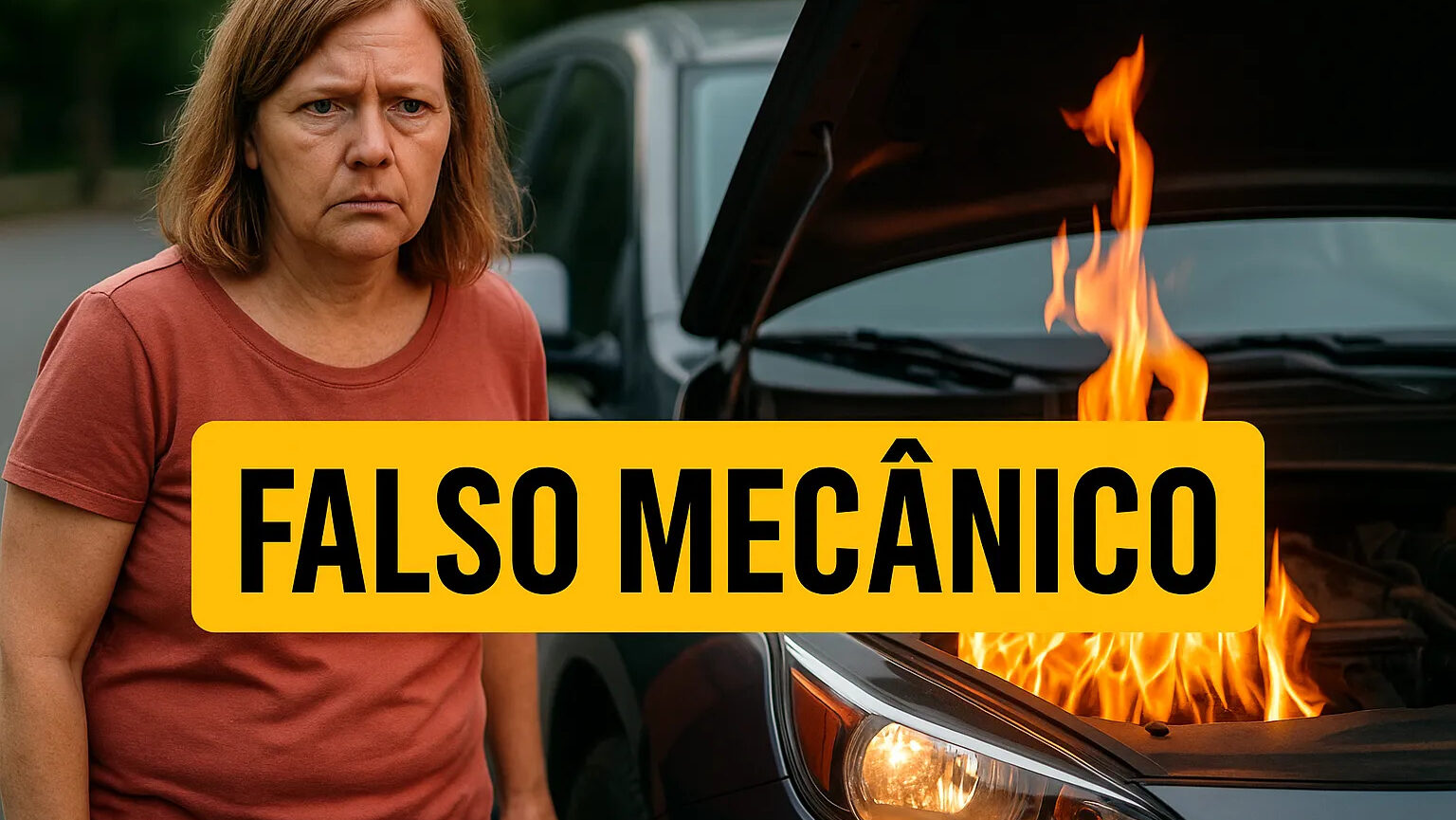
Fake Breakdown Approach in Downtown Uberlândia Ended in Debt of R$ 250, After Fake Flames, Locking of Victim’s Cell Phone and Misuse of Card, According to Report Broadcast by TV Paranaíba
Fake vehicle breakdown scam in downtown Uberlândia causes a loss of R$ 250, repeats pattern already recorded by the police and exposes technique with fake flames, cell phone lock, and undue credit card charge.
Everything happened when Gláuscia was picking up her granddaughter from school and was approached in downtown Uberlândia by scammers who simulated a mechanical failure in her car, created fake flames, and charged for a non-existent service, causing an undue debt of R$ 250 and a police report.
Approach Occurs on Busy Avenue in Downtown
The incident occurred on Cesáreo Alvim Avenue, in the central region of the city, when Gláuscia heard a loud noise in the vehicle while driving. Shortly thereafter, a man in another car approached and yelled that something was wrong underneath the vehicle.
-
The Argentine government celebrates the lowest poverty rate in 7 years, but experts warn that the methodology has changed, real wages have fallen, unemployment has risen, and the number of people on the streets of Buenos Aires has increased by 57% since Milei took office.

-
7.8 magnitude earthquake in Indonesia frightens the population, triggers tsunami alert, and hits an island with over 200,000 inhabitants this Thursday.

-
Google will finally let you change that embarrassing Gmail address you created in your teenage years without losing any accounts, logins, or old emails: the feature is already available in the United States.

-
Heading to Brazil in a Bonanza F33 single-engine aircraft: a couple departs from Florida on a visual flight, makes technical stops in the Caribbean to refuel and organize paperwork, and begins the staged crossing until they reach the country.

The driver continued for a few meters and parked to check if there was a flat tire or any visible problem. After looking on both sides, she found nothing unusual, but noticed that the man was already walking towards her.
Scammer Appears Helpful and Creates Trust
According to the report, the suspect adopted a friendly and even affectionate demeanor, expressing concern and claiming that smoke was coming from the car. He kept repeating that his wife was also worried and that she was constantly calling to check the situation.
The conversation stretched on for several minutes, creating a false sense of security. The man then said he would call a mechanic to evaluate the problem and emphasized that he only wanted to help.
Supposed Mechanic Arrives Quickly on Site
About five minutes later, another individual arrived and introduced himself as a mechanic. He quickly looked at the front of the vehicle and said that it was not something serious, claiming that the repair would be simple and quick.
The situation seemed under control until the hood was opened, when flames began to appear, frightening the victim and increasing her sense of urgency.
Fake Flames and Contradictory Orientation
In the face of the flames, the supposed mechanic ordered Gláuscia to get in the car and try to start the engine. The vehicle did not start, which reinforced the false idea of a serious electrical failure.
Even with the handbrake pulled, the man insisted that she keep her foot on the brake, claiming that the part would not disengage if this was not done, keeping the victim inside the car.
Request to Turn Off Cell Phone Limits Victim’s Reaction
During the fake repair, the man asked Gláuscia to turn off her cell phone, stating that the device was causing interference with the engine repair, which prevented any immediate request for help.
With the cell phone off and her attention focused on the inside of the vehicle, the driver was unable to see what was really being done in the engine compartment.
Initial Charge of R$ 50 Ends in Debt of R$ 250
After completing the supposed service, the mechanic informed her that the total would be R$ 50 and asked if the payment would be made debit or credit. The victim said she would pay in cash.
The man claimed that he could not accept cash because the part had been removed from the shop and he needed to update the system. Gláuscia then handed over another card for payment.
Scam is Only Realized After Bank Check
The suspect processed the card, said the transaction had been approved, and left the scene shortly afterward. Only later, upon checking her account, did the victim realize that the amount debited was R$ 250.
The loss was five times greater than the initial amount quoted, confirming that it was a structured scam and not a one-time error.
Police Confirms This is Not an Isolated Case
When she sought the police, Gláuscia was informed that this was already the third similar case recorded recently. An officer reported that similar situations were being investigated.
In one of the episodes, the suspects were captured by cameras on Avenida dos Municípios, were arrested, but later released.
Specialist Points to Clear Indicators of Simulation
A specialist interviewed by the report analyzed the case and pointed out that, despite the report of flames, there were no signs of burning on the hood or in the engine of the vehicle.
According to him, the flames may have been artificially created, either by a deliberate short circuit in the battery or by using a lighter or small portable torch.
Marks on the Battery Reinforce Hypothesis of Manipulation
Another observed point was fingerprints on the battery terminals, indicating that the component may have been manually disconnected, preventing the car from starting and simulating an electrical failure.
This action, according to the specialist, is common in scams of this sort, as it creates an immediate problem that is difficult to contest for someone without mechanical knowledge.
Strategy Keeps Victim Trapped Inside the Car
The order for the victim to stay inside the car, pressing the brake, was noted as a trick to limit her field of vision and prevent her from noticing the manipulation in the engine.
The specialist emphasized that, in the face of any real sign of fire, the correct orientation is to exit the vehicle immediately and prioritize life, leaving the material good in the background.
Similar Scams Have Occurred in Parking Lots
Similar cases have already been recorded in Uberlândia, including in supermarket parking lots, where criminals damaged fuel filters to cause leaks and simulate serious breakdowns.
In these situations, the scammers posed as mechanics, performed repairs on-site, and charged fees, repeating the practice until raising suspicions.
Guidelines to Avoid New Scams
The recommendation is to be suspicious of spontaneous approaches, seek busy locations, keep the cell phone on, call someone trustworthy, and notify the police in any suspicious situation.
Specialists warn that scams involving vehicles tend to adapt to different models and situations, requiring heightened attention and calmness from drivers.
Source: TV Paranaíba, report aired on YouTube.









-

Uma pessoa reagiu a isso.