





 Portuguese
  English
  Spanish
  6 min of reading
  0 comments


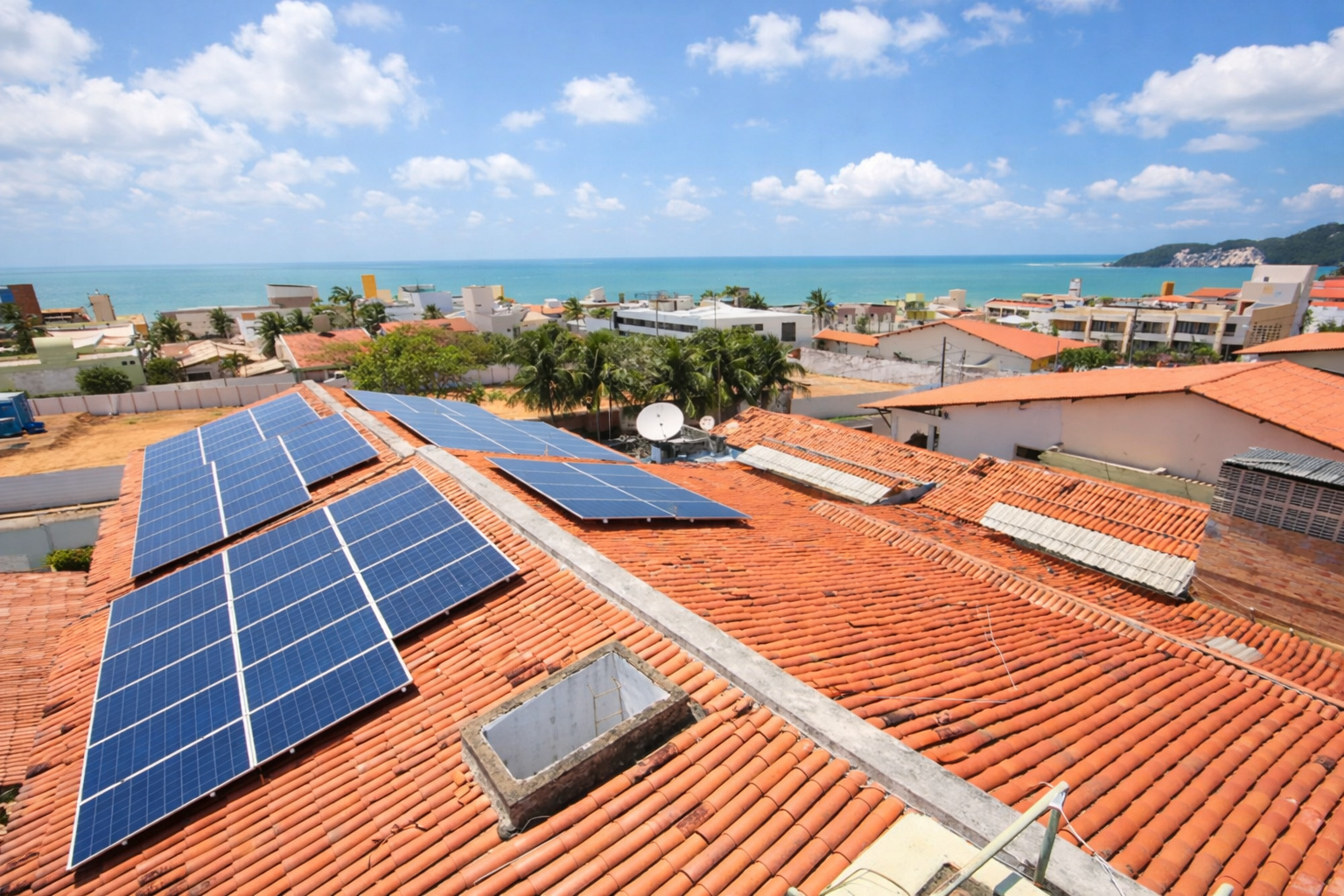
Understand How the Drop in Solar Energy Reflects Connection, Investment, and Infrastructure Challenges, Even After Years of Growth of the Source in Brazil.
The recent drop in solar energy recorded in Brazil draws the attention of investors, consumers, and policymakers.
In recent years, after a period of accelerated growth, the country has started to install fewer solar plants and registered a 29% decrease in the pace of expansion.
In light of this, the scenario indicates that the sector faces obstacles that go beyond isolated factors. To understand this movement, it is necessary to observe the historical context of solar power.
-
Seagri’s headquarters invests in solar energy with Neoenergia Coelba and promises to cut electricity costs, highlighting a strategic advance in sustainability and energy efficiency within state public administration.
-
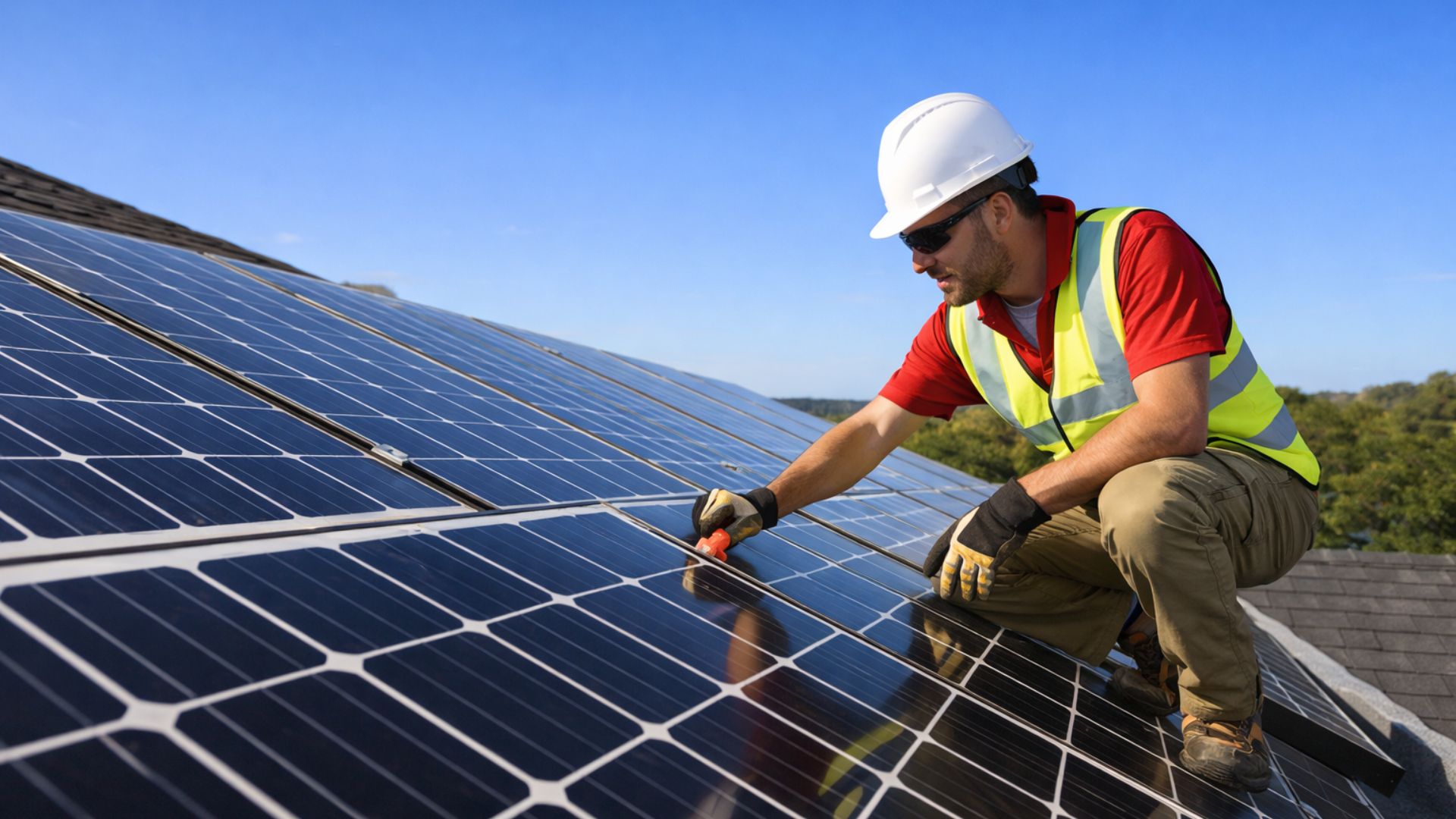
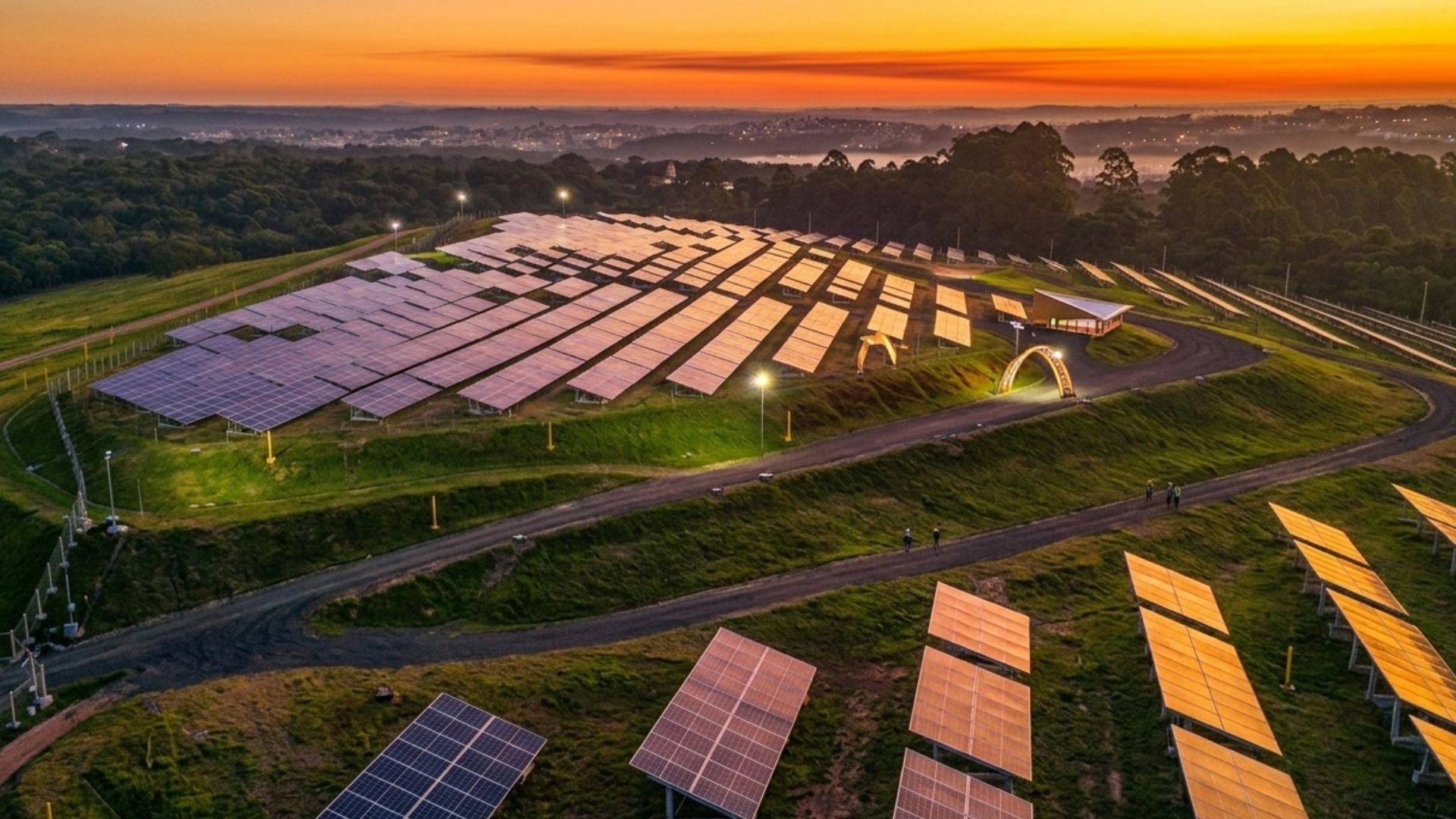
Solar Pyramid draws attention by converting solar energy into million-dollar savings and repositioning the City Hall of Curitiba as an example of innovation, sustainability, and intelligent use of public resources.
-
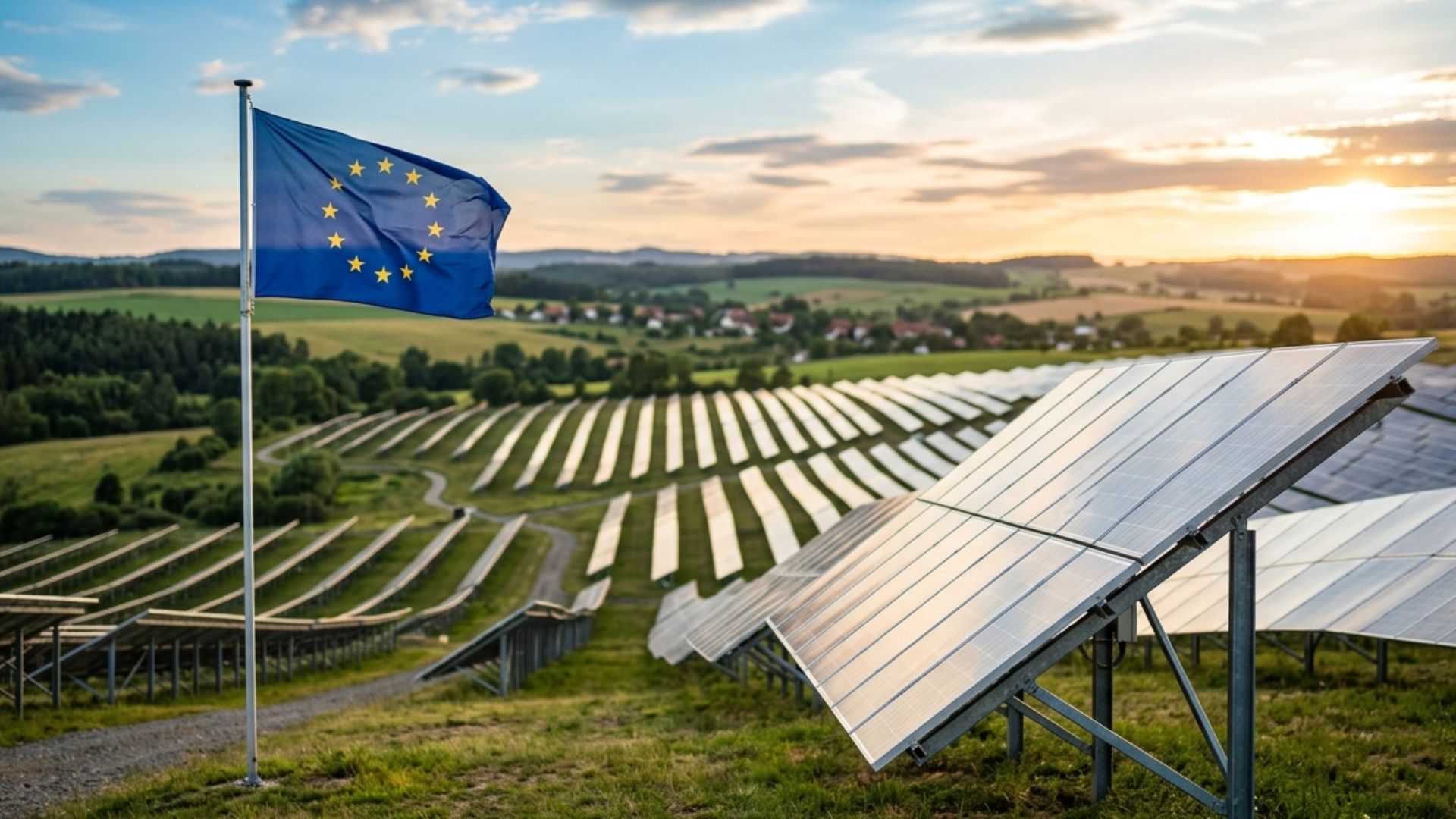
Europe records strong euro economy with solar energy in March and sparks curiosity about which country leads growth that redefines the energy market and reduces costs.
-
Piauí reaches a historic milestone in energy transition: State records nearly 160,000 households powered by solar energy and leads growth in the Northeast.
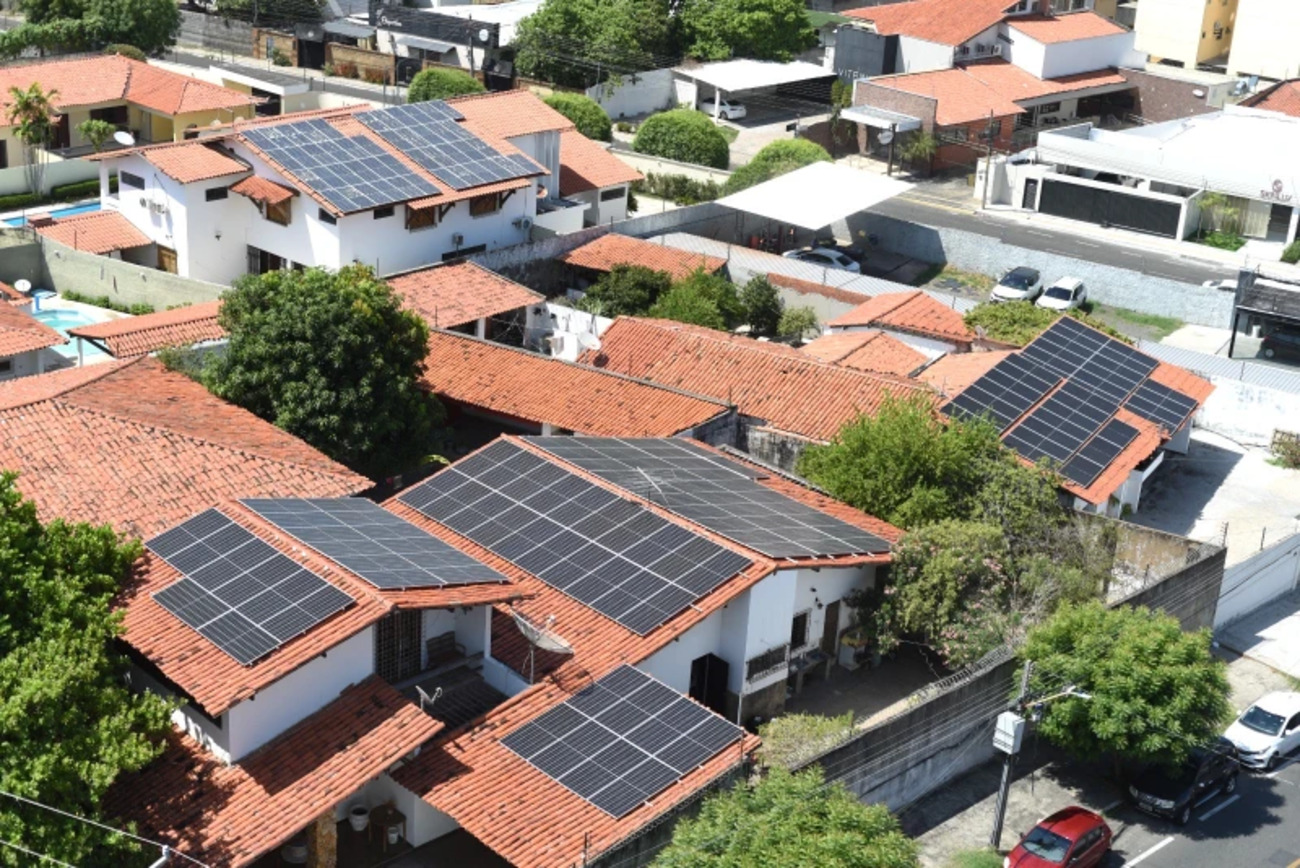

Moreover, it is essential to analyze the structural challenges of the electricity system and the economic conditions that influence investment decisions.
Still, even with the downturn, solar energy remains one of the pillars of Brazil’s energy transition.
Therefore, the topic remains permanently and timelessly relevant. Over the last decade, Brazil has established itself as one of the most promising solar energy markets in the world.
Initially, the advancement occurred gradually, especially in the early 2010s. This growth was driven by incentive policies, lower equipment costs, and increased awareness of the benefits of renewable sources.
In this context, with high solar incidence across almost the entire territory, the country began to combine centralized and distributed generation.
The smaller systems were mainly installed on roofs of homes, businesses, and small industries. Over time, this continuous growth created the perception that the expansion of solar energy would occur linearly.
However, the recent drop in solar energy shows that the sector has matured. Consequently, it began to face operational and regulatory limits.
Thus, the market, which previously advanced at a fast pace, now coexists with structural bottlenecks. These hurdles require more careful planning and long-term solutions.
Generation Cuts and Limits of the Electricity System
Among the main factors associated with the drop in solar energy, generation cuts stand out. In the sector, these cuts are referred to as curtailment.
In general, they occur when the electricity system cannot absorb all the energy produced. This happens due to excess supply at certain times.
It also occurs due to the lack of sufficient transmission lines to transport the electricity generated by solar plants.
Historically, Brazil structured its electricity system to serve large hydropower plants. These plants are located far from consumption centers. For decades, this model functioned efficiently.
However, as the energy matrix diversified, this dynamic changed. As a result, the significant entry of sources such as solar and wind brought new operational challenges.
Additionally, it demanded greater flexibility from the electricity system. In this scenario, the transmission network did not keep pace with the expansion of renewable plants.
As a consequence, part of the energy produced was not utilized. This context reduced revenues and increased the perception of risk. Subsequently, it led companies to delay new projects.
Thus, the movement directly contributed to the drop in solar energy observed in the most recent data.
Connection Difficulties and Impacts on Distributed Generation
Similarly, in distributed generation, the drop in solar energy also finds structural explanations. This segment has always been considered one of the engines of sector growth.
Currently, many consumers interested in installing photovoltaic systems face connection difficulties.
The hurdles arise at the moment of connecting the equipment to the distribution networks. As a result, uncertainty and delays in investments arise.
According to the distributors, there are technical limitations in the local networks. Among them, the inability to absorb energy and the reversal of power flow stand out.
This situation occurs when the generated energy exceeds the consumption in the region. Particularly, the problem arises in areas where solar generation has grown rapidly. In these locations, the infrastructure has remained almost the same.
Thus, the scenario has caused delays and refusals. This has distanced some consumers interested in producing their own clean energy.
Still, distributed generation remains central in the sector. Therefore, the drop in solar energy does not eliminate the public’s interest in the source.
High Interest Rates and Investment Costs in the Solar Sector
In addition to technical hurdles, the economic environment has a strong influence on the downturn. In general, solar energy depends on high initial investments.
This occurs even with increasingly competitive generation costs. When interest rates rise, credit becomes more expensive. Consequently, the financial feasibility of projects is compromised.
Historically, whenever Brazil has gone through monetary tightening cycles, capital-intensive sectors have felt the impact.
In this sense, the drop in solar energy reflects a broader economic context. In this scenario, investors adopt a more cautious stance in the face of uncertainties.
Another relevant point involves the reliance on imported equipment. Since the beginning of the sector’s expansion, solar panels and inverters have predominantly come from abroad.
Thus, exchange rate fluctuations, logistics costs, and higher import tariffs have increased the final project costs. Furthermore, they have complicated long-term planning.
Slower Growth, But With Solid Structural Bases
Despite this scenario, solar energy continues to expand in Brazil. In practice, the sector has merely slowed down compared to previous years. In those periods, the market recorded successive records.
It is worth noting that the history of the Brazilian electricity matrix includes cycles of growth and adjustment. Furthermore, the role of distributed generation in recent expansion reinforces this historical reading.
Even in the face of adversities, the smaller systems accounted for a significant portion of the new installed capacity.
Thus, it is evident that consumers remain interested in reducing energy costs. They also seek to adopt renewable sources.
In addition, solar energy maintains significant competitive advantages. Among them, the low generation cost and the quick installation stand out.
For this reason, the drop in solar energy presents a conjunctural character. It is not a structural problem.
Innovation, Storage, and Prospects for the Future
In light of this context, innovation plays a decisive role for the future of the sector. Increasingly, the integration of solar generation with battery storage systems emerges as a solution.
This alternative reduces generation cuts and increases the flexibility of the electricity system. In practice, storage allows the use of energy produced during the day at other times.
Throughout history, great transformations in the energy sector have occurred with technological advancements. These advancements have helped to overcome structural limitations.
In this sense, the development of more efficient batteries tends to further strengthen solar energy. Lastly, the planning of the expansion of transmission and distribution networks becomes essential.
After all, the drop in solar energy shows that merely incentivizing plants does not solve the problem. The infrastructure needs to keep up with the growth. Thus, integrated and long-term policies can unlock new investments.
In environmental and social terms, solar energy maintains a strategic role. In addition to reducing greenhouse gas emissions, the source creates jobs. It also decentralizes electricity production.
Therefore, even with the recent downturn, these benefits remain solid. Thus, the drop in solar energy in Brazil results from a combination of technical, economic, and regulatory factors.
On one hand, generation cuts and connection difficulties have created operational hurdles. On the other, high interest rates and equipment costs have increased the challenges.
Still, the historical trajectory of the source demonstrates resilience. It indicates that the sector can return to sustainable growth and maintain its central role in the Brazilian electricity matrix.








-

2 pessoas reagiram a isso.