





 Portuguese
  English
  Spanish
 4 min of reading
  0 comments


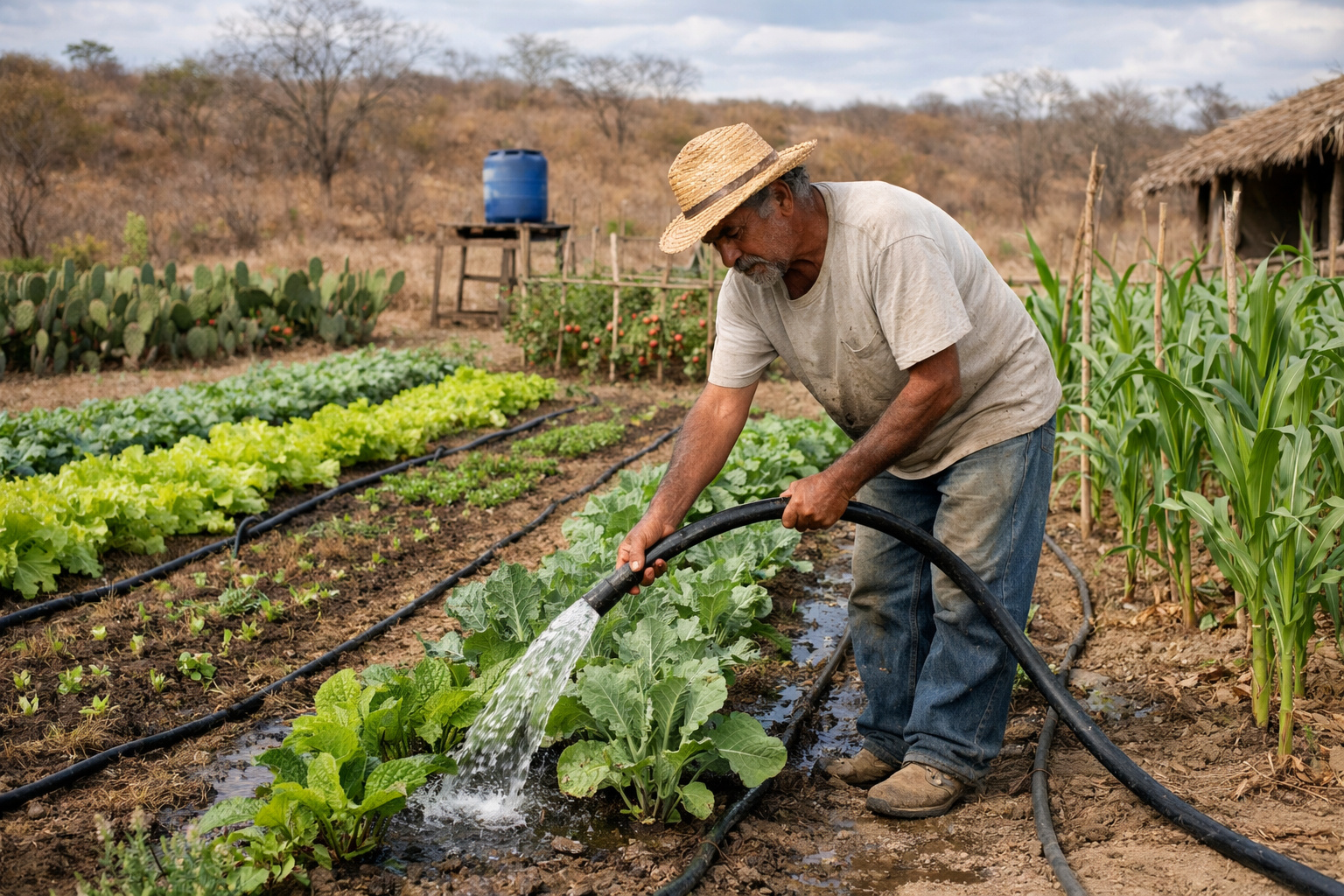
Practical Results in the Daily Life of the Field Show That Small Changes Generate Big Transformations
In areas marked by climate difficulties and low income, family farmers in Brazil’s Semi-Arid region have shown that simple changes in the field can lead to profound impacts. By adopting accessible techniques tailored to local realities, these producers have managed to increase income, reduce losses, and strengthen their own production.
In this context, applied knowledge has become the main factor for transformation. Instead of large investments, farmers relied on practical, low-cost, and easily replicable practices. As a result, their production routine changed and family security increased.
The information was disseminated by the website Compre Rural, based on an independent social impact assessment. According to the survey, these practices applied in daily life generated measurable benefits for those living from family farming in the Semi-Arid region.
-
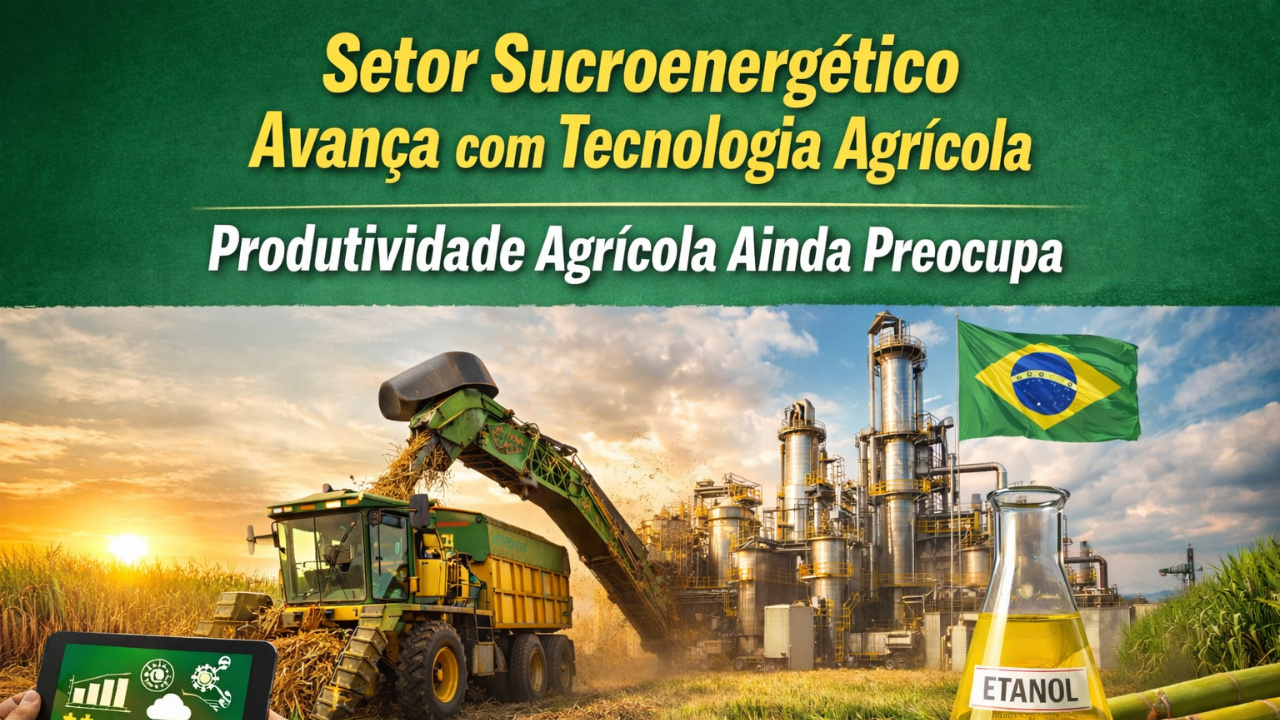
The sugar-energy sector advances with agricultural technology, but agricultural productivity still raises concerns.
-
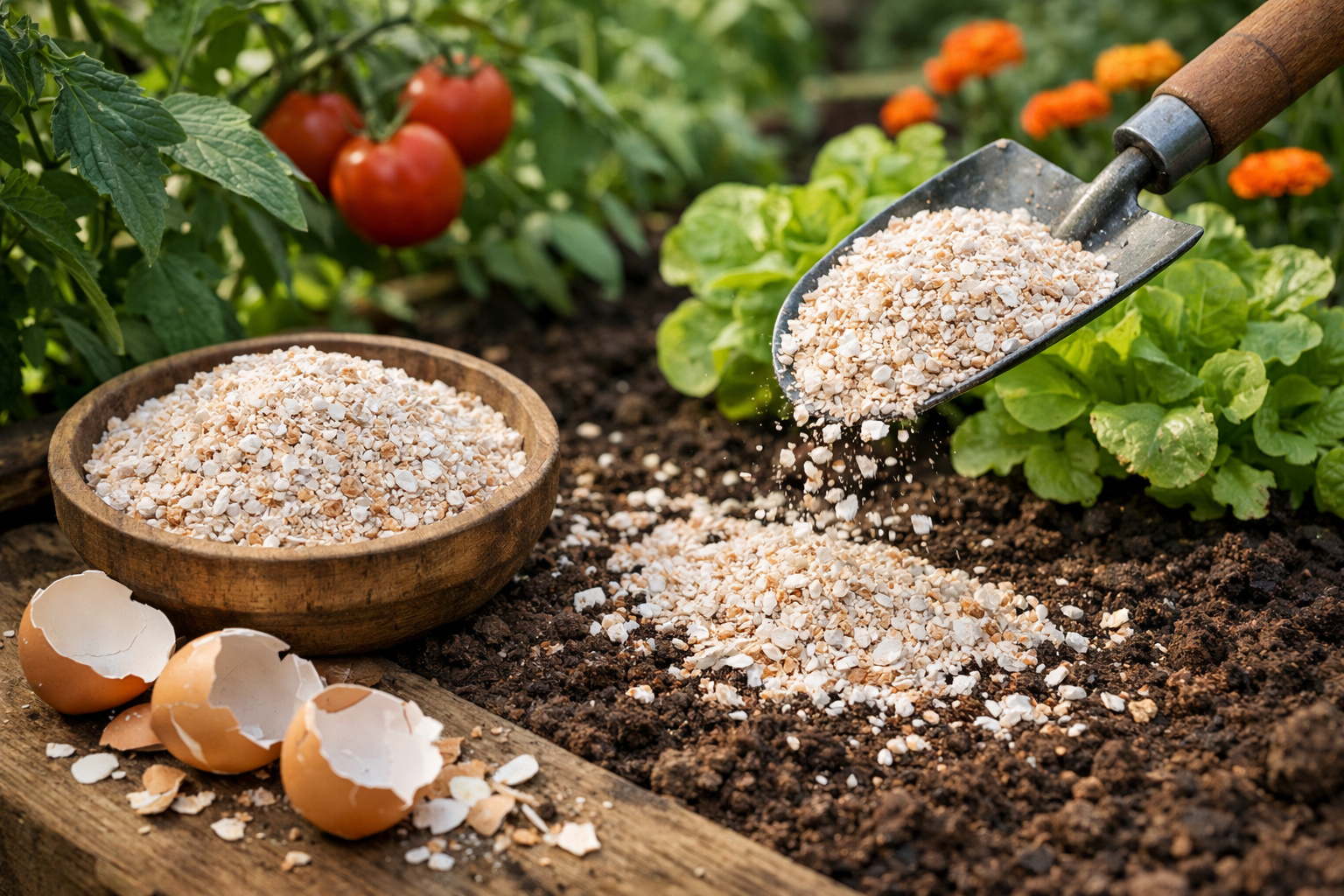
The eggshell that almost everyone throws away is made up of about 95% calcium carbonate and can help enrich the soil when crushed, slowly releasing nutrients and being reused in home gardens and vegetable patches.
-
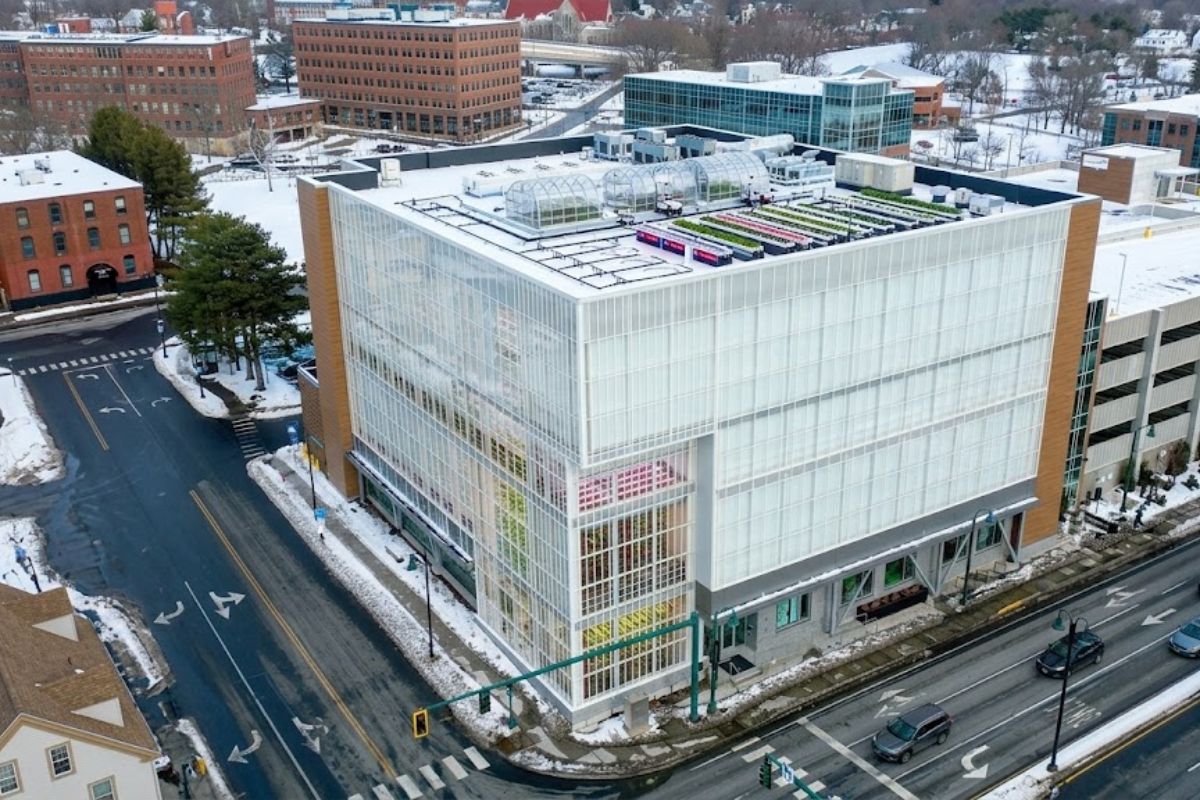
This farm in the United States does not use sunlight, does not use soil, and produces 500 times more food per square meter than traditional agriculture: the secret lies in 42,000 LEDs, hydroponics, and a system that recycles even the heat from the lamps.
-
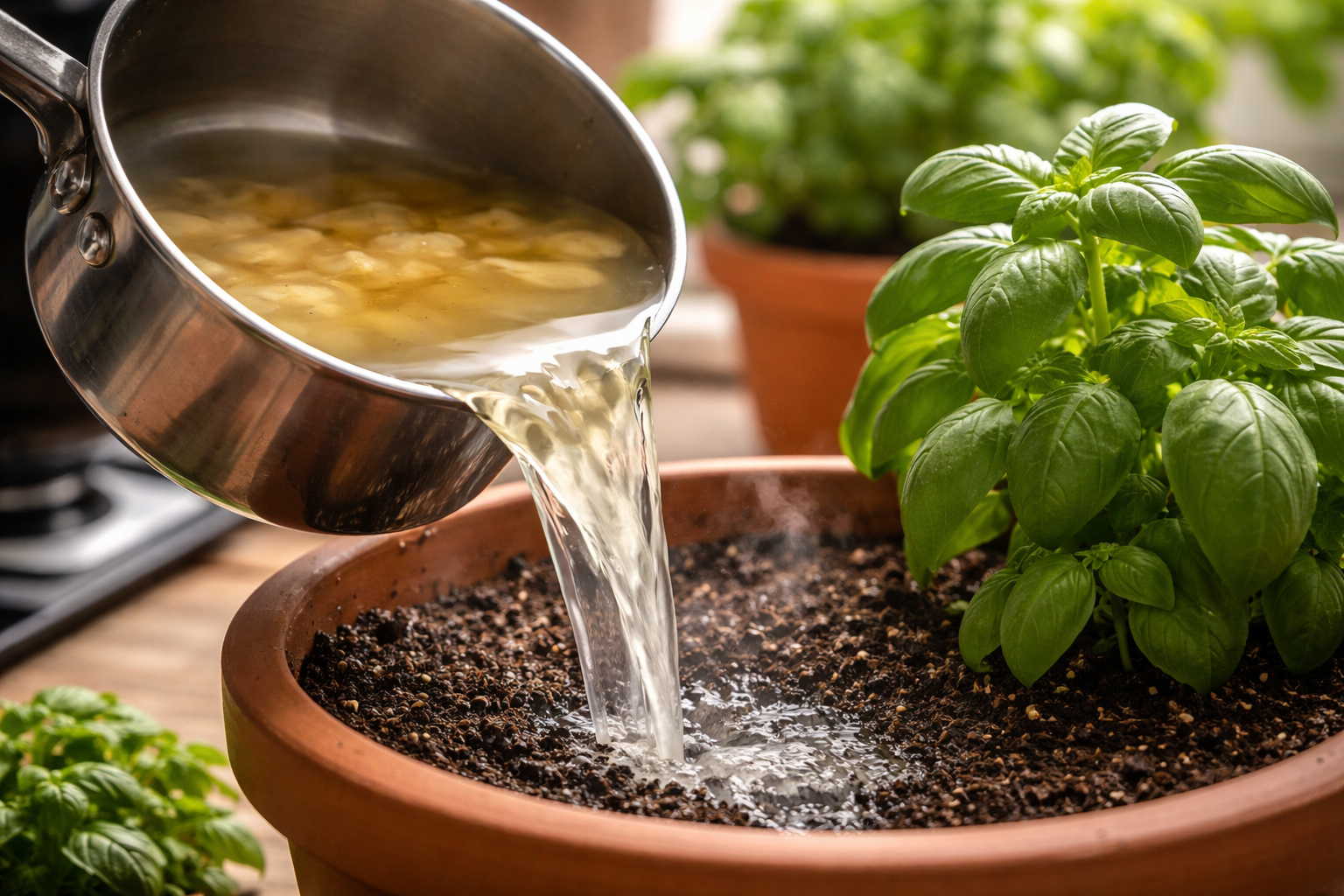
The water that almost everyone throws away after cooking potatoes carries nutrients released during the preparation and can be reused to help in the development of plants when used correctly at the base of gardens and pots, at no additional cost and without changing the routine.

Simple Techniques Applied in the Field Increase Income and Reduce Production Risks
In practice, farmers began to learn within their own properties. For this, each family had a Technology Learning Field (CAT), implemented directly in the production area. Thus, learning ceased to be theoretical and became part of the daily life in the field.
In total, 508 family farmers received a CAT. In these spaces, they tested techniques suitable for the Semi-Arid climate and adjusted practices to their own reality. This way, knowledge transformed into immediate action.
Among the activities developed, producers adopted the cultivation of vegetables, corn, beans, cassava, and fruit trees. Additionally, many diversified their production with mangoes, guavas, bananas, coconuts, and citrus. At the same time, raising cattle, goats, sheep, birds, and bees expanded their sources of income.
Another decisive point was the correct management of soil and water. With simple techniques, farmers reduced waste and began producing forage within their own properties. As a result, they decreased costs, gained autonomy, and improved financial planning.
Measurable Social Impact Proves That Investing Little Can Generate Much

The effects of these practices were evaluated by the Institute for the Development of Social Investment (IDIS). The study used the international methodology SROI (Social Return on Investment). The data showed that a total investment of R$ 7 million generated R$ 20.5 million in social value. This represents R$ 2.92 in return for every R$ 1 invested.
In addition to financial numbers, the results appeared in the lives of families. Among 265 producers interviewed, 78% reported improved nutrition. Meanwhile, 85% felt more financially secure.
At the same time, 74% stated that they reduced concerns about debts and lack of resources. This data shows that the techniques applied in the field brought stability and predictability. More than that, 91% of farmers began to believe that it is possible to live solely from their production.
Another relevant aspect was the strengthening of local relationships. 97% of producers said they felt satisfaction in sharing knowledge with other farmers, which broadened the reach of the adopted practices.
Environmental Sustainability Integrated with Rural Production
In addition to economic gains, farmers also adopted more responsible environmental practices. In this sense, 56% began to preserve or reforest areas of their own properties. At the same time, agroecological practices gained space in daily life in the field.
This care for the environment did not reduce production. On the contrary. By using natural resources better, farmers ensured productivity even during periods of water scarcity. Thus, sustainability became part of the productive solution.
Regional Reach Strengthens Rural Communities in the Semi-Arid Region
The simple techniques applied in the field reached 12 municipalities in Alagoas, Bahia, Pernambuco, and Sergipe. Among them are Petrolândia and Jatobá (PE), Paulo Afonso and Rodelas (BA), Delmiro Gouveia and Piranhas (AL), as well as Canindé do São Francisco and Poço Redondo (SE).
In total, 508 rural producers directly participated in the actions. In addition, more than 5,200 people participated in training, field days, and technical events. As a result, knowledge spread rapidly across the territory.
Real Stories Show Why the Techniques Work
The numbers gain even more strength when transformed into stories. In Alagoas, farmers doubled their income after implementing forage crops and diversifying cultures. Meanwhile, in Bahia, protected tomato cultivation reduced losses and increased predictability of gains.
In Sergipe, the consortium between fruit trees, cassava, and beans ensured income before the main harvest. Thus, families managed to maintain financial flow throughout the year. These examples show that the techniques work because they respect local realities.
Technical Support Sustains Lasting Results
Although farmers are the protagonists, technical support played a fundamental role. Federal universities, technical assistance agencies, municipal governments, and state institutions participated in the actions. In addition, the project received funding from AXIA Energia (formerly Chesf) and support from BNDES.
The combination of scientific basis, practical guidance, and producer protagonism ensured consistent results. Instead of ready-made solutions, farmers adapted the techniques to their own realities. Therefore, adherence was high, and the effects were sustained over time.
Rural Development Shows That Investment Generates Social Return
More than just numbers, the experience shows that sustainable rural development is not a cost. On the contrary, it is an investment with proven social return. When simple techniques reach the field, transformation happens concretely.
By placing family farmers at the center of the solution, the project shows that small changes can generate big results, especially in regions that most need opportunities.
In your region, what simple techniques could increase income and strengthen family farming in daily life in the field?









-

-

-

-

-

15 pessoas reagiram a isso.