





 Portuguese
  English
  Spanish
  3 min of reading
  0 comments


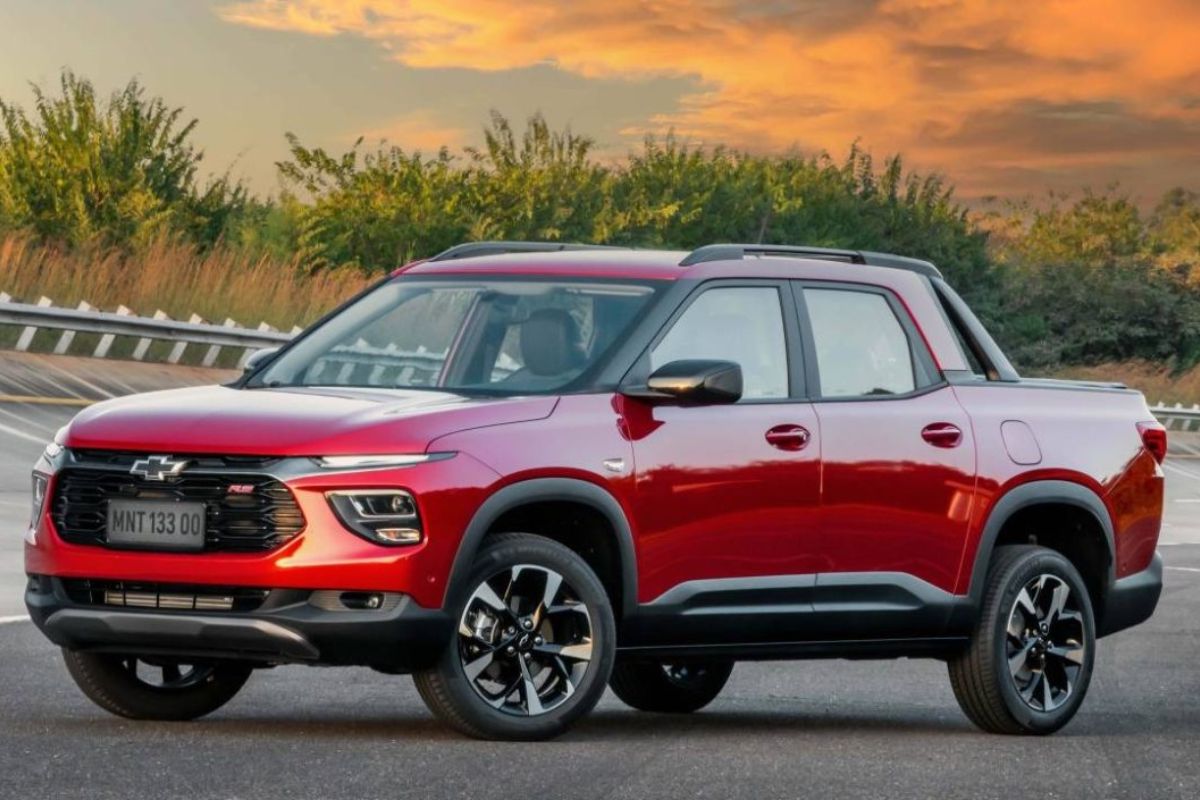
Famous Models Sold in Brazil Lost Equipment, Technology, and Even Build Quality, While Prices Continued to Rise — A Decision by Automakers That Outrages Consumers.
The Brazilian automotive market holds secrets that many drivers only discover after purchasing the car. Several models have undergone quality reductions imposed by the automakers themselves, whether in finish, equipment, or even performance. The problem is that prices keep increasing, while some cars are worse than they were in previous generations.
This practice, common among various brands, is seen by specialists as a disrespect to the consumer, who pays more for less content. Automotive YouTuber Vinicius Hozara listed examples of cars that lost items and worsened over time — something that the manufacturers do not make a point of disclosing.
Tiguan Allspace and Citroën C3: Invisible Cuts
An emblematic case is that of the Volkswagen Tiguan Allspace, which arrived in Brazil outdated compared to the global model. The car lost all-wheel drive, power, and equipment, but its price was adjusted upwards. The result: a more expensive SUV, but with fewer attributes than before.
-
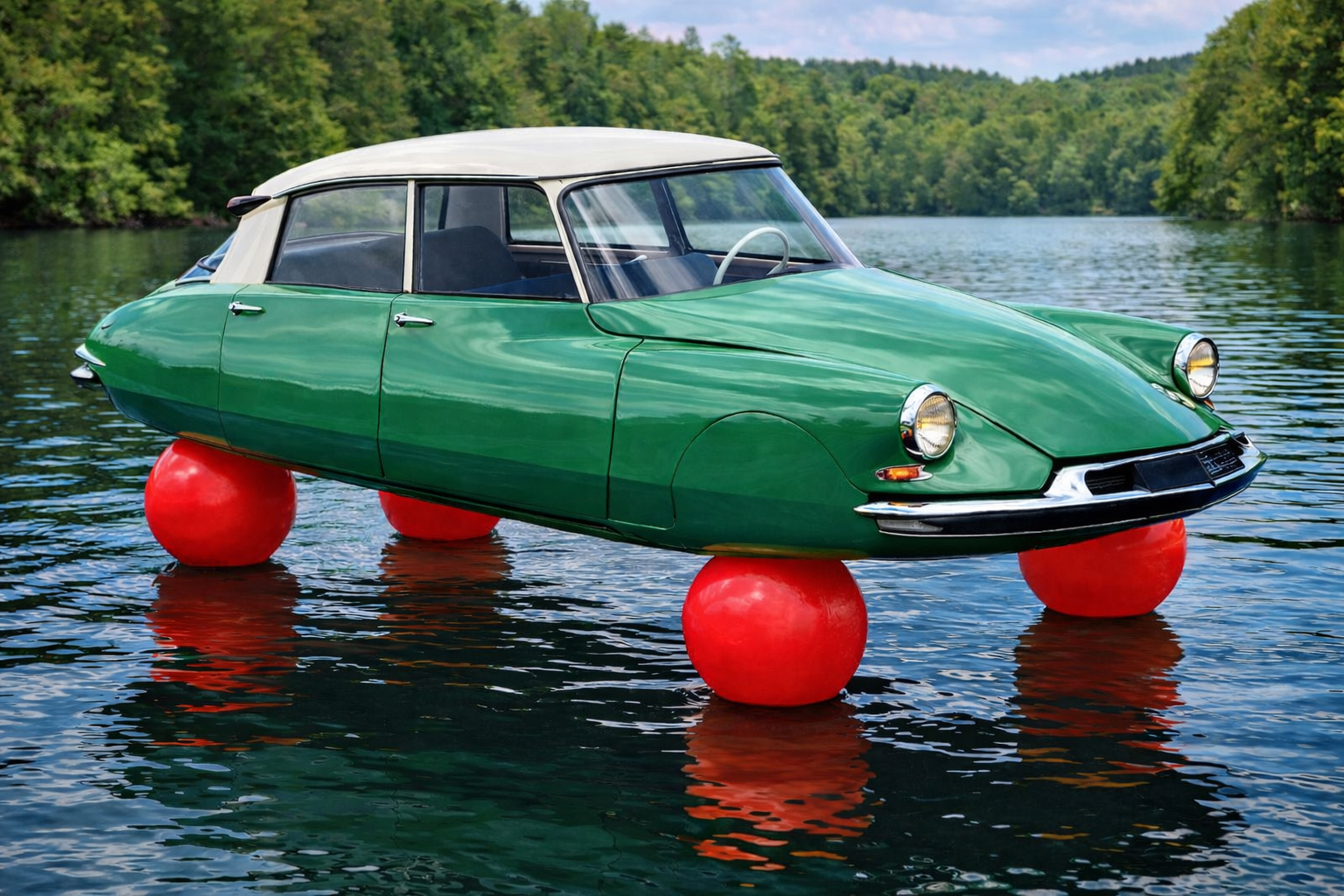
A French brand placed a car on four huge red balloons to prove that its suspension made the vehicle “float,” and the surreal scene became one of the most iconic and unusual images in automotive history.
-
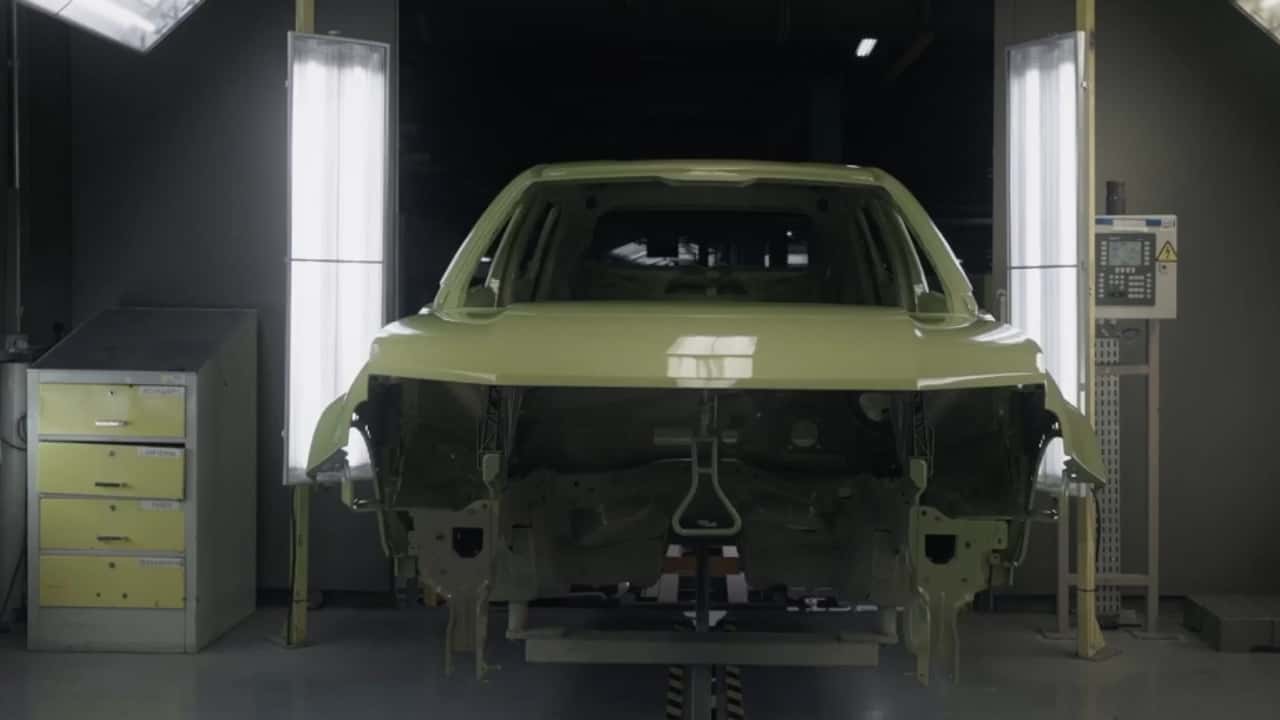
Jeep Avenger begins production in Brazil, debuting as the brand’s new entry-level SUV and inaugurating an unprecedented phase by becoming the first national Jeep manufactured outside of Goiana, as part of a R$ 3 billion plan.
-
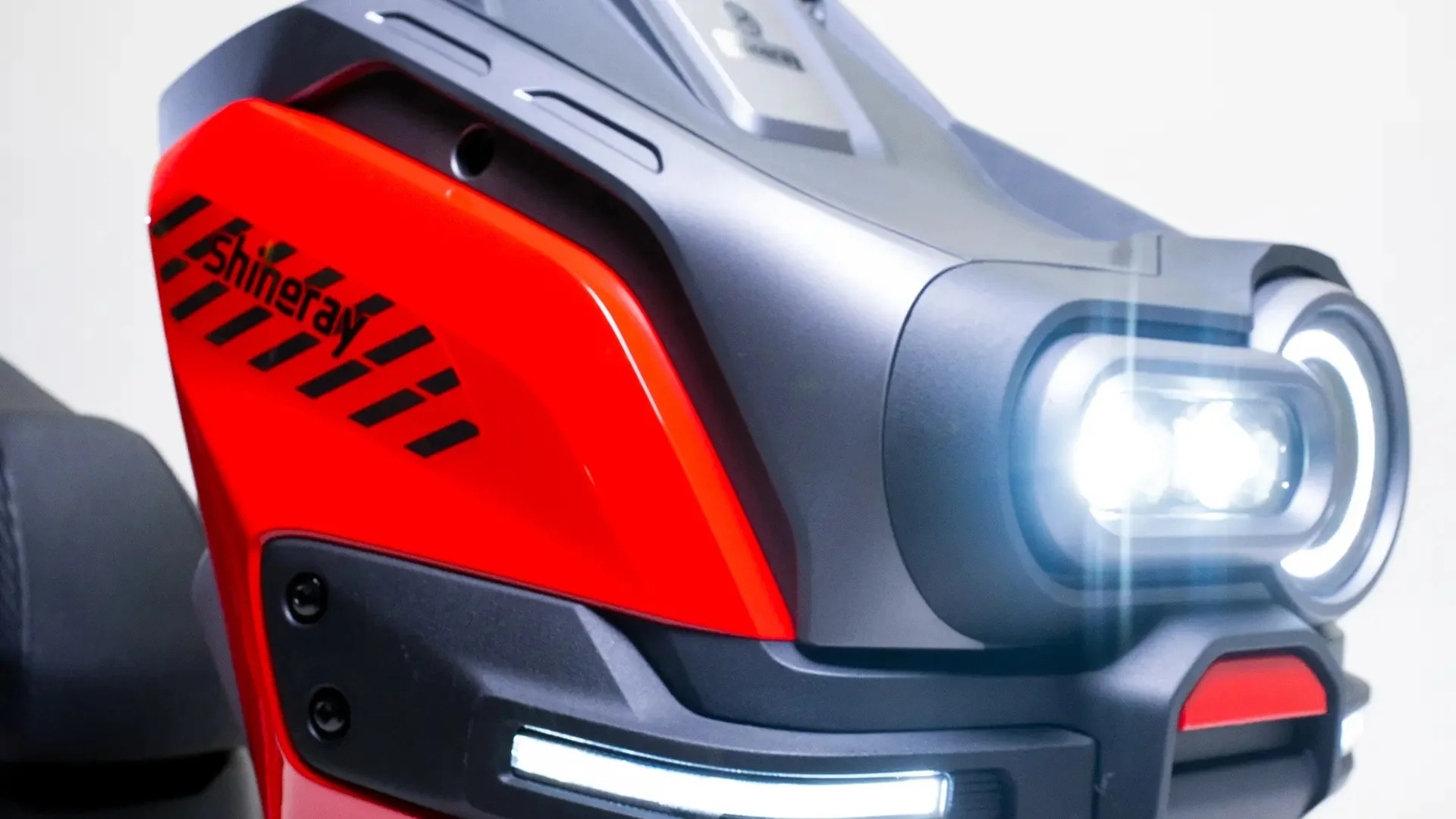
Costing R$ 12,490, the new Shineray Urban Lite 150 “cheap one” arrives in Brazil with a CVT transmission, digital dashboard, and LED lights, making it more affordable than the Biz and targeting those who want to abandon the bus.
-
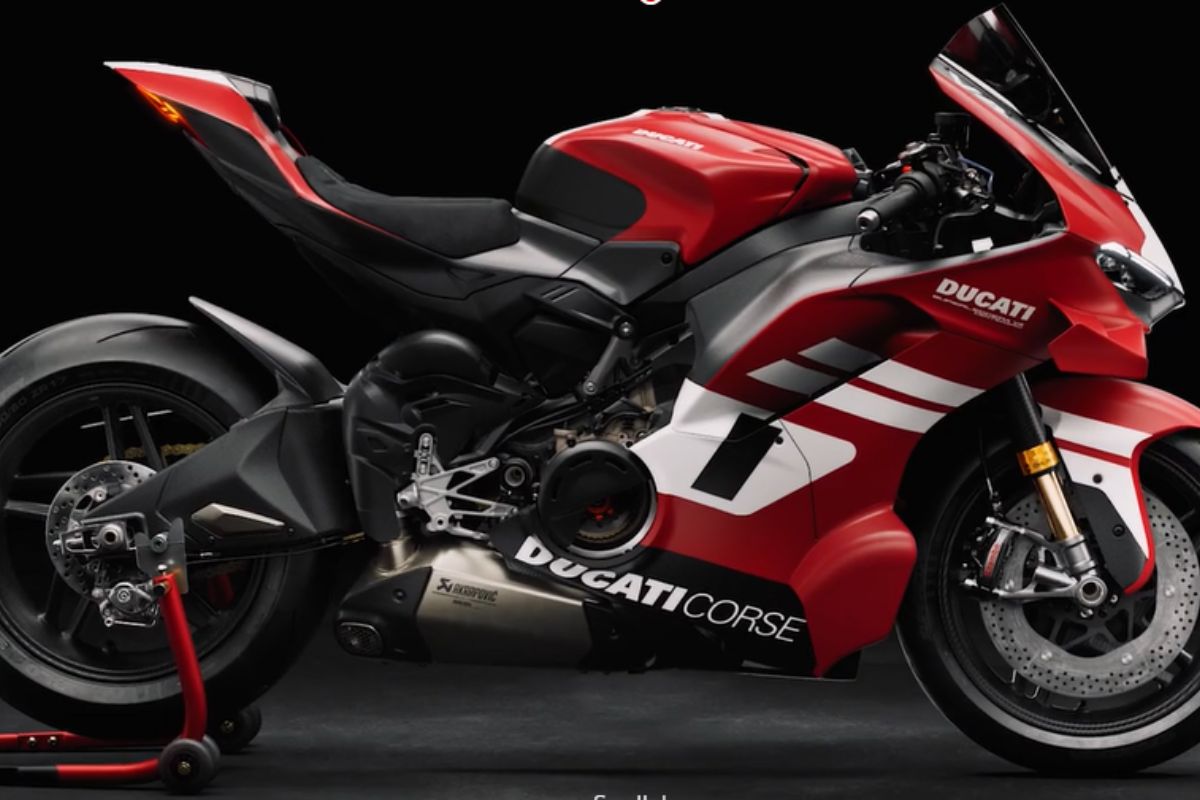
Ducati brings to Brazil the Superleggera V4 Centenario: 228 hp that become 247 with a track kit, carbon fiber and carbon-ceramic brakes, estimated price between R$ 1.5 and 2 million, deliveries only in 2027.

Another example is the Citroën C3, repositioned by the Stellantis group as an entry-level car. The new C3 lost refinement, finish, and equipment that existed in the previous generation, such as the Zenit panoramic windshield. In practice, it has become a simpler car, designed for emerging markets.
Chevrolet Montana and Gol G4: Disguised Regression
The Chevrolet Montana, which was once a reference among light pickups, suffered a major setback. From a robust project derived from the Corsa C, it switched to a simpler platform inspired by the Corsa B, compromising performance and robustness.
The same happened with the Volkswagen Gol G4, which lost quality in interior finishing and even safety features compared to the previous model. The simplified dashboard and lack of structural reinforcements disappointed consumers who expected evolution.
Jetta GLI and Hyundai i30: Downgrade in Mid-Range Models
Even midsize cars considered sophisticated suffered cuts. The Volkswagen Jetta GLI lost extra injectors, premium sound system, and even interior lighting in recent versions. Even so, the price increased.
The Hyundai i30, very popular in its first generation, was relaunched with a weak 1.6 engine for the size of the car. The result was a break in expectations: those who expected performance similar to the old 2.0 were disappointed and abandoned the model.
Other Examples of Cars That Got Worse
In addition to the more well-known cases, the national market accumulates stories of models that have lost quality over time:
- Renault Clio: received simpler finishing and lost more powerful engines in the final stretch.
- Chevrolet Vectra: the last generation was, in practice, a rebadged Astra, with less refinement.
- Honda Civic G9: worsened in finishing, with an excess of hard plastics, which drove consumers away.
- Ford Focus Powershift: had a good project, but the problematic transmission ruined its reputation.
- Hyundai Tucson 1.6 Turbo: reliability compromised by the dry dual-clutch automated transmission.
- Current Volkswagen Polo: lost equipment and performance compared to the initial versions.
The practice of reducing quality and raising prices shows that automakers seek to cut costs, even at the expense of customer satisfaction. For the consumer, the lesson is clear: thorough research before purchase is the only way not to pay dearly for a car that has gotten worse over time.
Have you ever bought a car that seemed better in the past and realized that the new generation got worse? Which model disappointed you the most? Leave your opinion in the comments — we want to hear your experience.










Seja o primeiro a reagir!