





 Portuguese
  English
  Spanish
  6 min of reading
  6 comments


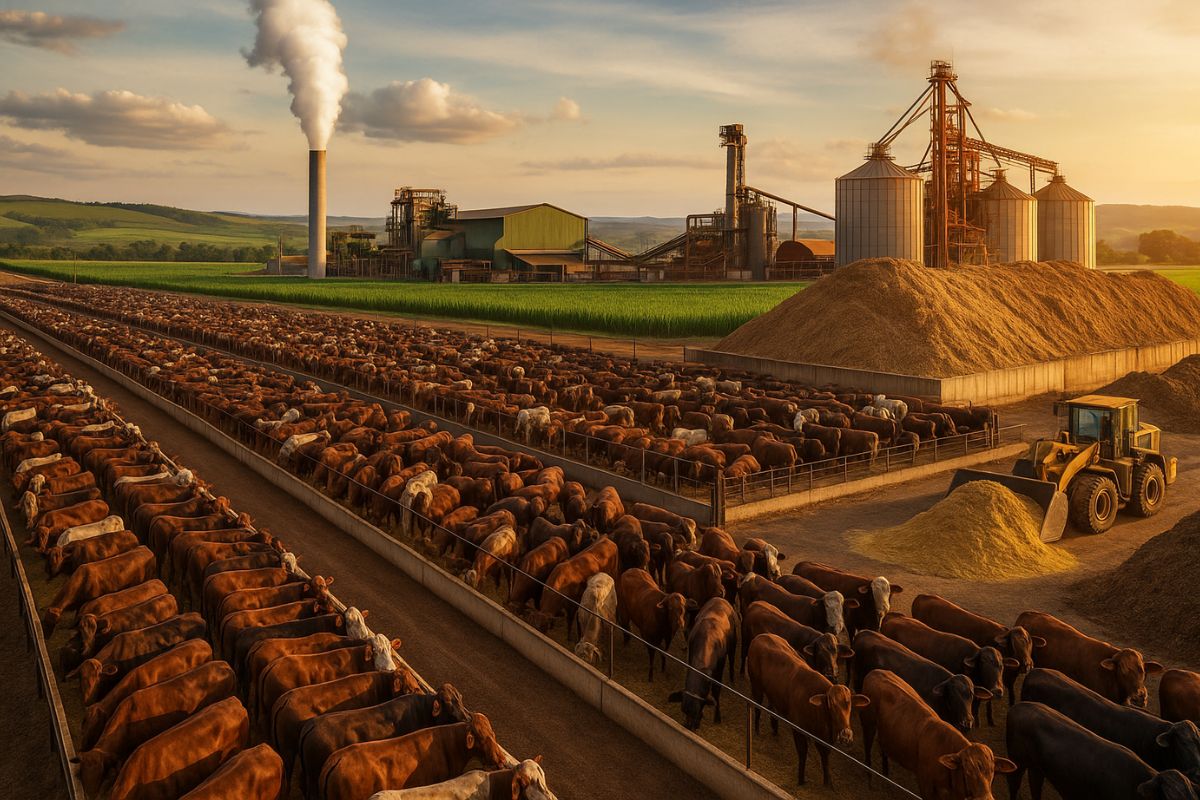


In The Same Farm Where Bagasse Feeds Cattle, Manure Returns As Organic Fertilizer For Sugarcane, Reducing Imported Fertilizer Purchases, Keeping 30,000 Cattle Confined On 50 Hectares, And Reinforcing The Energy Supplying 700,000 Brazilian Households Every Day—Always Clean, Stable, And Sustainable.
At Queiroz & Queiroz Farm, in Frutal, in the Triângulo Mineiro region, what seems like waste from the sugar-alcohol industry becomes large-scale business. On just 50 hectares, a high-tech confinement system keeps about 30,000 cattle fattening on sugarcane bagasse and other waste that would typically be discarded.
While the bagasse feeds the cattle, the manure returns to the fields as organic fertilizer and helps replace imported fertilizer. At the same time, the same sugarcane field that sustains the confinement also supplies a plant capable of generating energy for approximately 700,000 Brazilian households, closing a rare productive cycle in the countryside.
From Extensive Pasture To Cattle Farming On 50 Hectares
The starting point of this story is the contrast between the traditional model of livestock farming and what is seen today at this farm. In the classic extensive system, the Brazilian average still revolves around half an animal per hectare.
-
The water that almost everyone throws away after cooking potatoes carries nutrients released during the preparation and can be reused to help in the development of plants when used correctly at the base of gardens and pots, at no additional cost and without changing the routine.

-
The sea water temperature rose from 28 to 34 degrees in Santa Catarina and killed up to 90% of the oysters: producers who planted over 1 million seeds lost practically everything and say that if it happens again, production is doomed to end.

-
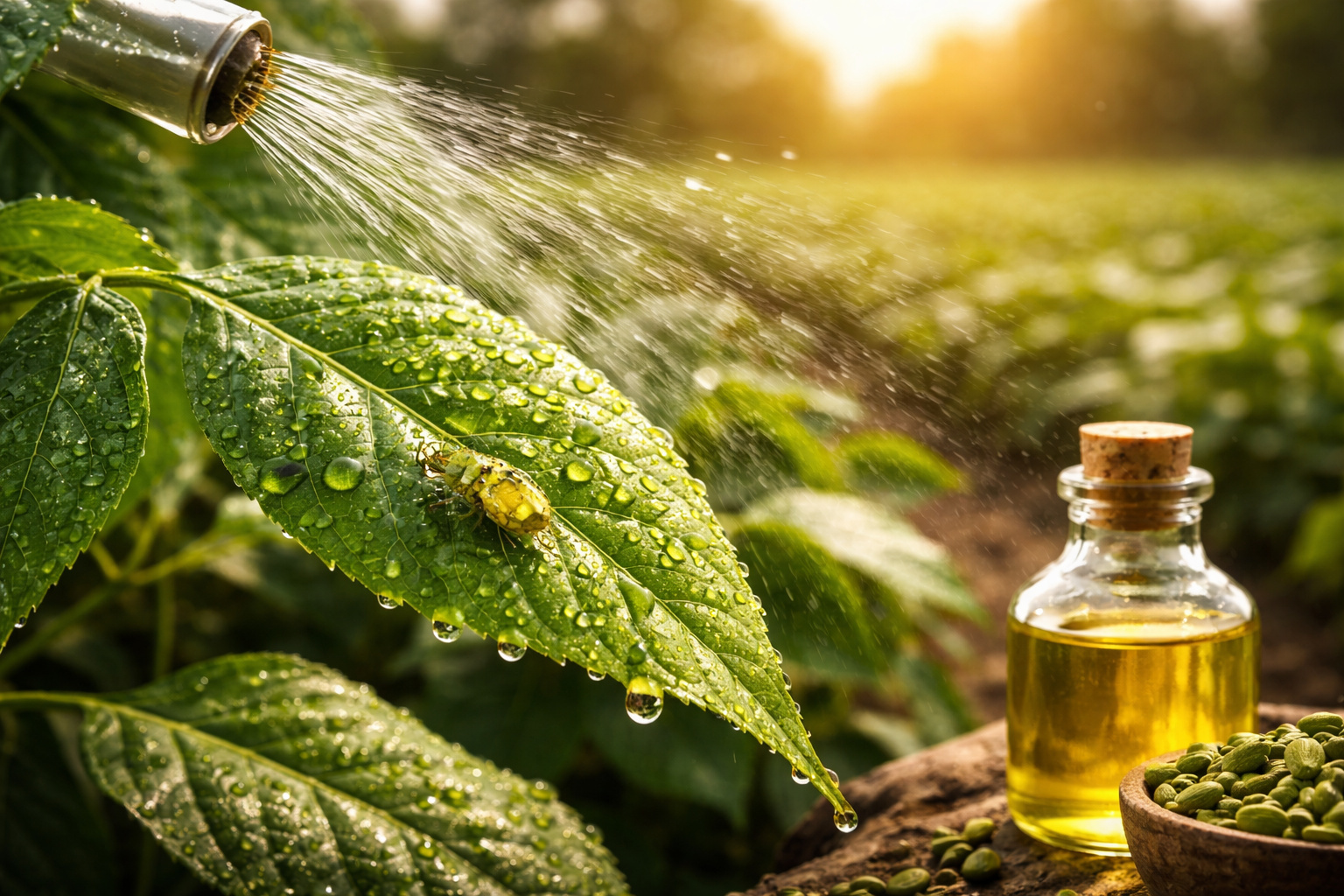
An Indian tree that grows in the Brazilian Northeast produces an oil capable of acting against more than 200 species of pests and interrupting the insect cycle, gaining ground as a natural alternative in soybean, cotton, and vegetable crops.
-
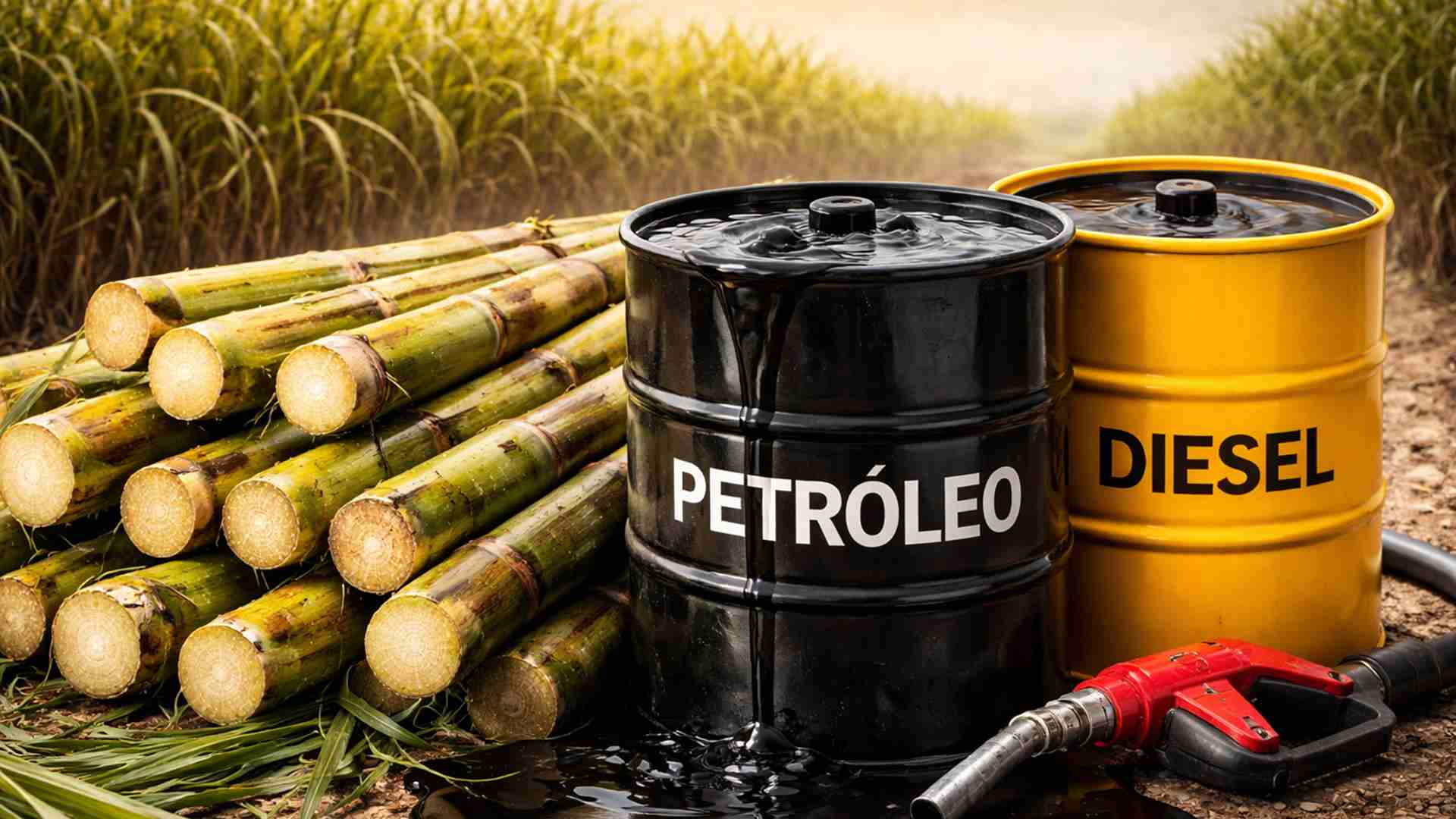
The rise in oil prices in the Middle East is already affecting Brazilian sugar: mills in the Central-South are seeing their margins shrink just as ethanol gains strength.

On 50 hectares, that would mean about 25 cattle spread over large pasture areas.
In the mining confinement, the logic is different. The same area of 50 hectares houses about 30,000 animals at the same time, in a rotational system where each cattle stays, on average, 105 days until the slaughter point.
Throughout the year, the confinement handles approximately 120,000 heads, functioning as a true meat factory 365 days a year, without a break.
In the background, the national context helps explain this change. Brazil maintains about 60 percent of its territory covered by forest, with only 7 percent for agriculture and around 15 percent for livestock.
The trend noted by the farm’s technicians is clear: agriculture tends to occupy areas already opened for pasture, while livestock moves towards more intensive models, with confinement and integration with crops.
Waste Feed: Cattle As Biological Recyclers
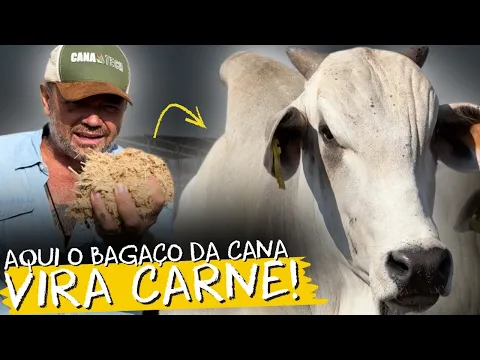

The heart of the system is in the feeder. The mixture offered to the animals is described as an extremely balanced feed in protein, energy, nutrients, and amino acids, designed to ensure the best possible weight gain performance.
What sets this farm apart is the origin of the ingredients. The diet is primarily composed of byproducts from various industries.
Among them are:
- sugarcane bagasse from sugar and ethanol production
- pelletized orange pulp
- cottonseed, after the fiber has been turned into fabric
- DDG, the bagasse from corn grain after corn ethanol production
- molasses leftover from the soy industry aimed at human consumption
- sorghum produced in the region, intended for animal feed
All of this, mixed precisely, forms a homogeneous feed. The result is that the cattle act as biological recyclers, transforming industrial leftovers into meat, leather, inputs for the pharmaceutical and cosmetic industries. Many of these waste materials were problems in the past and have now become valuable raw material within the farm.
Precision In The Feeder And Monitored Animal Welfare
The feeding operation is considered a sensitive result point. The trucks that distribute the feed are mounted on scales, allowing for precise tracking of how much each pen consumes per day and, on average, how much each animal eats. The goal is for the cattle to ingest between 2.2 and 2.4 percent of their body weight daily.
The ingredients are loaded by a front loader, following a detailed recipe. The operator works with a maximum tolerance of 1 percent error in each component.
If they hit the targets, they receive bonuses at the end of the month. Inside the trucks, large augers mix the ingredients until a uniform feed is distributed in four feedings per day, keeping the feeder always attractive.
On the track, welfare is treated as an investment, not as a discourse. The pens are equipped with shading and water sprinklers, which reduce dust, lower temperature, and protect the respiratory tract of the concentrated animals.
The logic is simple and straightforward: calm cattle gain more weight, and this difference is directly reflected in the producer’s account.
Monitoring does not stop with the human eye. The farm uses drone images combined with artificial intelligence to observe the behavior of herds within the pens.
When something deviates from the norm, the system alerts. Animals that are too grouped, excessively agitated, or distributed differently than usual may indicate issues with water, feed quality, or floor conditions. The algorithm alerts, and the team checks for what is wrong.
From Manure To Organic Fertilizer: Waste That Becomes Luxury At The Farm
Outside the pens, another branch of the operation transforms waste into savings. The manure removed daily from the paddocks is taken to a dedicated area, where large piles are formed.
Next, a composting machine comes into play, an equipment that turns the material, standardizes the mixture, reduces humidity, and adjusts the carbon-to-nitrogen ratio to below 16.
Thus, what many would see as waste becomes standardized organic fertilizer. This product returns to the farm’s sugarcane areas and also enhances the management of crops like peanuts, irrigated beans, and irrigated rice.
The producer sums up this logic in one phrase: “the smell of manure is the smell of money”, because each ton of organic fertilizer means less fertilizer purchased externally.
In addition to direct savings, there is the logistical factor. The use of manure and vinasse from the plant reduces the need to import nitrogen fertilizers that would arrive by ship, often from Europe or Canada, consuming fuel and raising emissions.
In the mining system, sugarcane bagasse feeds the cattle, and cattle manure feeds the sugarcane, closing a nutrient cycle that decreases exposure to price shocks abroad.
Energy, Meat, Sugar, And Ethanol In The Same Productive Cycle
The same sugarcane that arrives at the plant is not only used as the basis for the feed. In the boilers, the bagasse that does not go to the feeder is burned for energy generation.
According to the partner plant, only the Serradão unit is capable of supplying electricity to around 700,000 households with average national consumption.
In this way, the chain starting from sugarcane delivers fuel alcohol, sugar, meat, electricity, and even returns organic fertilizer to the fields.
Instead of isolated systems, the region operates a circular economy model where one stage supports the other.
The meat producer depends on the sugarcane, the sugarcane depends on the manure and vinasse, and the plant depends on biomass to turn turbines and supply the grid.
In the end, what reaches the butcher shop and the consumer’s plate is the result of a complex circuit that involves daily decisions in confinement, in the fields, and in the industry.
The difference is that, at this farm, the path from meat to the shelf passes through a design aimed at reducing waste, cutting costs on imported inputs, and at the same time generating energy and local jobs.
What This Farm Anticipates For The Future Of Livestock
The mining system practically shows the direction that many experts see for Brazilian livestock farming.
With a large part of the territory still covered by forests and agriculture advancing over already opened areas, cattle tend to occupy less space and produce more per hectare, using confinement, management technology, and integration with sugarcane and other crops.
By transforming waste into feed, manure into fertilizer, bagasse into energy, and cattle into food for millions of people, the farm in Frutal anticipates a scenario where productivity and sustainability walk hand in hand in the countryside.
Knowing all this, do you believe that confinement models integrated with sugarcane, like this farm in Minas, should gain more space in the production of meat that reaches your plate?




Na minha região só com cana e usinas está acontecendo essa troca . Bagaço, alimenta ****, .
Dejetos seja **** ou humano deveria ser desviado das aguas que bebemos ,sendo usado para refrorestamento e produçao de cqrvão ,plantil de eucaliptos para produsir celulose e madeira em geral.Poderiamos pensar no plantio de cana de açucar para produsir Etanol.
É. .. vocês se tornaram uma sepultura perambulante … e no final disso tudo vocês, todos vocês, que apoiam isso, guarde bem,… é que estarão no lugar de cada **** morto, cada **** que já gemeu de dor neste planeta por causa de cada ser humano cego guiando cegos na dureza de seus corações para com o bem verdadeiro! O dia de seus ais vai chegar, em breve vão gritar por socorro e não vão ter quem os socorra. Porque estarão colhendo do que plantaram. Guarde bem, vão está no lugar de cada **** ,cada um que já foi sacrificado por seus amores à morte!
E ainda o próprio **** jornal ocultou a palavra 🦉🦤🦢🦆🦅🕊🐧🐦🦘🦨🦦🐻❄️🐨🐻🐢🐊🐸🐒🐦⬛🦜🦎🐢🐊🦖🐳🐋🐬🦭🐟🐠🐡🐚🦑🐝🪲🐜🦐🦞🐛🦋🦀🐌🐙🦖🪼🦗🕷🪳🕸🦂🦟🪰🪱🐩🐺🦝🦊🐱🐈🦁🐅🐆🐴🫎🫏🦓🦌🦬🐄🦓🦙🦒🐗🐘🦣🐏🐑🦏🦛🐐🐪🐁🐇🐿🦫🦔🦇🐼🦥🦡🦃🐓🐣🐂🐄 animais… por terem feito isso o castigo de vocês vai dobrar. Porque estão negando o verdade. Ser vivo é ser vivo, não é só ser humano que é ser vivo. Então ser vivo é não é alimentação para outros erros vivo. Porque o que se começa haver é o caos , um destruindo um ao outro ate que não haja mais ninguém. Nao respeitam outras formas de sere vivos. Por isso , voces sao homicidas! Nao provam nem um pouco a procura das profundezas da palavra VERDADE sobre tudo e todos em suas vidas e o que é vida verdadeira, muito menos vão atrás da verdadeira verdade sobre a causa das existencias…Vejam , procure outras nações, vão atrás das nações e povos antigos, vocês vão achar os seus descendentes? Procure Babilônia, vão…. então do mesmo modo vocês vão se tornar. Cada nação nesta terra vai ser inexistida, vão ser substituídas por outra até não mais haver este planeta! **** são vocês e é isso o que estão chamando para si, então é isso que colherão do que estão de sinestesia plantado ! Vocês querem ser sepulturas que sepultam partes de animais 🐂🐖🐓🦆morto dentro de si, e é nela que vocês mesmos cairão, porque é isso que vocês estão sendo. Sepulturas máquinas, disfarçadas de casas, mas o que são ,verdadeiramente ,sepulcros perambulando até em si mesmos virem a cair e em si mesmos serem sepultados ,sendo em si mesmos a própria sepultura, seus próprios caminhos caindo sobre vocês mesmos!
Profundo. Podem falar que é louco, mas é verdade.
Gostaria de continuar essa leitura .