






 Portuguese
  Spanish
  6 min of reading
  1 comment


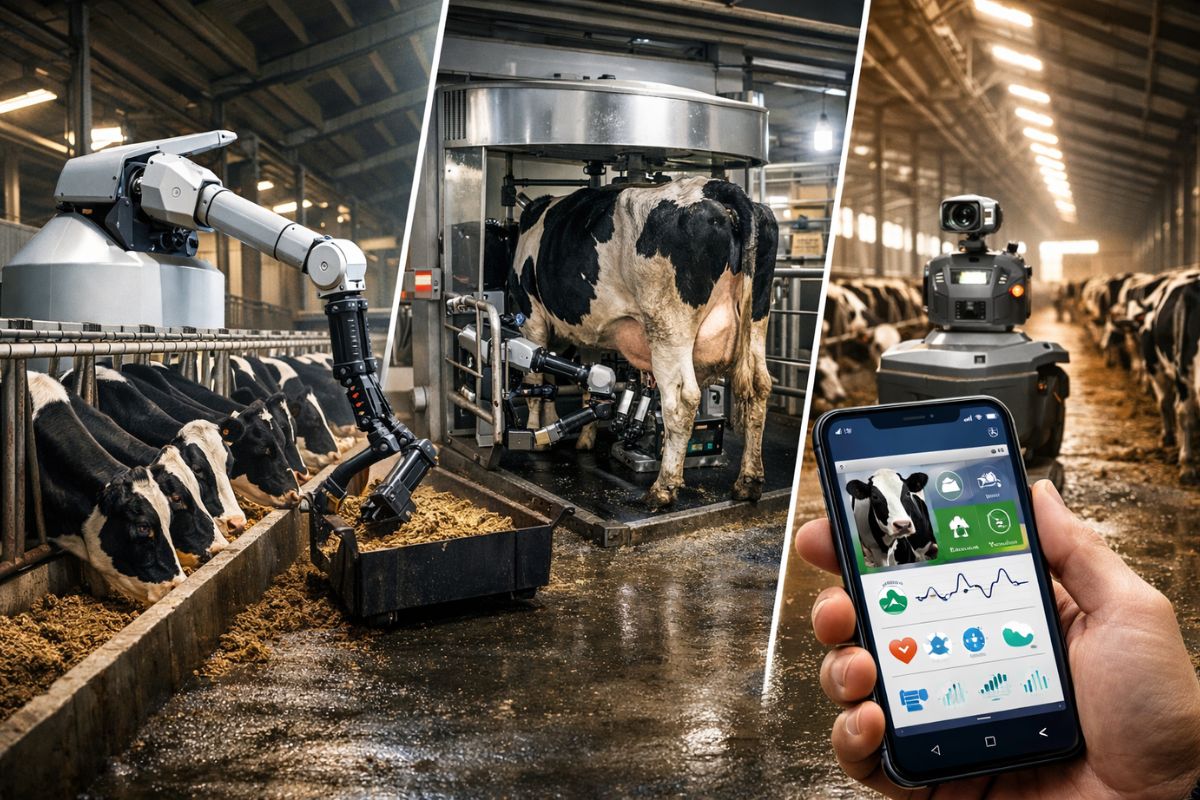


In The Automated Farm, Robots Prepare Feed Outdoors, Distribute Meals Four Times A Day, And Guide Animals Through Automated Systems. Collars And Ear Sensors Send Continuous Data To The App, Which Uses Artificial Intelligence To Alert Changes In Behavior, Rumination, And Consumption, Reducing Daily Routine Hours In The Barn.
The Farm Has Become A Sort Of Control Room: With No Staff In The Barn, The Herd Of 170 Cows Is Monitored 24 Hours A Day By Robots And An App On The Phone That Gathers Signals Of Feeding, Resting, And Rumination To Guide Quick Decisions By The Producer.
At The Same Time, The Farm Also Exposes A Silent Turn In Modern Livestock Farming: Faced With The Difficulty Of Finding Workers And The Burden Of Repetitive Work, Systems That Cost About €100,000 Are Now Being Treated As A Continuing Investment, Not As A Luxury, Because They Reduce Daily Tasks And Change The Way Each Animal Is Supervised.
A Farm That Operates As A Data Center

In Practice, The Farm Works With A Continuous Cycle Of Automation And Information Reading: Robots Execute Routines, Sensors Record Behavior, And Artificial Intelligence Organizes Alerts For The Phone.
-
Billion-dollar agricultural bill worries the Treasury: rural renegotiation could consume R$22.4 billion in 2027 and hinder the return of accounts to the black

-
Producers pierce PET bottles, bury them next to the plants, and create drip irrigation that delivers water directly to the roots and reduces waste in the garden.
-
Seven women from the same family turned a cheese factory in Minas into a tourist attraction, where visitors can watch the milking process, see the artisanal cheese being made, and even take home products made on the farm.

-
He tore up all the grass in the yard, turned the house into an urban farm, and sold food to the neighbors until the city hall showed up with a fine for zoning violation.




Supervision Changes From Being A Constant Presence In The Barn To Remote Monitoring, With Checks Guided By Signals From The System.
This Does Not Mean An Absence Of Work, But A Change In Nature. The Farm Begins To Require Attention To Decisions, Priorities, And Process Maintenance, As The Producer Monitors What Happens, Identifies Deviations, And Chooses When To Intervene.
When Technology Works, The Central Gain Is Time: The Farmer Can Move Between Fields And Other Tasks Without Losing The “Pulse” Of The Herd.
Automated Feeding And Diet Plans By Category

In The Described Farm, Feeding Is Not A Single “Recipe” For Everyone. The System Prepares Feed And Distributes It Four Times A Day, While The Artificial Intelligence Calculates The Necessary Amount.
The Game-Changing Detail Is Customization, As Each Animal Receives A Type Of Feed According To Its Category And Needs.

This Adjustment Appears In The Organization By Groups, With Seven Meal Plans For Different Profiles, Such As Cows, Calves, Dry Cows, Bulls, And Young Cattle.
Thus, The Farm Transforms An Activity That Would Be Manual And Time-Consuming Into An Automated Routine, Reducing The Daily Effort That, According To The Report Itself, Would Require Someone Working About Three Hours A Day Just To Execute The Task.
Robotic Milking: Repetition, Precision, And Cow Routine

In The Farm, Milking Also Stops Depending On Fixed Labor Because A Milking Robot Takes Over The Task.
The Cows Quickly Learn To Align And Follow The Flow, And Milking Happens At Least Four Times A Day, With Sensors Guiding The Unit To The Udder. It Is The Repetition, Done With Precision, That Shifts From Human Hands To The Machine.
This Point Helps To Understand The Appeal For Younger Producers, Who Tend To Reject Repetitive And Heavy Jobs.
The Testimony Of Lucas Jetzingar Gives A Human Touch To The Process: Without Automation, He Says He Would Have Abandoned The Sector, Because The Farm Would Not Survive With The Workload Required, Including Weekends And Daily Dependence On Extra Help.
Collars And Ear Sensors: What The Phone Sees
The Basis Of Control In The Farm Lies In The Sensors Attached To The Animals. Each Cow Wears A Collar Connected To The App, Sending Constant Information That Shows How Much She Eats, How Long She Stays Lying Down, How Many Hours She Devotes To Meals And Breaks, And How Much She Ruminates — A Relevant Indicator To Monitor Health And Well-Being. When Something Changes, The System Does Not “Guess”: It Signals A Change In Pattern.
The Same Reasoning Appears In The Raising Of Calves, In An Example In Northern Germany That Houses 750 Young Animals. While The Producer Works In The Fields, He Monitors The Calves Through A Digital Platform, And An Alert Arises When Calf Number 101 Is Not Drinking Enough Milk.
The Data Comes From A Sensor Placed In The Ear, And The Monitoring Becomes A Targeted Check: The Calf Appears Sick Because It Is Lying Down, But It May Just Be A Moment Of Reduced Appetite, Requiring Observation And A Return Later.
Automatic Milk Dispensers And The Role Of Artificial Intelligence
In The Farm With Calves, Feeding Is Done By An Automatic Powdered Milk Dispenser That Allows 24-Hour Access, Mimicking The Natural Routine With Frequency Flexibility.
The System Measures How Much And At What Speed Each Calf Drinks And, If Someone Does Not Ingest Enough, Issues An Immediate Alert. The Value Is Not Just In “Giving Milk,” But In Measuring Consumption To Detect Risks Early.
Artificial Intelligence Enters As A Layer Of Reading And Prioritization, Processing The Huge Amount Of Data Generated By The Machines And Transforming It Into Actionable Information On The Phone.
In Practice, It Is The AI That Makes This Type Of Supervision Viable At Scale: Without This Filter, The Volume Of Signals Would Be Too Large To Monitor Manually, And The Systems Would Be Less Accessible For The Routine Of A Farm That Needs To Operate Every Day.
From The Barn To The Global Market: A Farm Connected To An International Supply Chain
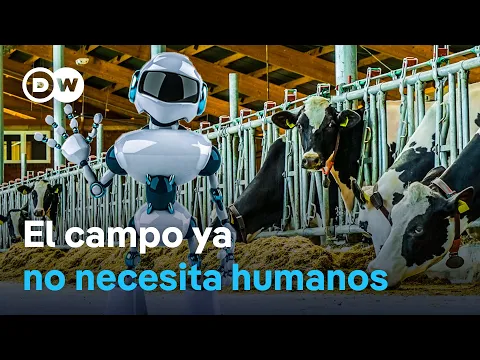

The Automation Described Is Not An Isolated Case Of Local Invention: The Systems Come From An Austrian Company, And The Growth Of Global Demand Is Presented As Rapid.
Machines Are Already Being Shipped To Regions Such As Brazil, The Middle East, And Australia, And The Operation Is Managed With Remote Access To Devices Anywhere In The World, As Long As The Connection Is Stable. The Automated Farm Depends As Much On Mechanics As On Connectivity.
The Commercial Scenario Also Appears With Nuances: The Milk Dispensers Are Exported To Over 70 Countries, With Demand Especially Strong In Eastern Europe.
In The United States, The Market Is Described As Uncertain Due To Futures Contracts And Tariffs, While In South America There Is Interest And The Expectation That A Trade Agreement Could Boost Sales.
To Operate In Different Climates, The Software Is Designed With Flexibility, Reinforcing The Idea That The Modern Farm Becomes A Highly Specialized Environment.
Limits And Dilemmas: Efficiency, Dependency, And What Changes In Work
The Automated Farm Promises To Reduce Costs And Efforts In The Long Term, But It Also Creates A Clear Dependency: Machines, Sensors, Platform, And Internet Need To Work Reliably For The Model To Sustain Itself.
When The Connection Drops Or A Component Fails, The Producer Does Not Just Lose “Comfort”; He Loses Visibility And Predictability Of What Is Happening. The Risk Shifts From Being Just Physical To Also Being Technological.
Another Point Is The Impact On The Profile Of Rural Activity. The Farm Continues To Require Presence, But Shifts Focus To Management, Maintenance, And Data-Driven Decision Making, While Reducing The Need For Constant Labor In The Barn.
For Some, This Makes The Sector More Attractive And Sustainable; For Others, It Raises Questions About How To Maintain Attention To Animal Welfare When Part Of The Daily Human Contact Is Replaced By Alerts And Automated Routines.
The Farm Without Staff, Guided By Robots, Sensors, And Artificial Intelligence, Shows A Possible Path To Address The Lack Of Workers And Reduce Repetitive Tasks: Calculated And Automatically Distributed Feeding, Robotic Milking, Continuous Surveillance Via Phone, And Alerts Based On Pattern Changes.
The Investment Of About €100,000 Goes From Being Just Equipment To A Strategy For Survival And Quality Of Life For Those Running The Operation.
If You Had A Farm To Manage, Would You Bet On Total Automation To Save Time And Predictability, Or Would You Prefer To Keep More Manual Routine For Safety And Proximity To The Animals? And What Would Be The Acceptable Limit For You To Depend On Your Phone To Decide What Happens In The Barn?






100 mil euros está muito barato essa automação total de uma fazenda de pecuária produtiva . Aqui no Brasil passaria frouxo de R$ 5 milhões pra cima . Mas é o caminho a seguir. Eu particularmente sou a favor da tecnologia 100% no campo.