





 Portuguese
  English
  Spanish
  4 min of reading
  0 comments


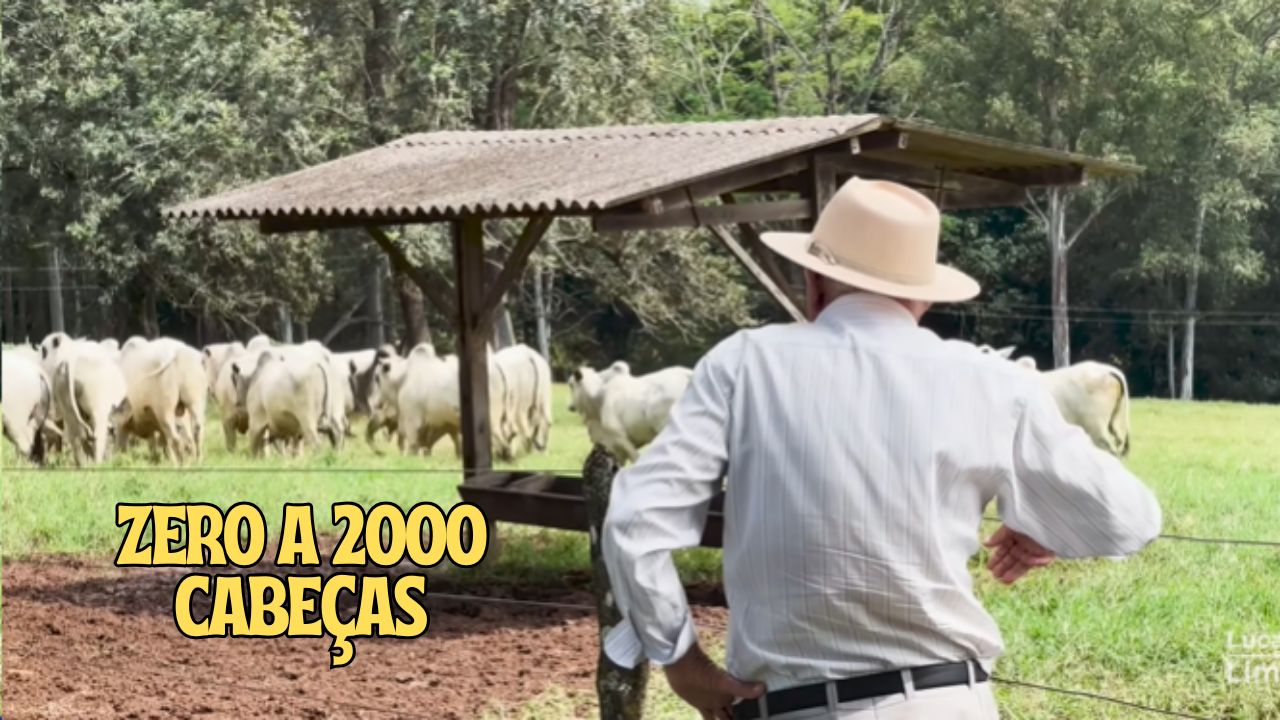
See How He Built A Cattle Empire With Pure Nelore From Origin, Rigor Selection, Abundant Water, Waterwheel Without Energy Cost, And A Solar Plant That Reduces Costs
In practice, understanding how he built a cattle empire relies less on “lucky breaks” and more on a mindset repeated like a mantra: go slow, without haste, always investing and accepting that cattle farming is slower but steady and secure. This is how a cattle farmer, born and raised on the farm, describes decades of building assets, herd, and structure.
When he opens the gates, he shows what supports the system day by day: pure Nelore from origin, registered and selected calves, handling without shouting, water as a central wealth, and cost decisions that make a difference at the end of the month, like the waterwheel that doesn’t consume energy and the solar energy that cut down the bill.
Small Beginning, Big Mindset
When he recounts how he built a cattle empire, the starting point is not grandiose: “a little thing”, an initial plot, and the courage to lease grazing land, create partnerships for cattle, and reinvest. The logic was straightforward: grow one piece at a time, with the discipline not to skip steps.
-
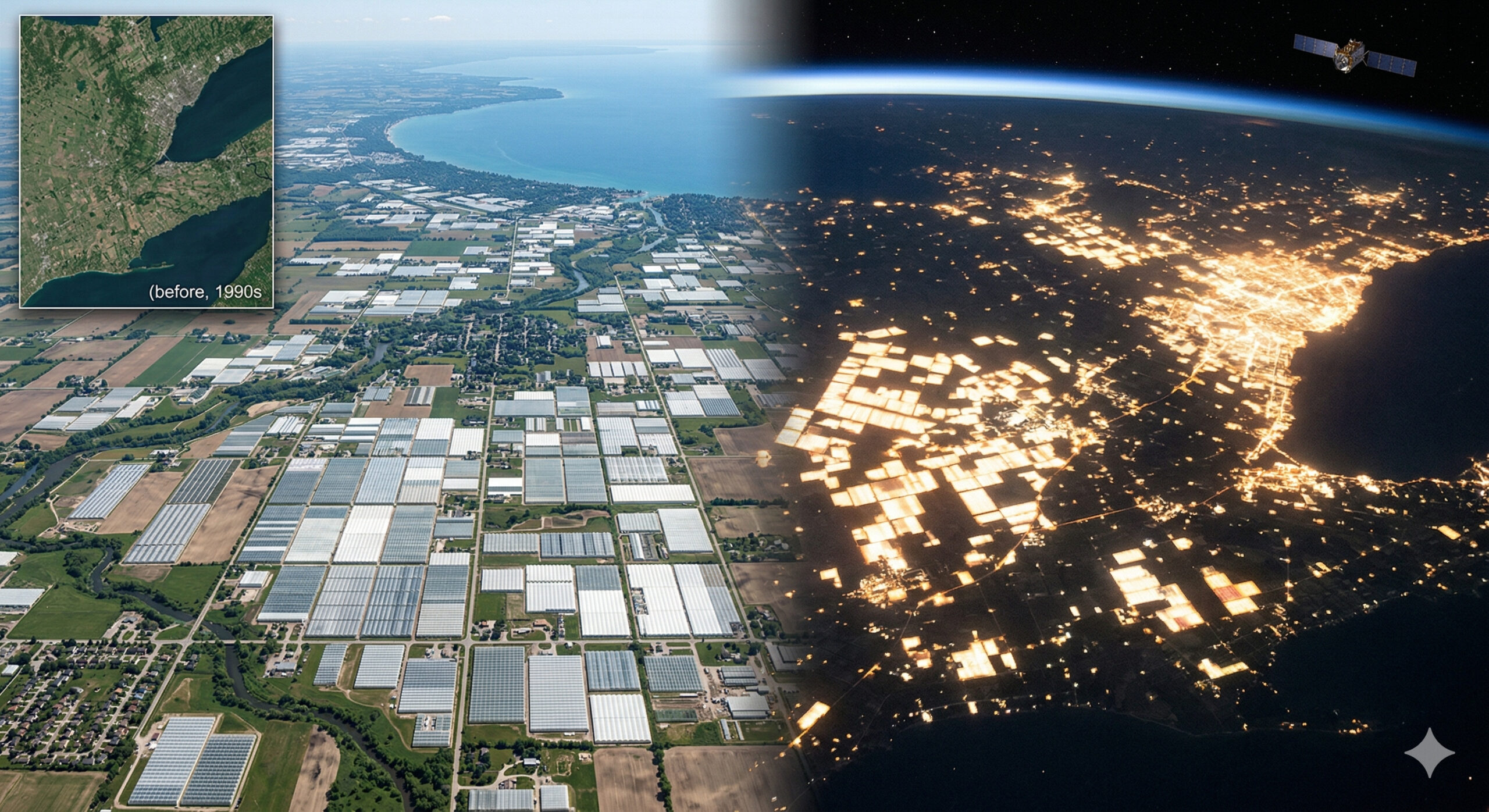
The expansion of greenhouses in southern Canada has become so intense that it has changed the appearance of the soil and even the nighttime glow of the region, transforming Ontario into one of the most visible agricultural hubs in North America from space.
-
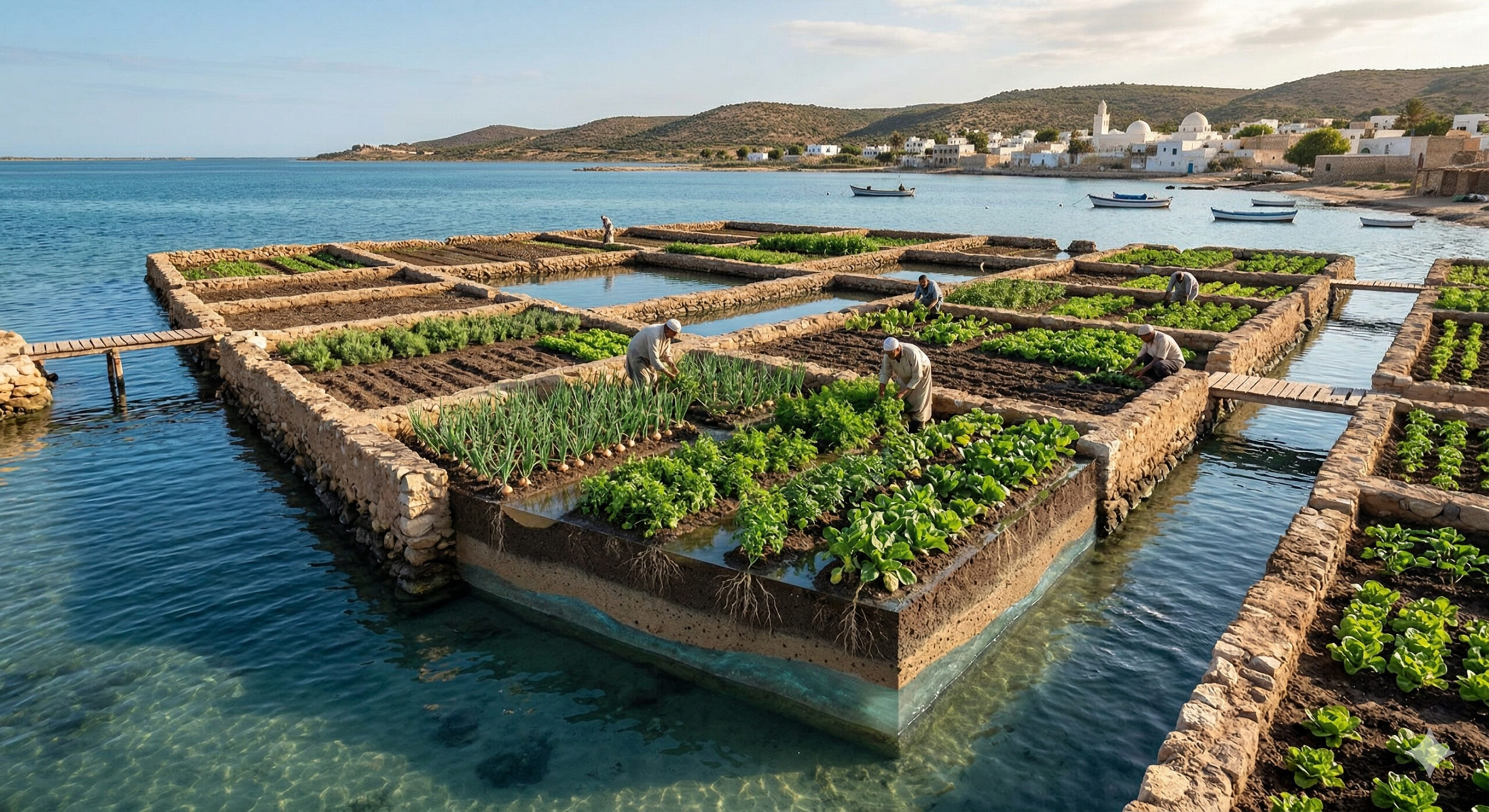
Almost nobody imagines it, but farmers in Tunisia grow food in the sand and make the roots drink fresh water that floats on top of seawater in an agricultural system considered unique in the world.
-
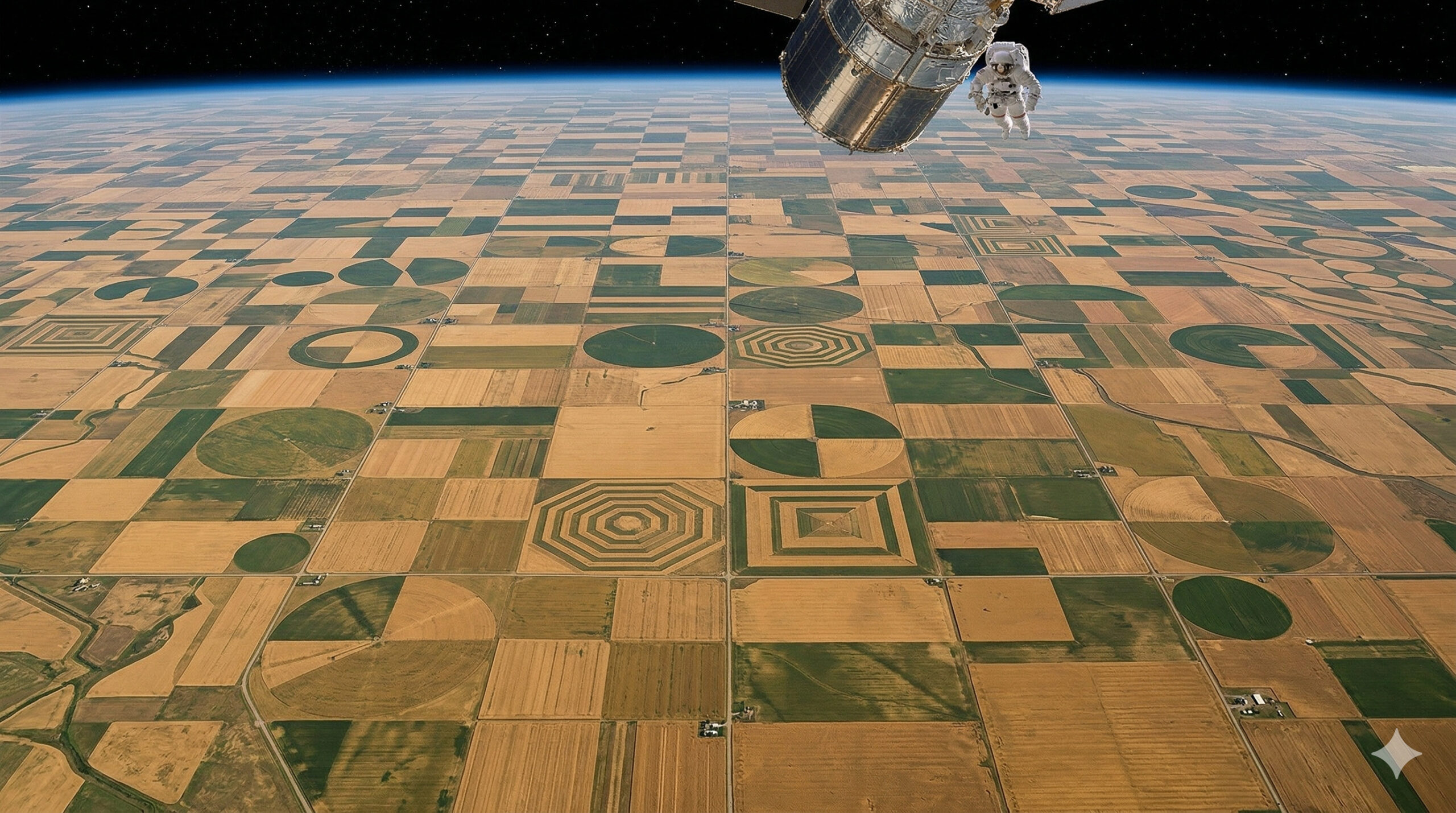
More than 20,000 km² of wheat fields form nearly perfect lines and geometric shapes in Montana, creating an agricultural pattern so symmetrical that the landscape looks like an abstract artwork visible from space.
-
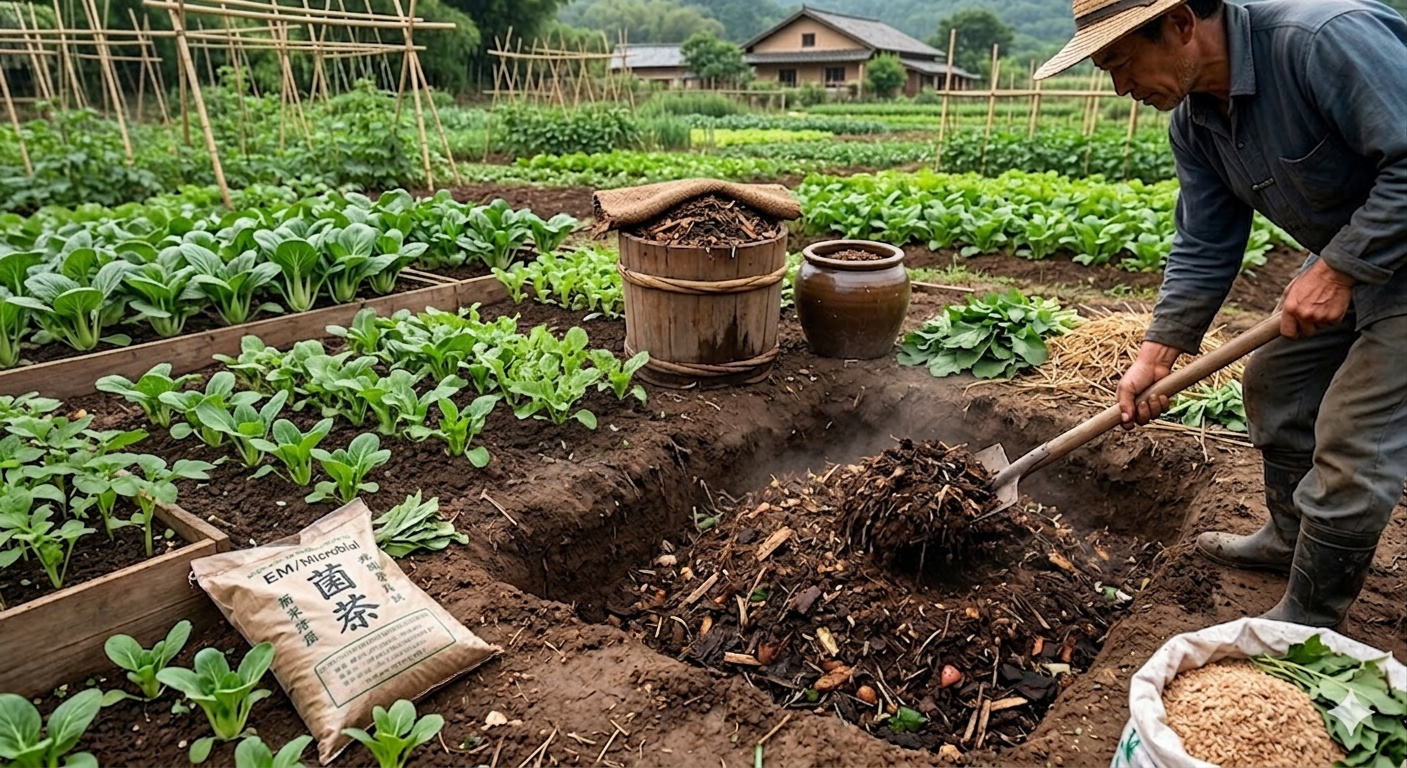
Bokashi, an Asian-origin fertilizer, is formed through the fermentation of husks, organic matter, and microorganisms, gaining traction in agriculture for strengthening beds and accelerating soil life.

Throughout his life, he even diversified, went through commerce and other businesses, but the decision to stay in cattle farming came from personal preference and risk profile. For him, cattle farming has less risk from time than agriculture, and this weighs heavily when the goal is to build something lasting.
How He Built A Cattle Empire At The Pace Of Cattle Farming
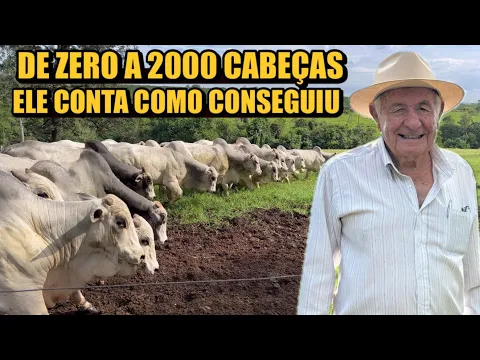

The formula he repeats is simple and requires consistency: “they go slow but always wanting to grow.” In his view, those who rush tend to make more mistakes, go into debt more, and break easier. Meanwhile, those who work with patience tend to weather bad phases and take advantage of the good ones.
This perspective appears even in the negotiation routine: selling, trading, accepting disposal when necessary, doing business with what the market allows. The gain, often, lies in the details of negotiation and persistence, not in a single big success.
High Genetic Nelore As The Foundation Of The System
At the center of the narrative about how he built a cattle empire is pure Nelore from origin. He works with registered calves, with control of the father and mother, birth communication, tattooing, technical checking, and visual disposal when defects arise.
The selection is treated as a rule, not as a whim. The technician evaluates characteristics, and those that do not meet the standard are discarded. The registered needs to be capable of producing and improving herds, and this explains why buyers pay for the breed and genetics, not for weight.
Management, Rustic Nature, And The Choice For More “Farm-Like” Cattle
The cattle farmer reinforces a practical point: Nelore is rustic, withstands harsher conditions well, and usually requires less work than other breeds, provided it is managed correctly. For him, there should be no shouting or rough handling, because if not done right, the cattle can complicate matters.
In his routine, checking the herd is frequent, observing salt, water, wounds, and flystrike. The idea is simple: prevention costs less than putting out fires later.
Water, Dams, And Waterwheel That Does Not Consume Energy
If there is an “invisible pillar” in how he built a cattle empire, he undoubtedly points to water. The farm has five dams and springs, in addition to a cistern fed by natural water from a higher spring, ensuring support for the house, cattle, and operation.
The waterwheel and mechanical pump serve as solutions that reduce fixed costs: it’s water rising without depender on electric energy, with maintenance considered low and electrical support only as a backup. In his summary, “property must have water,” because “water is life.”
Solar Plant To Reduce Costs And Provide Predictability
Another part he makes sure to show when explaining how he built a cattle empire is solar energy. The photovoltaic plant was a decision of efficiency: he reports that he was paying a high bill and, after the investment, started paying much less, with savings noticed month after month.
For someone living on margins and predictability, this type of adjustment changes the game: less fixed cost means more room to invest in the herd and the farm.
Milk As Support, But Focus On Beef Cattle And Genetics
Despite having dairy cattle and milking, he makes it clear that his main interest is beef cattle. Milk serves as an aid for some expenses, but went through a price crisis that led to a reduction in volume and handling. Still, the structure and management exist, with organized feed and routine.
The core of the strategy remains the herd, selection, and consistency. It’s this combination that sustains the narrative of how he built a cattle empire without relying on haste, shortcuts, or “miracles.”
In your opinion, what matters most for someone to repeat this path of how he built a cattle empire: Nelore genetics, abundant water, cost management with solar energy, or the mindset of going slow and always reinvesting?





-

-

-

-

6 pessoas reagiram a isso.