





 Portuguese
  English
  Spanish
  6 min of reading
  2 comments


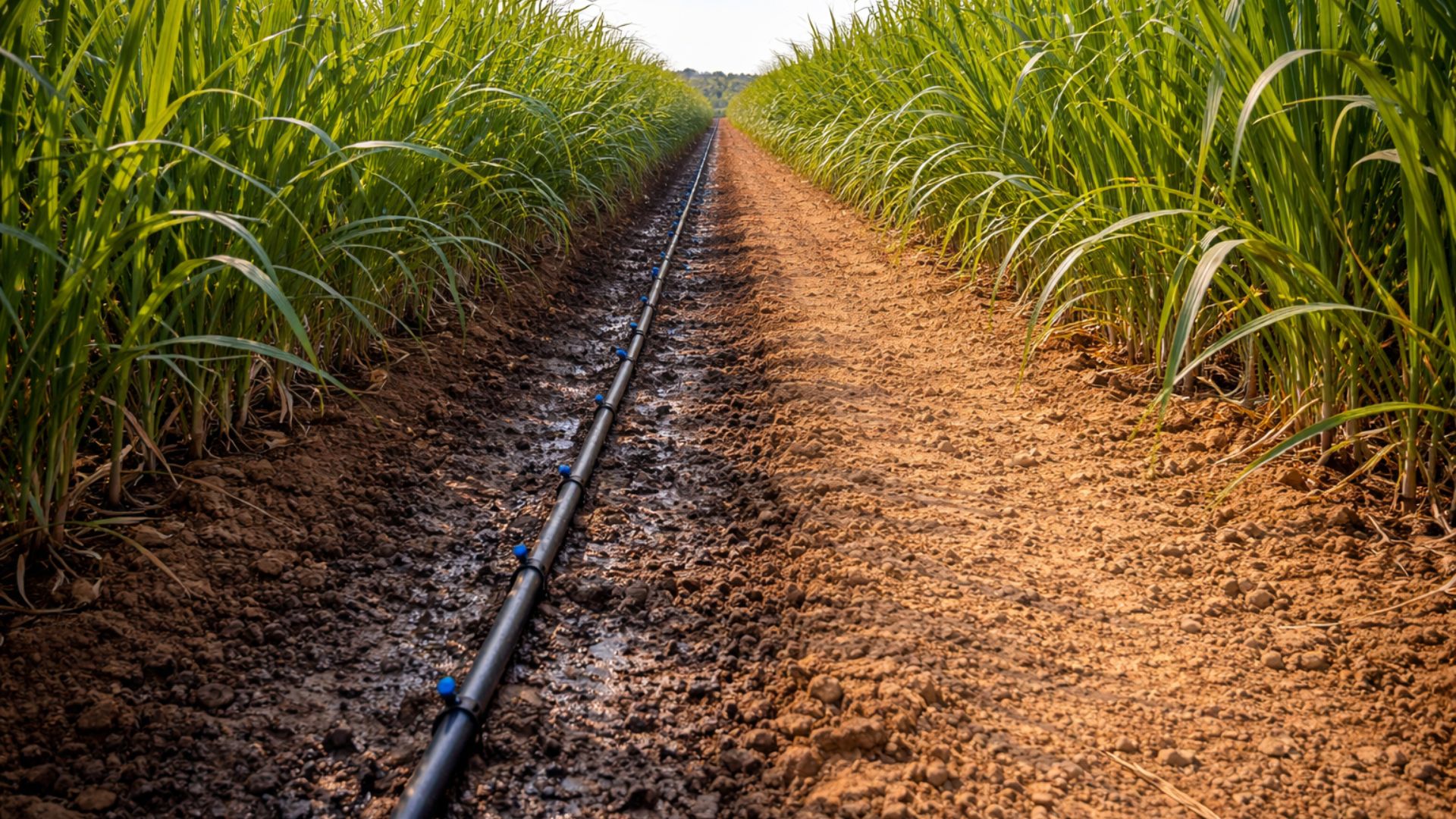


Alternate Irrigation Strategy Makes Plant Respond to Water Stress and Can Reduce Water Consumption Without Collapsing Photosynthesis.
In areas where water has become the most contested input in farming, producers and researchers have resorted to a tactic that, at first glance, seems counterintuitive: irrigating only one side of the root system and leaving the other, for a period, in drier soil.
This practice is called Partial Root Drying, known by the acronym PRD, and is part of deficit irrigation techniques that seek to reduce the applied volume without significantly dropping productivity.
In essence, PRD tries to transform plant physiology into an ally of management.
-
The sugar-energy sector advances with agricultural technology, but agricultural productivity still raises concerns.

-
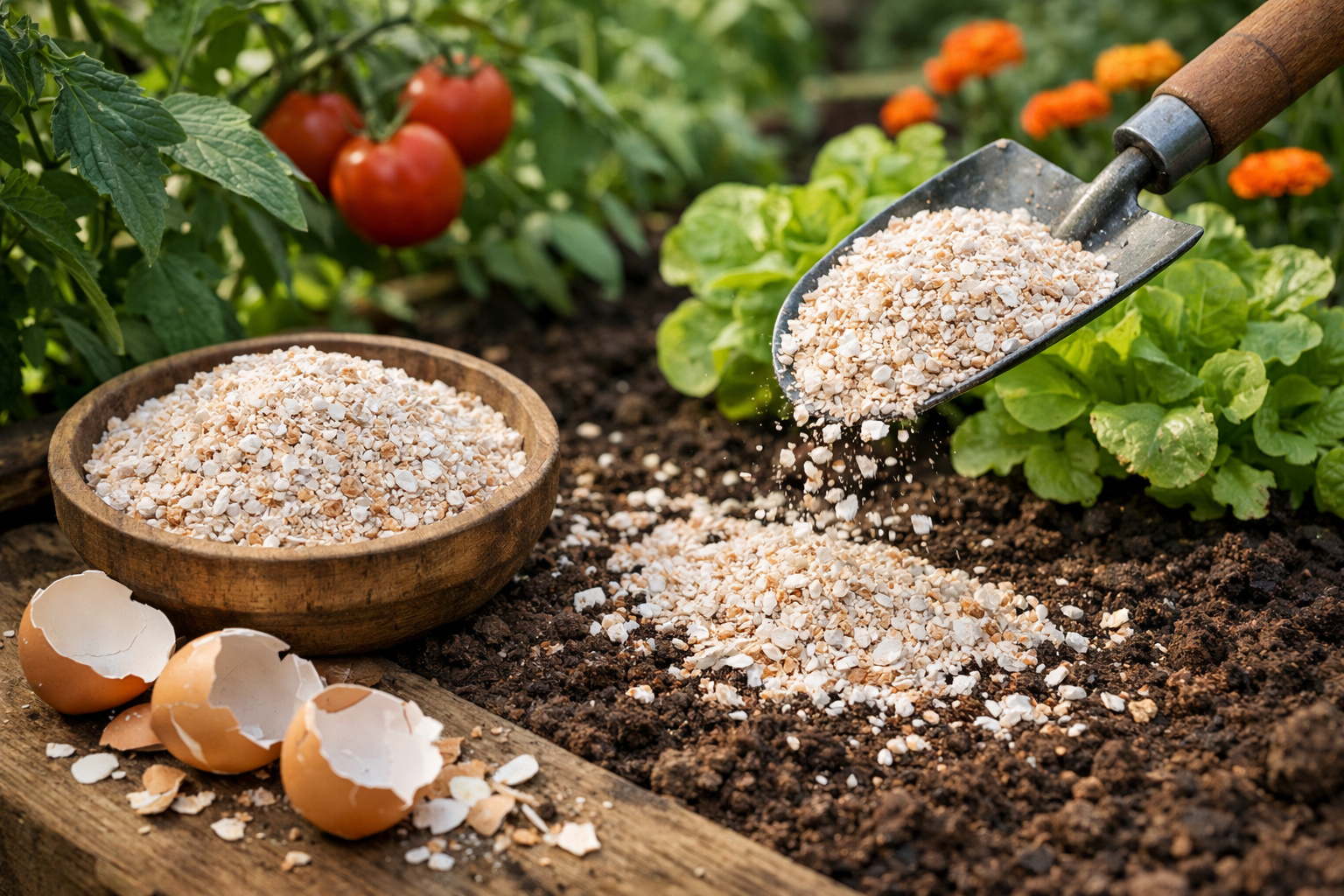
The eggshell that almost everyone throws away is made up of about 95% calcium carbonate and can help enrich the soil when crushed, slowly releasing nutrients and being reused in home gardens and vegetable patches.
-
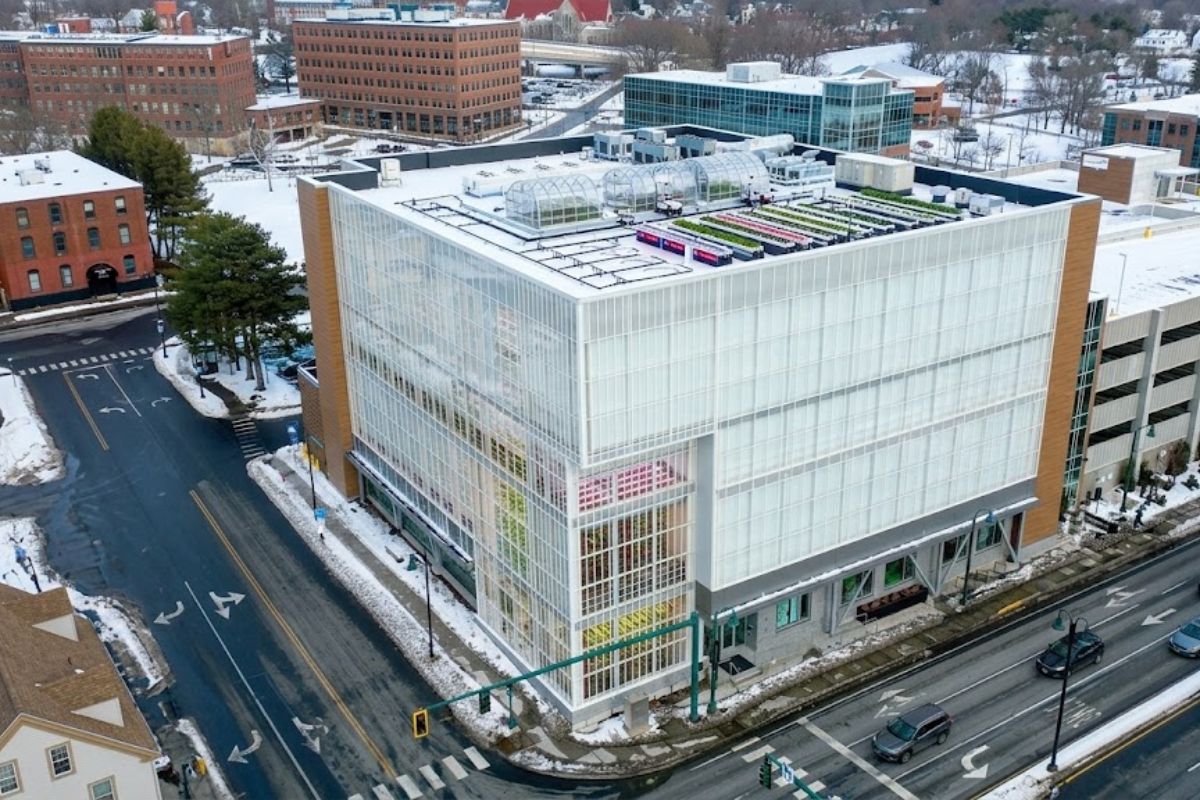
This farm in the United States does not use sunlight, does not use soil, and produces 500 times more food per square meter than traditional agriculture: the secret lies in 42,000 LEDs, hydroponics, and a system that recycles even the heat from the lamps.
-
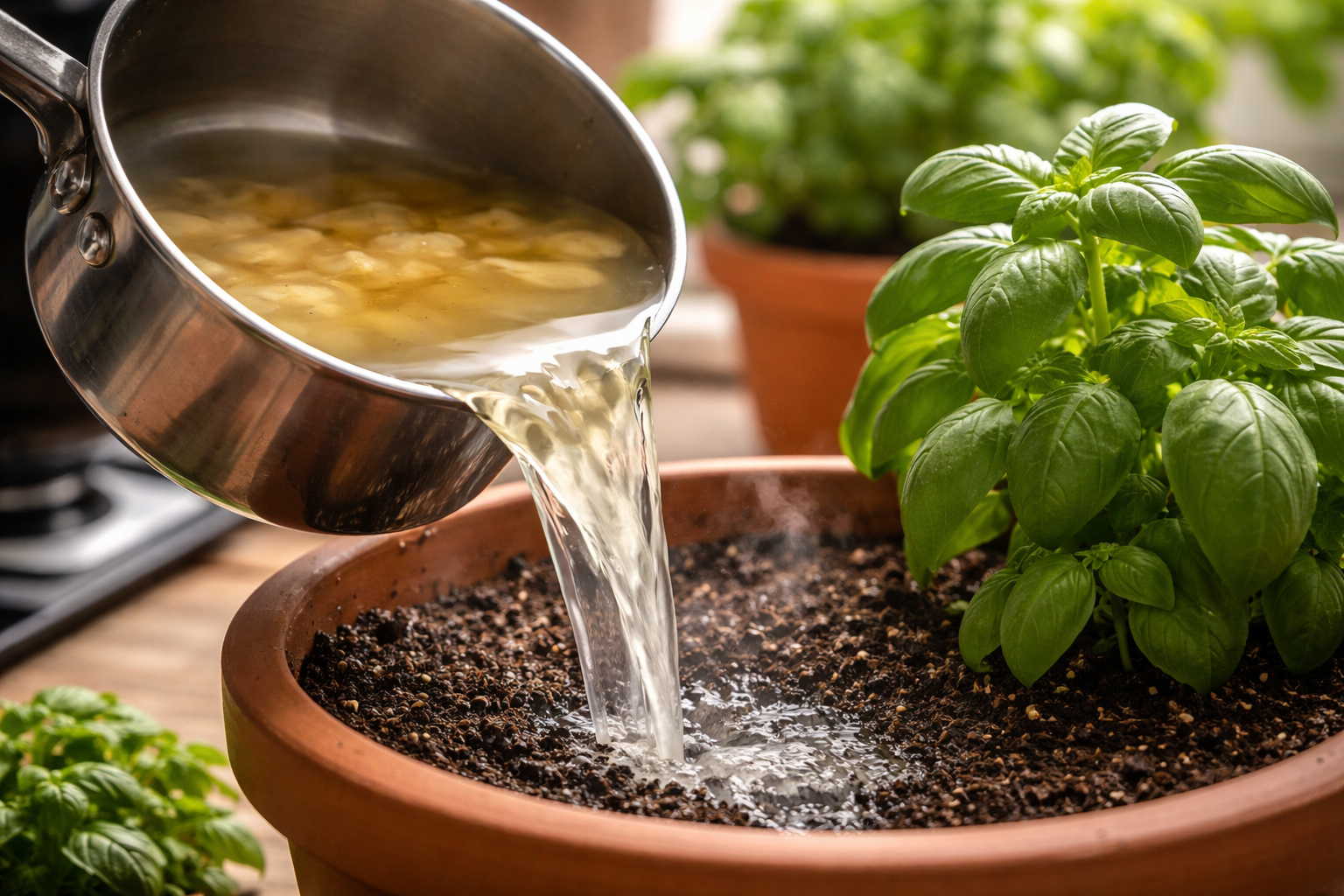
The water that almost everyone throws away after cooking potatoes carries nutrients released during the preparation and can be reused to help in the development of plants when used correctly at the base of gardens and pots, at no additional cost and without changing the routine.

The proposal is not to “irrigate less and hope,” but to create a controlled scenario in which the plant receives different signals from the roots: on one side, water availability; on the other, perception of deficit.
As a result, the crop tends to adjust its consumption, especially through transpiration, without automatically pushing metabolism into widespread stress.
Partial Root Drying in Practice
The method divides the root zone into two operational parts and alternates the point of application throughout the cycle.
Instead of wetting the entire root area at once, the irrigator supplies only one side for a specific interval.
After this period, the side that received water is left to dry, and irrigation moves to the opposite side, repeating the alternation according to crop development and soil conditions.

This operational detail is not peripheral; it is the heart of the technique.
The alternation seeks to ensure that a portion of the roots is always in moist soil, preserving the general water status of the plant, while another portion “senses” the deficit and triggers responses that reduce waste.
When the management is well calibrated, the crop does not collapse from water stress, but it also does not maintain the typical consumption pattern of full irrigation.
The design of the system often requires precise application, which explains why PRD frequently appears associated with drip irrigation and sectoring of lines.
In orchards, it is common to adapt lateral lines and valves to allow one side of the root strip to be prioritized while the other enters controlled drying.
In row crops, the principle remains, with the organization of wetting to create two “sides” that can alternate along the planting line.
Physiological Response: Stomata, Transpiration and Water Economy
The scientific basis described in studies and reviews on PRD involves communication between the root and aerial parts.
When a portion of the root system encounters drier soil, the plant tends to produce and transport chemical signals associated with water stress.
These signals reach the leaves and influence the opening of the stomata, pores responsible for gas exchange and for most of the water loss in vapor form.
By reducing stomatal opening, the crop decreases transpiration and starts to use less water to sustain daily functioning.
On the other hand, as another part of the roots continues in a moist environment, the plant does not necessarily lose, in the same proportion, the ability to maintain turgor, photosynthesis and growth.
The efficiency of the process depends on a balance point: it is necessary to induce a physiological response without advancing to prolonged stress that compromises fine roots, absorption and development.
It is in this context that the idea of “deceiving” the plant became popular.
The term does not mean uncontrolled manipulation, but the attempt to provoke a specific reaction through mixed signals coming from the soil.
While one part of the root system indicates scarcity, another part ensures supply, and the crop tends to adjust its water use as if it were in a restricted situation, but without suffering a total interruption of supply.
Water Use Efficiency and Productivity in PRD


The savings attributed to PRD are often presented as potential and variable.
Scientific reviews and technical documents report significant reductions in applied volume and, under certain experimental and field conditions, cite the possibility of saving up to about half of the water compared to full irrigation.
Still, the studies themselves reinforce that the response is not uniform among crops, environments, and development stages.
In other words, there is no automatic guarantee of maintaining yield just by alternating the wet side.
Species, phenology, climate, soil type, and system design change the result, just as the discipline of operation on a daily basis does.
When local deficit becomes too intense or prolonged beyond what was planned, the technique ceases to be “fine control” and can turn into accumulated stress, impacting production and quality.
For this reason, PRD is often described as a management tool, and not as a “universal recipe.”
The logic is to provide the producer with a way to reduce water consumption with less risk than simply lowering the volume uniformly, a strategy that can push the entire plant into a more severe deficit.
Even within PRD, the design of the alternation, the exchange intervals, and the volume applied at each stage are decisive for the outcome.
Alternation Interval and Soil Role in Management
Among the most sensitive points is the timing of the exchange between the irrigated side and the drying side.
If the alternation occurs too early, the dry sector may not produce a relevant physiological signal, and the expected effect on transpiration tends to be limited.
If the exchange takes too long, the dry side may exceed the desired level of deficit, harming active roots and decreasing absorption capacity, precisely what the method seeks to avoid.
Soil texture and structure come into play as a practical factor requiring attention.
Sandy soils lose water more quickly and, therefore, may require greater care to ensure that drying does not exceed what was planned.
In soils with a higher clay content, retention may prolong moisture, which changes the time required for the plant to “perceive” the deficit in the sector that should dry.
The operation, therefore, is not limited to alternating valves on a fixed calendar.
Monitoring moisture, observing the behavior of the crop, and making adjustments throughout the cycle are often crucial to prevent the method from becoming just a water reduction without physiological support.
Vegetative Vigor, Quality, and Limits of the Method
Besides the volume saved, part of the literature discusses effects on vegetative vigor and partitioning of assimilates.
In some species and conditions, PRD can reduce excessive vegetative growth and favor allocation to commercially interesting organs, such as fruits, depending on when the deficit is induced.
There are also records of changes in quality attributes in certain scenarios, although this type of result is highly dependent on crop, climate, deficit intensity, and alternation strategy.
Even when quality gains appear, they should not be treated as a promise.
What is repeated more consistently in technical descriptions is the central objective: increasing water use efficiency, producing more per applied unit, as long as management preserves a portion of the root system in adequate conditions.
Infrastructure, Adoption Cost, and Package of Best Practices
The technique brings a practical requirement: the ability to wet specific zones and alternate them.
This implies adaptation of infrastructure, sectoring, valves, hydraulic organization, and a more attentive operational routine than in irrigation without alternation.
The need for uniformity of application also counts, because emitter failures in a system that operates with half of the root zone can quickly destabilize the water status of the crop.
Even with this cost, interest is growing in regions under restrictions on water extraction, pressure for efficiency, and increased costs of energy and pumping.
By reducing the applied volume, the producer tends to ease the demand on reservoirs and wells, and may gain margin in critical periods, as long as management is careful and based on the real needs of the crop.
In the field, PRD rarely appears in isolation.
The technique is often associated with best practices such as maintenance of emitters, monitoring of soil moisture, adjustments of irrigation schedules, and decisions aligned with the plant’s development stage.
In this scenario, partial drying works as a change in the wetting pattern to exploit a natural response of the crop, and not as an automatic substitute for all irrigation management.
If the plant can reduce water loss just by sensing part of the roots in drier soil, what other savings can emerge when irrigation is conducted with the same level of precision and physiological reading?









Excelente trabajo
Excelente artículo. Pero me faltan conocimientos básicos de ciencia agrícola para entender todo