





 Portuguese
  English
  Spanish
  5 min of reading
  23 comments


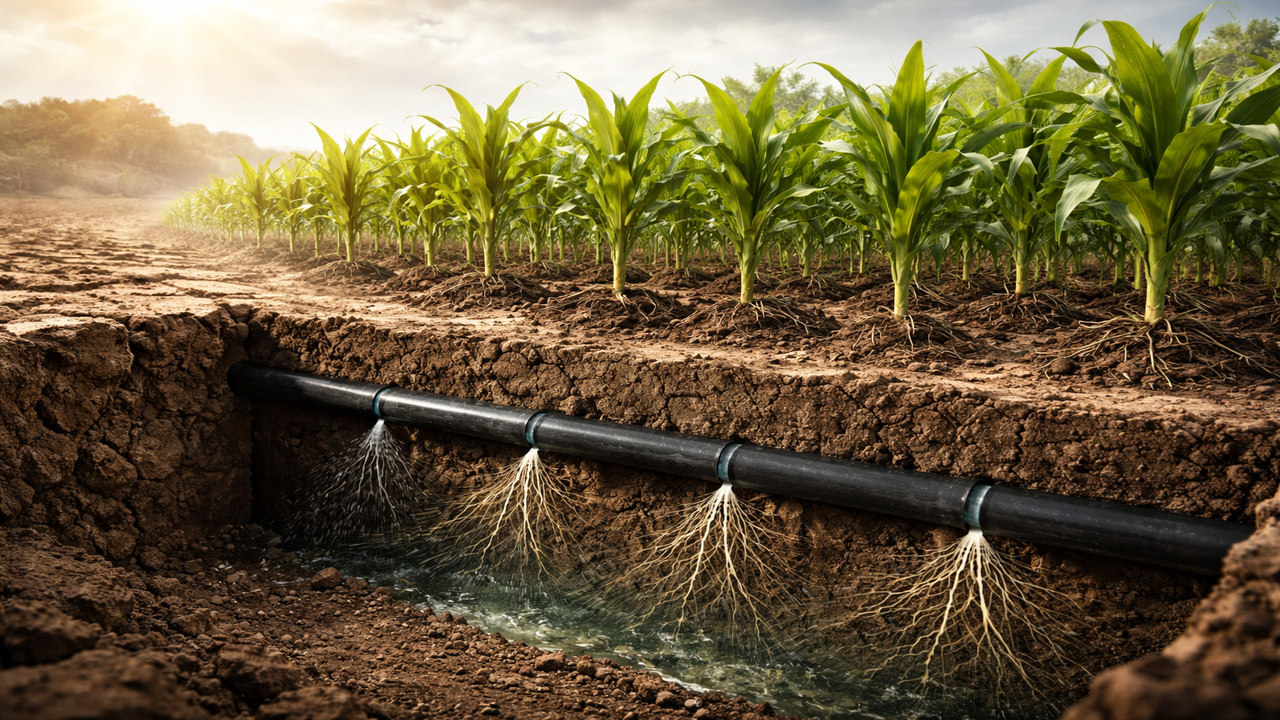


Subsurface Drip Irrigation Buries Tubes in the Soil, Reduces Evaporation, Saves Up to 50% of Water, and Maintains Agricultural Productivity in Arid Regions.
The pressure on agriculture has never been so intense. Longer heatwaves, irregular rainfall, and restrictions on water use are forcing producers to abandon traditional irrigation methods that waste enormous volumes through evaporation. In a silent yet extremely effective response, farmers in arid and semi-arid regions are burying their irrigation systems and radically changing how water reaches plants. The method is simple in appearance but profound in impact: tubes installed between 20 and 40 centimeters below the soil surface deliver water directly to the root zone, virtually eliminating losses, increasing efficiency, and ensuring harvests where cultivation was previously unfeasible.
What Is Subsurface Drip Irrigation and Why Does It Change Everything
Subsurface drip irrigation, technically known as SDI (Subsurface Drip Irrigation), involves the permanent installation of drip lines below the soil, precisely positioned along crop rows. Unlike surface drip irrigation, the water does not come into contact with the air, does not run over the surface, and does not evaporate before fulfilling its purpose.
In practice, this means that more than 90% of the water applied is effectively absorbed by the roots. In conventional systems such as sprinkler or center pivot, this rate can drop drastically on hot days, when up to half of the water is lost before reaching the soil. In regions where every cubic meter counts, this difference separates continuous production from agricultural collapse.
-
The sugar-energy sector advances with agricultural technology, but agricultural productivity still raises concerns.

-
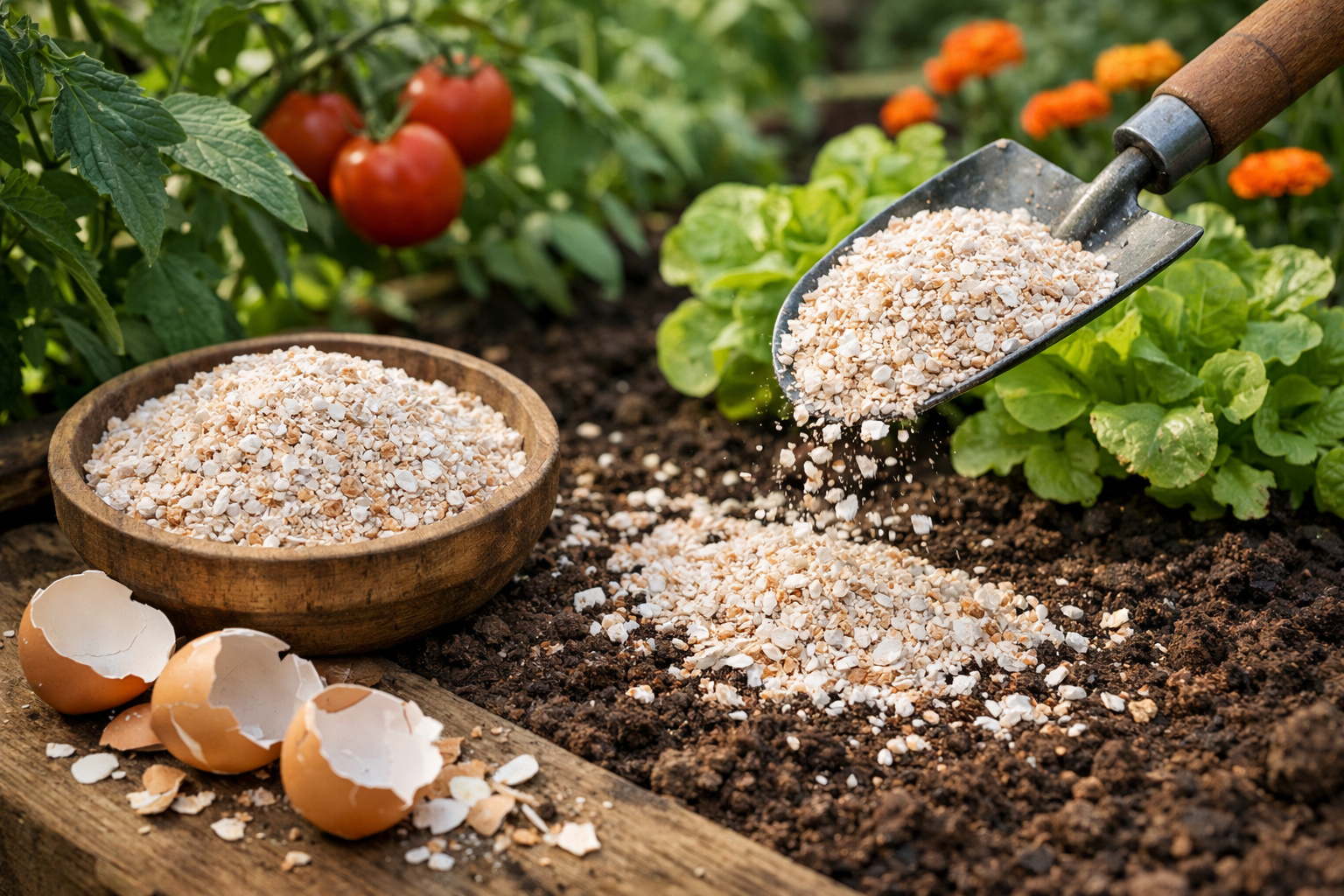
The eggshell that almost everyone throws away is made up of about 95% calcium carbonate and can help enrich the soil when crushed, slowly releasing nutrients and being reused in home gardens and vegetable patches.
-
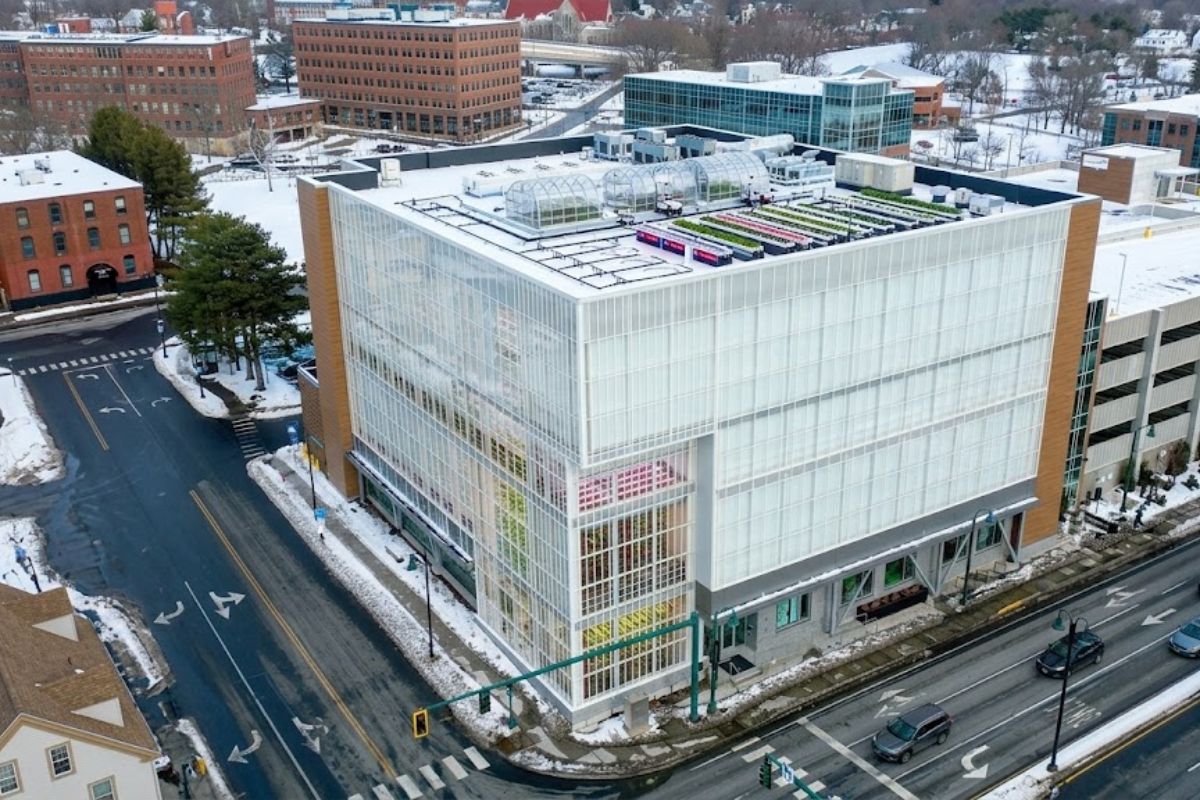
This farm in the United States does not use sunlight, does not use soil, and produces 500 times more food per square meter than traditional agriculture: the secret lies in 42,000 LEDs, hydroponics, and a system that recycles even the heat from the lamps.
-
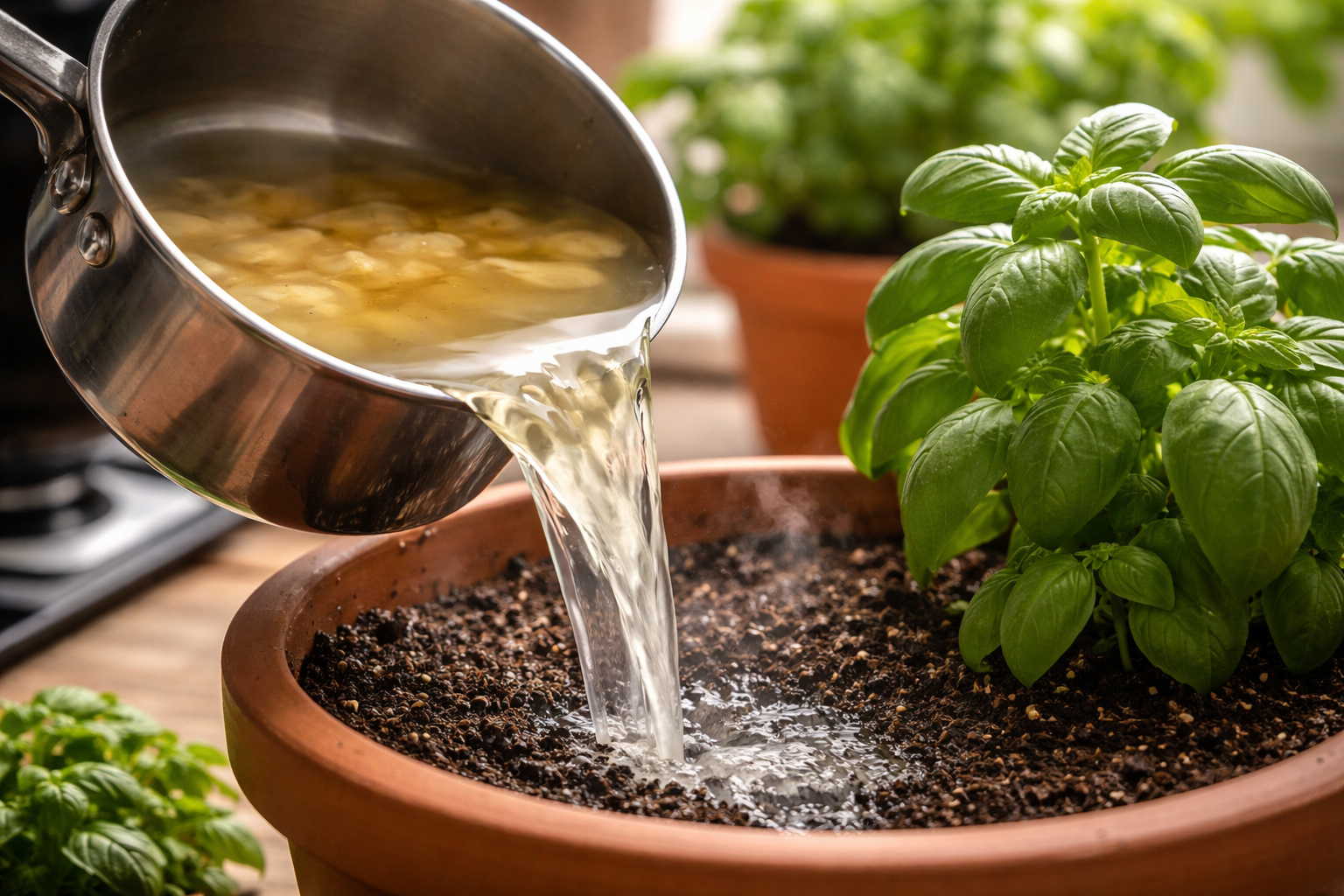
The water that almost everyone throws away after cooking potatoes carries nutrients released during the preparation and can be reused to help in the development of plants when used correctly at the base of gardens and pots, at no additional cost and without changing the routine.

How Burying Tubes Reduces Evaporation and Saves Up to Half the Water
Evaporation is the major enemy of irrigation in warm environments. When water is thrown over the soil or sprayed into the air, it is exposed to solar radiation, wind, and low relative humidity. When buried, the water circulates in a thermally stable environment, protected from the direct effects of the weather.
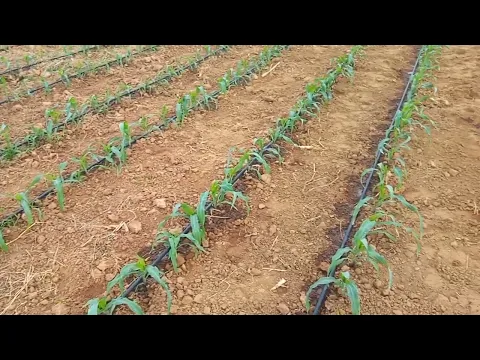

Field studies conducted in agricultural areas of the United States, Israel, Australia, and Spain show average reductions in consumption between 30% and 50% compared to surface systems, maintaining or even increasing productivity. In crops like corn, cotton, industrial tomatoes, and sugarcane, the water savings accumulated over entire harvests reach tens of thousands of cubic meters per hectare.
This extreme efficiency also reduces the need for constant intake from rivers, aquifers, and reservoirs, alleviating pressure on already compromised water resources.
The Ideal Depth and Precise Control of the Root Zone
The installation at a depth of 20 to 40 centimeters is not random. This range corresponds to the zone where the majority of active roots of major agricultural crops are concentrated.
By releasing water directly at this point, the system stimulates deep root growth, making plants more resilient to periods of water stress and extreme heat.
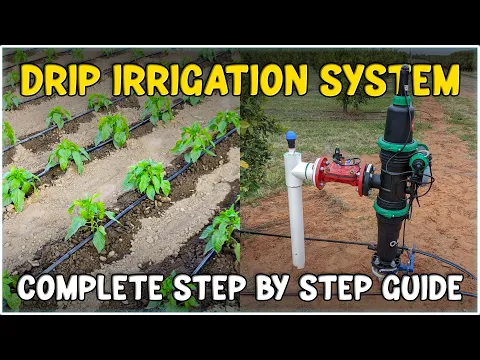
Another less discussed but crucial effect is the reduction of weed growth. Since the soil surface remains dry, invasive seed germination becomes more difficult, decreasing competition for nutrients and reducing the use of herbicides.
The farmer gains precise control over when, how much, and where water is applied, something impossible in conventional methods.
Fewer Diseases, Less Erosion, and Healthier Soils
The dry surface brings additional benefits beyond water savings. Fungal diseases, highly dependent on surface moisture, become less frequent. The absence of water running across the land drastically reduces erosion, a critical issue in sloped areas or fragile soils.
Over time, soil irrigated by subsurface drip maintains better structure, higher organic matter content, and more stable microbial activity. This creates a virtuous cycle in which the soil’s fertility itself helps reduce reliance on external inputs.
High Initial Costs, Silent and Lasting Return
The main obstacle to adopting the system is not technical, but financial. Installation requires planning, specific equipment, and skilled labor. The tubes need to be buried accurately and protected from mechanical damage and root intrusion.

However, when analyzed over medium and long-term cycles, the investment pays off. The reduction in water, electricity, fertilizer, and pesticide consumption offsets the initial cost in just a few harvests, especially in regions where water is scarce or expensive.
In countries with severe water use restrictions, such as Israel and parts of the southwestern United States, subsurface drip irrigation has ceased to be an innovation and has become an agricultural survival strategy.
Agriculture’s Response to Climate Change Is Already Happening
While political debates and long-term promises drag on, agriculture is adapting in practice. The burial of irrigation systems is a direct response to the new climate reality: less available water, more heat, and greater unpredictability.
This technique does not rely on large works, dams, or transpositions. It operates at the field level, at the root level, with the exact drop of water. And for that reason, it is spreading silently, without grand headlines, but with profound effects on food security.
Where the System Already Supports Crops That Previously Could Not Survive
Desert and semi-arid regions have been leading the adoption. In Southern California, the Negev Desert, inland Australia, and agricultural areas of Spain, regions considered marginal for cultivation have begun to produce steadily after adopting subsurface drip irrigation.
Even in developing countries, pilot projects show that the technique can be adapted to different scales, from large commercial farms to family productions, as long as there is planning and technical training.
The Future of Irrigation May Be Hidden Beneath the Ground
The logic is simple and powerful: if the problem is water loss, remove the water from the environment where it is lost. By burying tubes and delivering irrigation directly to the roots, farmers are redefining the relationship between food production and natural resources.
In a world where every additional degree and every fewer liter counts, discreet and efficient solutions like this are likely to determine who will continue producing and who will fall behind. Subsurface irrigation may not attract attention at first glance, but it could be one of the most decisive technologies in agriculture in this century.








A ideia é excelente , mas , para quem tem muitas plantações e retorno atraente , para a agricultura familiar o custo é alto e não tem retorno financeiros.
Qualquer mangueira de gotejo netafim serve para enterar?
Olha a ideia é boa mas e em caso de entupimento ,gradar, passar o arado ou pra fazer manutenção?
foque na solução, esqueça o problema, e tudo se alinha, acredite.