





 Portuguese
  English
  Spanish
  4 min of reading
  0 comments


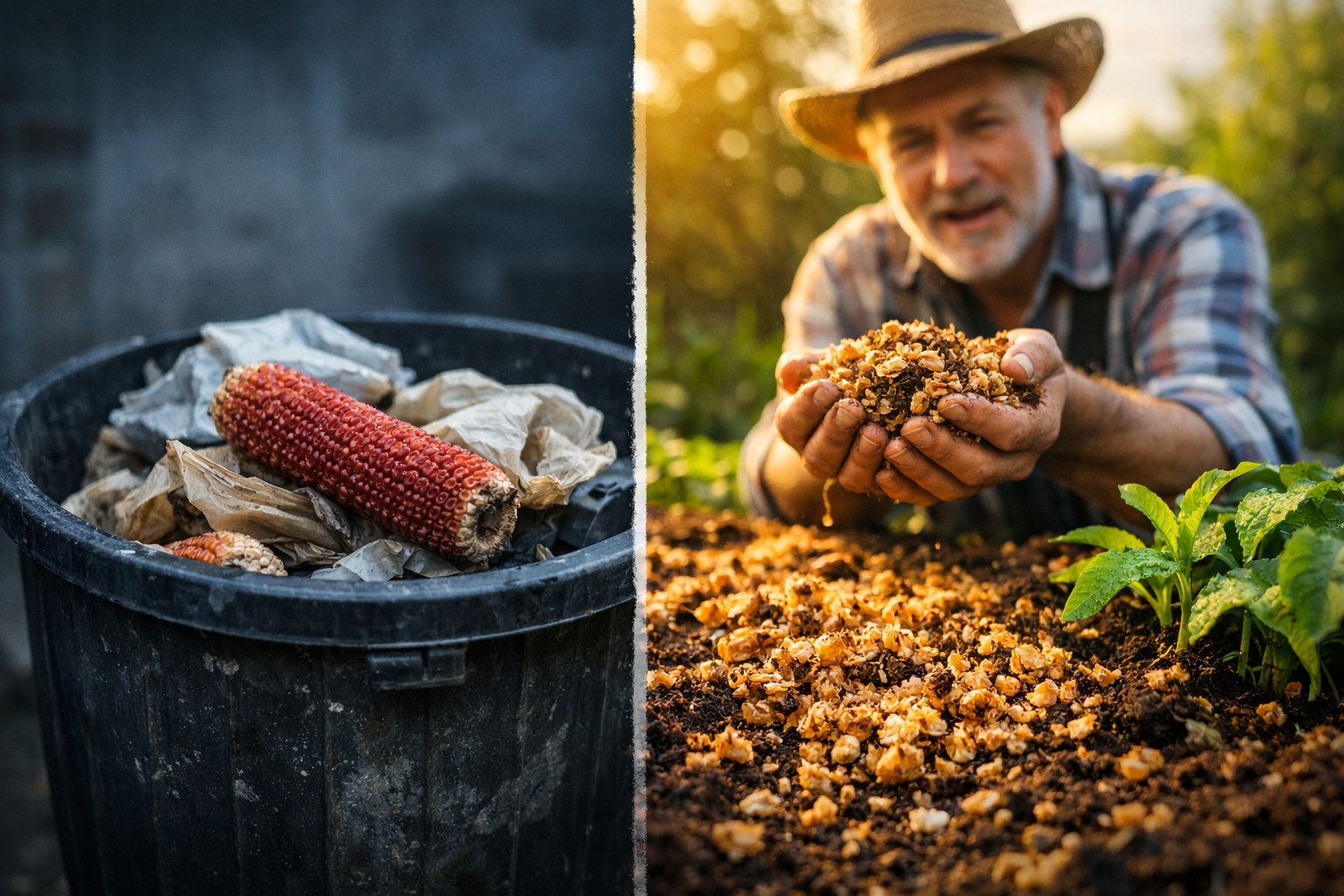
Corn Cob Can Become Organic Fertilizer, Mulch, and Soil Conditioner; See How to Use It in Composting, Improve Moisture Retention, and Avoid Nitrogen Deficiency in the Garden.
The corn cob can be repurposed as organic fertilizer, mulch, and soil structural reinforcement in the garden. When used correctly, this agricultural waste improves fertility, increases moisture retention, and contributes to sustainable cultivation.
In many rural properties, home gardens, and family plantations, corn cobs are often discarded after grain removal. However, agronomic studies and traditional agricultural practices demonstrate that this plant material is rich in structural carbon and can play an important role in improving the physical and biological quality of the soil.
The cob is mainly composed of lignocellulosic fibers—a combination of cellulose, hemicellulose, and lignin. This fibrous structure makes it resistant to rapid decomposition but extremely useful as a gradual source of organic matter when incorporated into the soil or added to composting.
-
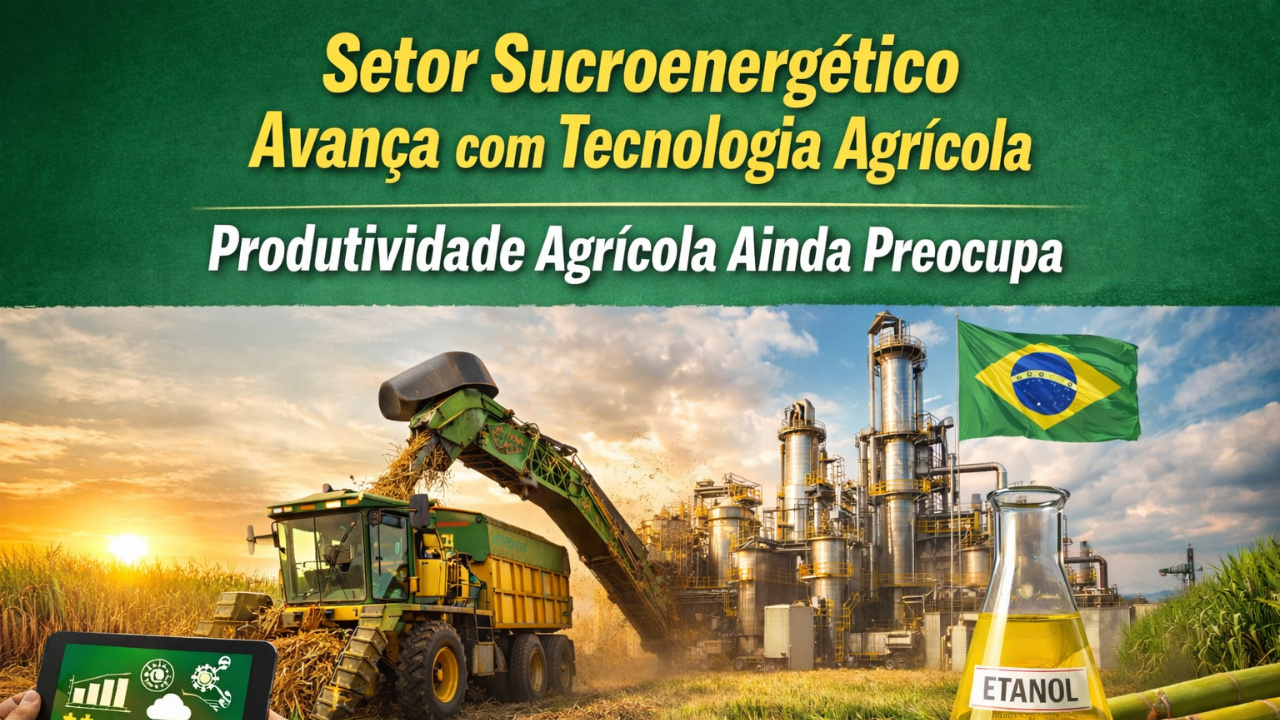
The sugar-energy sector advances with agricultural technology, but agricultural productivity still raises concerns.
-
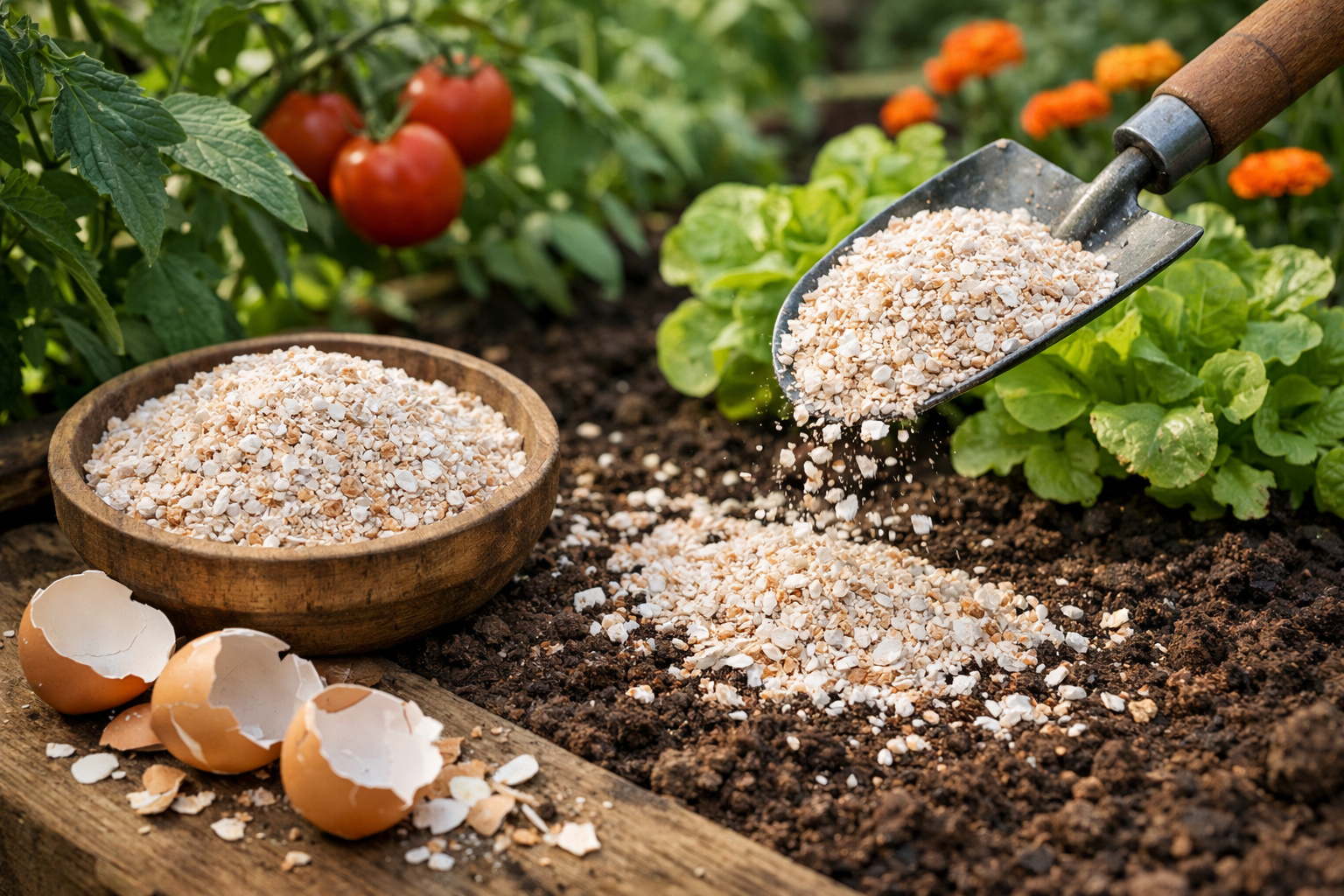
The eggshell that almost everyone throws away is made up of about 95% calcium carbonate and can help enrich the soil when crushed, slowly releasing nutrients and being reused in home gardens and vegetable patches.
-
This farm in the United States does not use sunlight, does not use soil, and produces 500 times more food per square meter than traditional agriculture: the secret lies in 42,000 LEDs, hydroponics, and a system that recycles even the heat from the lamps.

-
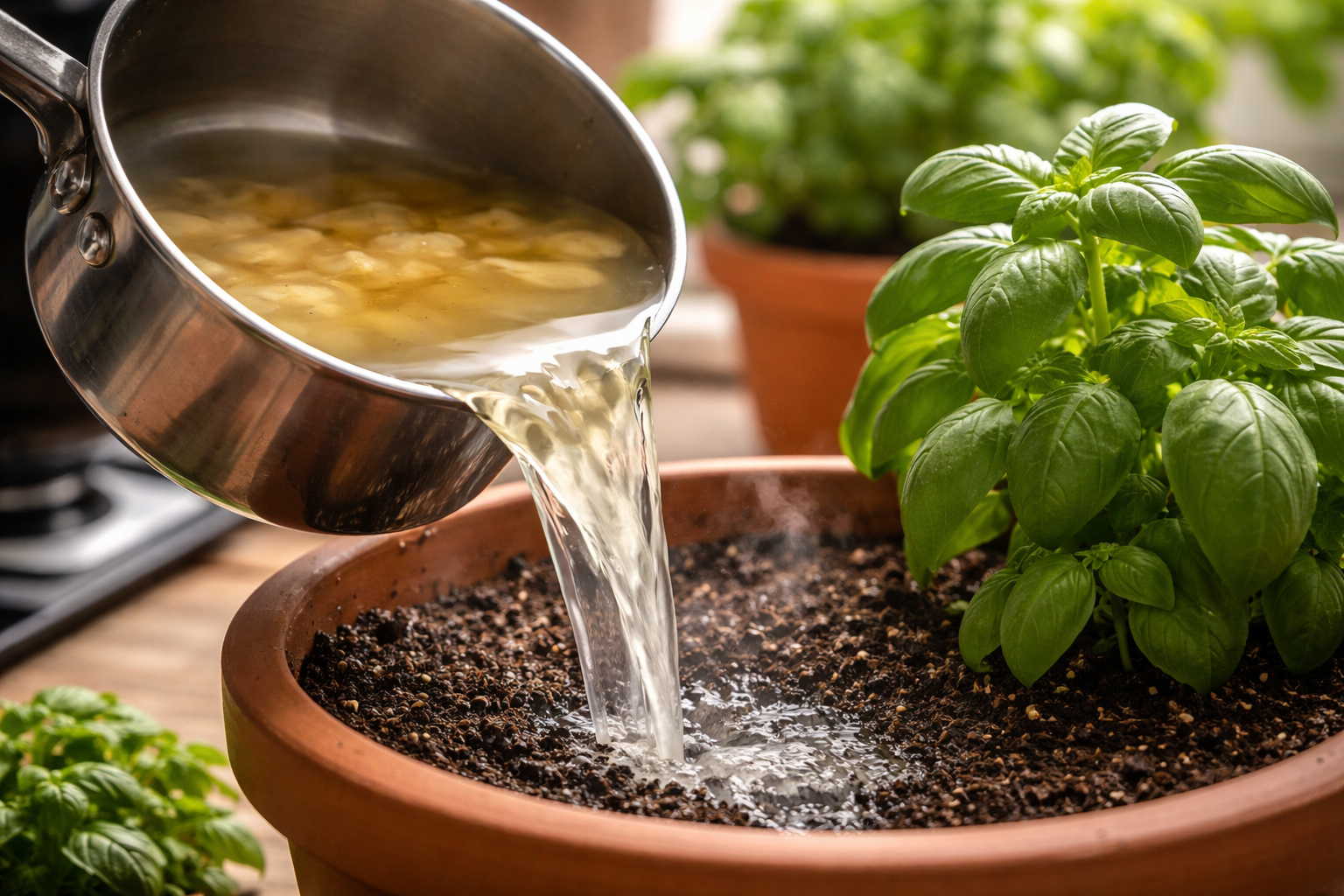
The water that almost everyone throws away after cooking potatoes carries nutrients released during the preparation and can be reused to help in the development of plants when used correctly at the base of gardens and pots, at no additional cost and without changing the routine.

What seems like merely agricultural waste is, in practice, biomass with relevant agronomic potential.
Composting with Corn Cob: Balance Between Carbon and Nitrogen
Composting relies on one fundamental factor: the balance between carbon-rich materials (dry materials) and nitrogen-rich materials (wet materials).
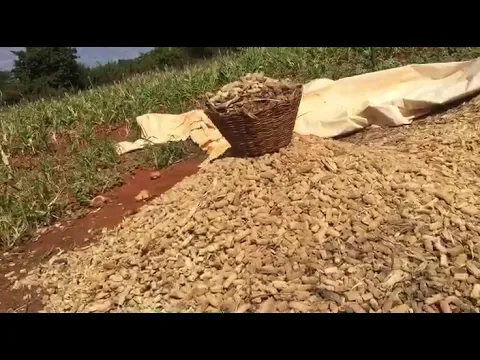

The corn cob is classified as high-carbon material. In the carbon-nitrogen (C/N) ratio, it acts as a structuring element of the compost pile.
When shredded or chopped and mixed with:
- Kitchen scraps
- Manure
- Green leaves
- Freshly cut grass
it contributes to:
- Improving the structure of the compost
- Increasing aeration of the pile
- Reducing compaction
- Controlling odors
- Balancing excess moisture
Shredding significantly accelerates the decomposition process. Whole, the cob can take months to decompose completely. Shredded, the composting time is considerably reduced due to the increased surface area for microbial action.
For those looking to make homemade organic fertilizer, shredded corn cob is an excellent alternative to dry branches or sawdust.
Corn Cob as Mulch: Moisture Retention and Soil Protection
Another practical application is using the corn cob as mulch in the garden or vegetable patch. When shredded and spread over the surface of the bed, it helps to:
- Reduce water evaporation
- Protect against erosion
- Decrease the growth of invasive plants
- Regulate soil temperature
- Minimize direct impact from rain
The mulch creates a physical barrier that protects the soil from intense solar radiation and compaction caused by heavy rains.
In regions with hot or dry climates, this practice can significantly reduce the need for frequent irrigation, contributing to water savings.
The use of corn cob as mulch is especially interesting in organic gardens, home orchards, and agroecological crops.
Corn Cob as Organic Conditioner: Improving Soil Structure
When incorporated into the soil, corn cob acts as a natural organic conditioner. During its slow decomposition, it contributes to:
- Increased porosity
- Better drainage
- Formation of stable aggregates
- Improvement of the physical structure of the soil
- Stimulus to microbial activity
Heavily compacted or clayey soils can benefit from the addition of fibrous organic matter, such as shredded corn cob.
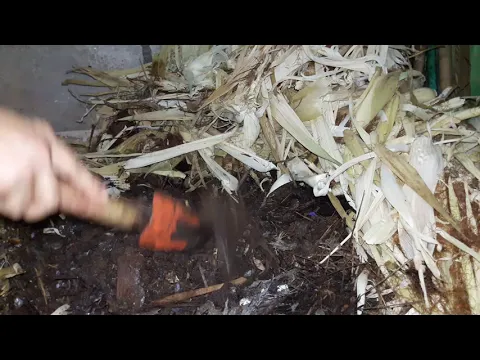
However, it is essential to note that during the initial decomposition process, microorganisms use nitrogen available in the soil to degrade carbon.
If the cob is used in large volume without compensation, there may be temporary nitrogen immobilization, reducing its availability for plants. Therefore, it is recommended to combine the cob with:
- Composted manure
- Nitrogen-rich organic compounds
- Blood meal
- Green manure
This balance prevents nutritional deficiencies in plants.
Use in Raised Beds and Structured Gardens
In raised beds, corn cob can be used as a lower structural layer. This method functions as a natural drainage system and helps to:
- Reduce the amount of fine substrate needed
- Improve air circulation at the base
- Increase bed stability
Over time, the material decomposes slowly, gradually enriching the upper layer of the soil.
This technique is used in systems inspired by the hügelkultur method, where structural plant waste is incorporated at the base of the cultivation.
Production of Biochar with Corn Cob
Beyond direct use, the cob can be transformed into biochar through controlled carbonization in an environment with low oxygen presence.
The biochar made from corn cob has interesting properties:
- Increases nutrient retention capacity
- Improves microbial activity
- Contributes to the structural stability of the soil
- Helps in carbon fixation in the soil
This process is used in sustainable agricultural systems and regenerative farming practices.
Sustainable Agricultural Reuse and Waste Reduction
Historically, in rural communities, corn cob was used as:
- Solid fuel
- Filling material
- Improvised thermal insulation
- Source of organic matter
Today, repurposing corn cob in the garden aligns with practices of sustainability, circular economy, and reduction of organic waste.
Direct disposal in the trash eliminates a resource that can return to the productive system as a natural agricultural input.
Corn Cob as Natural Agricultural Input
The corn cob, often discarded, has real potential as compost material, mulch, and soil conditioner.
Its high carbon content contributes to the structural improvement of the soil, moisture retention, stimulation of biological activity, and reinforcement of agricultural sustainability.
By repurposing this plant residue in the garden or vegetable patch, farmers and gardeners reduce waste, improve soil fertility, and strengthen the natural nutrient cycle within the cultivation system itself.










Seja o primeiro a reagir!