





 Portuguese
  English
  Spanish
  2 min of reading
  0 comments


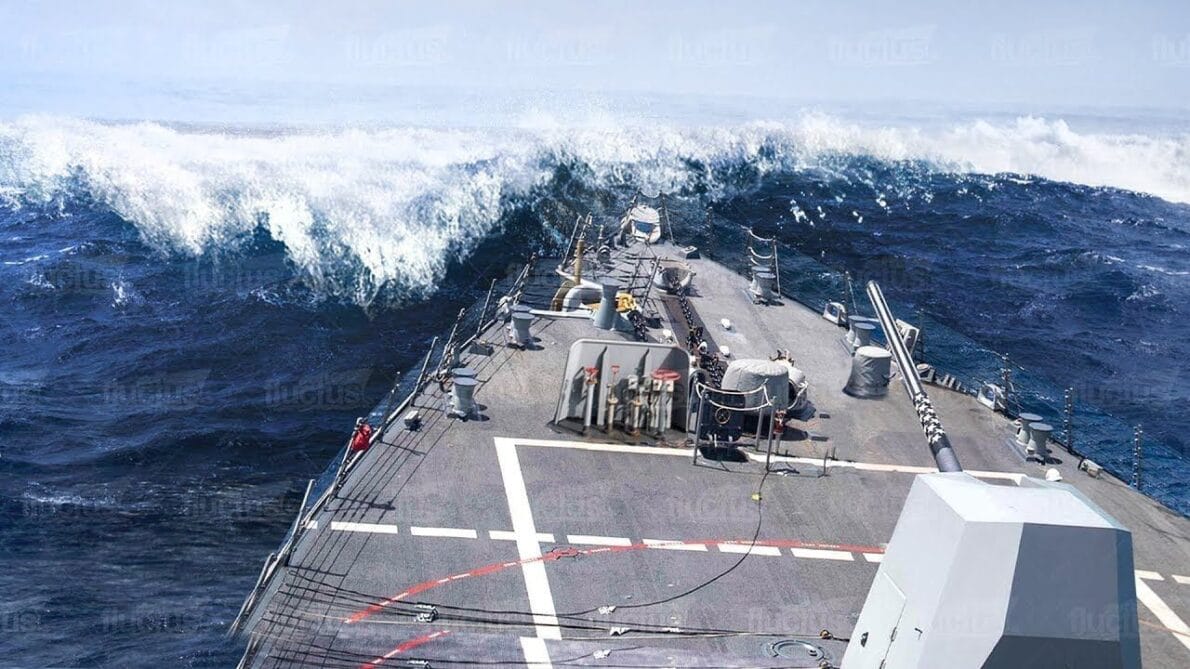
Destroyers Are One of the Most Feared Classes of Warships in the Oceans. These Ships, Fast and Well-Armed, Were First Conceived in the United States in 1920 with the USS Bainbridge. Originally Called “Torpedo Boat Destroyers,” These Ships Evolved and Are Now Simply Known as Destroyers.
Destroyers mainly function to escort larger ships in battle groups or convoys, protecting aircraft carriers, amphibious assault ships, and supply ships. One of the most modern types of destroyers in the United States Navy is the Arleigh Burke class. These ships measure over 150 meters in length and can reach speeds of up to 30 knots. They are equipped with various weapons and house more than 300 crew members.
One of the most impressive weapons onboard an Arleigh Burke class destroyer is the Mark 45 54-caliber gun, which can be used against surface ships, land targets, and enemy aircraft. It can fire over 20 rounds and requires a six-person team to maintain supply during long periods of combat.
Destroyers Also Have the Phalanx CIWS System
For close combat, the destroyer also has the Phalanx CIWS, a high-speed automatic weapon capable of targeting fast vessels and other vehicles that may attempt to attack the destroyer at close range. These ships carry a variety of missiles, torpedoes, and other weapons, adaptable depending on the mission.
-
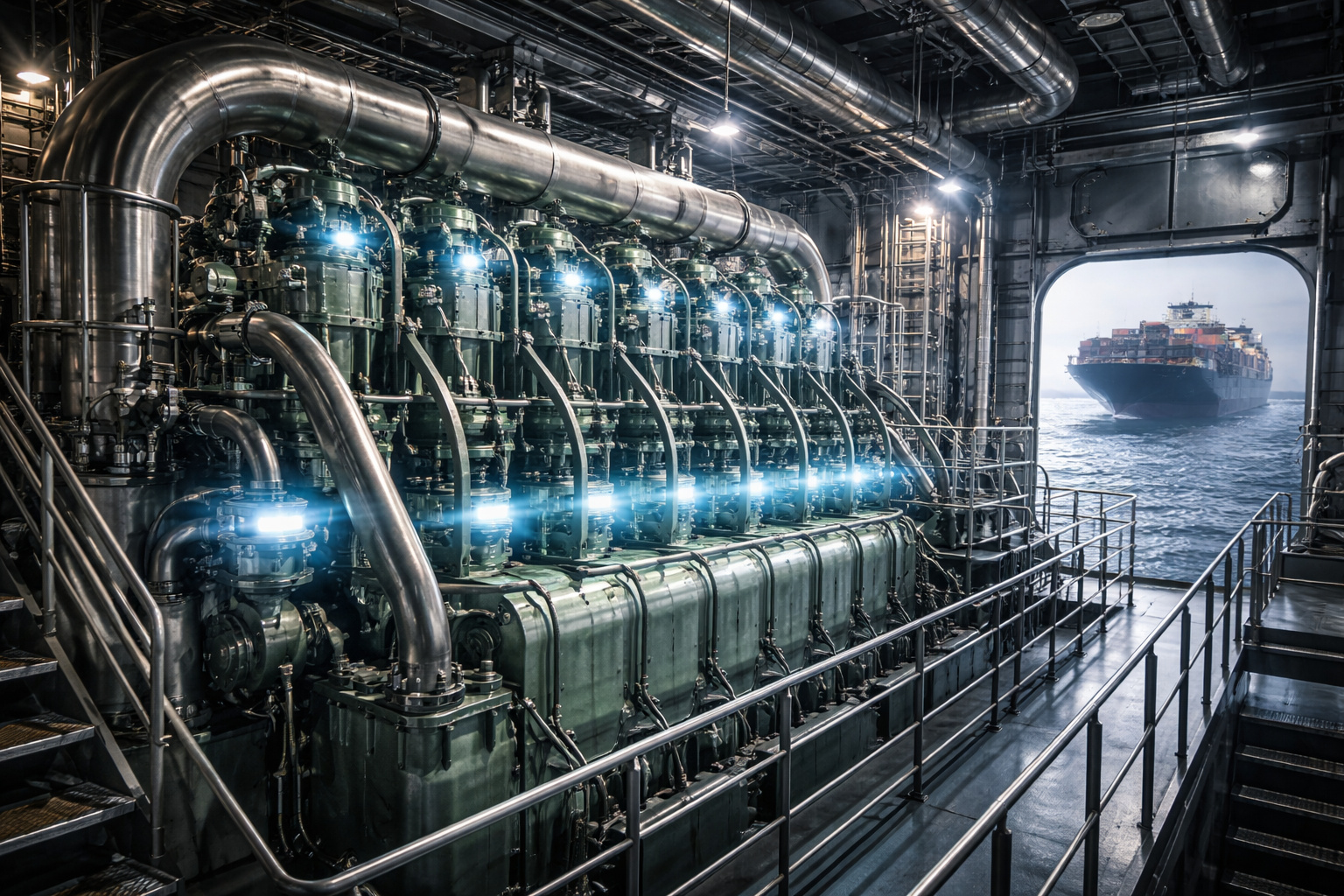
Europe is trying to create an ammonia-powered marine engine without auxiliary fuel, which could unlock the race for giant emission-free ships. The technology aims to eliminate one of the biggest obstacles to clean maritime propulsion.
-
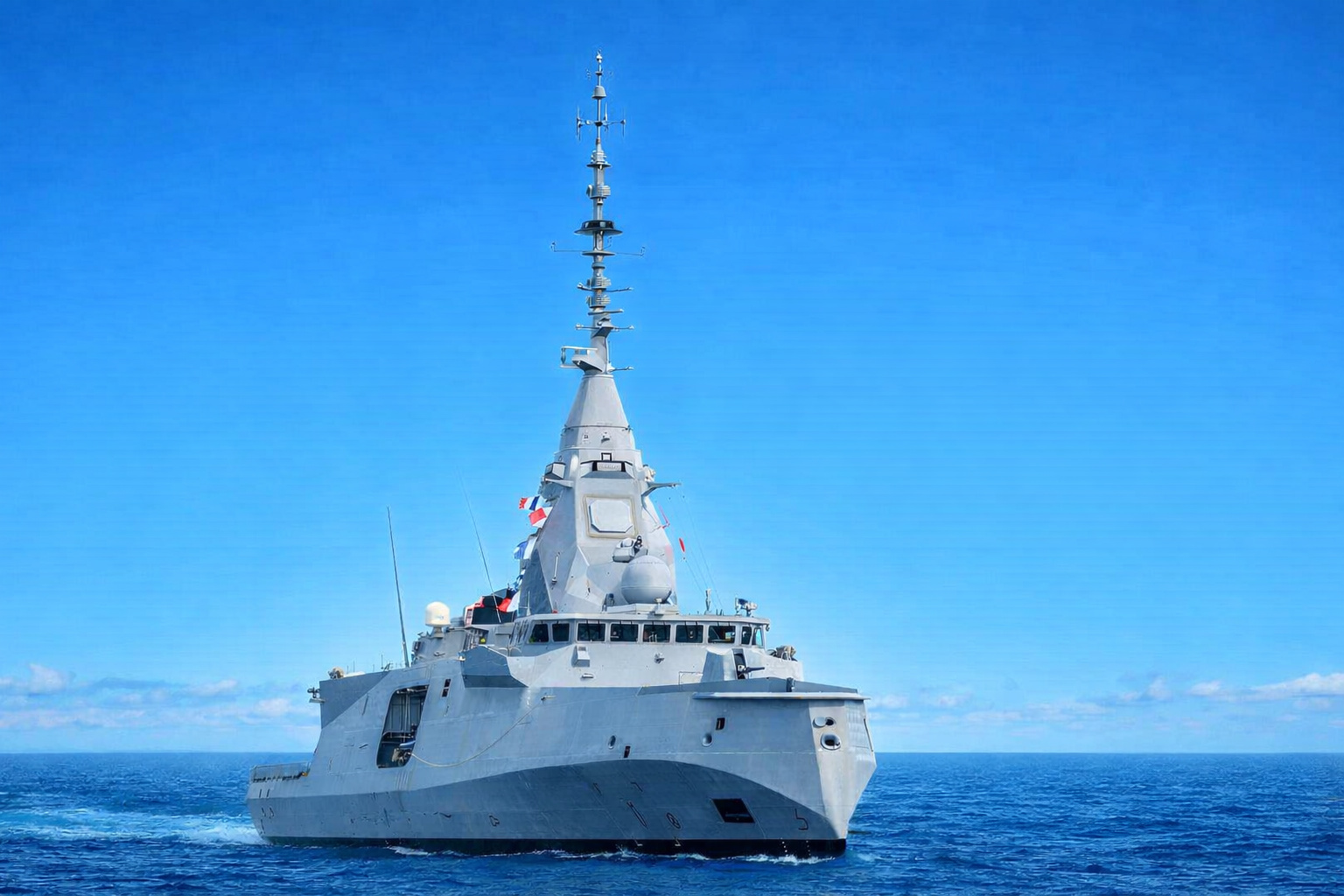
A 4,500-ton frigate with just over 100 crew members, state-of-the-art radar, and cruise missiles is being touted as the new standard of naval warfare in the 21st century.
-
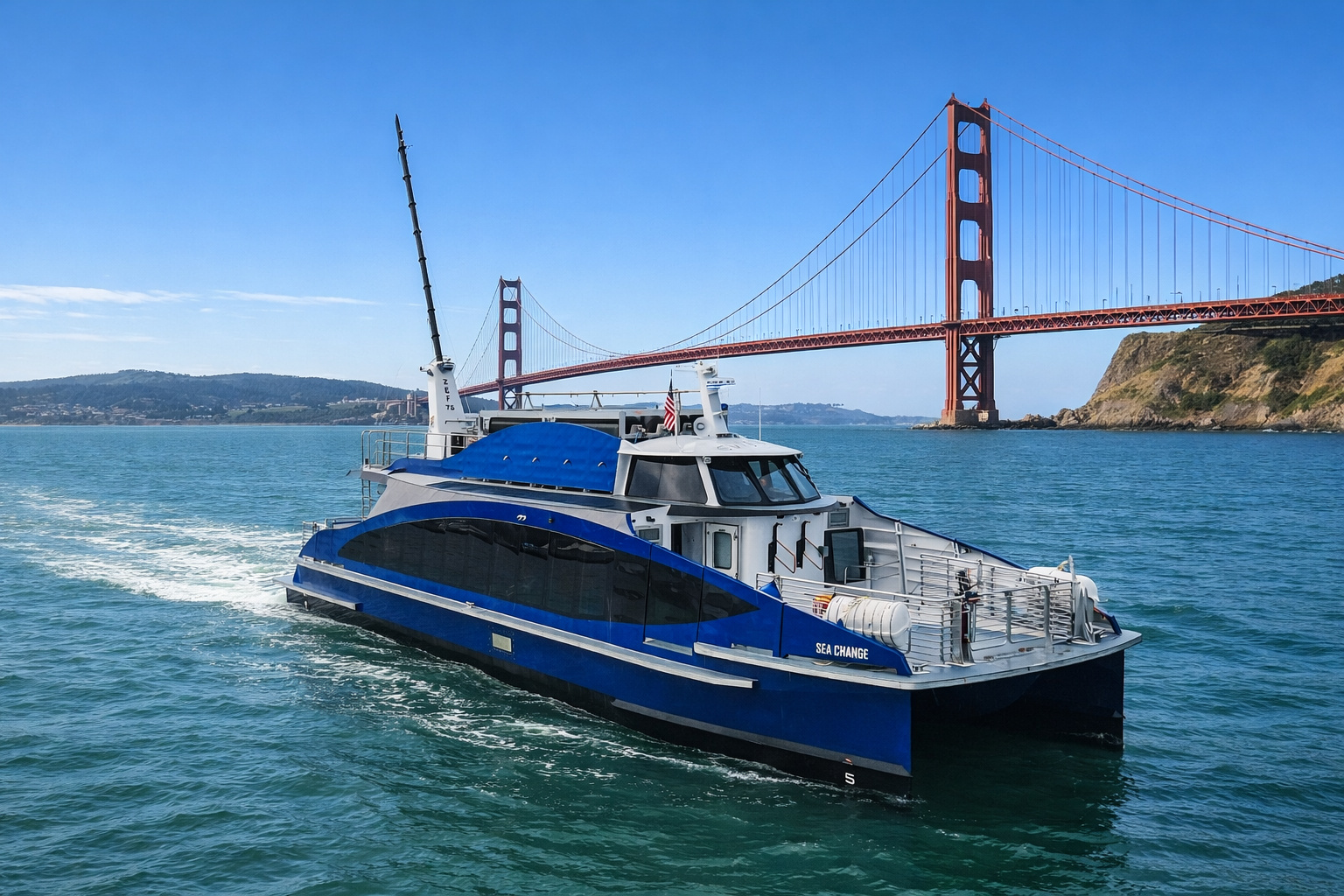
The first commercial hydrogen-powered ferry enters operation in the U.S., eliminates the use of diesel, uses fuel cells to generate clean energy on board, and transforms San Francisco Bay into a landmark of the new era of emission-free navigation.
-
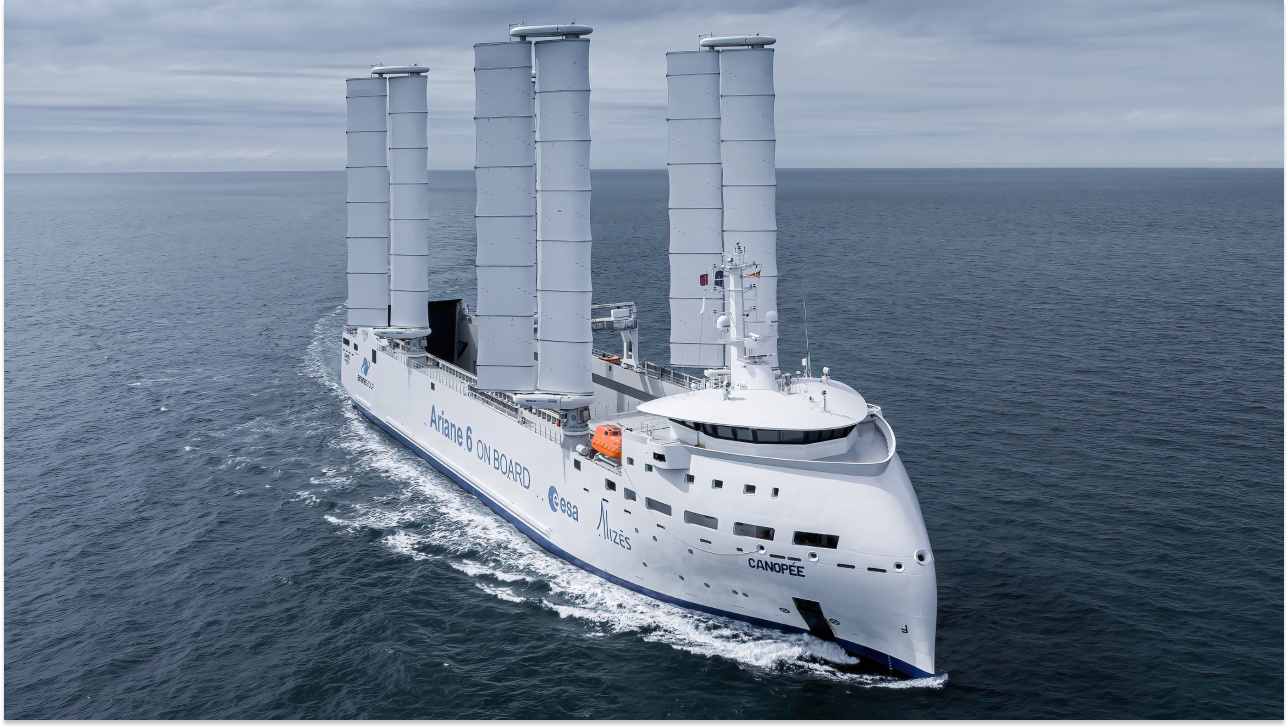
With a length of 121 meters and four rigid sails of 36 meters that automatically rotate to capture the wind, Canopée is the world’s first hybrid industrial cargo ship powered by wind, used to transport rockets and reduce fuel consumption by up to 30% on transoceanic routes.

Maintenance is a crucial part of life at sea to ensure the ship is always in perfect working condition. The crew works daily on maintenance, painting exposed areas with corrosion-resistant paint to protect the ship from seawater. Even with rigorous maintenance, sometimes ships need to spend some time in dry dock for deeper repairs.
United States Destroyers Face Challenging Missions
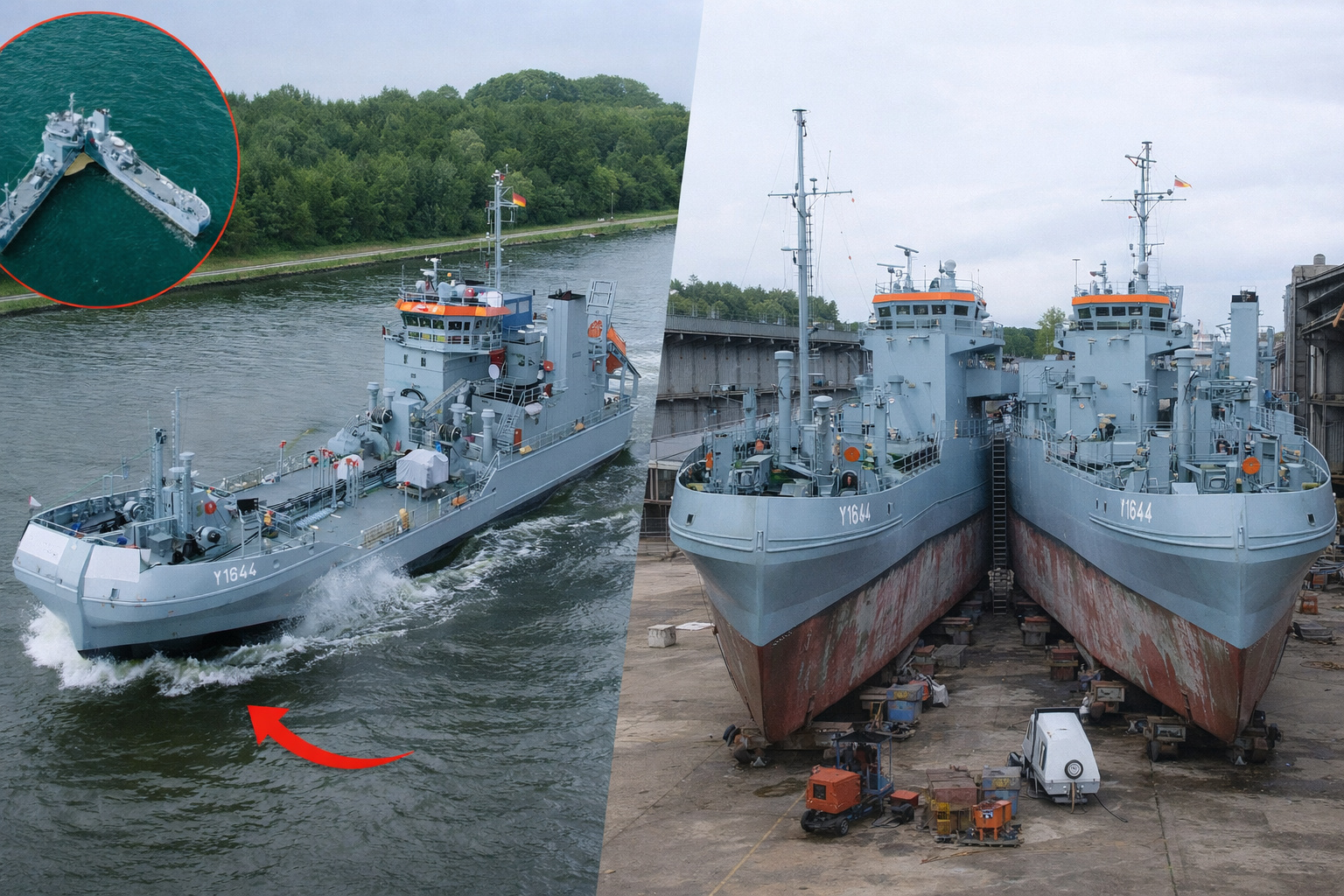
In dry docks, the water is drained so that the entire structure of the ship is exposed, allowing repairs that would not be possible at sea. After repairs, the water is pumped back, and the destroyer returns to the ocean.
United States destroyers face challenging missions and often operate in rough seas. In addition to their military functions, they can also be called for rescue missions in extreme conditions, such as breaking through ice to save trapped ships.
Life aboard a destroyer is full of responsibilities and challenges, but it is essential for the protection and defense of the maritime interests of the United States. The combination of firepower, maneuverability, and crew dedication makes these ships a formidable force in the oceans.









Seja o primeiro a reagir!