





 Portuguese
  English
  Spanish
  4 min of reading
  0 comments


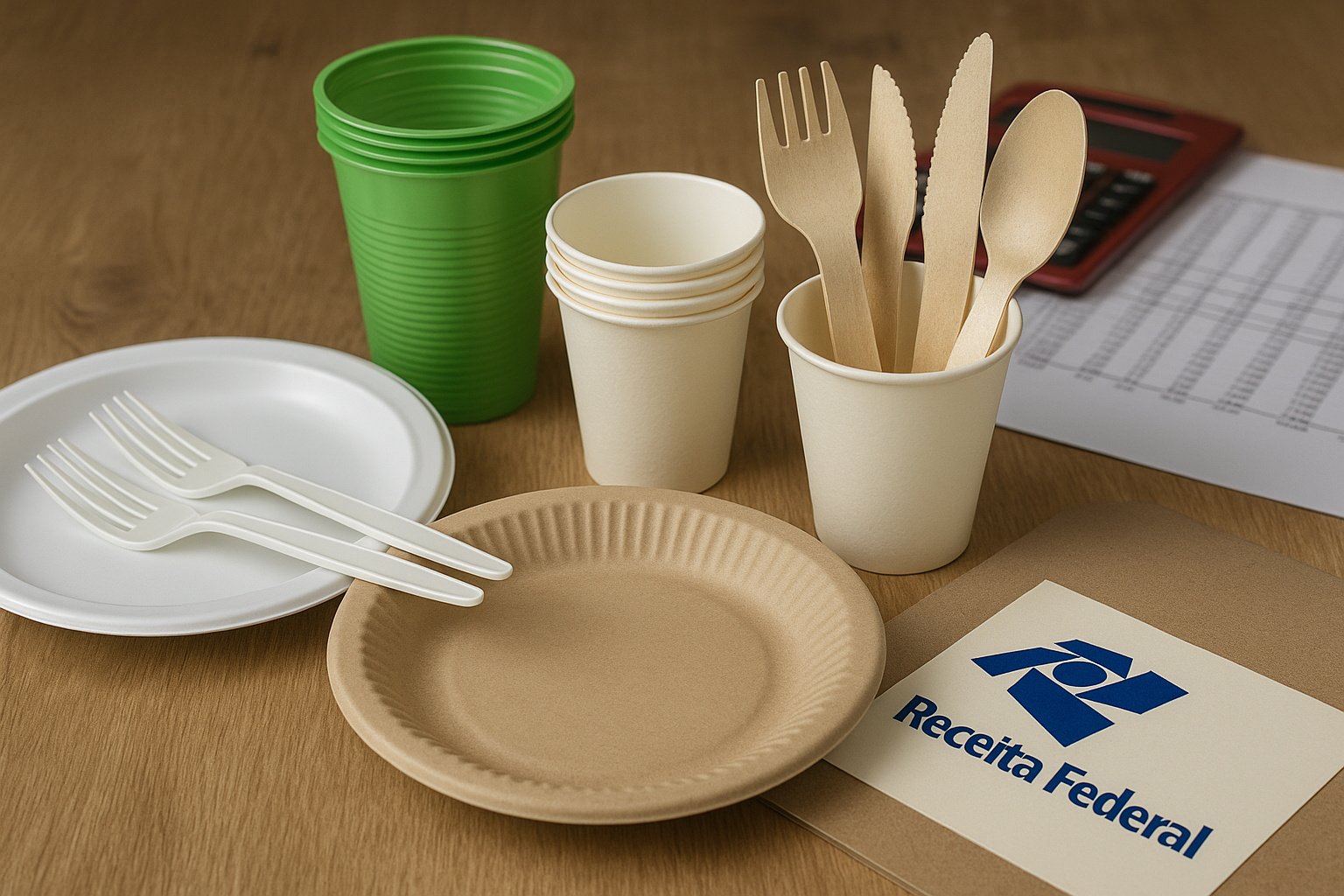
New Rule Corrects Historical Distortions and Boosts Sustainable Consumption Across the Country
A high-impact environmental and economic tax change came into effect in October 2025, drawing the attention of entrepreneurs and environmentalists across Brazil. The new rule, published in the Official Gazette on October 13, through Decree No. 12,665, unified the IPI rates on disposable cups, plates, and cutlery made of plastic, paper, and cardboard, creating a single rate of 6.75%.
With this, the government corrects old distortions that favored plastic and encourages the use of biodegradable materials in restaurants, bars, and fast-food chains, strengthening sustainable consumption and environmental innovation.
Federal Revenue Service Explains the Change
The Decree No. 12,665, signed on October 10, 2025, came into effect immediately, but the full application will occur on February 1, 2026. Prior to this change, paper and cardboard products were taxed at 9.75% IPI, while plastic items were only taxed at 3.25%, which dissuaded ecological alternatives.
-
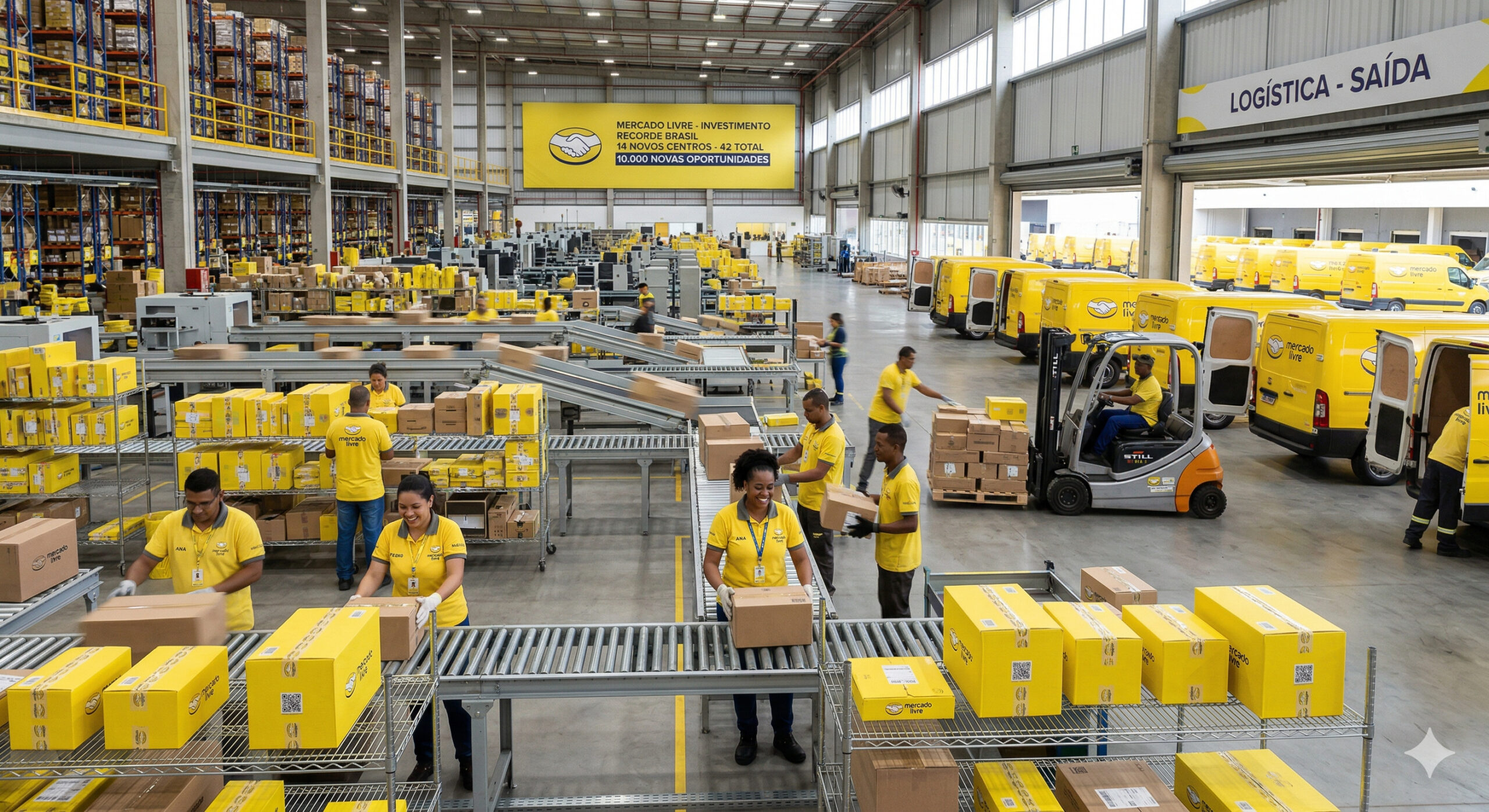
Mercado Livre “opens the vault” and announces a record investment of R$ 57 billion in Brazil in 2026, a value 50% higher than the previous year, with an expansion plan that includes 14 new logistics centers, totaling 42 units in the country and hiring an additional 10,000 employees.
-
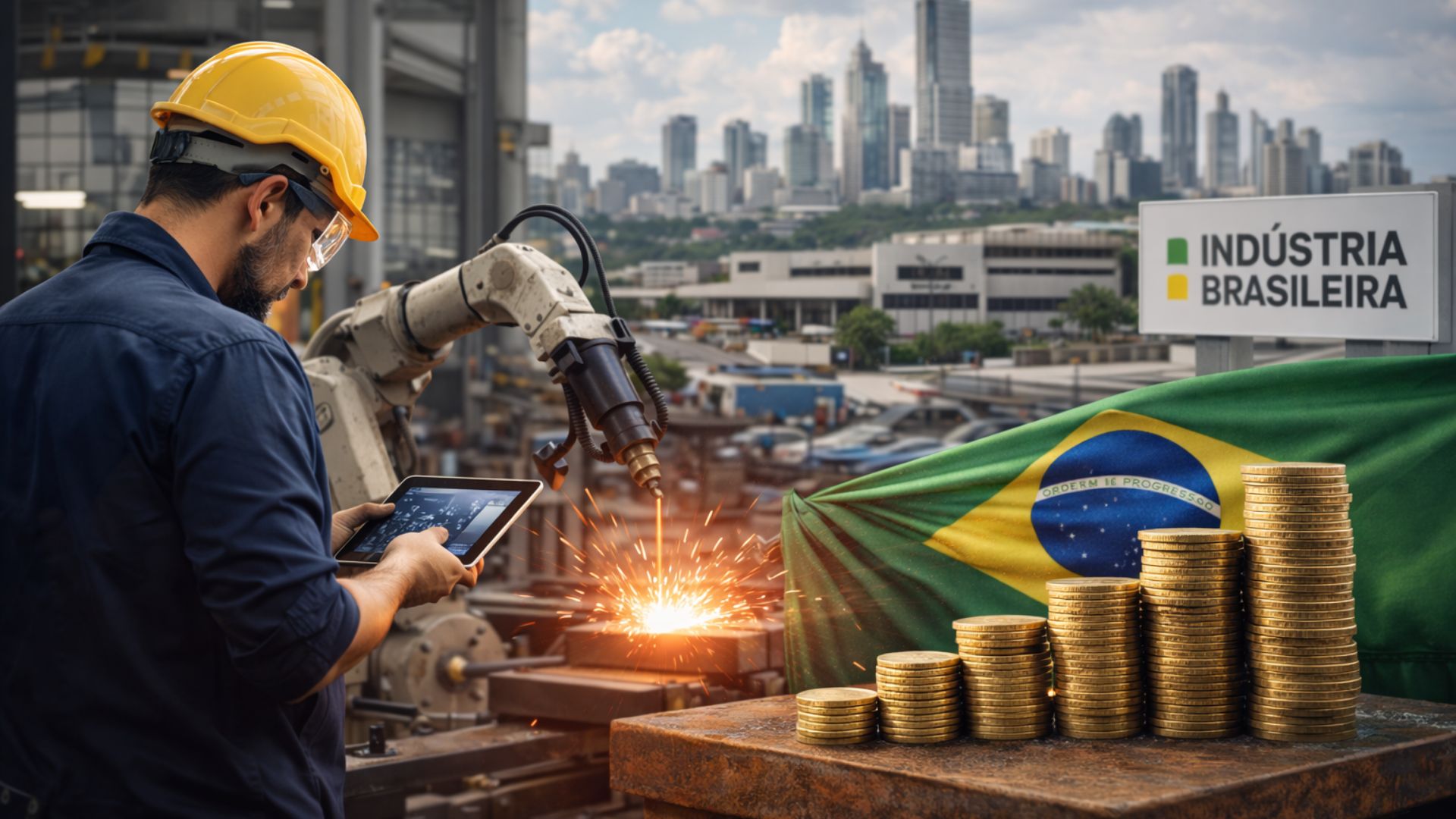
How investment in technology can revolutionize the national economy and enhance industrial gains, according to a study that highlights the direct impact on productivity, innovation, and wealth retention within Brazil.
-
The largest food company on the planet, JBS, has just opened a 4,000 square meter laboratory in Florianópolis to develop customized proteins that modulate muscle mass gain, immune response, and metabolic performance.

-
After nearly 30 bids and competition among industry giants, a Spanish company purchases one of the largest airports in Brazil for almost R$ 3 billion and takes over the management of Galeão in a concession that will last until 2039.

Now, the uniformity of rates brings balance and encourages sustainable practices. The paper and cardboard sector pays less tax, and plastic adjusts to the new average, without altering total revenue. Thus, the measure ensures competitiveness, reduces inequalities, and strengthens the green economy.
Furthermore, tax experts and representatives of Abrasel (Brazilian Association of Bars and Restaurants) emphasize that the decision increases competitiveness and favors the adoption of environmentally conscious practices, allowing for economic growth aligned with environmental responsibility.
Economic and Environmental Impacts of the New Rule
The uniformity of the tax benefits the environment, promotes equality among sectors, and encourages industrial innovation. With the measure, entrepreneurs can choose biodegradable materials without fiscal penalties, which increases adherence to sustainable practices.
Moreover, the decision brings Brazil closer to nations like France and Germany, which have adopted similar fiscal policies to stimulate the use of eco-friendly products. According to the Ministry of Finance, the action is not aimed at revenue generation, but rather structuring, as it corrects inequalities and boosts the sustainable national industry.
Consequently, the market gains tax predictability, and the country enhances its international image in the realm of sustainability and green innovation.
Chronology and Detail of the Decision
On October 10, 2025, the President of the Republic signed the decree following a proposal from the Federal Revenue Service and the Secretariat of Economic Policy. On October 13, the text was officially published, taking immediate effect. On October 18, the Ministry of Finance issued a public note, explaining that there was no tax increase, only technical adjustment and correction of distortions.
As of February 1, 2026, the new rules will be fully applicable in the IPI guides. Thus, the government ensures a gradual transition, avoids economic impacts, and allows planned adjustments in the production chain.
Therefore, the staggered planning demonstrates fiscal responsibility and provides reassurance to the business sector, which will have sufficient time to adapt.
How the Measure Affects the Productive Sector
Restaurants, bars, and food chains can now adopt biodegradable cups and cutlery without financial losses, which reinforces companies’ environmental commitment. Paper and cardboard industries gain momentum, while plastic manufacturers need to innovate to maintain competitiveness.
According to Abrasel, the change represents an important tax advancement, as it reduces barriers, improves competition, and stimulates businesses committed to green practices.
Thus, entrepreneurs and accountants must monitor tax updates, analyze financial impacts, and seek specialized guidance. This attention ensures compliance, transparency, and security in operations.
Balance Between Revenue and Sustainability
The Federal Revenue Service confirms that the average rate of 6.75% maintains balanced revenue, corrects tax injustices, and encourages sustainable consumption. Additionally, the decision refutes false information about tax increases and reinforces the country’s commitment to fiscal and environmental sustainability.
With this, Brazil takes an important step toward ecological transition, strengthens its green industry, and aligns with international practices of sustainable economy. Thus, the measure unites economic efficiency, business innovation, and environmental preservation in a single advancement.
Do you believe the new tax from the Federal Revenue Service can truly transform the consumption of disposables in Brazil and accelerate the transition to a more sustainable future?d









Seja o primeiro a reagir!