





 Portuguese
  English
  Spanish
  8 min of reading
  0 comments


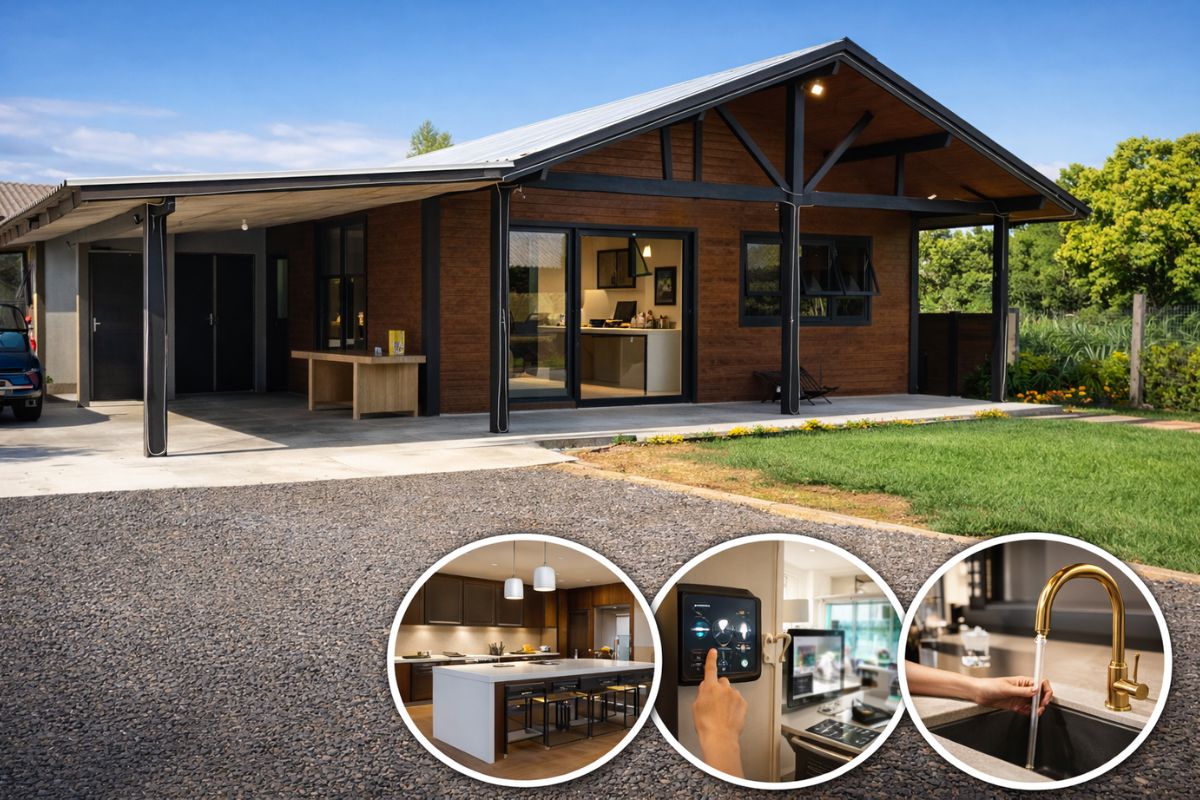
In The 103 M² House Built Of Wood On The Outside And Prioritized On The Inside, The Couple Says They Spent Between R$ 190 Thousand And R$ 200 Thousand Without Furniture, Paying In Cash, With A Focus On Drywall, Automation, Spacious Kitchen And Finishes Chosen For The Routine And To Reduce Regrets Later
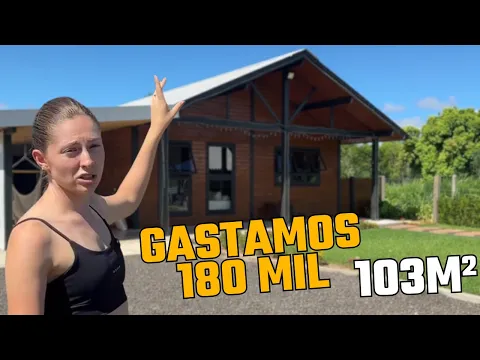
The 103 m² house became a topic of conversation after the couple opened their construction account and detailed how they distributed the budget among structure, interior, and technology. The construction was done without financing, with cash payments made over the months, and the estimate they presented was between R$ 190 thousand and R$ 200 thousand, excluding furniture.
The case draws attention because it mixes two decisions that do not always go hand in hand in residential construction: cost containment per square meter and strong investment in daily use. Instead of concentrating resources on the facade, they claim to have prioritized the interior, with a spacious kitchen, automation, internal finishes, and solutions that align with the household’s routine.
In the very material used as a basis, there is a point that deserves recording. The headline mentions R$ 180 thousand, but in the couple’s explanation, the most recent estimate appears in the range of R$ 190 thousand to R$ 200 thousand. This difference does not invalidate the story, but shows that the account was reconstructed later and not monitored item by item from the beginning.
-
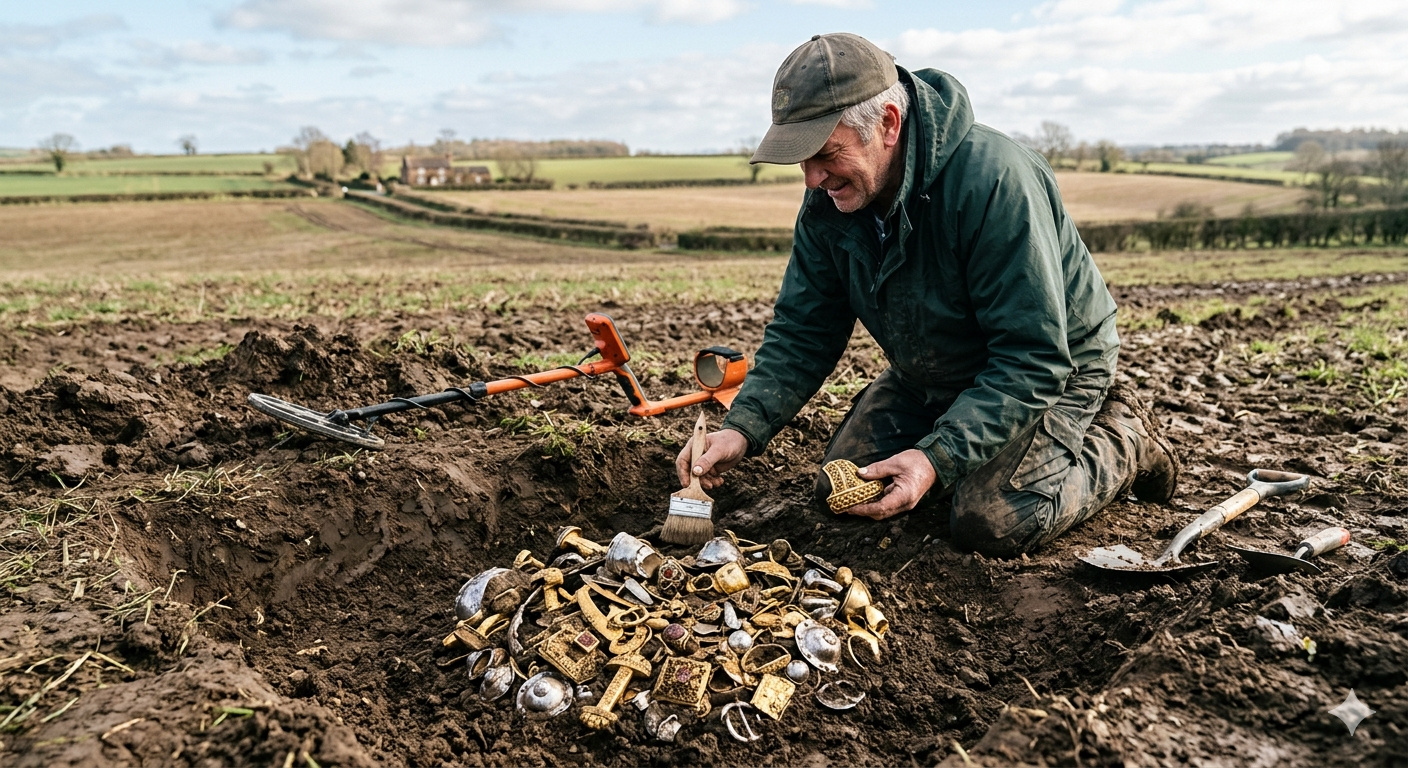
The largest Anglo-Saxon treasure ever found was discovered by a worker with a metal detector in a field in England and revealed more than 4,600 pieces of gold and silver from the 7th century, a collection with 5 kg of gold valued at £3.285 million.
-
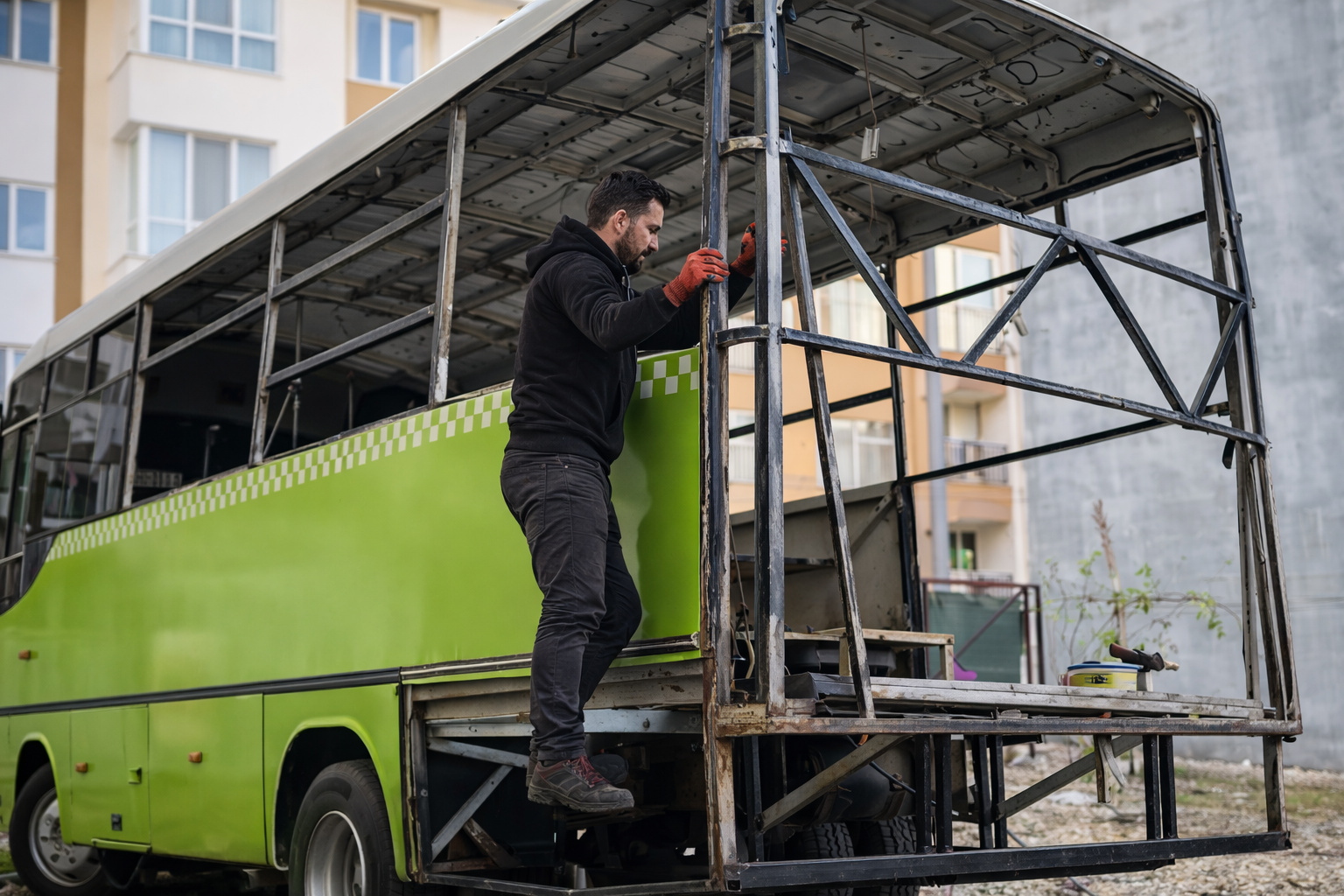
Man transforms old bus into a house on wheels with wooden furniture, rooftop terrace, and solar power system.
-
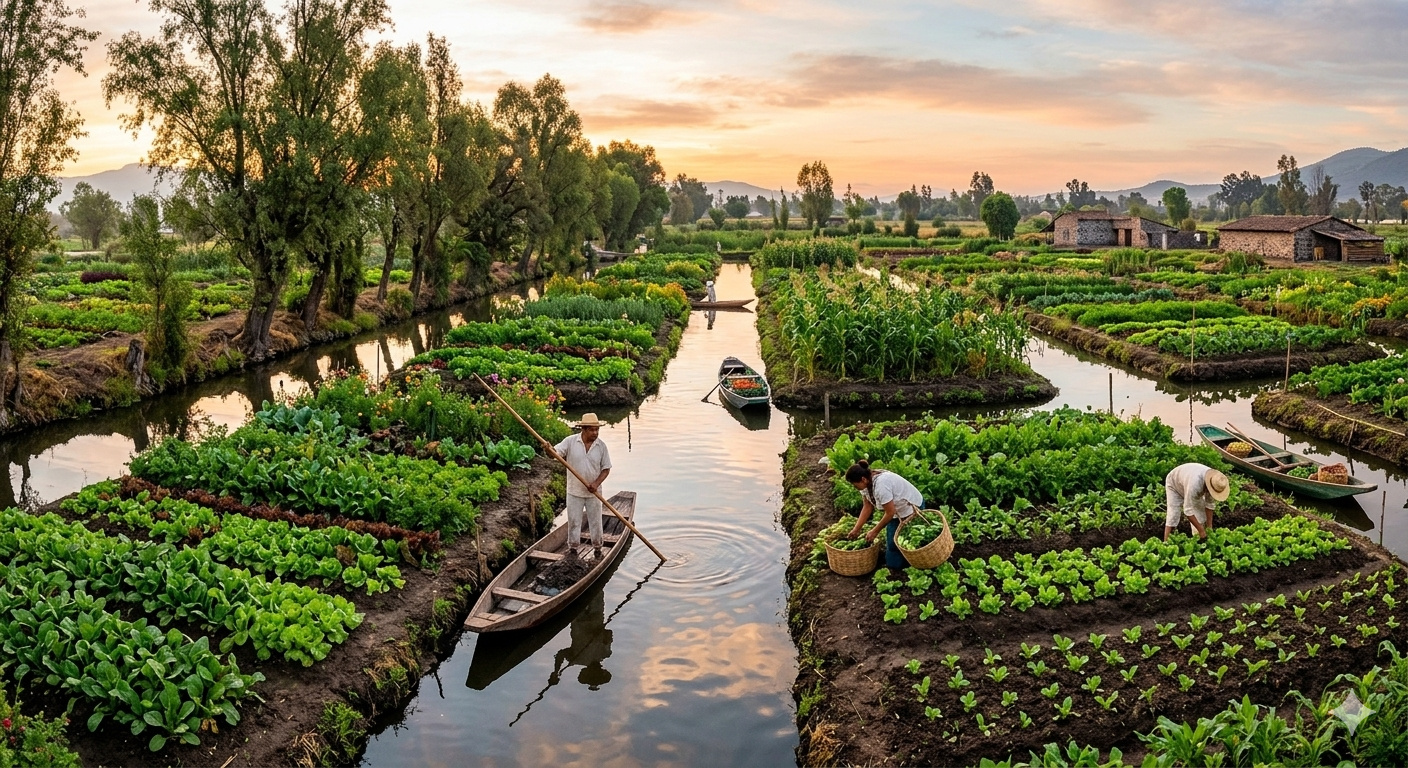
Since the Aztecs, farmers in Mexico have built artificial islands surrounded by canals and maintain a highly productive system that still challenges the logic of conventional agriculture today.
-
Scientists are looking for volunteers to live for free for a month in a refuge in the Italian Alps at an altitude of 2,300 meters, with accommodation, food, and a payment of 400 euros to participate in a health study.

How Much It Cost And What Really Goes Into This Account

The couple makes it clear that the amount reported for the 103 m² house is an estimate made after the construction, based on a survey, and not a closed spreadsheet built during the execution. This matters because it changes the reading of precision.
It is not about a precise budget; rather, it is a spending range that they consider representative of what was invested in the construction.
Another central point is that this account was presented without furniture. They claim that furniture was addressed in another phase, with separate videos for the kitchen and living room, while part of the house was still incomplete in various areas.
In practical terms, anyone using this number as a reference needs to separate civil construction and internal structure from the total cost of occupancy.
Even so, the number draws attention in the informal market of construction comparisons. The couple claims that, in the presented range, the cost of the 103 m² house would be below R$ 2,000 per square meter.
It is a useful calculation for understanding the order of magnitude, but it depends on material choices, the direct involvement of the residents, and the exclusion of items that would still be executed later.
Payment In Cash, Extended Schedule And Construction Without Financing

The payment method was one of the factors that most influenced the time. The couple states that they did not finance the construction and thus built and paid as money came in.
This decision reduces long-term debt but often imposes pauses and delays, exactly as they report.
According to the explanation, the construction began in May and the move took place in November. At the same time, they say that a house of this size could be completed in about three and a half to four months at a different pace.
The difference between technical deadline and actual deadline appears precisely in cash flow, and this is valuable information for those planning to build without financing.
The account also indicates that some of the interruptions were due to the need to reconcile work and construction. This detail is important because it affects productivity and the sequence of hiring.
In residential construction, a delay does not always mean an execution error. Often it means financial prioritization.
In practice, the 103 m² house progressed in a staged construction model, where the couple chose where not to compromise on investment and where to accept provisional solutions.
This explains why some areas appear sophisticated while others were still in a phase of adaptation.
Wood Structure, Functional Exterior And Technical Choices That Shape Cost
The construction base described combines wood on the outside with internal drywall closure, in a solution that the couple presents as different from the more common standard they knew.
They mention a structure with pillars, beams, and roof before the closure, as well as using treated pine on the walls and treated eucalyptus on the pillars and frames.
The choice of eucalyptus is linked to its resistance and the need to meet the height of the ceiling.
The couple cites a high ceiling, around 4.5 m at the central point, which helps explain why the house visually attracts attention even without a primary focus on the facade.
Here, aesthetics and structural solution go hand in hand, but with a direct impact on the budget.
On the outside, the 103 m² house also shows practical usage decisions. There is a sidewalk around the entire house, a side garage, an outdoor bathroom, and a laundry room, as well as large windows for ventilation.
The couple also mentions the use of aluzinc tiles with insulation and specific paint for wood in coastal areas, with three coats and attention to exposure to the beach environment.
This set reveals a project logic that is not only visual. There is concern about humidity, circulation, maintenance, and durability in a coastal context.
When construction is designed for real use, cost ceases to be just square footage and becomes the sum of small technical decisions.
Interior As Priority And The Impact Of Drywall On The Final Account
The most repeated point by the couple is the priority given to the interior. They claim to have preferred a simpler house on the outside and more refined on the inside, with bright environments, a clean aspect, and without visible wood indoors.
This helps explain why a significant part of the investment was directed toward internal closure, cladding, and finishing.
In the final explanation, they detail a specific cost block for this decision.
According to the couple, there were R$ 18 thousand in materials related to panels, compounds, and tapes, R$ 15 thousand for labor, and R$ 5 thousand for joint compound and painting, totaling R$ 38 thousand for the internal drywall solution and finishes, also including areas such as the outdoor bathroom and laundry with appropriate materials.
This amount serves as a reference for what it cost to opt for a more sophisticated internal solution than the visible wood finish.
They themselves acknowledge that the option for wood inside could have been cheaper, although they did not prepare a complete comparative budget for this alternative. It is exactly this kind of choice that shifts the total cost without increasing the square footage.
For those looking only at the facade of a 103 m² house and trying to guess the cost, this part of the account helps explain why the final amount increases.
It is not just structure. It is the finishing standard, the technique chosen, and the type of experience the residents wanted inside the house.
Kitchen, Automation And Internal Finishing As The Center Of Investment
The couple treated the kitchen as a personal accomplishment and also as a symbol of the priority given to the interior.
They describe a large countertop, brushed São Gabriel black stone, induction stove, double sink, planned cabinetry, and graphite-toned appliances, with decisions aimed at daily use and ease of cleaning.
There is an important detail in this part. The 103 m² house could have more bedrooms, according to them, but the choice was for fewer rooms and larger spaces, especially in living and working areas. This is seen in the kitchen with a large island and generous circulation, and in the office with valued footage in relation to the bedroom.
It is a floor plan choice that completely alters the perception of comfort, without increasing the constructed area.
Another point that weighs on the budget is automation. The couple shows electronic locks, smart switches, and voice commands.
They state that they purchased some of these items even before the construction began to avoid them becoming too expensive when other expenses started to accumulate. This strategy is common in staged projects but requires prior planning.
At the same time, the material also shows limits and pending issues. There are LEDs with problems due to interference from cats, parts without finishing, internal doors not yet installed, and areas with provisional solutions.
This reinforces a more realistic reading; the 103 m² house already functions and attracts attention for the result, but is still in the process of completion in some points.
Where They Saved, Where They Spent More And What That Teaches About Own Construction

The couple cites several deliberate savings. Direct purchases from factories, furniture produced by the resident himself, use of leftover materials in some pieces, and prioritization by stages are examples that appear throughout the visit.
These decisions help compress costs without necessarily reducing the perceived standard in all environments.
On the other hand, they also point out choices with higher expenditures, such as automation, internal finishes, planned kitchen, and specific comfort and aesthetic items.
The result is a construction with intentional contrast, external parts still with pending items and an interior with a high level of customization for the family’s routine.
It is not a cheap house overall; it is a house with spending concentrated where the residents chose to live more.
This model can inspire those looking to build without financing but also requires caution. Without a detailed spreadsheet from the start, the chance of underestimating costs increases.
Moreover, part of the reported savings depends on manual skills, available time, and willingness to execute or oversee stages on their own.
The main lesson from the 103 m² house, looking coldly at the numbers and choices, is that budget is not just about how much is spent, but where to choose to spend first.
Instead of trying to deliver everything at once, they accepted provisional solutions, postponed items, and concentrated resources on what they considered essential for living well.
The 103 m² house gained attention because it combines three elements that usually mobilize those planning to build: cash payment without financing, square meter cost below what many people imagine, and a clear decision to invest more in the interior than in the facade.
According to the data presented, the spending range was between R$ 190 thousand and R$ 200 thousand without furniture, highlighting the weight of internal finishing, drywall, automation, and kitchen.
Now the question that really generates useful comparison is another. If you were building a 103 m² house with your own money, where would you place the main investment first, facade and outdoor area for immediate visual impact, or interior and kitchen for daily use? And which item would you be willing to leave provisional for longer without regretting it later?





-

-

-

4 pessoas reagiram a isso.