





 Portuguese
  English
  Spanish
  5 min of reading
  0 comments


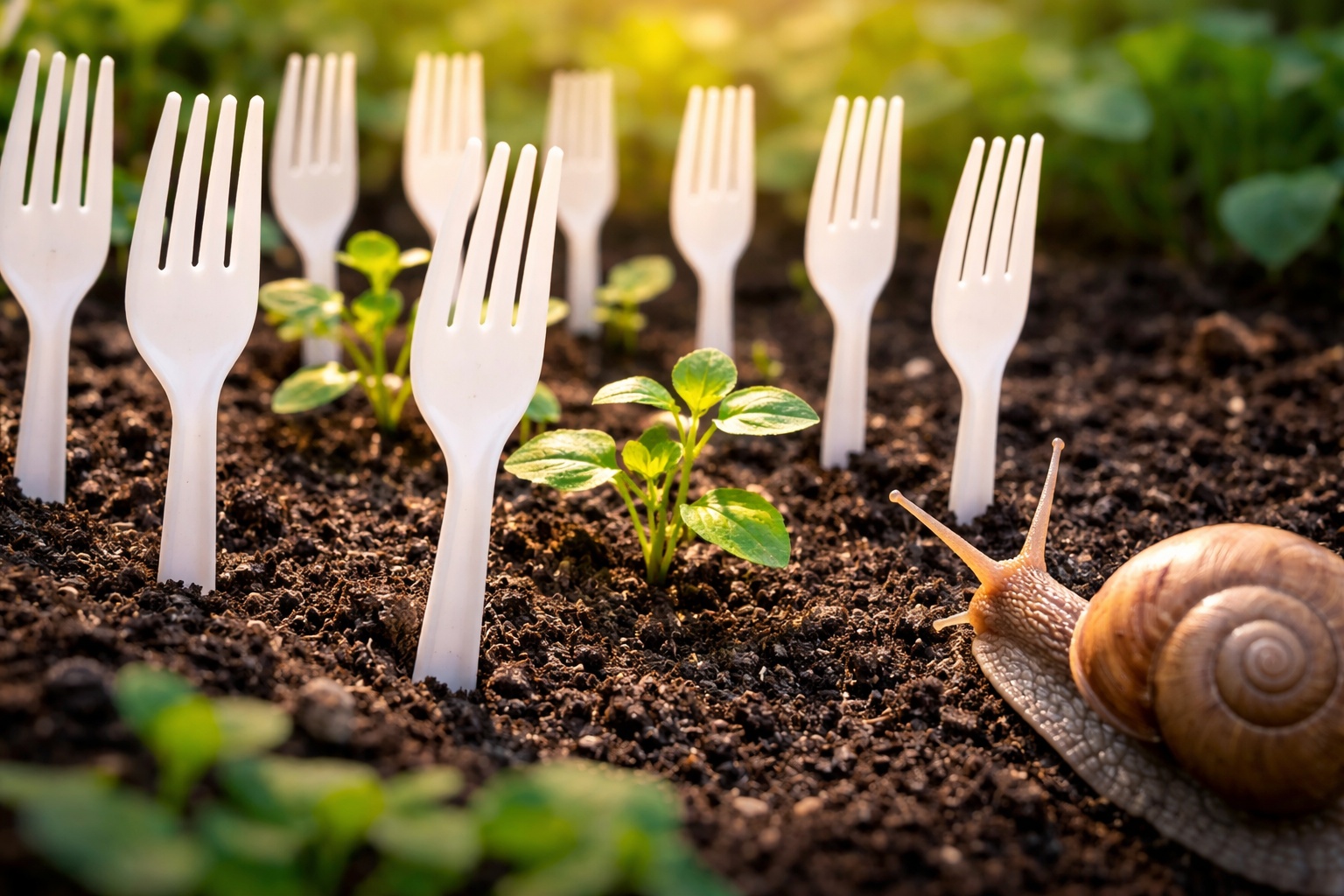
Simple Technique With Plastic Forks Helps to Protect Seedlings, Keep Away and Reduce Damage in the Garden Without Using Poisons or Traps.
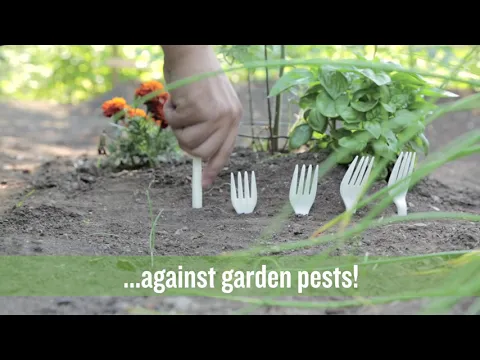
For years, the solution to protect beds and delicate seedlings has almost always been the same: poisons, chemical repellents, makeshift fences, or metal screens. But in home gardens and urban gardens, a curious technique has been gaining traction due to its simplicity and low cost. Experienced gardeners have started to insert plastic forks into the soil with the tines facing up, creating a physical barrier that discourages action and reduces damage to young plants.
The method may seem strange at first glance, but the logic behind it is simple and based on animal behavior. Some animals, for example, tend to use beds as natural “sandboxes.” They prefer loose and soft surfaces to dig. When they encounter an area full of pointed obstacles, even if they are not sharp, they tend to avoid the location and look for another more comfortable spot.
Why Forks Work as a Physical Barrier in the Garden
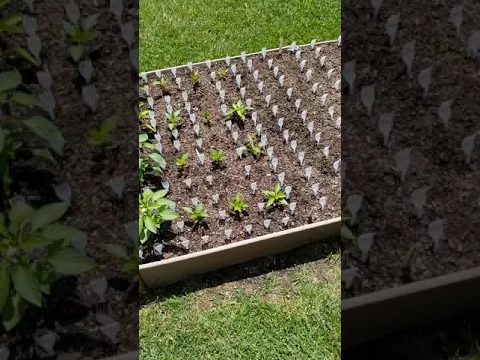
The effectiveness of the technique lies in the tactile sensation and mechanical difficulty that the object creates. When inserted into the soil with regular spacing, the forks form a kind of “vertical grid.” This prevents animals from digging freely and drastically reduces the chance of them turning over the freshly prepared soil.
-
The sugar-energy sector advances with agricultural technology, but agricultural productivity still raises concerns.

-
The eggshell that almost everyone throws away is made up of about 95% calcium carbonate and can help enrich the soil when crushed, slowly releasing nutrients and being reused in home gardens and vegetable patches.
-
This farm in the United States does not use sunlight, does not use soil, and produces 500 times more food per square meter than traditional agriculture: the secret lies in 42,000 LEDs, hydroponics, and a system that recycles even the heat from the lamps.

-
The water that almost everyone throws away after cooking potatoes carries nutrients released during the preparation and can be reused to help in the development of plants when used correctly at the base of gardens and pots, at no additional cost and without changing the routine.
In home gardens, this problem is common after sowing seeds. The loose soil attracts everything from small insects to large pests. When the ground is disturbed, the seeds can be displaced, exposed, or simply lost. With the plastic barrier, the soil remains intact until the plants grow enough to resist external interference better.
Another relevant factor is that the forks do not harm the animals. Unlike nails, wires, or sharp metal objects, plastic creates discomfort without causing injuries. This makes the solution safer and more ethical, especially in urban environments.
Protecting Young Seedlings Against Trampling and Digging
Newly transplanted seedlings are extremely vulnerable. Their roots are still adapting to the new substrate, and any sudden movement can compromise initial development. Accidental trampling, whether by household pets or larger birds, can bend stems and break leaves.
By positioning the forks around the seedling, a micro-perimeter of protection is created. This barrier prevents the soil from being compacted and keeps the area around the root more stable. In ornamental flower beds, where the spacing between plants is small, the technique can be applied throughout the entire planted area.
Reduction of Chemical Repellents Use in the Garden
One of the most interesting points of the technique is the possibility of reducing or even eliminating the use of chemical products. Many commercial repellents use strong odors or substances that can affect the soil and beneficial organisms.

The physical barrier eliminates the need for any chemical components. There is no risk of substrate contamination or direct interference with the soil microbiota. In organic gardens, where the control of inputs is strict, this is a significant advantage.
Moreover, the cost is practically zero. Disposable forks are common at events, parties, or household leftovers. Instead of being discarded immediately, they can gain a second utility before recycling.
How to Apply the Technique Correctly
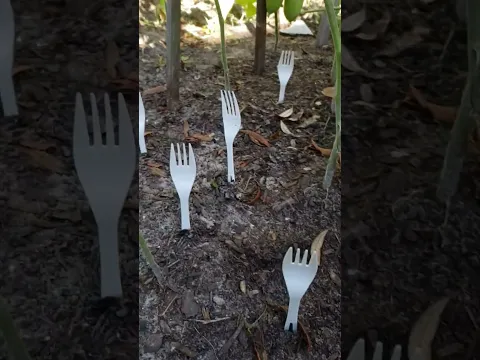
For the method to work, it’s important to respect some basic guidelines. The spacing between the forks should be sufficient to prevent digging. If they are too far apart, the animal may find gaps. If they are too close together, it hinders access for watering and maintenance.
The ideal is to insert the forks firmly into the ground, leaving only the tines exposed. The depth should be sufficient for them to remain stable even after heavy watering. In very sandy soils, it may be necessary to compact lightly around them.
As the plants grow, the barrier can be gradually removed. When the seedlings are well established and the soil is firmer, the risk of digging decreases.
Limitations and When the Technique Is Not Sufficient
Despite being effective for small animals and birds, the technique does not replace fences or structural protections in rural areas or where larger critters are present. Large breed dogs, for example, can ignore the obstacles.
In areas with a high incidence of underground rodents, such as moles, the problem is different, as the attack occurs underground. In this case, other strategies need to be adopted.
Still, for urban gardens, balconies, and small backyards, the solution is surprisingly effective.
Sustainability and Reusing Materials in Landscaping
Another interesting aspect is the reuse of plastic waste. Instead of discarding disposable cutlery immediately, they can be used temporarily in the garden. This prolongs the material’s usage cycle and reduces the need to buy specific products for bed protection.
Gardeners who adopt sustainable practices often seek simple, low environmental impact alternatives. The fork technique fits this profile by combining low cost, efficiency, and reuse.
Why Simple Solutions Like Sticking Plastic Forks in the Ground Continue to Work
In a market filled with technological solutions for gardening, from automatic sensors to ultrasonic electronic repellents, it’s curious to see that such a simple tool can solve a recurring problem.
The behavior is predictable in many aspects. By creating mild physical discomfort and preventing digging, the method directly acts on the stimulus that drives the animal to the bed.
There is no magic, nor advanced technology. Just a strategic physical barrier.
Is It Worth Testing Forks in the Soil of Your Garden?
For those facing constant issues with turned soil or uprooted seedlings, the technique is worth a practical test. The investment is minimal, the application is simple, and the results are usually immediate.
In a few days, it is possible to see if there has been a reduction in unwanted visits. If it works, the forks remain until the plants grow sufficiently. If not, they can be removed without any loss.
In the end, the success of the garden does not always depend on expensive equipment or complex formulas. Sometimes, the solution is found in a common kitchen object, strategically stuck in the ground to protect what is just beginning to grow.









-

-

-

3 pessoas reagiram a isso.