





 Portuguese
  English
  Spanish
  6 min of reading
  0 comments



Even When There Is No Dispute Between Heirs, The Law Imposes Formal Obligations, Deadlines, And Costs That Many Ignore, And Non-Compliance Can Generate Asset Blocks And Significant Fines
The loss of one parent is, in itself, a delicate and emotionally difficult moment. However, when this passing involves assets, real estate, bank accounts, or investments, practical and legal questions arise that need to be addressed. For an only child, it is common to imagine that the succession process is simple or even dispensable. Nevertheless, Brazilian legislation follows a different path from common sense.
The information was disclosed by the Blog of Reis Advocacia, according to an article signed by attorney Marcela Caselli, a specialist in Family and Succession Law, who clarifies that, even if there is only one heir, the inventory remains an indispensable legal requirement. In other words, it is not an optional formality but a mandatory procedure provided for by law.
Throughout this article, you will understand why the inventory for an only child is required, what the risks of ignoring the process are, the asset impacts of this decision, and why many heirs end up facing unexpected blocks precisely because they believe they “don’t need to worry.”
-
The noise law will no longer be in effect at 10 PM starting in June with a new rule valid during the 2026 World Cup.

-
The Chamber opens a debate on driver’s licenses at 16 years old as part of a reform that includes around 270 proposals to change the Brazilian Traffic Code and may redesign rules for licensing, enforcement, and circulation in the country.

-
The new Civil Code could revolutionize marriages in Brazil with “express divorce” and changes that could exclude spouses from inheritance.
-
Banco do Brasil sues famous influencer for million-dollar debt and intensifies debate on delinquency, risks of seizure, and direct impact on Gkay’s credibility.


Is Inventory Mandatory Even If You Are An Only Child?

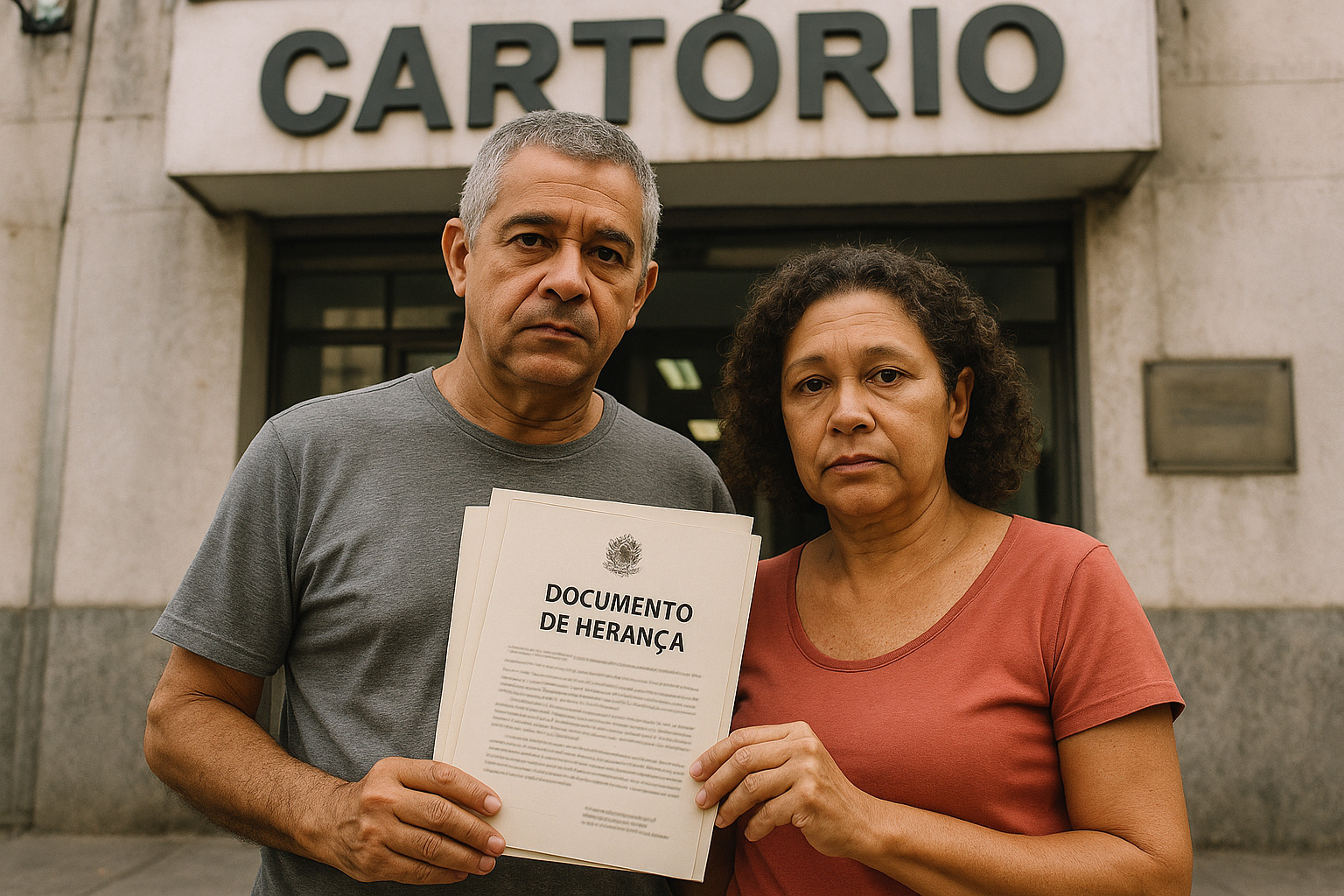
First and foremost, it is essential to clarify a central point: yes, the inventory is mandatory even when there is only one heir. Brazilian legislation requires that all assets left by a deceased person be formally transferred through inventory, regardless of the number of heirs involved.
The Code of Civil Procedure, particularly in Articles 610 and following, establishes that after death, the inventory process must be initiated to regularize the asset succession. Moreover, there is a legal deadline of 60 days, counted from the date of death, to start the procedure. Non-compliance with this deadline can result in a fine on the ITCMD (Inheritance and Donation Tax), the percentage of which varies depending on the state.
Therefore, even if you are an only child, the heir does not automatically become the owner of the assets. Without the inventory, properties remain registered in the name of the deceased, bank accounts remain frozen, and vehicles cannot be transferred. In other words, the assets exist, but they cannot be used legally.
Consequently, the absence of other heirs does not eliminate the legal obligation; it merely simplifies the division. The procedure remains indispensable for the only child to be officially recognized as the holder of the inherited assets.
Why Can Inventory Block Assets, Accounts, And Properties?
The Importance of Inventory goes far beyond fulfilling a bureaucratic requirement. In practice, it is the only legal means of unlocking and regularizing the assets left behind. Without this procedure, the heir remains limited, even if they already use the property or manage the assets informally.
Without the inventory, the only child cannot sell properties, transfer vehicles, access bank accounts, manage investments, or regularize financial applications. Additionally, it is not possible to legally rent out an inherited property, use it as collateral for financing, or engage in any formal negotiations.
Another relevant point is that the inventory also serves to ascertain any debts left by the deceased. At this moment, the heir may opt for the inventory benefit, which limits their responsibility to the debts existing up to the value of the inherited assets, protecting their personal belongings.
Furthermore, the delay in opening the inventory has a direct tax impact. The ITCMD is mandatory for any transmission due to death, even when there is only one heir. Fines and interest may be applied if the legal deadline is not respected, significantly increasing the final cost of the process.
Thus, ignoring the inventory does not eliminate the problem; it merely postpones it. Over time, the situation tends to become more complex, costly, and difficult to resolve.
What Happens If The Only Child Does Not Do The Inventory?
Failing to conduct the inventory can lead to serious legal and asset consequences. Firstly, the assets remain officially in the name of the deceased, preventing any legal acts of disposition. Even if the heir lives in the property or uses the assets, they do not have their legal ownership recognized.
As time passes, other problems may arise. Properties without inventory cannot be regularized at the registry office, may suffer administrative restrictions, and can even become targets of future disputes. If the heir were to pass away without having done the inventory, the succession becomes even more complex for their own descendants.
Additionally, the absence of inventory complicates estate and succession planning. The transmission of assets to future generations is compromised, and rights may even expire, depending on the situation.
Another relevant risk is attempting to sell assets without formalizing the division. Transactions conducted under these conditions may be deemed null, exposing both the heir and third parties to financial losses and legal actions.
Therefore, the inventory should not be viewed as an obstacle, but as an essential step to ensure legal security, legitimacy, and peace of mind in using the inherited assets.
Can The Only Child Sell Assets Without Inventory?
The answer is straightforward: no. Even being the sole heir, the child cannot legally sell properties, vehicles, or other assets before the inventory is completed. Ownership is only formally transferred after the division, whether through a public deed in extrajudicial inventory or through a judicial decision in judicial inventory.
Real estate registries require the presentation of inventory documentation for any transfer. The same occurs with the DMV in the case of vehicles and with financial institutions, which block amounts until the division is presented.
If there is urgency in selling, for example, to pay debts of the estate, it is possible to request judicial authorization during the inventory process. Still, this must be done with specialized legal guidance to avoid risks.
Why Consulting A Specialist Lawyer Makes A Difference?
Although the inventory may seem simple when there is only one heir, the procedure involves documents, deadlines, taxes, debt analysis, and strategic choices between judicial and extrajudicial inventory. In this context, the role of a lawyer specializing in Family and Succession Law makes all the difference.
The lawyer guides from the gathering of documents to the finalization of the division, monitors the payment of the ITCMD, checks for any legal impediments, and acts alongside registries, banks, and public agencies. Moreover, they ensure that the heir’s interests are protected, avoiding mistakes that could lead to delays or financial losses.
According to information disclosed by Reis Advocacia, specialized assistance allows many inventories of only children to be completed more swiftly and securely, especially when there is no will or conflicts.
Know Your Rights And Avoid Future Problems
Although many believe that being an only child simplifies everything, the inventory remains an indispensable legal requirement. It guarantees legal security, avoids fines, blocks, and future problems, in addition to allowing the heir to fully and legally use and dispose of the assets.
In this article, you saw that the inventory is mandatory even for an only child, that there is a legal deadline of 60 days, incidence of tax, risks of asset blocking, and impossibility of sale without formalized division.
If you are going through this situation, seeking specialized guidance is the safest way to avoid mistakes and protect your assets.
Frequently Asked Questions
Is Inventory Mandatory For An Only Child?
Yes. The law requires inventory for any transmission due to death.
Is There A Deadline To Start The Inventory?
Yes. The legal deadline is 60 days after the death, under penalty of a fine on the ITCMD.
Is It Possible To Do Inventory At The Registry Office?
Yes, provided there is no will or incapable heirs.
Does The Only Child Pay Tax?
Yes. The ITCMD is due regardless of the number of heirs.
How Long Does An Inventory For An Only Child Take?
On average, between 3 and 12 months, depending on the modality.
With information from: Blog of Reis Advocacia/Marcela Caselli









-

Uma pessoa reagiu a isso.