





 Portuguese
  English
  Spanish
  4 min of reading
  0 comments


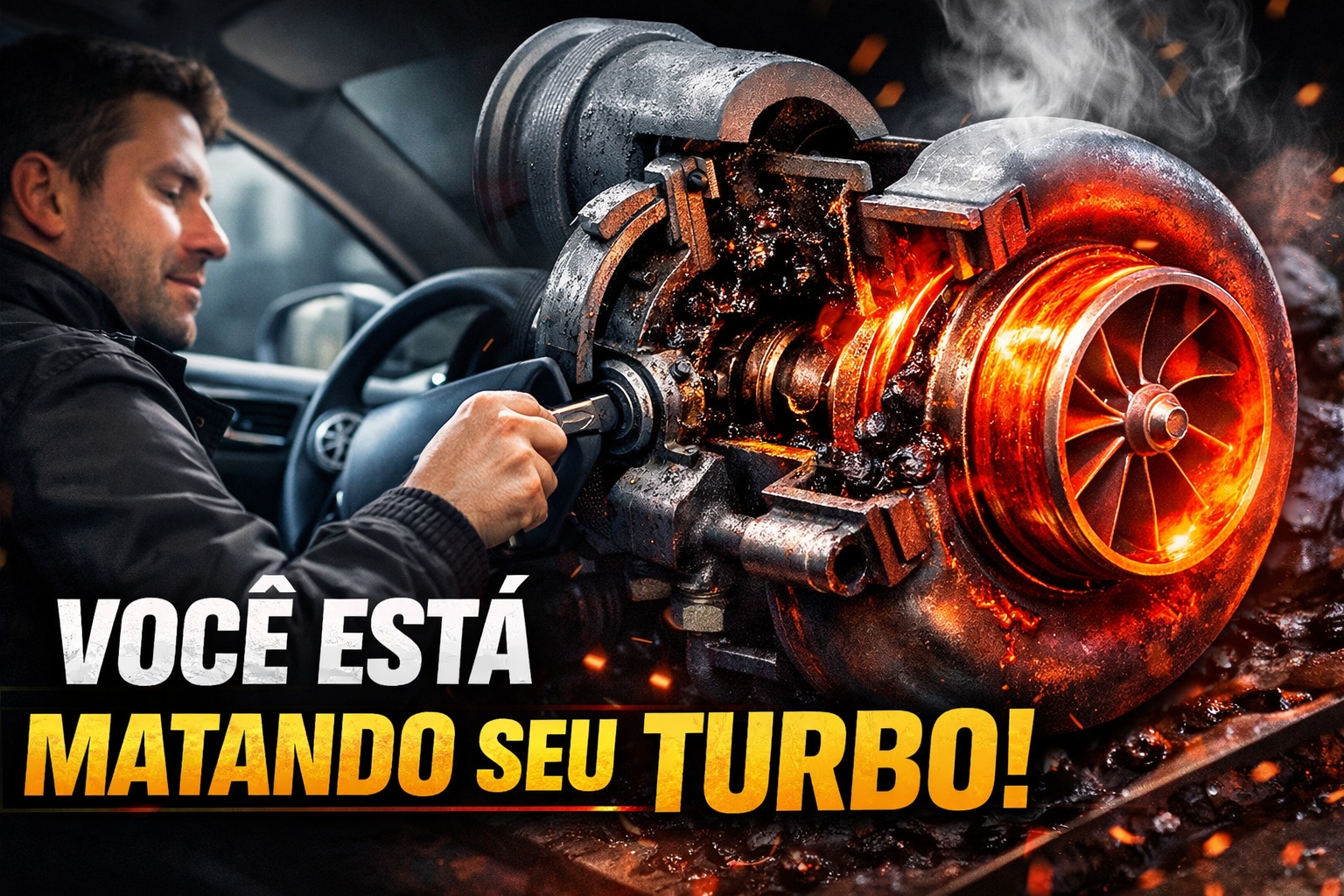
Turning Off The Car Right After Intensive Use Can Damage The Turbo. Understand What Oil Carbonization Is, When It Occurs, And How To Avoid Silent Wear.
When a turbocharged engine is subjected to severe use, such as hard accelerations, high-speed roads, climbing steep hills, towing, or sports driving, it operates under extremely high temperatures. Under these conditions, turning off the vehicle immediately after stopping can trigger a silent and cumulative phenomenon that significantly reduces the turbo’s lifespan: oil carbonization in the bearings.
This issue is widely documented by manufacturers of forced induction systems and automakers but is still little known by the average driver, especially since the damages do not appear immediately.
Why The Turbo Suffers When The Engine Is Turned Off Suddenly
The turbocharger is driven by exhaust gases and can spin between 150,000 and 250,000 revolutions per minute, depending on the design. During heavy use, the hot housing of the turbo reaches temperatures that easily surpass 800 °C on the turbine side.
-
A French brand placed a car on four huge red balloons to prove that its suspension made the vehicle “float,” and the surreal scene became one of the most iconic and unusual images in automotive history.

-
Jeep Avenger begins production in Brazil, debuting as the brand’s new entry-level SUV and inaugurating an unprecedented phase by becoming the first national Jeep manufactured outside of Goiana, as part of a R$ 3 billion plan.
-
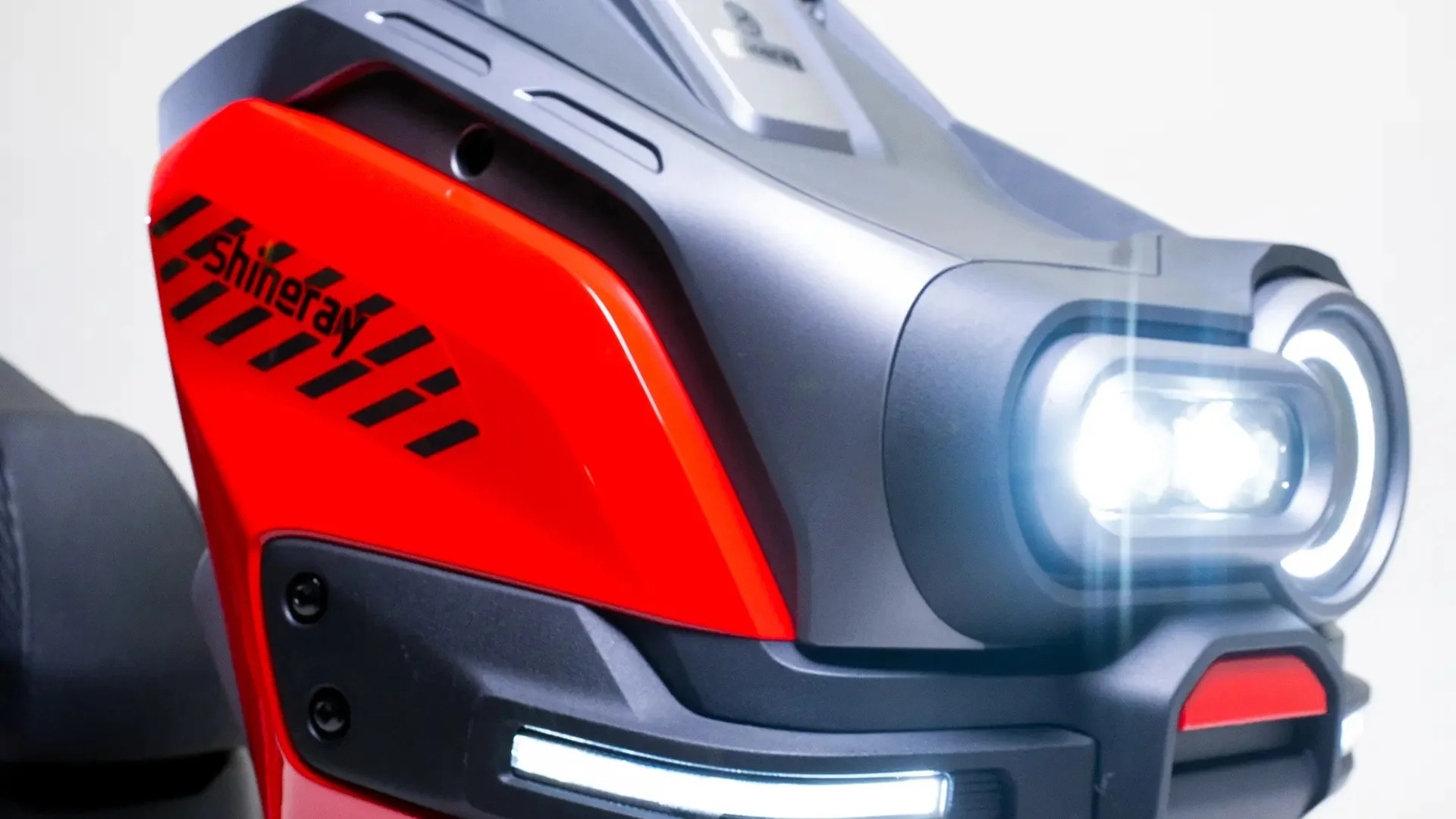
Costing R$ 12,490, the new Shineray Urban Lite 150 “cheap one” arrives in Brazil with a CVT transmission, digital dashboard, and LED lights, making it more affordable than the Biz and targeting those who want to abandon the bus.
-
Ducati brings to Brazil the Superleggera V4 Centenario: 228 hp that become 247 with a track kit, carbon fiber and carbon-ceramic brakes, estimated price between R$ 1.5 and 2 million, deliveries only in 2027.


While the engine is running, oil continuously circulates through the turbo’s shaft bearings, fulfilling two vital functions: lubrication and heat removal. The problem arises when the engine is abruptly turned off after intense effort.
When cutting the engine, oil circulation stops instantly, but the turbo assembly remains extremely hot. The residual oil that remains in the bearings is exposed to this heat without renewal, potentially exceeding the thermal limit of the lubricant.
Oil Carbonization And Sludge Formation In The Turbo


When oil is subjected to excessive heat without circulation, the phenomenon known as coking or thermal carbonization occurs. In this process, the oil literally “burns,” leaving solid residues similar to coal.
These deposits accumulate in the bearings and internal ducts of the turbo, causing three critical effects:
- reduction of proper lubrication of the shaft,
- increased internal friction,
- accelerated wear of the bearings or floating bushings.
Manufacturers such as BorgWarner and Garrett warn that carbonization is one of the main causes of premature turbocharger failure in daily driver vehicles.
The most serious aspect is that the process is progressive. The driver notices nothing in the first few months, but over time symptoms such as excessive whistling, loss of pressure, bluish smoke, and, in extreme cases, complete failure of the turbo shaft arise.
“But Modern Turbos Don’t Solve This?”
Current engines feature important advancements, such as:
- water-cooled turbo systems,
- synthetic oils more resistant to heat,
- more precise electronic control of the mixture and temperature.
However, this does not entirely eliminate the risk. In situations of severe and repeated use, the accumulated heat is still sufficient to degrade the oil if the engine is turned off without a transition period.
Technical manuals from manufacturers such as BMW, Volkswagen, and Audi continue to recommend a minimum cooling time after demanding driving, even in modern vehicles. The warning is not a relic of the past, but a precaution based on thermal engineering.
When The Risk Is Really Greater
Not every quick shutdown is detrimental. The problem concentrates in specific situations, such as:
- arrival at the destination right after driving on the highway at high speed,
- immediate stop after a long steep climb,
- turning off after sports driving or track day,
- vehicles towing loads or driving heavily loaded.
In light urban use, with low thermal load, the risk is significantly lower. The common mistake is to treat all scenarios as the same.
How Long To Keep The Car Running Before Turning It Off
It’s not necessary to wait several minutes. In most cases, 30 to 60 seconds at idle is sufficient to drastically reduce the temperature of the assembly and allow the oil to remove residual heat.

This short interval stabilizes the turbo housing, prevents carbonization, and preserves the bearings. In extreme situations, such as intense sports use, some experts even recommend up to two minutes.
Older systems used automatic “turbo timers” for this. Today, the practice can be done manually, with the same effect.
Financial Impact Of Wrong Habits
A damaged turbo rarely allows for a simple repair. Depending on the model, replacement can cost thousands of reais, especially in modern engines with turbos integrated into the manifold or variable geometry systems.
The contrast is clear: a few seconds of waiting before shutdown can represent years more of lifespan for a critical and expensive component.
A Silent Wear That Goes Unnoticed
The greatest danger of this habit lies in the fact that damage is not immediate. The car continues to function normally while wear occurs invisibly until failure appears abruptly.
Therefore, turning off the car right after heavy use is not just a detail of driving but a determining factor for the longevity of the turbo engine.
Adopting a simple cooling period is one of the most effective and inexpensive ways to preserve performance, reliability, and avoid losses that could be easily prevented.










-

-

4 pessoas reagiram a isso.