





 Portuguese
  English
  Spanish
  3 min of reading
  0 comments


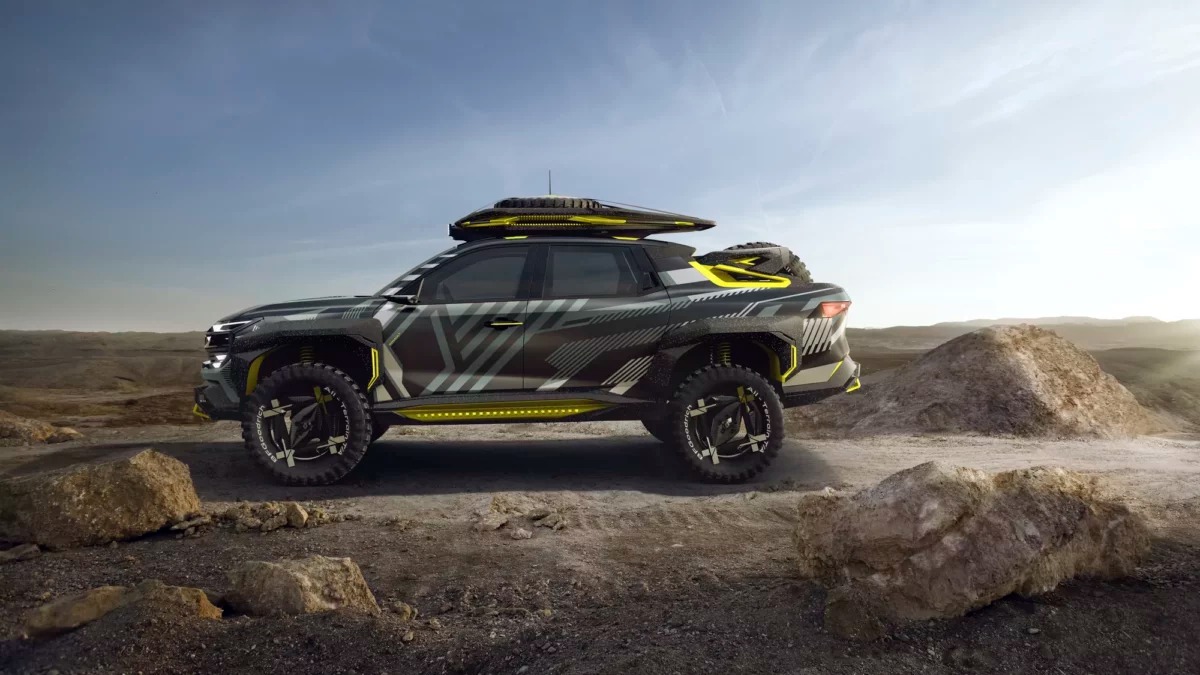
Fiat Bets on Smart Car Platform, Bio-Hybrid Versions, and 2.2 Turbodiesel Engine with 200 HP; Renault Responds with Niagara 1.3 Turbo Pickup with 163 HP and 245 HP Hybrid SUV in the Brazilian Automotive Market in 2026
The Brazilian automotive market is expected to start 2026 with a direct competition between Fiat and Renault, which are adopting distinct strategies to gain space, combining electrification, new products, and brand repositioning in segments considered strategic.
Fiat enters this new cycle with a technical overhaul based on the global Smart Car platform and the Bio-Hybrid strategy.
The proposal is to update already consolidated models, increase electrification, and maintain a relevant presence in the highest volume segments of the Brazilian automotive market.
-
A French brand placed a car on four huge red balloons to prove that its suspension made the vehicle “float,” and the surreal scene became one of the most iconic and unusual images in automotive history.

-
Jeep Avenger begins production in Brazil, debuting as the brand’s new entry-level SUV and inaugurating an unprecedented phase by becoming the first national Jeep manufactured outside of Goiana, as part of a R$ 3 billion plan.
-
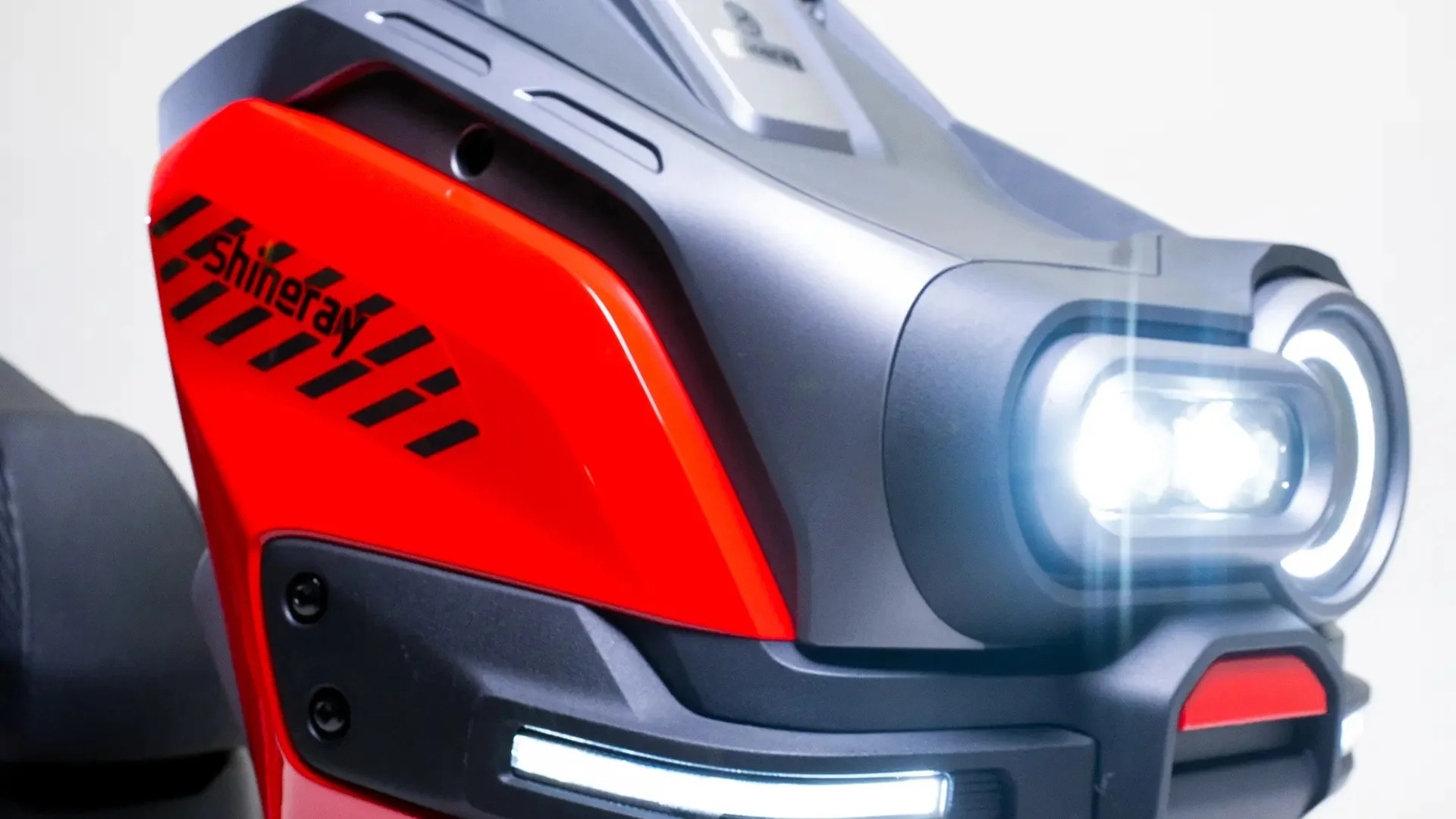
Costing R$ 12,490, the new Shineray Urban Lite 150 “cheap one” arrives in Brazil with a CVT transmission, digital dashboard, and LED lights, making it more affordable than the Biz and targeting those who want to abandon the bus.
-
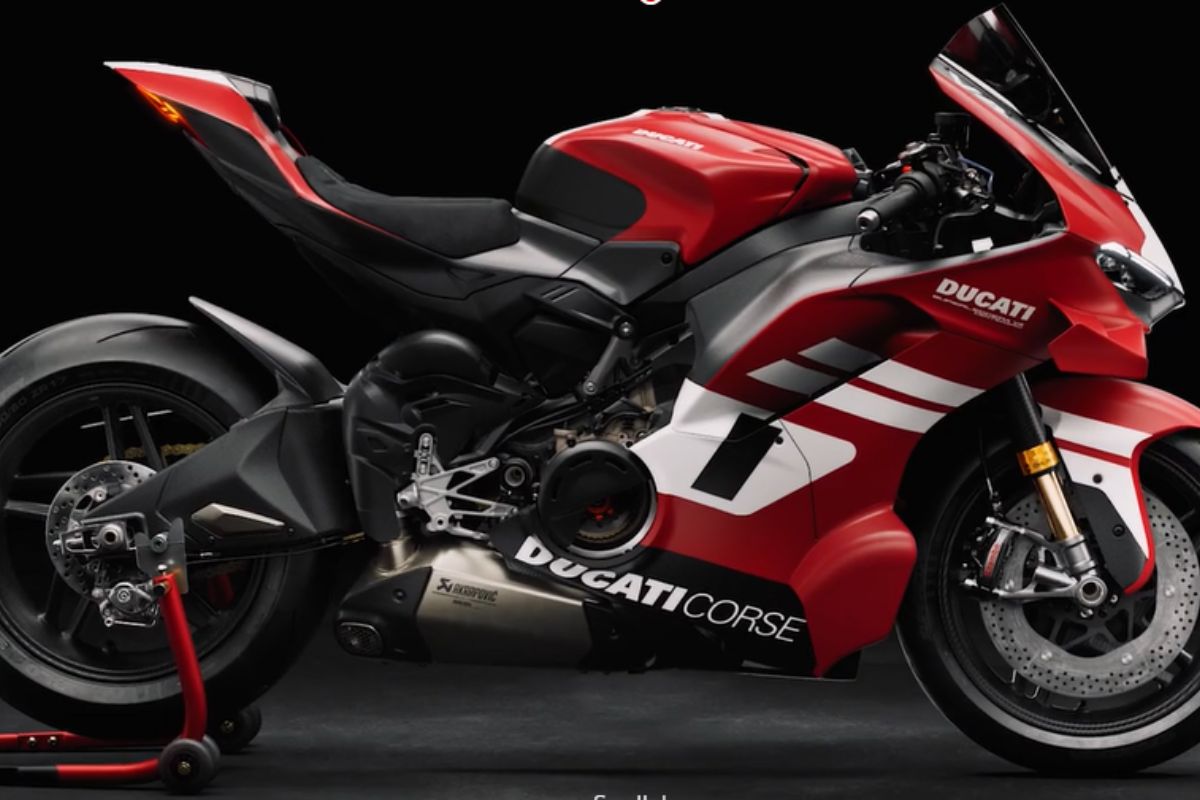
Ducati brings to Brazil the Superleggera V4 Centenario: 228 hp that become 247 with a track kit, carbon fiber and carbon-ceramic brakes, estimated price between R$ 1.5 and 2 million, deliveries only in 2027.

Brazilian Automotive Market: New Generation of Argo Inaugurates Smart Car Platform
Fiat’s main debut will be the new generation of Argo, derived from the European Grande Panda project. The Uno name will not return. The hatch will be the first major representative of the Smart Car platform in the country.
The model will adopt a retro-futuristic look, with more squared lines and references to the 80s. Besides the design, the change involves technology and electrification.
There are plans for 100% electric versions and the new T200 Hybrid configuration. The brand aims to position the hatch among compact cars with greater safety and connectivity within the Brazilian automotive market.
SUV “Giga Panda” Expands Presence in the Medium Segment
Another strategic move is the development of a medium SUV, internally known as “Giga Panda.” The model will sit above the Fastback.
The direct targets include Jeep Compass and Toyota Corolla Cross. Expectations involve a longer wheelbase, finishing with more soft materials, and an expanded technology package.
The strategy is to elevate the product level without compromising price competitiveness in the Brazilian automotive market.
Titano, Strada, and Toro Receive Technical Updates
The 2026 Titano will come with electric steering and a 2.2 turbodiesel engine with 200 HP and 45.9 kgfm, coupled with an eight-speed automatic ZF transmission.
In the Ranch version, features such as autonomous braking and adaptive cruise control will be included.
The Strada is expected to incorporate a 12V or 48V micro-hybrid system, assisting in starts and reducing urban consumption.
The Toro will follow a similar path in the Volcano and Ultra versions, combining a mild hybrid system with a 1.3 Turbo Flex engine. These changes reinforce the brand’s presence in the Brazilian automotive market.
Renault Bets on Innovative and Sophisticated Hybrid Product
Renault adopts a distinct strategy. After reorganizing the lineup with Boreal and Kardian, the automaker is focusing on new segments.
The intermediate pickup Niagara will be built on the RGMP platform, shared with Boreal and Kardian. The engine will be a 1.3 turbo flex with 163 HP and 27.5 kgfm.
The primary transmission will be a six-speed automated dual-clutch system. The goal is to compete for customers of the Fiat Toro in the Brazilian automotive market.
Hybrid Koleos and Update of the Kwid
The new Koleos returns to the country with an E-Tech Full Hybrid system, delivering 245 HP and the capability to run up to 75% of the time in electric mode in urban use.
With a length of 4.77 meters, the SUV will feature level 2 semi-autonomous technologies. Meanwhile, the 2026 Kwid receives a 7-inch digital dashboard, 10-inch multimedia system, and visual updates.
The E-Tech version adopts LFP batteries, described as more stable and efficient. The outlook indicates a clear repositioning for both brands in the Brazilian automotive market, with strategies that could redefine competitive balance.
With information from Garagem360.









-

-

-

4 pessoas reagiram a isso.