





 Portuguese
  English
  Spanish
  3 min of reading
  0 comments


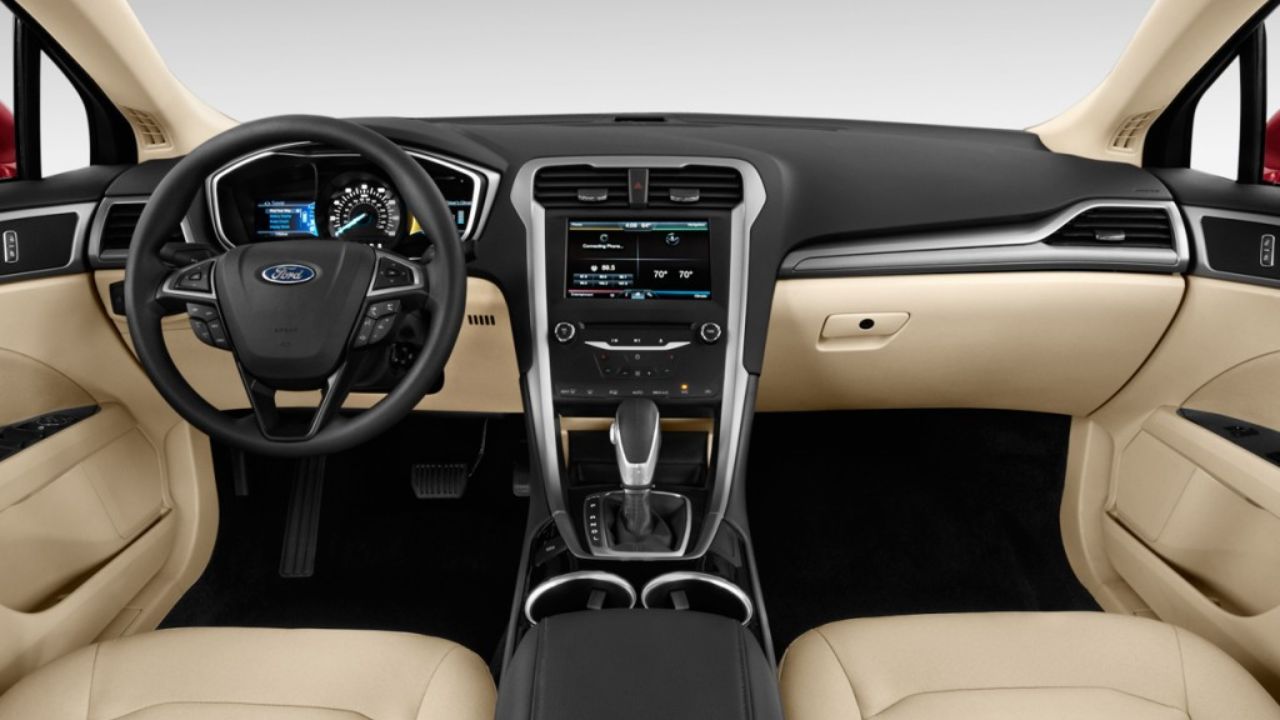
Ford Prepares to Launch Five Affordable Cars Priced Below R$ 200,000, Including Possible Returns of Ka, Fiesta, Focus, and Fusion, Aiming to Win Back Consumers in Brazil and the USA.
An important shift is beginning to take shape behind the scenes at Ford. After concentrating its efforts on SUVs, pickups, and the Mustang, the automaker has decided to revisit its strategy and invest in more affordable cars, targeting price points below R$ 200,000.
The central objective is to regain market share among consumers who prioritize economy and rationality when purchasing a new car.
This movement applies to both the North American and Brazilian markets, where currently there are no models from the brand considered truly accessible, as the starting prices exceed R$ 219,000.
-
A French brand placed a car on four huge red balloons to prove that its suspension made the vehicle “float,” and the surreal scene became one of the most iconic and unusual images in automotive history.

-
Jeep Avenger begins production in Brazil, debuting as the brand’s new entry-level SUV and inaugurating an unprecedented phase by becoming the first national Jeep manufactured outside of Goiana, as part of a R$ 3 billion plan.
-
Costing R$ 12,490, the new Shineray Urban Lite 150 “cheap one” arrives in Brazil with a CVT transmission, digital dashboard, and LED lights, making it more affordable than the Biz and targeting those who want to abandon the bus.
-
Ducati brings to Brazil the Superleggera V4 Centenario: 228 hp that become 247 with a track kit, carbon fiber and carbon-ceramic brakes, estimated price between R$ 1.5 and 2 million, deliveries only in 2027.

This new phase was confirmed during the NADA Show held in the United States.
At the event, company executives informed the Automotive News portal that Ford is working on the development of five new vehicles, all priced below US$ 40,000.
Although direct conversion puts the price at around R$ 260,000, the expectation is that each model will be adapted to the economic reality of different countries.
A Price Range That Became A Problem
Today, those seeking the cheapest Ford in the United States find the Maverick XL, listed at US$ 28,145, equivalent to approximately R$ 146,000.
In Brazil, the situation is quite different: versions such as Territory Titanium and Maverick Lariat Black represent the entry point for the brand, both costing R$ 219,900.
This distancing from the popular car segment has created a significant gap in Ford’s lineup, driving away consumers looking for low acquisition and maintenance costs.
The decision to develop new models arises precisely from this need to compete where the volume is higher.
Historic Ford Names May Reappear
Even without official confirmations, industry experts believe that Ford may resort to well-known names for this new offensive. Among the most cited candidates are:
- Ka
- Fiesta
- Focus
- Fusion, known as Mondeo in some European markets
In addition to these four, the fifth project is expected to be a new compact electric pickup, possibly built on a platform already used by the Ranger or Maverick, but focused on electrification and reduced costs.
Why Are Hatches Making Sense Again?
Compact models aimed at urban use remain essential in regions like Europe and Latin America.
The absence of hatches like Fiesta and Focus has left a significant gap for consumers who prefer smaller, agile, and efficient cars for everyday use.
Analysts believe that Ford can implement an intelligent repositioning of these models, blending the heritage of traditional names with current technologies, connectivity, and modern design, making them real alternatives to compact SUVs.
Sedans and Compact SUVs Also Part of Ford’s Plan
The possible return of the Fusion/Mondeo addresses a pent-up demand, especially in the North American market.
Since the departure of the midsize sedan, many customers have migrated to SUVs due to a lack of equivalent options within the brand itself.
Additionally, there are speculations about a new EcoSport with a global proposition.
The idea would be to transform it into a compact SUV with a sturdier look, almost like an urban version inspired by the Bronco Sport, aimed at those seeking style without sacrificing practicality.
A Strategy Focused on Volume and Future
By betting on five new vehicles with more accessible prices, Ford signals a clear attempt to expand its customer base and diversify its portfolio. The proposal combines tradition, technology, and more balanced costs.
This repositioning also paves the way for advancements in electrification and hybrid solutions while preserving the brand’s investments in SUVs and pickups.
The expected result is a Ford more present in strategic segments and once again competitive in the entry-level car market.
With information from Auto+









-

-

-

3 pessoas reagiram a isso.