





 Portuguese
  English
  Spanish
  4 min of reading
  0 comments


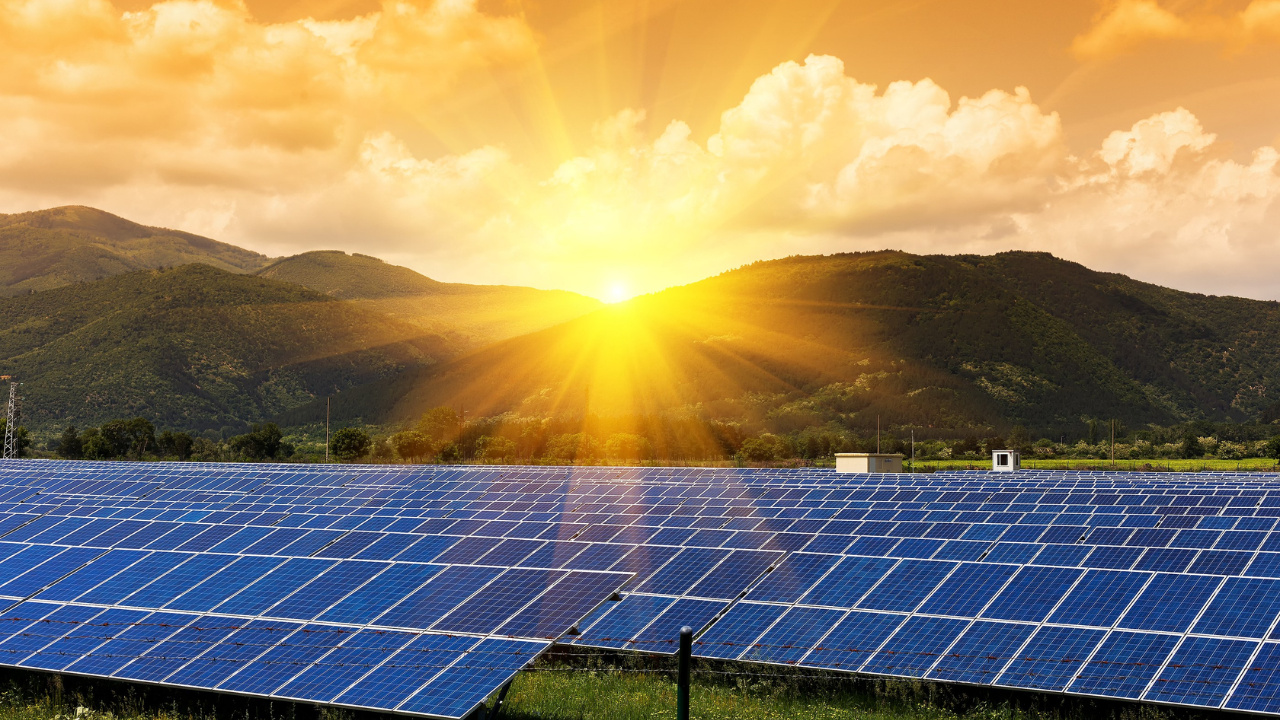
Even With Strong Presence in the Electric Grid, Solar Energy Is Expected to Grow Less in 2026. Sector Calls for Solutions to Generation Cuts, Battery Incentives, and Clearer Rules to Maintain Competitiveness.
Solar energy has established its space in Brazil, but is going through a period of adjustments. After years of accelerated expansion, the sector has had to deal with structural barriers that have reduced the growth pace. In 2025, despite significant power additions, technical, regulatory, and economic challenges limited new investments.
At the same time, concerns are growing for 2026. The projection indicates further deceleration, raising alarms for companies, investors, and policymakers connected to solar energy.
Generation Cuts Become the Main Bottleneck of the Sector
Among the obstacles faced, forced cuts in renewable generation, known as curtailment, have gained prominence. This practice occurs when the solar energy produced cannot be dispatched due to limitations in the transmission grid.
-
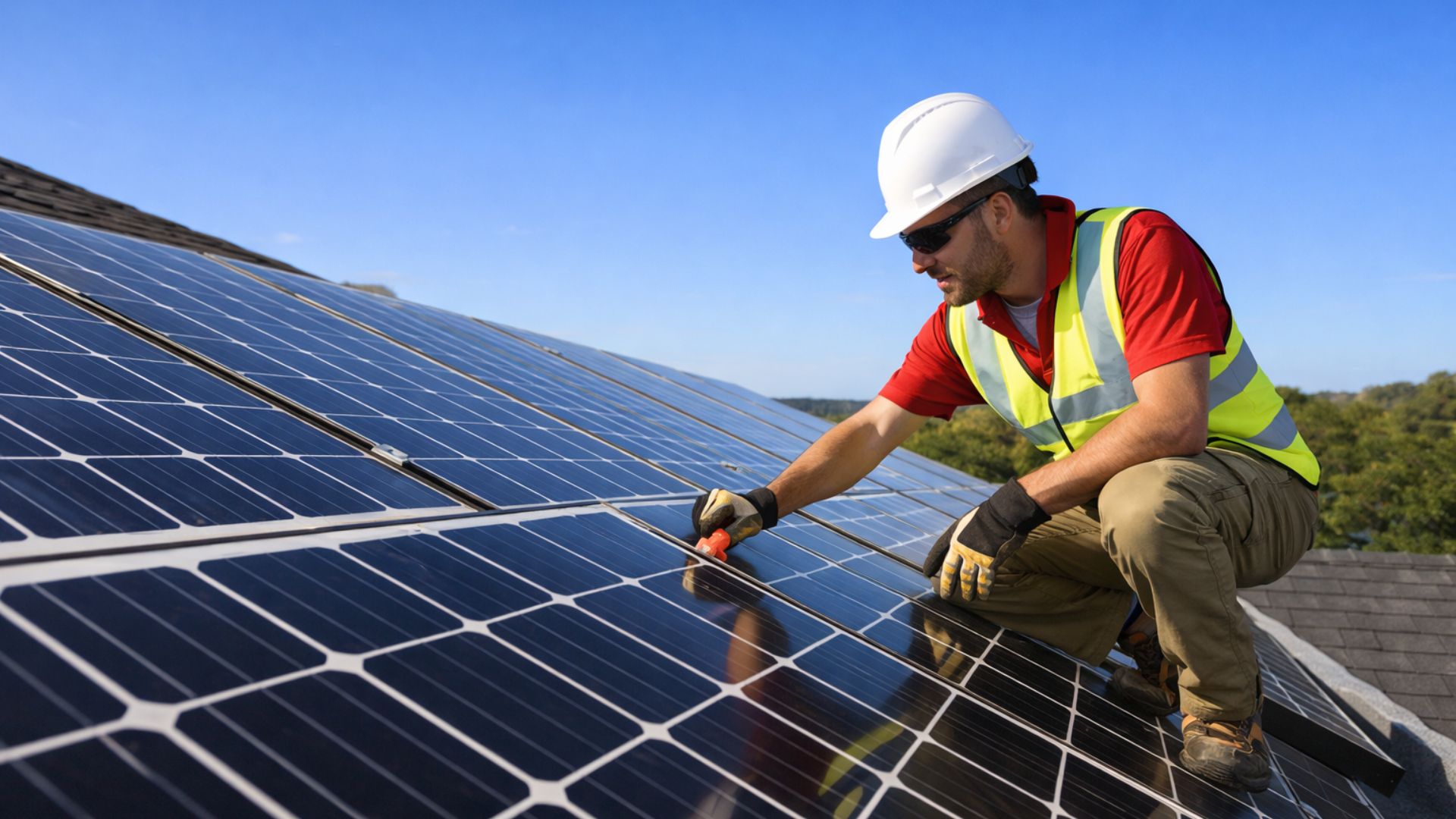
Seagri’s headquarters invests in solar energy with Neoenergia Coelba and promises to cut electricity costs, highlighting a strategic advance in sustainability and energy efficiency within state public administration.
-
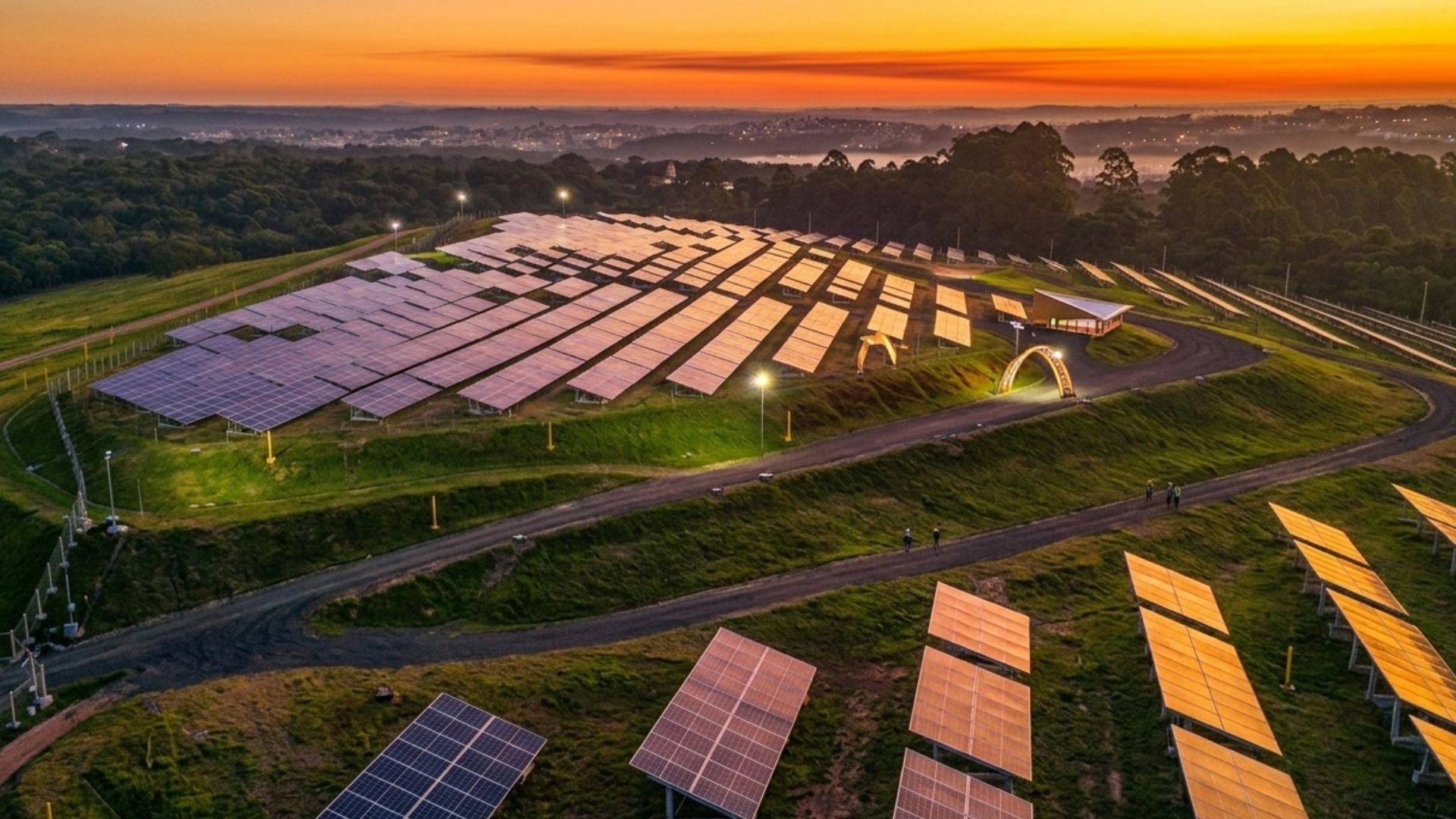
Solar Pyramid draws attention by converting solar energy into million-dollar savings and repositioning the City Hall of Curitiba as an example of innovation, sustainability, and intelligent use of public resources.
-
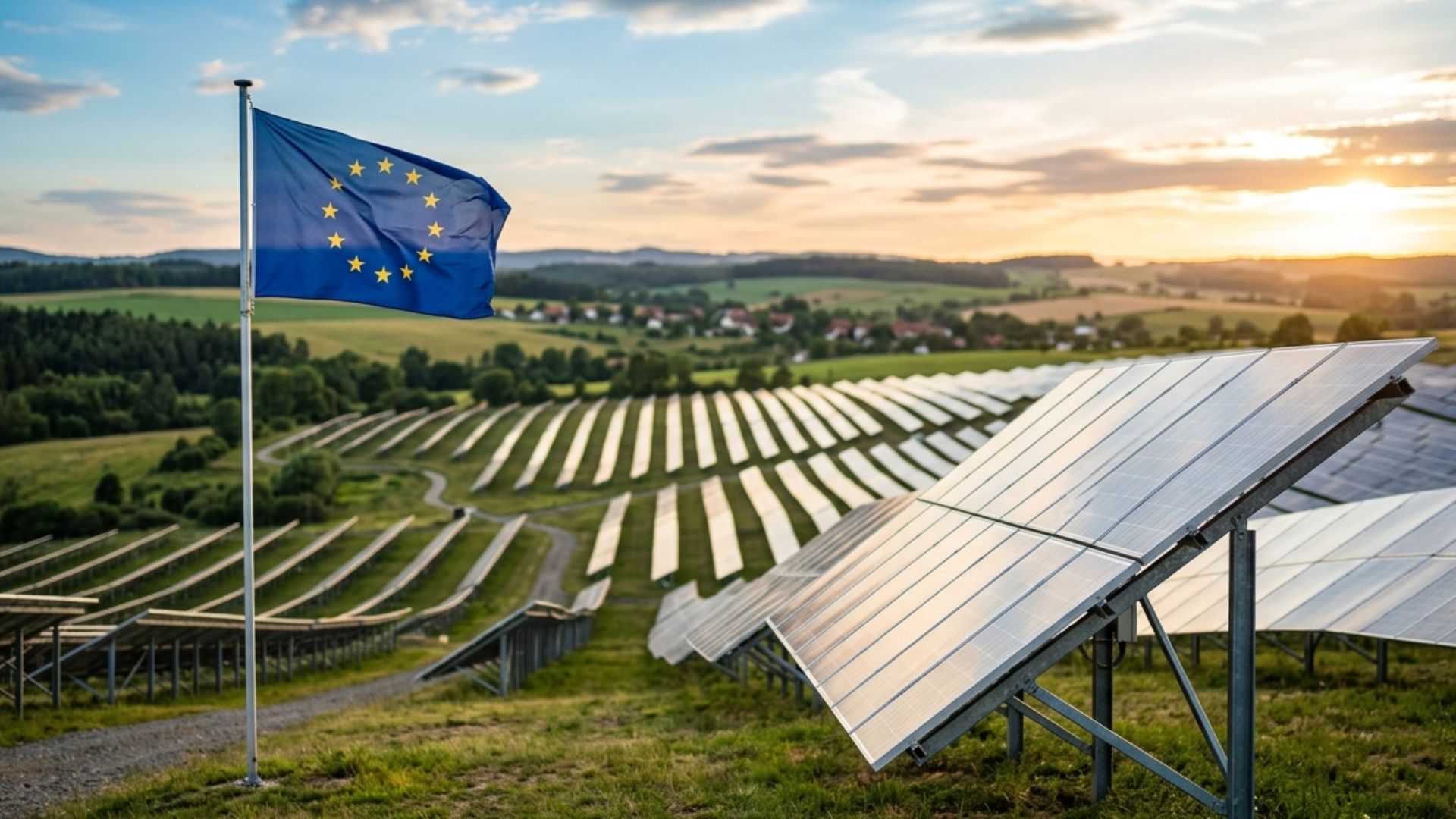
Europe records strong euro economy with solar energy in March and sparks curiosity about which country leads growth that redefines the energy market and reduces costs.
-
Piauí reaches a historic milestone in energy transition: State records nearly 160,000 households powered by solar energy and leads growth in the Northeast.
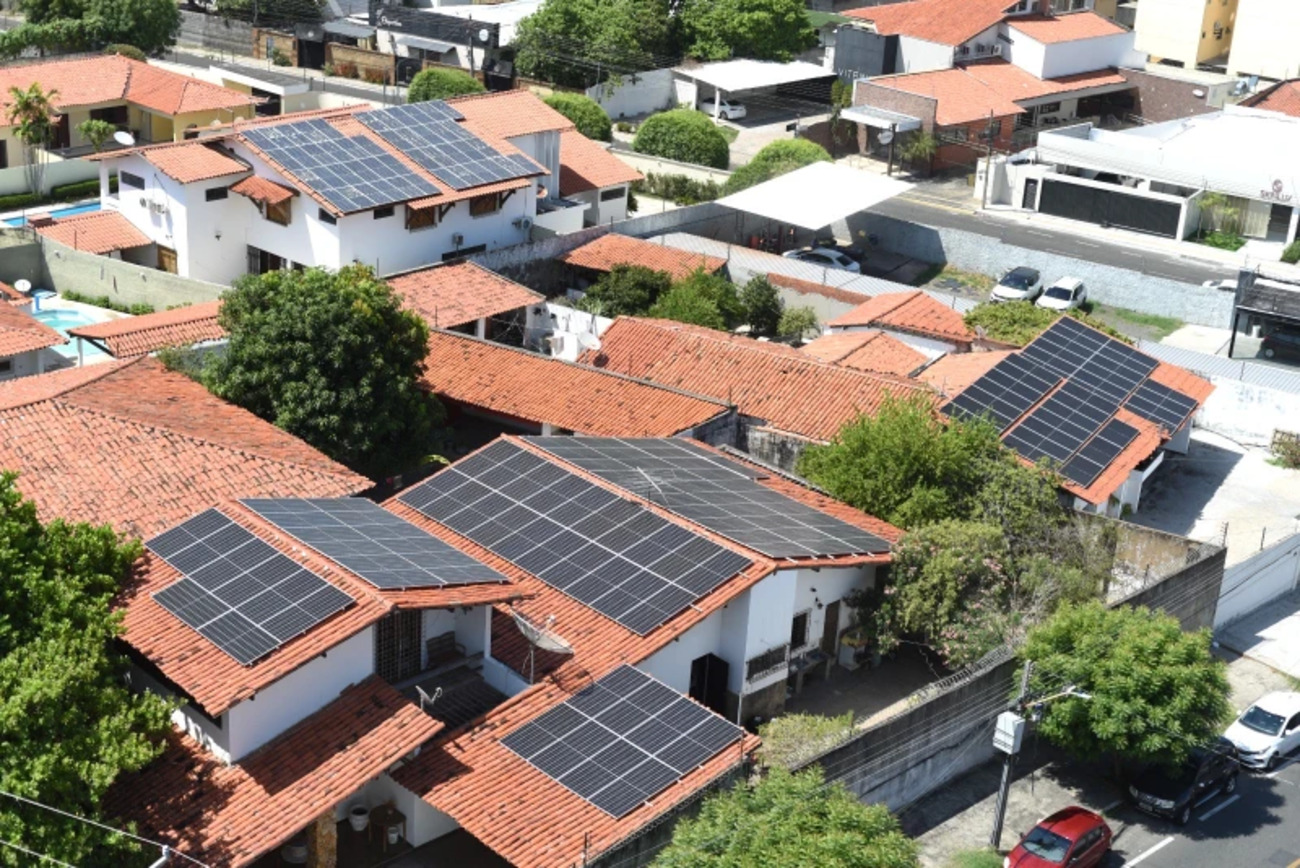

According to the Brazilian Association of Photovoltaic Solar Energy (Absolar), this problem mainly affected large plants already in operation. As a consequence, projects have been frozen, and investments postponed or canceled.
For the executive president of the entity, Rodrigo Sauaia, the lack of a structural solution compromises the sector’s attractiveness. He argues that generators should be compensated for cuts that are not their responsibility, preserving legal certainty.
Institutional Action and Criticism of Recent Legislation
In light of the adverse scenario, Absolar has intensified its action on different fronts. There has been lobbying with the Ministry of Mines and Energy, the National Electric System Operator, and the National Congress.
During this process, the sector closely followed the progress of Provisional Measure 1304, which was converted into Law 15.269. Despite the institutional advancement, the entity’s assessment is critical. The norm does not include compensation for energy cuts, leaving important gaps.
From the sector’s perspective, transferring this risk to generators harms existing contracts and affects the country’s credibility as a destination for investments in solar energy.
Distributed Generation Also Suffers from Network Limitations
The challenges were not restricted to large plants. Distributed generation, composed of small and medium-sized systems, was also impacted. In several regions, projects had connections denied under technical justifications, such as power flow inversion.
This scenario highlights failures in the planning of electrical infrastructure. According to the sector, about half of the generation cuts occur due to the lack of adequate investments in distribution and transmission networks.
Batteries Gain Space as a Strategic Solution
Amid the difficulties, the advancement of discussions on energy storage emerges as a positive point. Battery systems have begun to be seen as fundamental allies of solar and wind energy.
These technologies increase the flexibility of the electric system, reduce waste, and help mitigate the effects of curtailment. The sector believes there has been greater understanding of the topic by the Executive, the regulator, and the Legislative.
Law 15.269 brought relevant changes by including the “storage agent” in the electric sector. Furthermore, it authorized storage systems’ access to the Special Incentives Regime for Infrastructure Development (Reidi).
The expectation is that the measure will reduce costs, currently pressured by a high tax burden that can reach up to 80%. The sector is now awaiting complete regulation by the National Electric Energy Agency.
Proposals to Unlock Investments in Solar Energy
To improve the business environment, Absolar points out clear priorities. The main one is to definitively resolve generation cuts, with compensation to generators.
There are also calls for stricter oversight of distributed generation and advancements in the calculations of costs and benefits of this segment. Another strategic point involves creating financial incentives, such as incentivized debentures, for storage projects.
Even with slower growth, solar energy is expected to close 2026 with about 75.9 GW of accumulated power. This keeps the source as the second largest in the Brazilian electric grid.
Of the projected total, approximately two-thirds correspond to small and medium-sized systems, while the rest comes from large plants. In economic terms, the expected addition should attract R$ 31.8 billion in investments, generate about 319,000 jobs, and raise R$ 10.5 billion in taxes.








Seja o primeiro a reagir!