





 Portuguese
  English
  Spanish
 3 min of reading
  0 comments


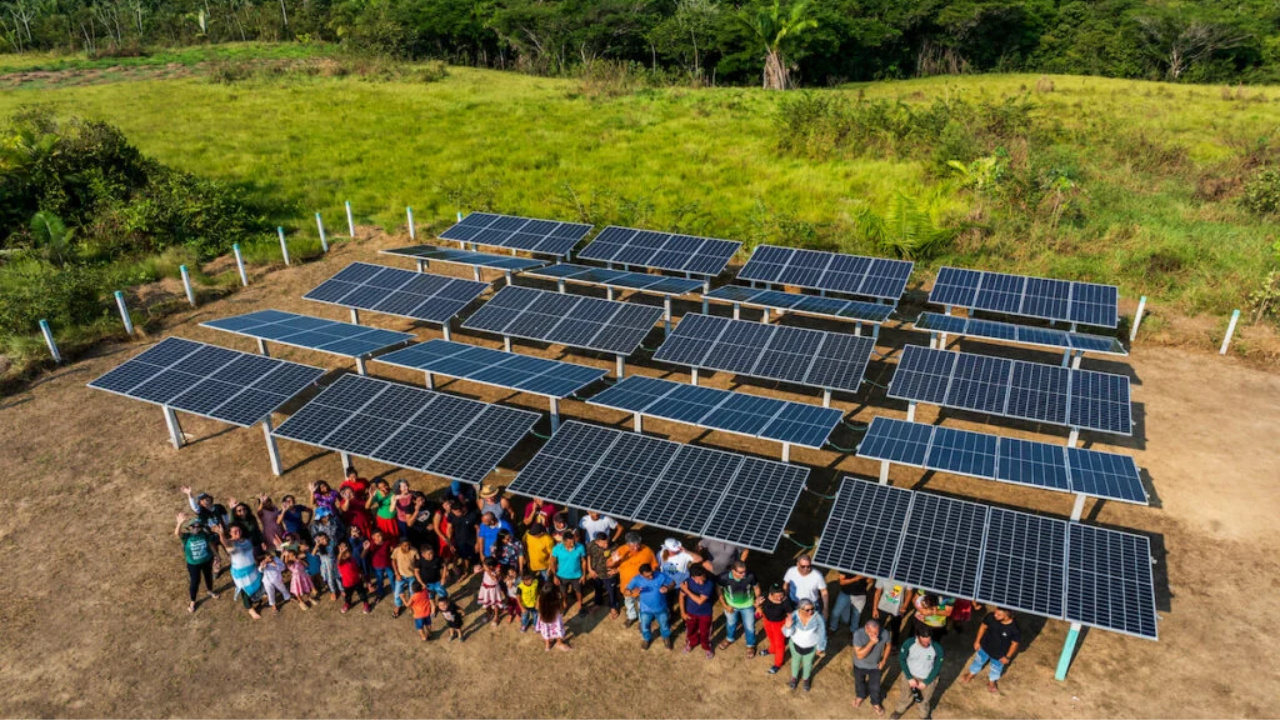
District in Southern Amazonas Adopts Solar Energy Through Photovoltaic Mini-Grid, Reduces Costs, Eliminates Diesel, and Changes Community Routine.
Solar energy has transformed from a sustainable alternative to a concrete solution for electricity supply in a remote area of Brazil. In southern Amazonas, the small district of Vila Limeira has become a national example by virtually eliminating the cost of the electricity bill.
The change happened after the implementation of a photovoltaic mini-grid capable of supplying all the homes and communal areas of the community.
Before the transformation, the population lived with limited access to electricity. The supply depended on diesel-powered generators, which operated for only a few hours a day.
-
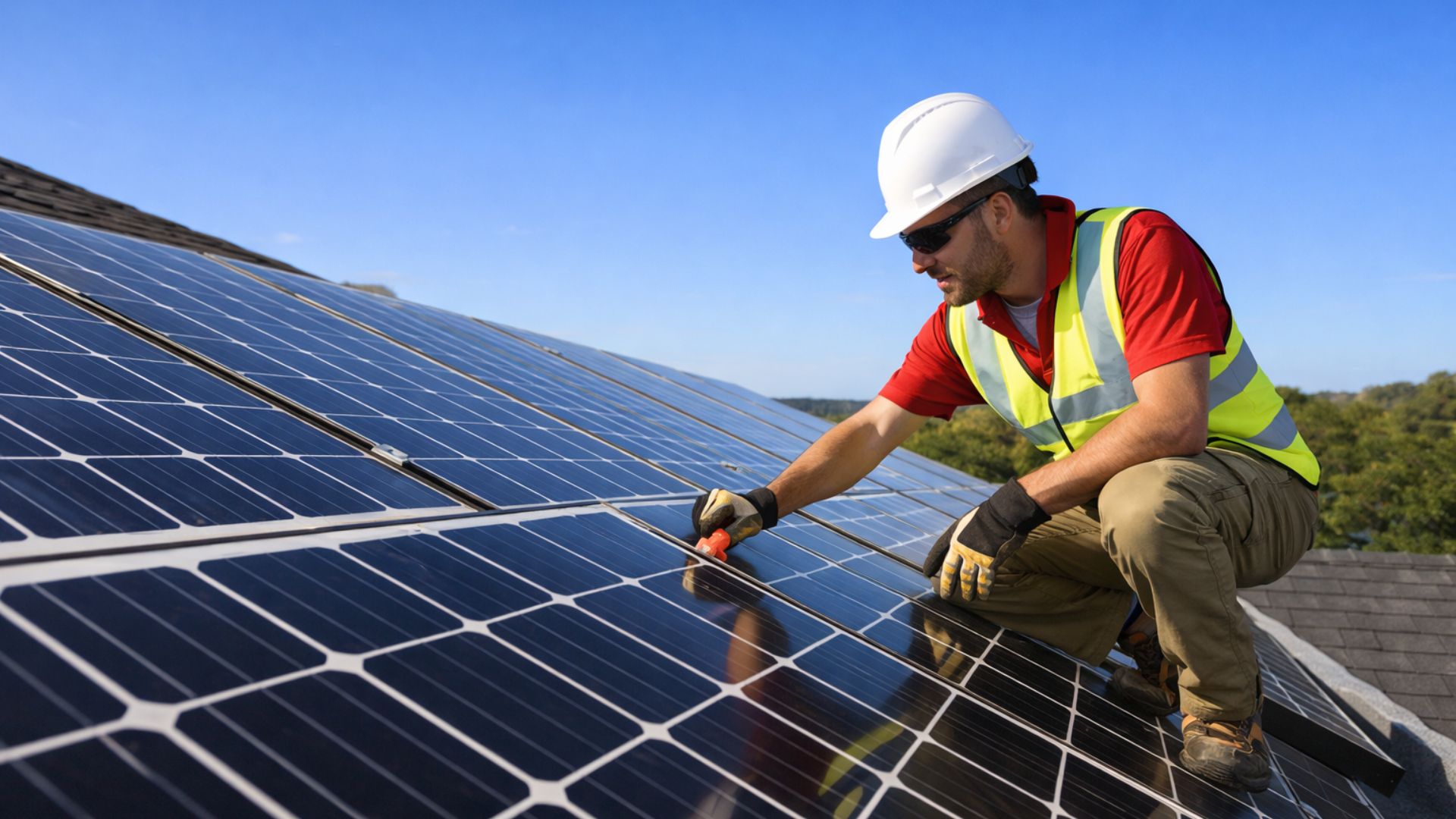
Seagri’s headquarters invests in solar energy with Neoenergia Coelba and promises to cut electricity costs, highlighting a strategic advance in sustainability and energy efficiency within state public administration.
-
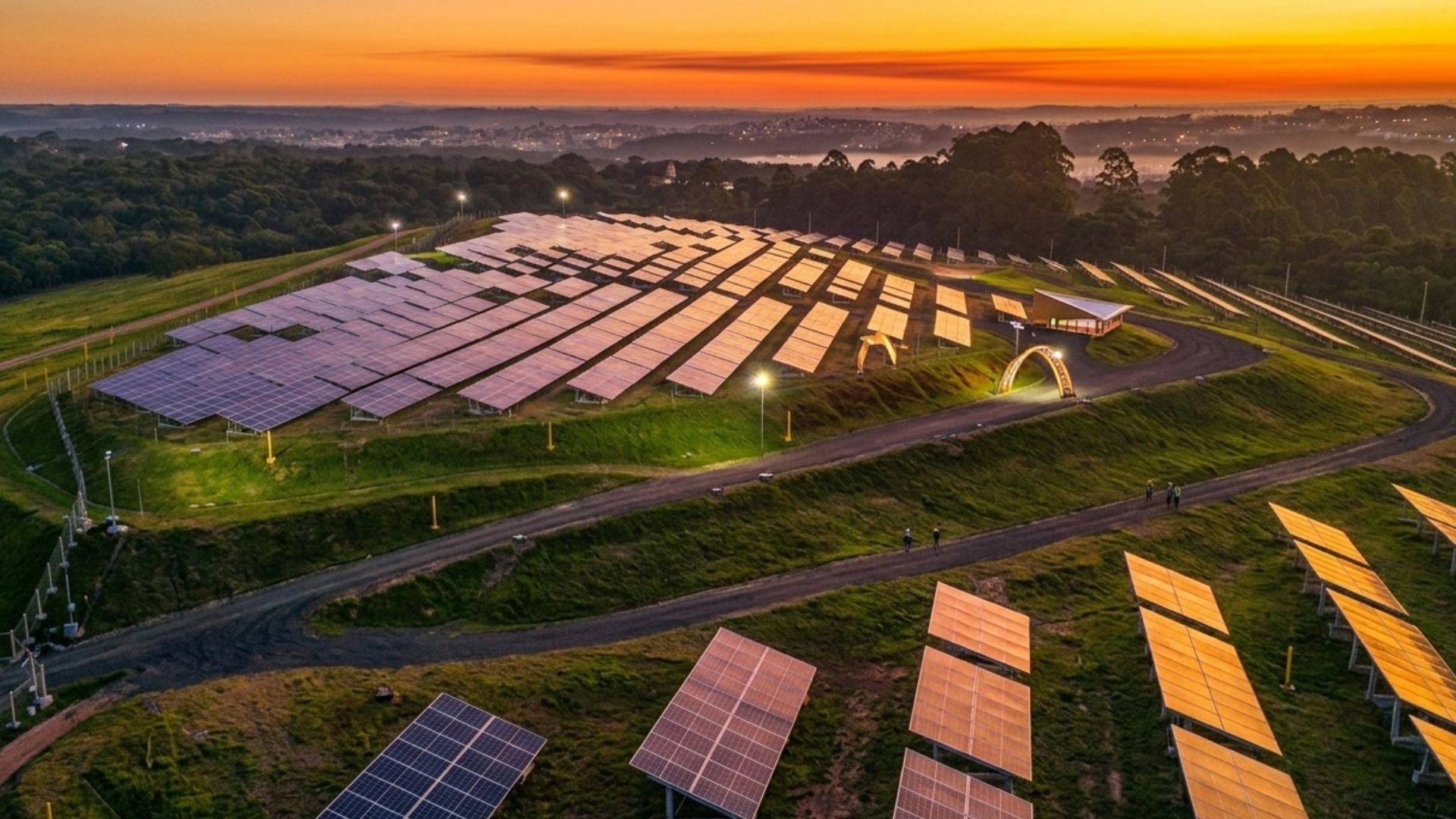
Solar Pyramid draws attention by converting solar energy into million-dollar savings and repositioning the City Hall of Curitiba as an example of innovation, sustainability, and intelligent use of public resources.
-
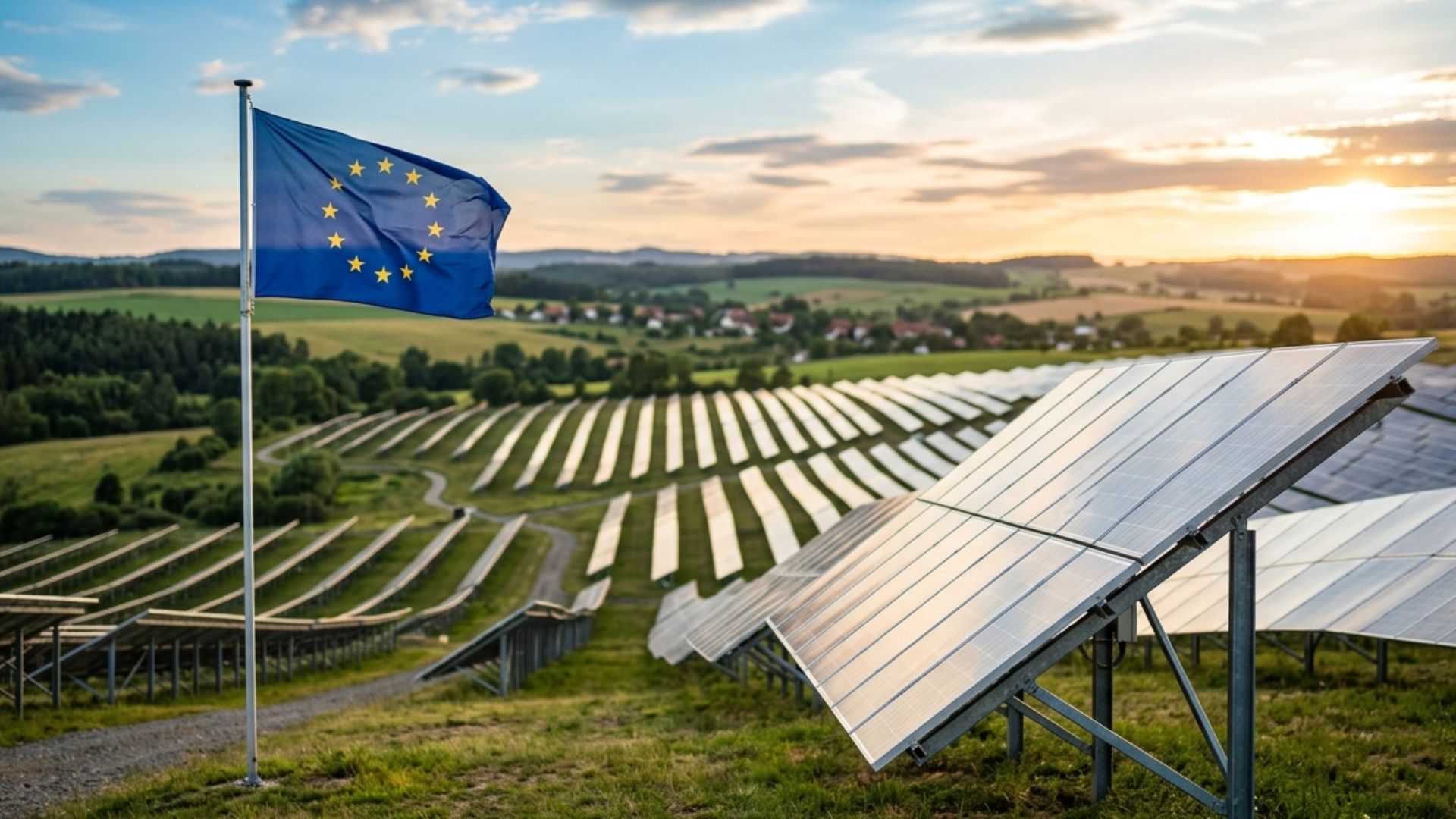
Europe records strong euro economy with solar energy in March and sparks curiosity about which country leads growth that redefines the energy market and reduces costs.
-
Piauí reaches a historic milestone in energy transition: State records nearly 160,000 households powered by solar energy and leads growth in the Northeast.
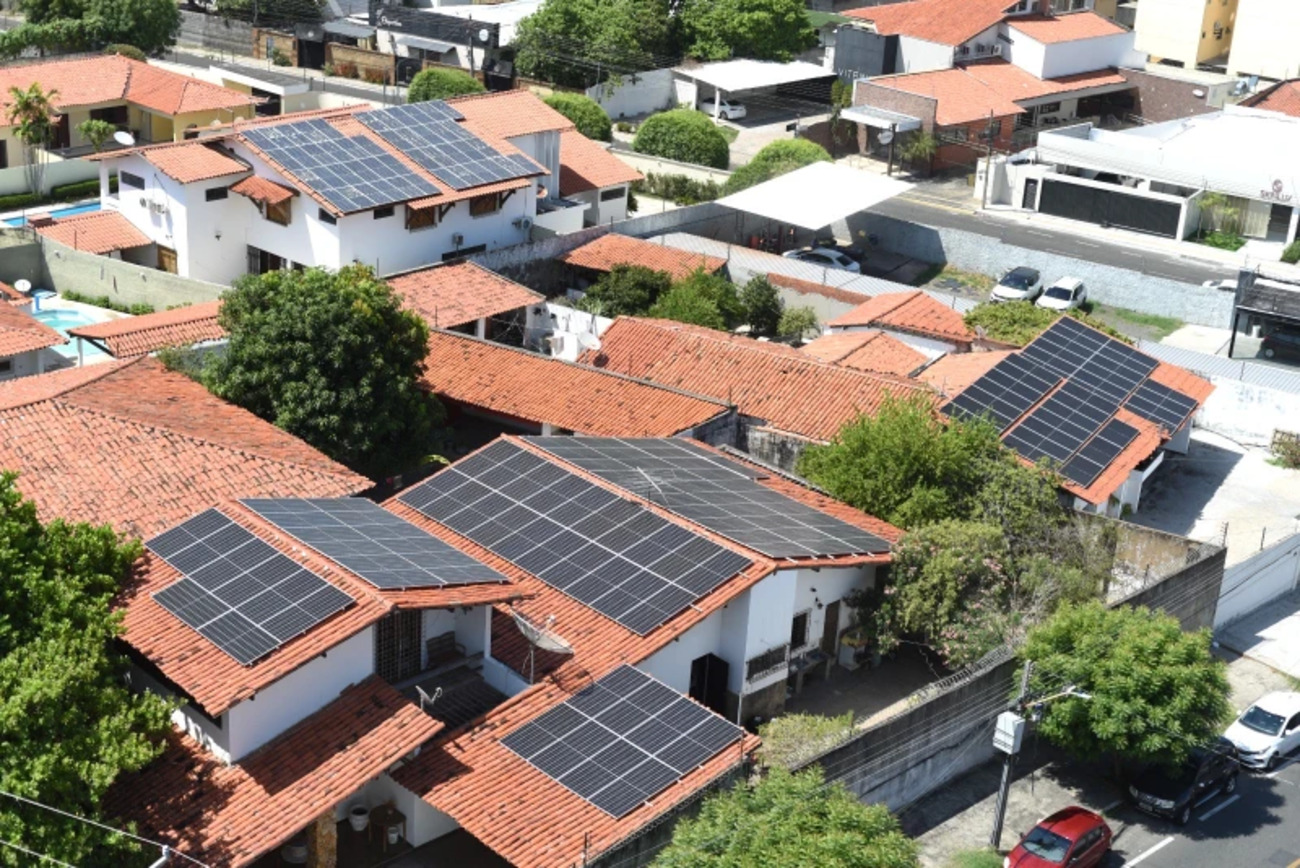

As a result, daily life was marked by constant interruptions, domestic difficulties, and heavy dependence on external fuel.
Photovoltaic Mini-Grid Replaces Diesel Generators
The energy shift occurred when environmental organizations, in partnership with technical teams, installed a system completely based on solar energy.
The structure includes photovoltaic panels and high-capacity batteries, responsible for storing electricity produced during the day and ensuring continuous supply at night.
With the new grid, the old diesel generators were deactivated. Besides being expensive, they produced constant noise and required complex logistics for fuel transportation. The replacement reduced operational costs and eliminated one of the main problems faced by residents.
At the same time, the system’s reliability brought stability. Electricity became available throughout the day, without interruptions, allowing for regular use of household appliances and basic equipment.
Residents’ Routine Changes with Continuous Energy
The arrival of solar energy profoundly changed the community’s daily life. Homes are now constantly illuminated. Refrigerators operate without restrictions.
Fans help to combat the Amazonian heat. Power tools have begun to be used for productive activities.
Moreover, continuous supply opened up new possibilities. Children and young people began to study at night. Small businesses extended their operating hours. Public lighting enhanced the feeling of safety and encouraged greater community interaction.
The silence has also become an important differentiator. Without the sound of diesel engines, the environment became quieter, promoting collective well-being.
Another direct impact was the cost. With their own generation of solar energy, the monthly electricity expense virtually disappeared. System maintenance is simple and requires few resources, keeping expenses at a minimum level.
Additionally, residents received training to operate the mini-grid and perform basic adjustments. This training reduced external dependence and ensured greater technical autonomy for the community.
The model adopted in Vila Limeira demonstrates that even in isolated regions, it is possible to achieve energy self-sufficiency with accessible technology.
Community Management Ensures Project Sustainability
One of the project’s differentiators lies in the management approach. The residents themselves monitor the functioning of the photovoltaic mini-grid, track consumption, and resolve any minor issues. This direct involvement fosters a sense of belonging and contributes to the system’s longevity.
According to sustainability experts, experiences like this show that solar energy can be used as a tool for social inclusion. The initiative has garnered increasing interest among researchers, visitors, and public managers.
In light of the results, technicians indicate that the model can be replicated in dozens of Brazilian communities still facing unstable supply or high electricity costs.





Seja o primeiro a reagir!