





 Portuguese
  English
  Spanish
  6 min of reading
  0 comments


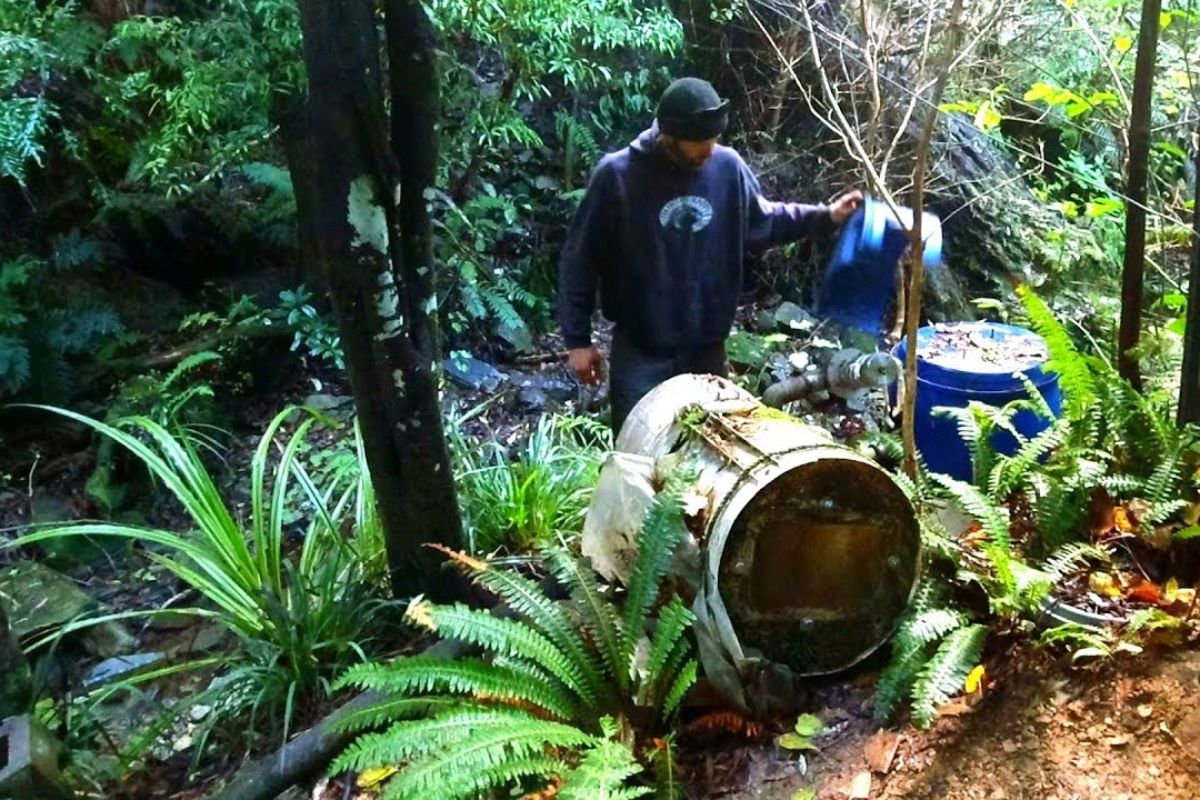
In A Remote Valley, Without Roads And Without Power, A Resident Reports How He Transformed A Discarded Washing Machine Into A Hydroelectric Generator With Pelton Wheel, Rectifier And 24-Volt Bank, Keeping Inverter And Home Operating Day And Night For 16 Years In Search Of Free Continuous Energy.
The Promise Of Free Energy Often Sounds Like A Scam, Exaggeration Or Marketing. Here, The Phrase Appears In Another Context: A Resident Who Has Lived Off The Grid For 16 Years Describes A Home Hydroelectric System That Uses Water, Elevation, And Scrap Recycling To Sustain The Basics Of The House.
The Case Draws Attention For Mixing Improvisation And Applied Engineering, But Also For Exposing Limits And Risks. When Water And Electricity Meet, The Margin For Error Decreases: Power Fluctuates, Components Suffer From Humidity, And Maintenance Becomes Part Of The Cost, Even When The Discourse Insists On “Free”.
A House Off The Grid And The Idea Of Free Energy

The Report Sets The Routine In A Valley In New Zealand And States That The House Has Been Off The Power Grid For 16 Years.
-
Scientists have captured something never seen in space: newly born stars are creating gigantic rings of light a thousand times larger than the distance between the Earth and the Sun, and this changes everything we knew about stellar birth.

-
Geologists find traces of a continent that disappeared 155 million years ago after separating from Australia and reveal that it did not sink, but broke into fragments scattered across Southeast Asia.
-
Samsung launches cordless vertical vacuum cleaner with up to 400W of suction and relies on AI to automatically recognize corners, carpets, and different surfaces.

-
The lost continent beneath Europe: separated from North Africa about 240 million years ago, comparable in size to Greenland, Greater Adria was crushed over 40 million years and left geological marks from the Alps to the Balkans.

The Declared Intention Is To Eliminate Dependence On The Utility Company And Sustain Essential Loads With Free Energy Generated On The Property, In A System That Operates 24 Hours A Day, Seven Days A Week, Almost Without Interruptions.
At The Center Of The Arrangement Is A Washing Machine Found In Trash And Repurposed As A Generator. The Motor Was Reconfigured To Produce Electricity When It Rotates Coupled With A Pelton Wheel.
The Energy Is Rectified And Sent To A 24-Volt Bank; Then, An Inverter Delivers 240 VAC To The Residence. The Concept Is Simple In The Statement And Complex In The Execution, Because It Requires Hydraulic Stability And Electrical Discipline To Avoid Failures.
Pressure, Elevation And The Pelton Wheel As The Engine Of The System

The Most Important Part Is Not The Washing Machine, But What Makes The Pelton Wheel Spin. The Report Describes That Water Enters Through An Inlet, Gains Pressure From The Height Difference Between The Inlet And Outlet And Exits The Nozzle At 60 PSI.
This Jet Hits The Shells Of The Pelton Wheel And Converts Potential Energy Into Rotation, Maintaining Enough Torque To Spin The Assembly Continuously.
The Intake Mentioned Uses A 4-Inch Pipe With About 100 To 150 Meters To The Turbine, Perforated With Hundreds Of Holes And Closed At The End, Protected By An Overlapping Cover To Reduce Debris Ingress.
In Times Of Leaves And Fine Gravel, The System Depends On Filtration And Cleaning: The Resident Says He Needs To Clean The Inlet Approximately Once A Year, In A Job That Would Take About 15 Minutes, And That Heavy Rains Tend To Wash Away Excess Accumulated Material.
From Washing Machine To 24-Volt Bank Without Romanticizing Electricity
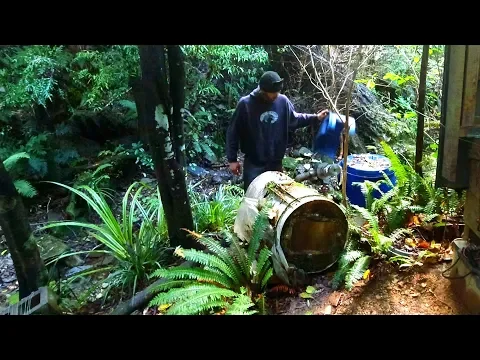

When The Washing Machine Enters The Scene, It Is Not A Miracle, But A Change Of Function: The Motor That Previously Consumed Energy Begins To Produce Energy When Activated Mechanically.
The Indicated Result Is Three-Phase AC Voltage, Unsuitable For Direct Use In Household Outlets. Therefore, The Report Mentions A Three-Phase Rectifier In A Diode Block, Which Converts AC Into Direct Current.
The Direct Current Follows, According To The Description, To A 24-Volt Bank That Absorbs Flow Variations And Creates A Reserve For Moments Of Lower Flow. From There, A Inverter Of 24 To 240 VAC Powers The House Through A Power Line To The Residence.
In Practice, The Inverter Becomes The Operational Center, Because It Translates The Energy From The Bank Into A Usable Standard In Appliances And Water Heating, Within An Efficient Consumption Logic.
Power, Current And What Free Energy Delivers When Someone Measures
The Report Does Not Sell Infinite Power. In The Annual Check, The Resident Claims That The Turbine Was Delivering About 12 Amperes At 24 Volts, When The Usual Expectation Would Be Around 20 Amperes At 24 Volts.
This Is Approximately Equivalent To 288 Watts In The Lowest Scenario And 480 Watts In The Expected Scenario, With Immediate Impact On The Capacity To Sustain Continuous Loads.
He Also States That The Main Turbine, Mounted About Six Years Ago From A SmartDrive Washing Machine, Operates Continuously And Is Capable Of Handling “All Appliances” In The House, As Well As Most Tools In The Shed.
There Is, However, An Explicit Limit: Compressor And Welder Still Require A Dedicated Generator. This Detail Delimits The Promise Of Free Energy And Shows That In Off-Grid Systems, The Bottleneck Is Often Instantaneous Power, Not Just The Energy Stored In The 24-Volt Bank.
Redundancy, Maintenance And The Failures That Appear In The Real World
The Described System Relies On Redundancy. In Addition To The Main Turbine, There Is A Backup Turbine Kept Operated At Low Speed, Capable Of Producing About 5 Amperes To Support Refrigerators And Freezers When The Main One Stops Or When The Flow Decreases.
The Resident Also Mentions Nozzle Adjustments According To The Season, With A Smaller Jet When The Flow Decreases And A Larger Jet During Higher Water Volume Periods.
Maintenance Appears As A Rule, Not As An Exception. The Report Mentions Bearing Replacement Approximately Every Two Years In The Washing Machine Assembly And Inspections When Signs Of Humidity, Vegetation Growth And Debris Accumulation Appear.
To Protect The 24-Volt Bank, The System Would Include A Voltage Sensor And A Drain Valve: If The Batteries Exceed 29.5 Volts, The Excess Energy Is Diverted To A Water Heater And The Valve Opens To Drain The Excess Water From The Pipe, Relieving Pressure And Preventing Electrical Overload, According To The Resident.
In Other Words, Free Energy Depends On Control And Protection, And Not Just On Generating Electricity. Since It Involves Electricity, Pressurized Water, And Rotating Parts, Any Adaptation Of This Type Requires Safe Design And Installation; Reproducing Without Technical Knowledge Raises The Risk Of Shock, Fire, And Material Damage.
The Real Cost Behind The Word Free Energy
The Expression Free Energy Persists Because There Is Financial Comparison. The Resident Claims He Bought About 300 Meters Of Used Pipe For About 400 Dollars, Coming From An Old Irrigation Structure.
In Parallel, He Says The Most Expensive Part Was The Power Line Leading Up To The House, Around Half A Kilometer, Valued At Several Thousand Dollars.
The Final Bill Presented Compares This Set With The Conventional Connection Alternative: Accessing The Power Grid Would Have Cost US$ 14,000, While The Complete Assembly Of The System, On The First Day Of Purchases And Installation, Would Have Been Around US$ 2,500.
Even So, “Free” Is Not Synonymous With Zero Effort: There Is Annual Cleaning, Bearing Replacement, Operational Risk, And Time Spent On Diagnosis When Something Fails. What The Report Describes Is Low Marginal Cost After The Investment, Not Absence Of Cost.
The Story Of The Washing Machine Coupled With The Pelton Wheel Does Not Prove That There Is Free Energy In The Literal Sense.
It Shows How An Off-Grid System Can Keep A Home In Continuous Operation When There Is Water, Elevation, A Stable 24-Volt Bank, And An Inverter Capable Of Delivering A Domestic Standard With Predictability.
If You Had A Stream With Elevation On Your Property, Would You Accept To Trade The Monthly Bill For Annual Cleaning, Bearing Replacement, And Constant Monitoring Of A 24-Volt Bank And An Inverter That Cannot Stop? In What Scenario In Your Life Would Free Energy Be A Priority, And At What Point Would You Give Up Due To Risk Or Maintenance?







-

-

2 pessoas reagiram a isso.