





 Portuguese
  English
  Spanish
  5 min of reading
  0 comments



Models That Marked Strategic Turning Points in Different Eras Helped Automakers Reorganize Cash, Reposition Products, and Sustain Operations in Difficult Markets, According to Surveys and Historical Records of Companies and Sector Analyses.
At different moments in the history of the automotive industry, some launches entered the market with a direct impact on cash flow and strategy of automakers.
In a sector marked by high development and production costs, business decisions can influence the continuity of traditional manufacturers.
A survey published by AutoMais brings together five cases in which certain models were associated with phases of restructuring and recovery.
-
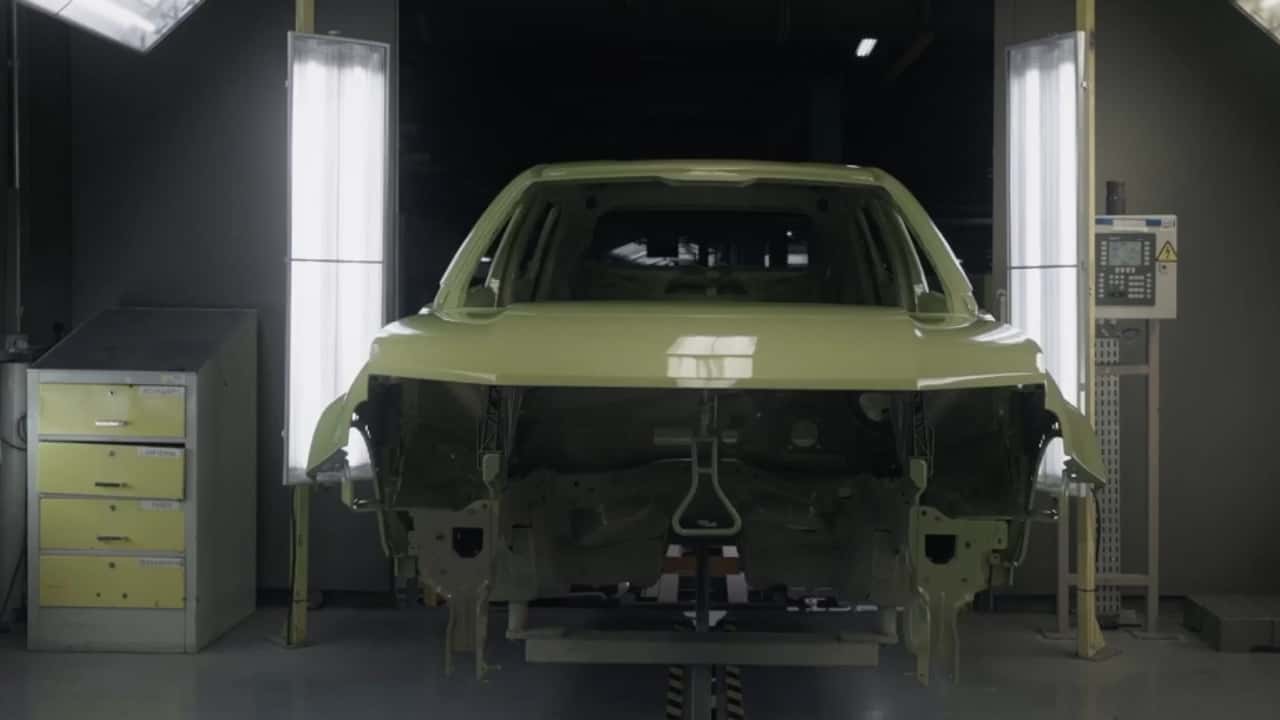
Jeep Avenger begins production in Brazil, debuting as the brand’s new entry-level SUV and inaugurating an unprecedented phase by becoming the first national Jeep manufactured outside of Goiana, as part of a R$ 3 billion plan.
-
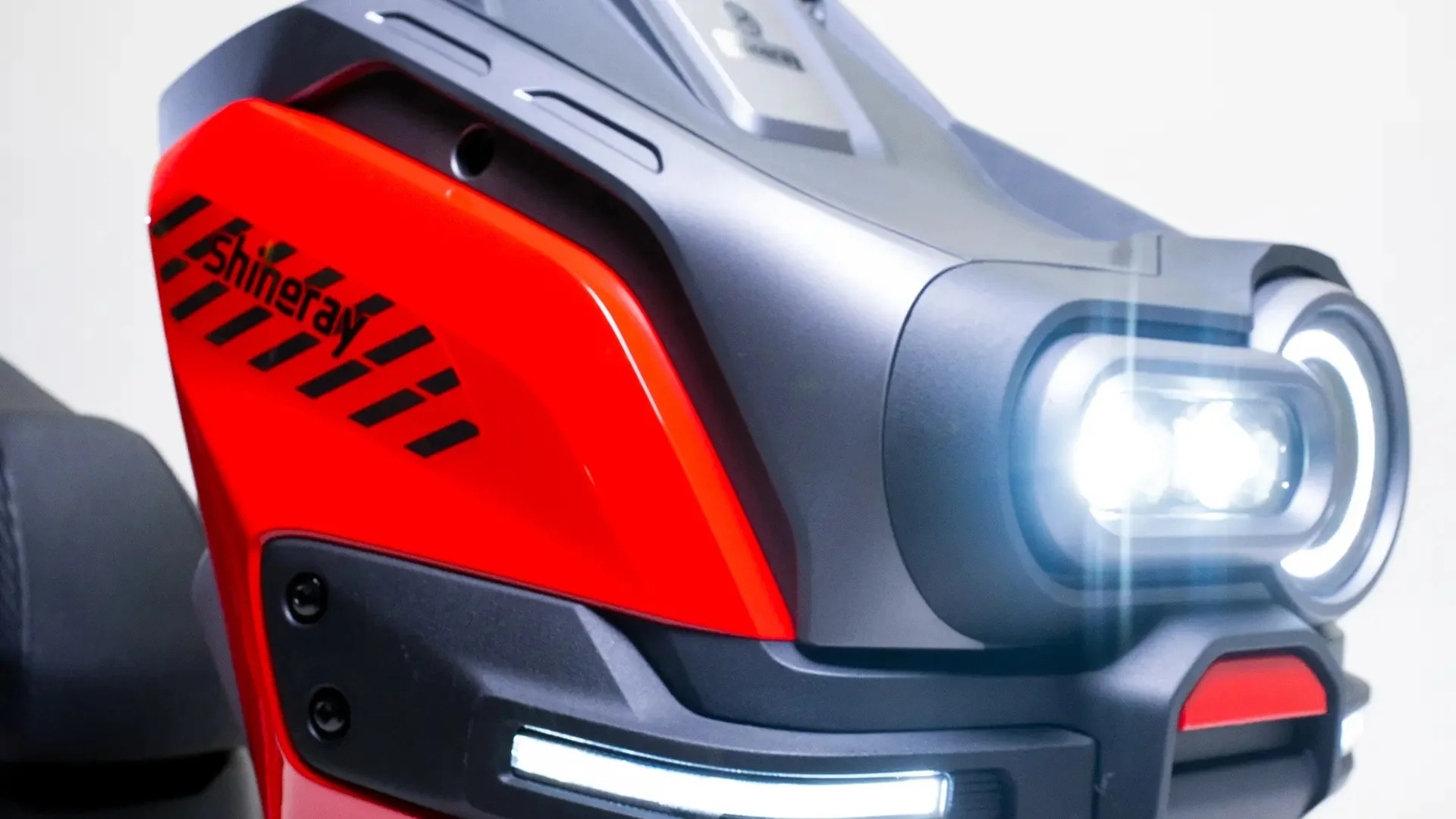
Costing R$ 12,490, the new Shineray Urban Lite 150 “cheap one” arrives in Brazil with a CVT transmission, digital dashboard, and LED lights, making it more affordable than the Biz and targeting those who want to abandon the bus.
-
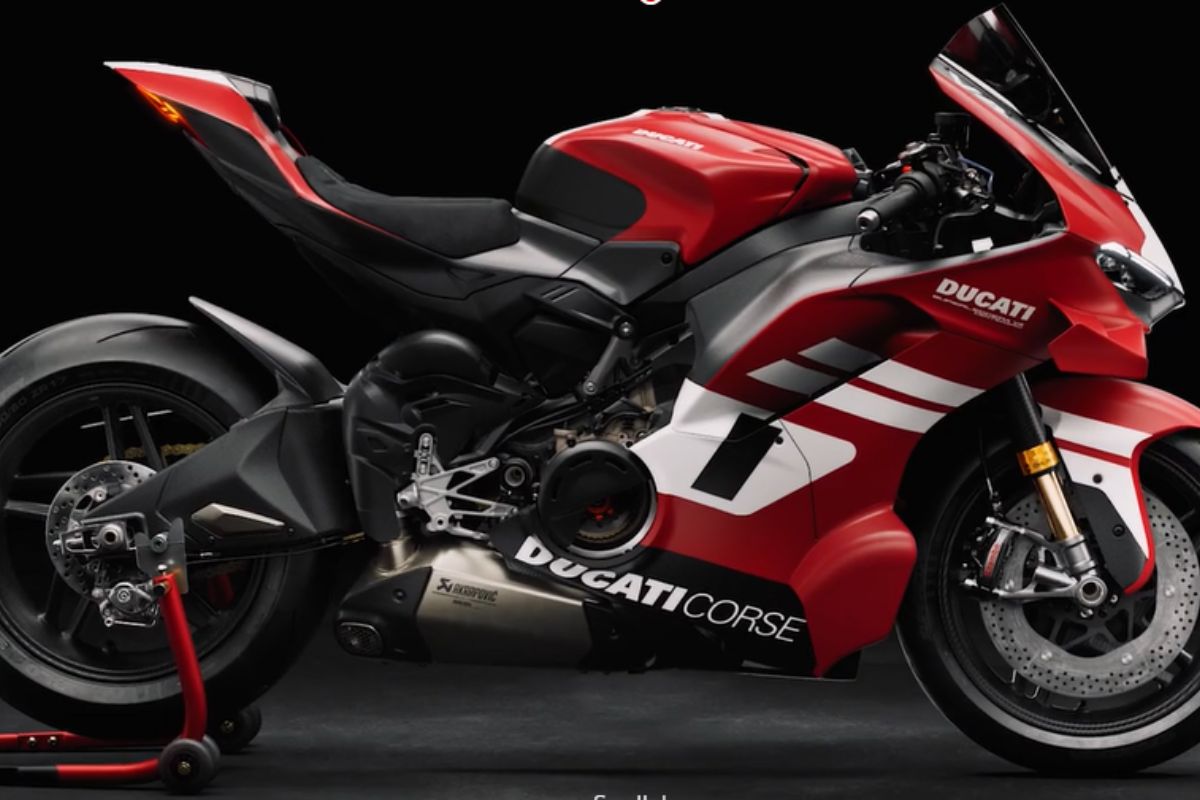
Ducati brings to Brazil the Superleggera V4 Centenario: 228 hp that become 247 with a track kit, carbon fiber and carbon-ceramic brakes, estimated price between R$ 1.5 and 2 million, deliveries only in 2027.
-
Used cars with electric steering for R$ 30,000: check out 5 practical and economical options for everyday use.


In general, these vehicles increased volume in more competitive price ranges, opened space in growing segments, or helped sustain investments in more expensive products.
Porsche and the Volume Strategy with Boxster and Cayenne
In the early 1990s, Porsche was undergoing a period of commercial pressure and needed to reorganize its operation to increase sales and reduce industrial expenses.
The company, according to historical records released by the brand itself, began to prioritize projects with greater scale potential.
In this context, the Boxster, launched in 1996, emerged as a sports car below the 911 in price and positioning, with engineering solutions that allowed for cost dilution.

In institutional publications, Porsche relates the model to the economic recovery of that period.
After that, a second move expanded revenue generation capacity: the entry into the SUV segment.
Launched in 2002, the Cayenne faced resistance from part of the more traditional audience, but the strategy aimed at a larger market.
Porsche itself describes the commercial performance of the SUV as relevant to the company’s expansion and profitability.
With more resources, the brand was able to sustain investments and expand its product range, according to the same corporate sources that recount the company’s trajectory at the turn of the 1990s into the 2000s.
Peugeot 205 and the Financial Recovery of the French Brand
The crisis faced by Peugeot in the 1980s was linked, among other factors, to the cost of integrating acquisitions made in the previous decade, such as Chrysler Europe.
The operation added assets and also financial commitments, which pressured results during a period of changes in the European market.
The Peugeot 205 was introduced in February 1983 and, in the following years, gained traction as a compact aimed at the general public.

The model combined urban dimensions with a proposal aligned to the center of the market on the continent, which favored volume.
International press analyses about the group’s history cite the 205 as an important component to reverse the phase of losses and provide time for internal reorganizations.
The reading is that the car’s performance helped stabilize the company at a moment of high vulnerability.
Beyond the effect on sales, the 205 also played a role in reshaping the image and maintaining the brand’s competitiveness during that period, according to these historical reconstructions.
Nissan Qashqai and the Popularization of the Urban Crossover
The rise of SUVs and crossovers changed the European market beginning in the 2000s, and the Nissan Qashqai frequently appears in analyses about this shift.

The model was presented at the Paris Motor Show in 2006 and began to be sold in 2007.
The bet was to offer a vehicle with the appearance and driving position of an SUV, but with dimensions and drivability close to those of a passenger car.
The proposal responded to an urban consumer and sought to open space in a format that was still not well established at the time.
Materials released by Nissan in Europe treat the Qashqai as a central launch in the regional strategy.
Part of the specialized press also attributes to the model influence in the popularization of the urban crossover concept, citing its volume and reach across the continent.
With this traction, Nissan maintained production and commercial presence in highly competitive European markets, according to the way the company itself describes the trajectory of the car and how the sector press contextualizes the period.
Chevrolet Agile and the Importance of the Brazilian Operation During the 2008 Crisis
The global financial crisis of 2008 led General Motors to a restructuring process, including support from the U.S. government and asset review.
While the headquarters reorganized operations, subsidiaries in other markets sought to preserve launches and participation in higher volume segments.
In Brazil, the Chevrolet Agile was launched in 2009, within the so-called “Project Viva,” as part of the effort to renew compact cars.

The model was developed to meet local market demands at that time, focusing on industrial costs and competitive positioning.
Institutional reports from GM Brazil during that period describe the Agile as a relevant launch and note that the country held a prominent position among the company’s largest markets.
There are also mentions of recognition and awards received by the car in its debut year, according to corporate documentation.
On the other hand, there is no public proof, in accessible primary sources, that allows us to assert directly that the profitability of the Agile, in isolation, was decisive in preventing a total collapse of GM globally.
What can be confidently maintained is the context of the importance of the Brazilian operation and the continuity of launches amid the corporation’s restructuring.
Aston Martin DB7 and the Scale Increase in the 1990s
The history of Aston Martin includes recurring periods of financial instability, with changes of control and reorganizations.
In the 1990s, under Ford’s umbrella, the company sought to increase scale with a product capable of reaching a larger audience than the low-volume handmade sports cars.
The DB7 was presented in 1993 and went into production in 1994.

Historical records published by Aston Martin itself point to the project as associated with engineering solutions and shared industrial base within the group, in an arrangement that favored costs and timelines.
Institutions dedicated to the brand’s legacy and production records describe the DB7 as the best-selling car of Aston Martin to date, with thousands of units over the cycle.
This volume, according to these sources, helped sustain the company and establish a design language that would influence subsequent models.








-

Uma pessoa reagiu a isso.