





 Portuguese
  English
  Spanish
  4 min of reading
  0 comments


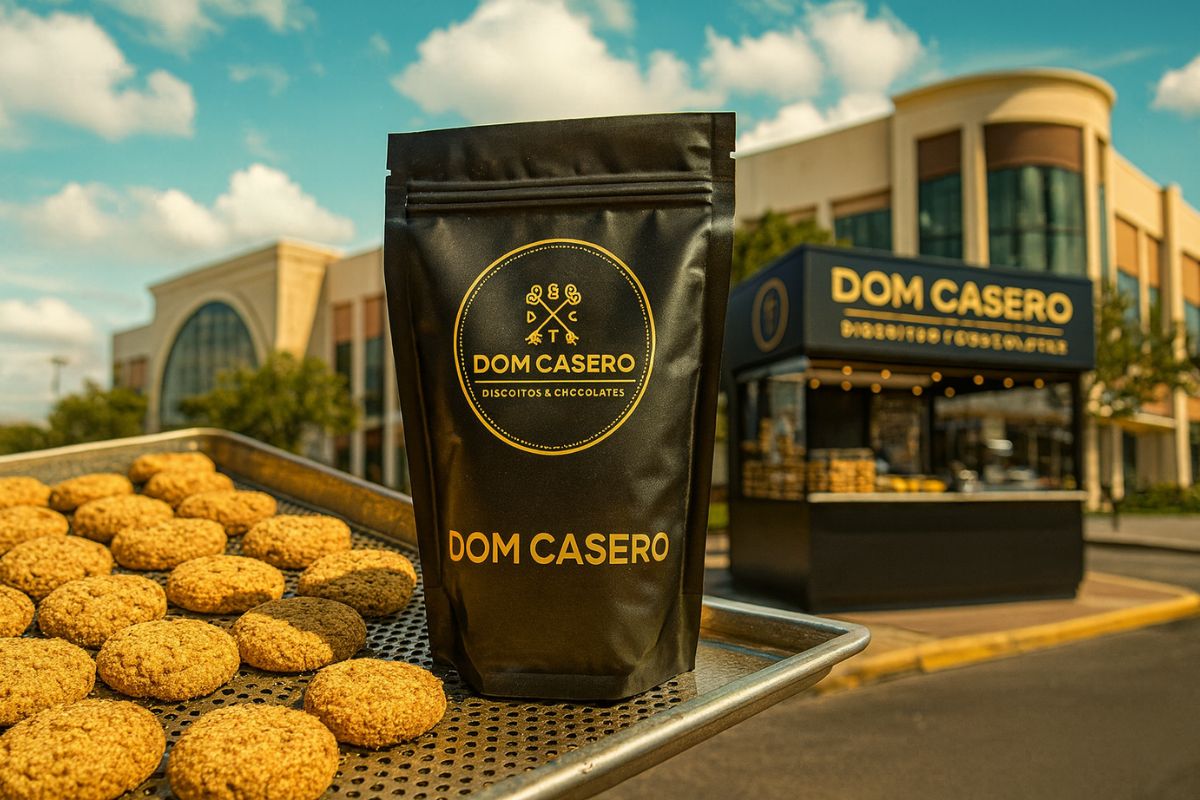
Dom Casero: The True Story of How a Handmade Cookie Became a Million-Dollar Brand with 21 Kiosks and 6,000 Franchise Prospects
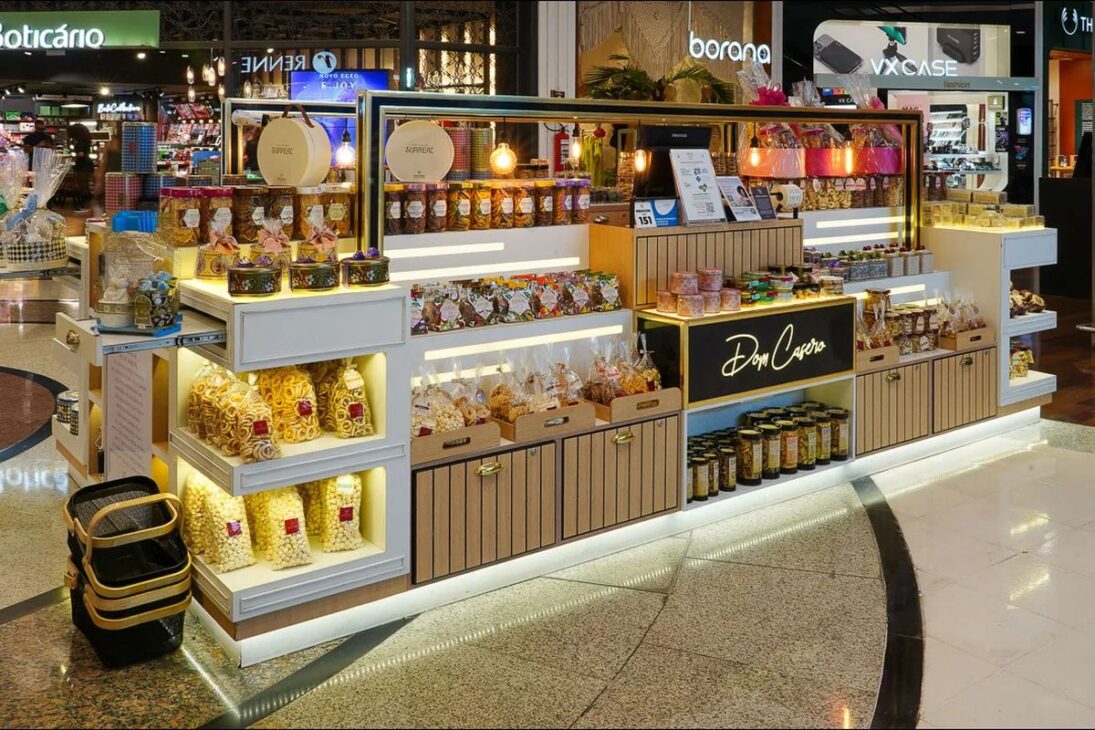
Dom Casero transformed a simple family recipe into a business that now has 21 kiosks spread across shopping malls in Brasília, Rio de Janeiro, and São Paulo. Founded in Recife, the brand has built a trajectory of accelerated growth, combining artisanal tradition, professional management, and a retail concept that turned the act of buying cookies into a sensory and emotional experience.
According to the UOL portal, Dom Casero reached a significant milestone in the food retail sector by employing up to 300 people during peak demand periods and recording a 55% increase in revenue in 2025. The success of the company lies in the combination of three pillars that support the business: flavor, experience, and emotional memory—a tripod that, according to the partners, was essential to captivate the audience and consolidate an unprecedented model of premium cookies within shopping centers.
The Birth of the Brand and the Power of Direct Experience

The story began in the kitchen of Dona Dayse in Recife, with traditional family recipes. The leap came when Tatiane Freitas and the other partners decided to test the product at local fairs in Taguatinga, where they realized the power of emotional connection with the audience.
-
China alone accounts for 70% of trade within the BRICS, while Brazil establishes itself as an essential supplier of food and minerals: understand how the group, which already represents nearly 40% of the world’s GDP, is changing the game.

-
Starting in May, those who do not have registered biometrics will not be able to apply for Bolsa Família, sickness benefits, or unemployment insurance: understand the new rule that changes access to benefits for millions of Brazilians.

-
A new law being voted on in Brazil proposes a minimum fare of R$ 10 per trip and R$ 2.50 per kilometer for Uber and 99 drivers, and promises to ensure they earn as well as taxi drivers did during the golden age of taxis in the country.

-
Bauer Group collapses after failed judicial recovery: 25 years, 800 vehicles, and a network of gas stations leave a debt of R$ 50 million and 100 layoffs, exposing costs, tight margins, and expensive credit in Brazil.

“The game changed when we saw people’s reactions to tasting our cookies. It was more than flavor; it was memory and emotion,” says Tatiane.
From that discovery, Dom Casero structured a business model that prioritizes human contact and visual enchantment.
Each kiosk was designed to convey the feeling of a gift—a handmade product, carefully packaged and loaded with meaning. This combination made the brand stand out in a competitive market by proposing a new type of consumption: that of emotional memory as a product of value.
Growth Based on Method and Professional Management
The growth of Dom Casero was built on solid foundations. The company implemented its own excellence method, ensuring that each unit follows strict standards of quality, service, and presentation.
Denis Carvalho, one of the partners, explains that the secret to expansion lies in complete control over the processes, from production to customer experience.
The factory in Brasília became the operational center of the brand, with the capacity to produce up to 2.5 tons of cookies per day during peak periods.
The portfolio reaches 160,000 items sold during seasonal dates, such as Christmas and Easter, periods when the brand consolidates itself as a reference in gourmet gifts.
“Every detail, from flavor to delivery, needs to reflect who we are. That’s what maintains our identity and builds customer loyalty,” highlights Carvalho.
The Economic Impact and the Future of the Expansion Model
With an operation that already generates hundreds of direct and indirect jobs, Dom Casero reinforces the role of small and medium enterprises in the Brazilian economy, especially in the segment of artisanal foods and consumption experiences.
The brand proves that it is possible to scale a business based on affection and quality, without compromising authenticity.
The company’s next step is expansion through franchises. More than 6,000 interested parties have already expressed a desire to operate units of the brand, but the partners adopt a cautious approach.
The plan is to grow without losing control over flavor, service, and purpose, pillars that have defined the DNA of Dom Casero since its foundation.
The Symbolic Value of Cookies and the Power of Memory


The success of Dom Casero goes beyond confectionery. The brand positions itself as a vector of affection, belonging, and memory, elements that transform a simple product into a symbolic gesture.
Seasonal collections such as those for Mother’s Day, Christmas, and Easter reinforce this connection, turning cookies into gifts capable of evoking emotions.
“We want each cookie to be a gesture of affection. We don’t just sell sweets; we sell stories that linger,” summarizes Tatiane Freitas.
This humanized vision, combined with structured management and a strategic outlook on retail, has consolidated Dom Casero as one of the national references in premium artisanal products.
Do you believe that brands based on affection and tradition have more strength to grow in modern retail than purely industrial models?









Seja o primeiro a reagir!