





 Portuguese
  English
  Spanish
  4 min of reading
  0 comments


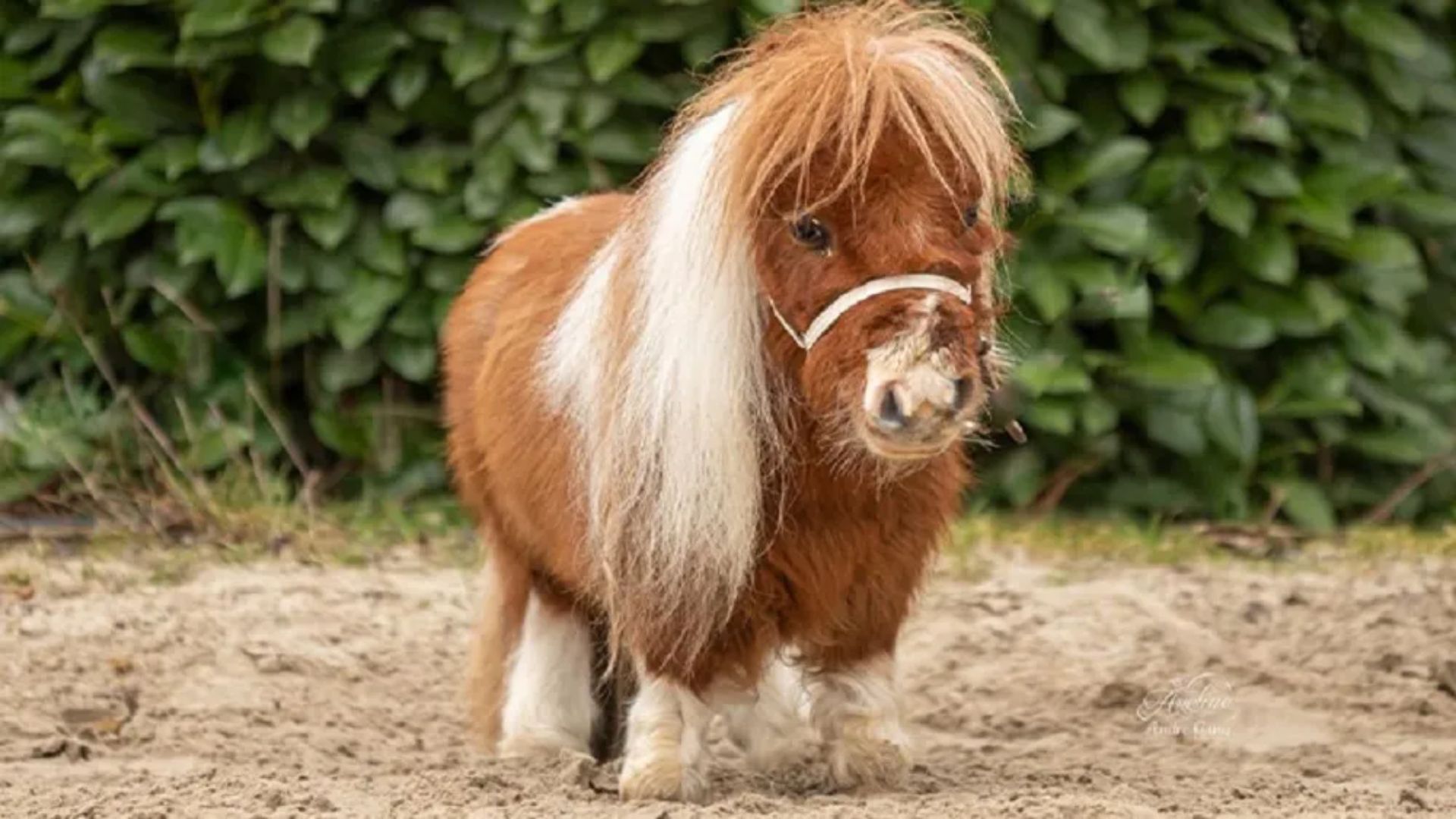
The Agro Sector Is Experiencing One of Its Most Surprising and Challenging Phases in Recent Years, with the Rise of Pests, Record Wild Boar Slaughter, Reports of Abandonment of Nearly 9,000 Cattle, and the Recognition of the World’s Smallest Living Horse, an Animal the Size of a Dog That Gained International Attention and Raised Debates About Management, Welfare, and the Future of Rural Production
The week in Brazilian and international agriculture brought impressive, curious, and concerning facts that highlight the plurality and intensity of rural life. While Brazil records alarming numbers of wild boar slaughter and faces severe cases of cattle abandonment, Germany celebrates the new record holder for the world’s smallest horse, an equine so small it could easily be mistaken for a domestic dog. These events, while distinct, form a mosaic of challenges and surprises in modern agribusiness.
Record of Bad News: 511,000 Wild Boars Slaughtered in 2025, but the Problem Grows

The growing invasion of wild boars in Brazil has reached unprecedented proportions in 2025. According to data released by the Wildlife Management Information System, operated by IBAMA, more than 511,000 wild boars were slaughtered between January and August, establishing a new historical record for the control of the species. However, experts claim that, although the numbers appear impressive and encouraging, the control of the pest remains ineffective.
The information was reported by various agricultural outlets, and according to Professor Paulo Bezerra from the University of São Paulo, the real numbers could be five times higher than those recorded officially. The researcher explains that the reports submitted to the system are self-declared, which leads many hunters to omit quantities due to bureaucracy or the time required to fill in the information.
-
The water that almost everyone throws away after cooking potatoes carries nutrients released during the preparation and can be reused to help in the development of plants when used correctly at the base of gardens and pots, at no additional cost and without changing the routine.

-
The sea water temperature rose from 28 to 34 degrees in Santa Catarina and killed up to 90% of the oysters: producers who planted over 1 million seeds lost practically everything and say that if it happens again, production is doomed to end.

-
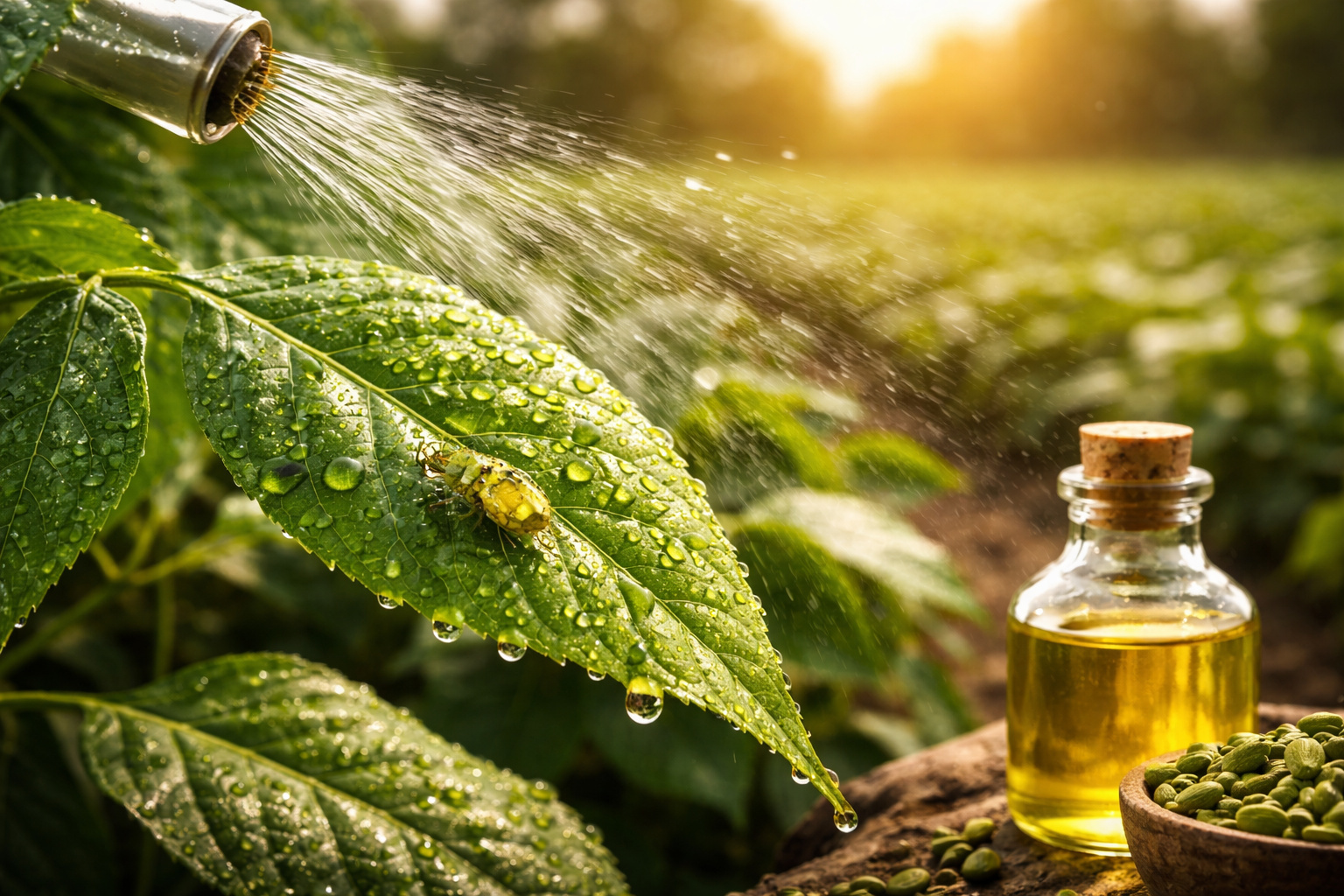
An Indian tree that grows in the Brazilian Northeast produces an oil capable of acting against more than 200 species of pests and interrupting the insect cycle, gaining ground as a natural alternative in soybean, cotton, and vegetable crops.
-
The rise in oil prices in the Middle East is already affecting Brazilian sugar: mills in the Central-South are seeing their margins shrink just as ethanol gains strength.


Furthermore, the damages are widely reported by rural producers and environmentalists, especially in Mato Grosso do Sul, where crops of corn, soybeans, sugarcane, and pastures continue to be destroyed by the displacement and feeding of the animals. In addition to economic losses, concerns include serious sanitary risks, such as the transmission of diseases capable of directly affecting production chains in Brazilian agribusiness.
This scenario shows that, even with historical slaughter numbers, the pest continues to expand and cause harm, raising national discussions about legislation, modern management, and new containment strategies.
The World’s Smallest Horse: 52.6 cm and a Temperament That Became Global News
While Brazil faces wild boars, the world is watching a rare phenomenon in Germany. An equine named Pumuckel, measuring only 52.6 cm tall, has been officially recognized by the Guinness World Records as the smallest living horse on the planet. According to the Guinness website, the animal arrived at the rural property where it lives in 2020, when it was five months old and measured about 45 cm.
The official measurement also revealed that Pumuckel is 4 cm shorter than the previous record holder, marking a milestone in the history of records related to the rural world. However, what stands out the most is the role the little horse plays: it is trained for emotional support, making visits to homes for the elderly, schools, and institutions for people with disabilities, charming different audiences with its docility and small stature.
According to the caretaker, the diminutive size is not the result of genetically directed breeding, but rather a rare natural characteristic. The international notoriety has also brought visibility to actions of social inclusion and equine-assisted therapy, showing that the countryside can have an impact beyond production and the economy.
Crisis in Mato Grosso do Sul: Almost 9,000 Cattle Abandoned on the Brink of Death

If the celebration of the world record brings lightness to the rural scene, Brazil also faces an extremely severe case involving mistreatment and massive abandonment of animals. The Public Prosecutor’s Office opened an investigation into reports involving more than 8,800 abandoned cattle on rural properties in Paraíso das Águas, in Mato Grosso do Sul.
According to the initial investigation, the owner was fined over R$ 9 million after a joint inspection by the Environmental Military Police and IAGRO, which found animals in severe states of malnutrition, with low body scores and evident signs of weakness. The pastures were completely deteriorated, with vast areas of exposed soil and insufficient vegetation to sustain the herd.
Additionally, 27 decomposing carcasses were found in different areas, indicating that mortality had been occurring for several weeks. The producer was notified and has five days to provide adequate feed for the herd, under the penalty of new sanctions prescribed by federal decree, which could reach R$ 1 million in fines if legal directives are not followed.









-

-

-

5 pessoas reagiram a isso.