





 Portuguese
  English
  Spanish
  3 min of reading
  0 comments


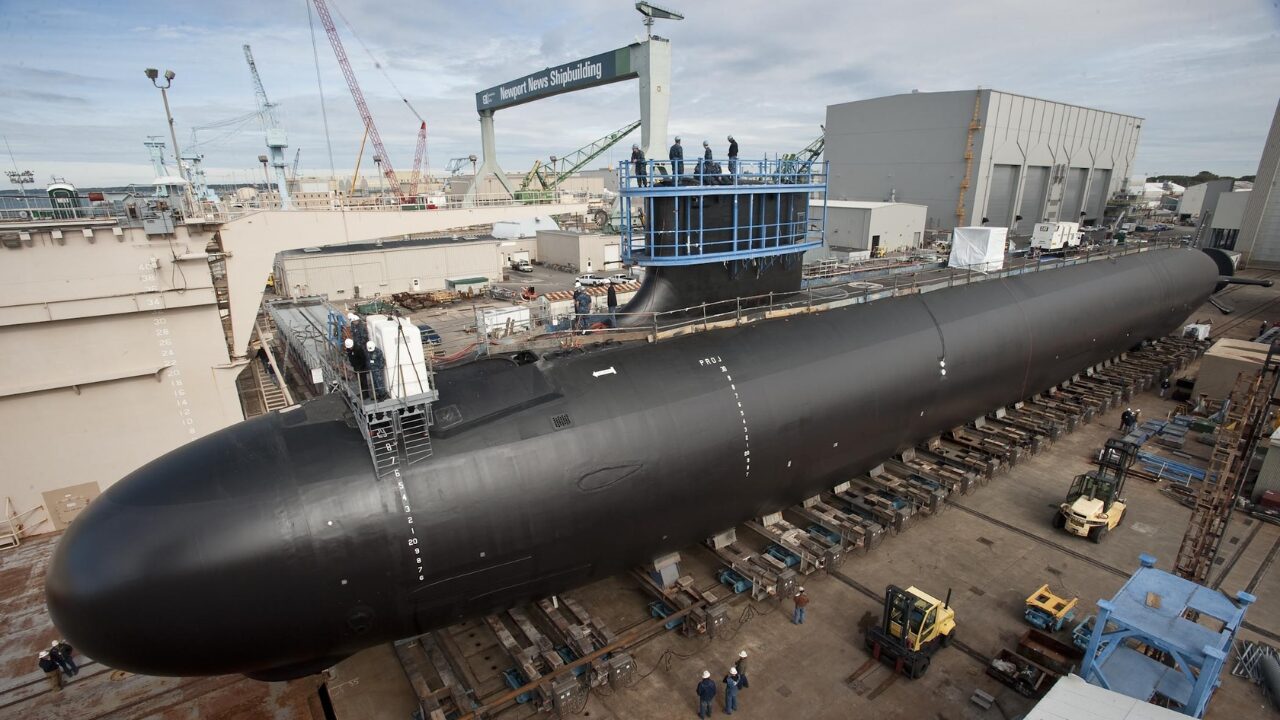
General Dynamics Electric Boat Secures $12.4 Billion Contract to Build Virginia-Class Submarines, Reinforcing Its Leadership in the Naval Industry and U.S. Defense.
General Dynamics Electric Boat has taken an important step in strengthening national defense by securing contract modifications worth $12.4 billion for the construction of two Virginia-class submarines in fiscal year 2024.
The agreement, announced on April 30, also includes investments to optimize productivity and enhance workforce training at the shipyards. If all options are exercised, the contract could reach a total value of $17.2 billion.
Headquartered in Groton, Connecticut, General Dynamics Electric Boat is the leading company in the development of Virginia-class nuclear submarines and shares the responsibility of construction with Newport News Shipbuilding of HII, based in Virginia.
-
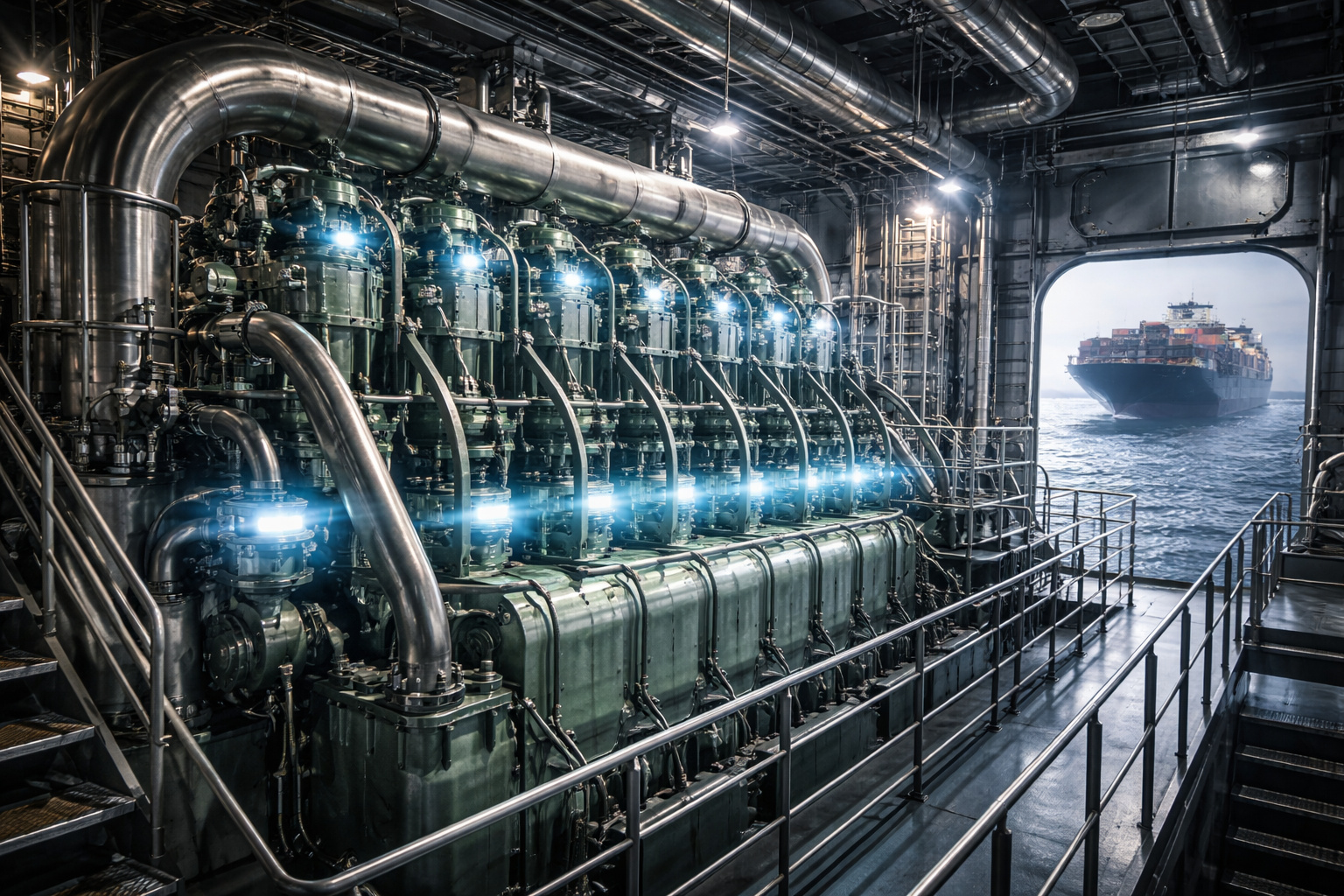
Europe is trying to create an ammonia-powered marine engine without auxiliary fuel, which could unlock the race for giant emission-free ships. The technology aims to eliminate one of the biggest obstacles to clean maritime propulsion.
-
A 4,500-ton frigate with just over 100 crew members, state-of-the-art radar, and cruise missiles is being touted as the new standard of naval warfare in the 21st century.

-
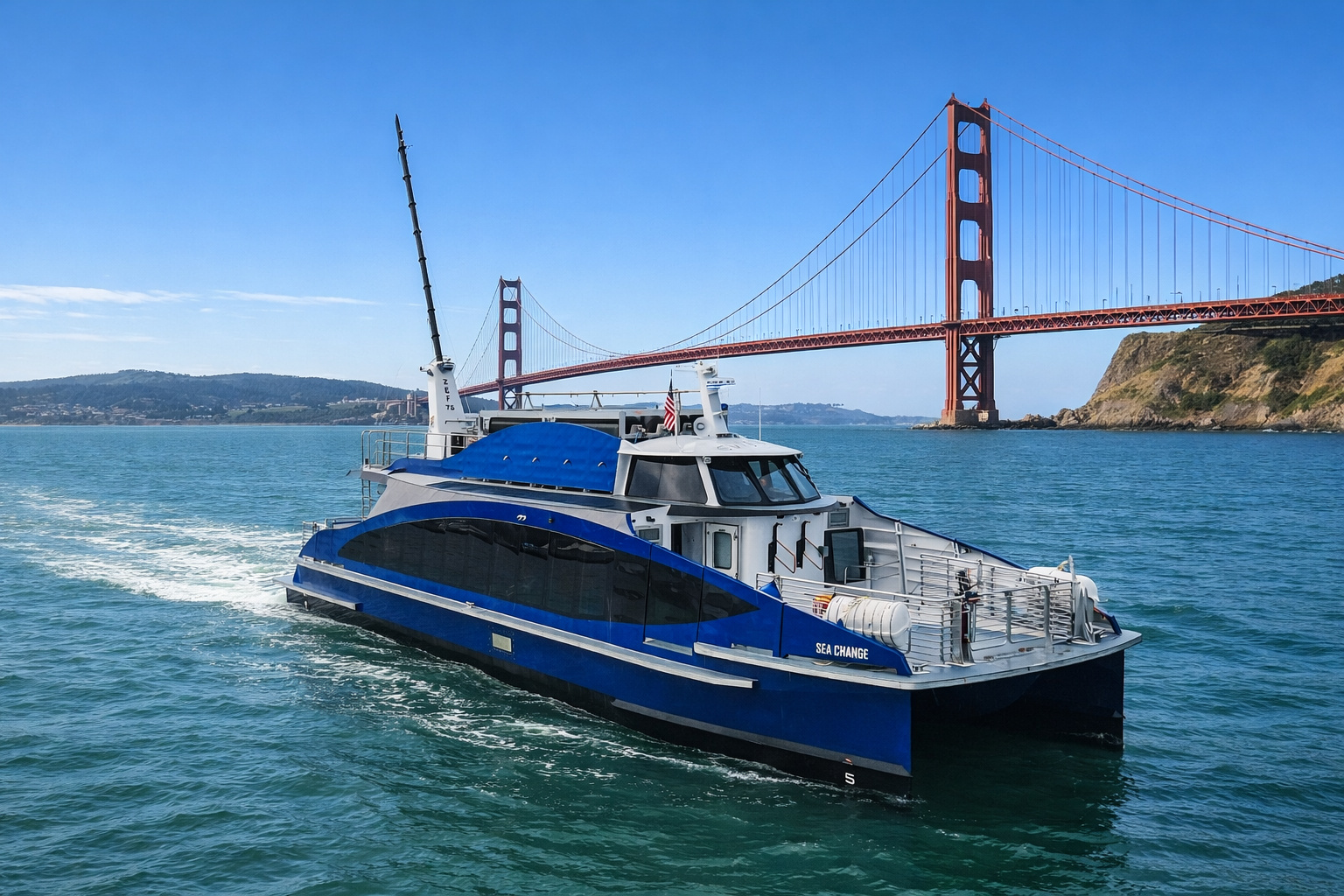
The first commercial hydrogen-powered ferry enters operation in the U.S., eliminates the use of diesel, uses fuel cells to generate clean energy on board, and transforms San Francisco Bay into a landmark of the new era of emission-free navigation.
-
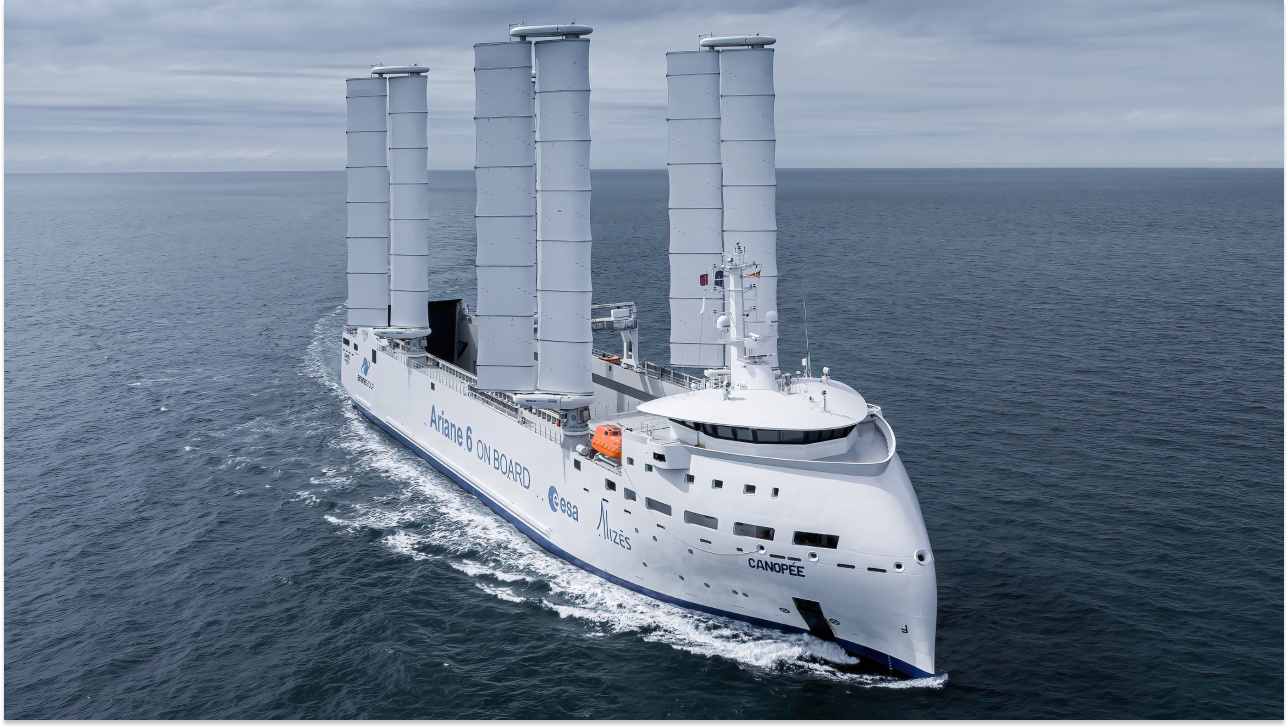
With a length of 121 meters and four rigid sails of 36 meters that automatically rotate to capture the wind, Canopée is the world’s first hybrid industrial cargo ship powered by wind, used to transport rockets and reduce fuel consumption by up to 30% on transoceanic routes.

Modern Submarines for a New Era of Defense
Virginia-class submarines are designed to meet a wide range of modern missions, including anti-submarine warfare, strikes against surface ships, and direct support for special operations. They are considered essential for the U.S. Navy’s 21st-century strategy.
The contract modification highlights the critical role that submarines and their builders play in the national defense of the United States, stated Mark Rayha, president of General Dynamics Electric Boat.
The construction of the new submarines involves cutting-edge technology and precision engineering, maintaining the standard of excellence required by the U.S. Navy.
Bet on Expansion and Workforce Qualification
Part of the contract funds will be allocated to improving productivity at the shipyards and strengthening the workforce involved in the submarine construction process.
The company, which employs over 24,000 people, reaffirms its commitment to maintaining a highly skilled and competitive team with this investment.
In addition to constructing Virginia-class submarines, General Dynamics Electric Boat also engages in the repair and modernization of other nuclear vessels, solidifying its role as a leading provider of advanced naval solutions for U.S. defense.
Solid Financial Performance Boosts Confidence in the Sector
General Dynamics, the parent company of Electric Boat, ended the year 2024 with revenue of $47.7 billion.
In the first quarter of 2025, the company has already shown significant growth, with earnings per share (EPS) of $3.66 — above consensus expectations — and total revenue of $12.2 billion, representing an increase of nearly 14% compared to the same period last year.
The Aerospace segment also stood out, with revenue growth of 45.2%, driven by the certification of the Gulfstream G800 executive jet and a 50% increase in aircraft deliveries.
Market Sees Optimism Despite Uncertainties
Market analysts, such as those from InvestingPro, remain optimistic about the future of General Dynamics Electric Boat and its parent company. With a portfolio of contracts and orders valued at $141 billion, the company remains a powerhouse in the defense and aerospace sector.
RBC Capital Markets, while maintaining a cautious stance due to potential budget cuts and tariffs, recognizes the potential for positive revisions in the company’s projections for the second quarter of 2025.









Seja o primeiro a reagir!