





 Portuguese
  English
  Spanish
  5 min of reading


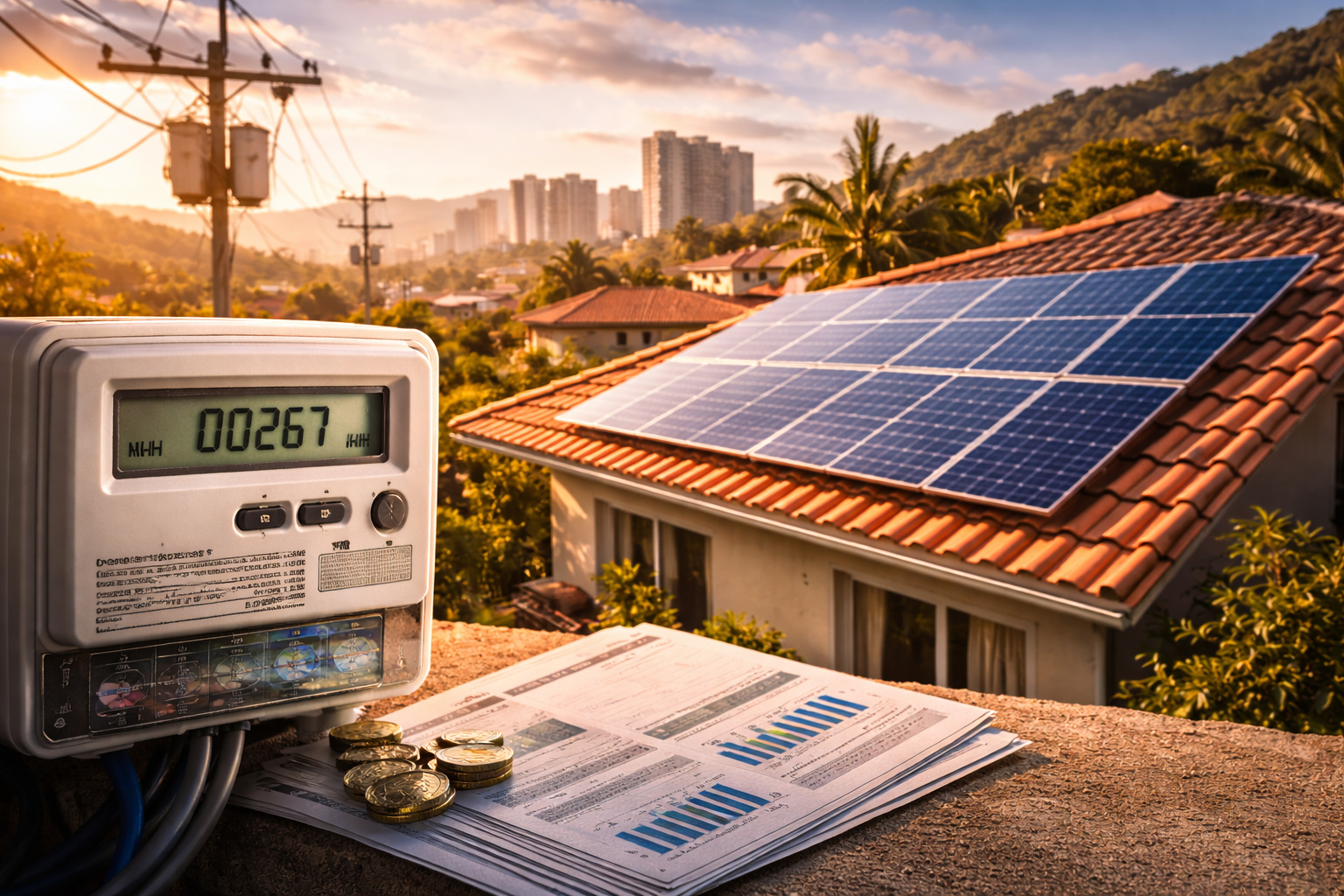
The solar energy in Brazil will undergo a significant change starting in January 2026, when a new stage of billing, as provided for in the sector’s legal framework, comes into effect. With the advancement of the schedule of Law No. 14,300/2022, known as the Legal Framework for Distributed Generation, consumers who installed approved photovoltaic systems after January 7, 2023 will experience a direct increase in the cost of their own energy generation, due to the expanded charge of the so-called wire B.
Although solar energy remains an economically advantageous alternative in the long run, the new model reduces some of the credits offset in the electricity bill. Thus, the debate about costs, return on investment, and regulatory rules gains even more importance.
What Is Wire B and Why It Impacts Solar Energy
Wire B represents the portion of the energy tariff designated to compensate the distribution network. In other words, it is the cost for using the distributors’ infrastructure, such as poles, cables, transformers, and maintenance systems.
-
Brazilians paid R$ 18 billion more for energy from the Itaipu plant, reflecting a direct impact on tariffs and generating discussions about costs, transparency, and balance in the national electricity sector.

-
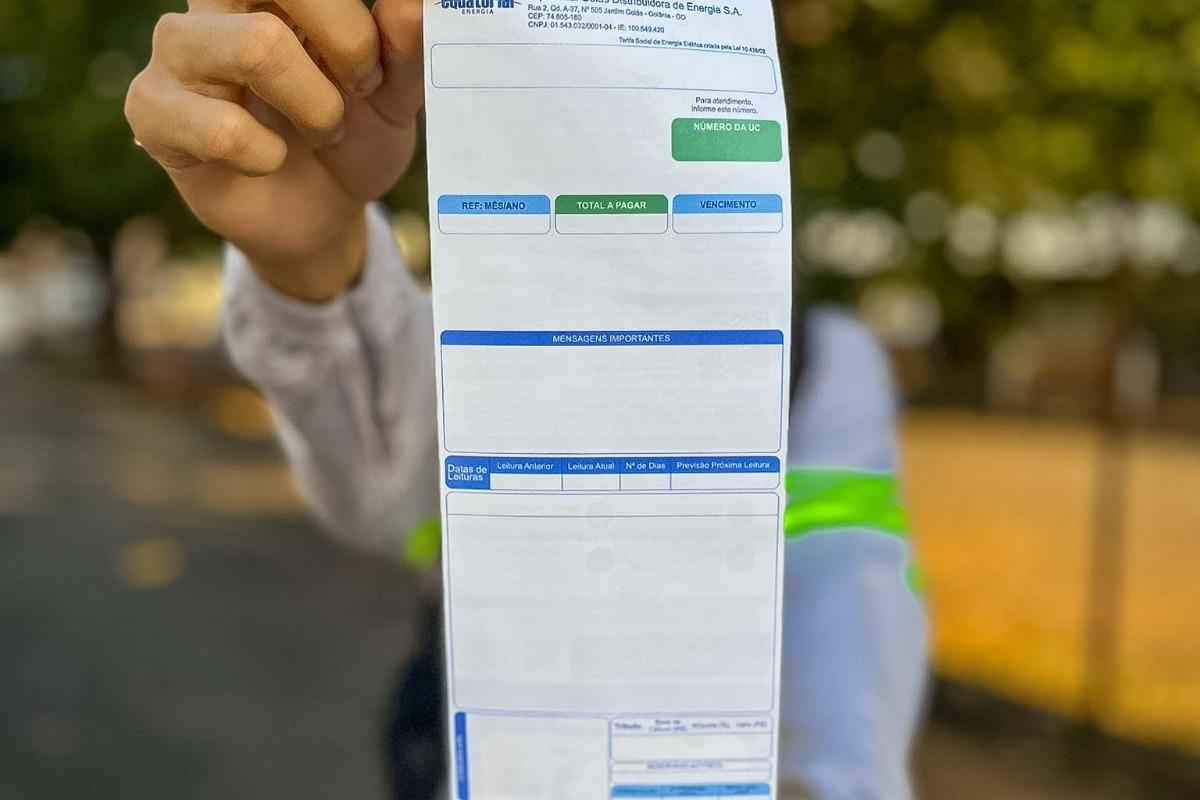
Equatorial adopts new national number for consumer units on electricity bills starting in April, following ANEEL standards and modernizing energy bills in several states.
-
Itaipu Impresses the World: Hydroelectric Plant with 20 Turbines and 14,000 MW Generates Over 2.9 Billion MWh and Leads Global Clean Energy Production

-
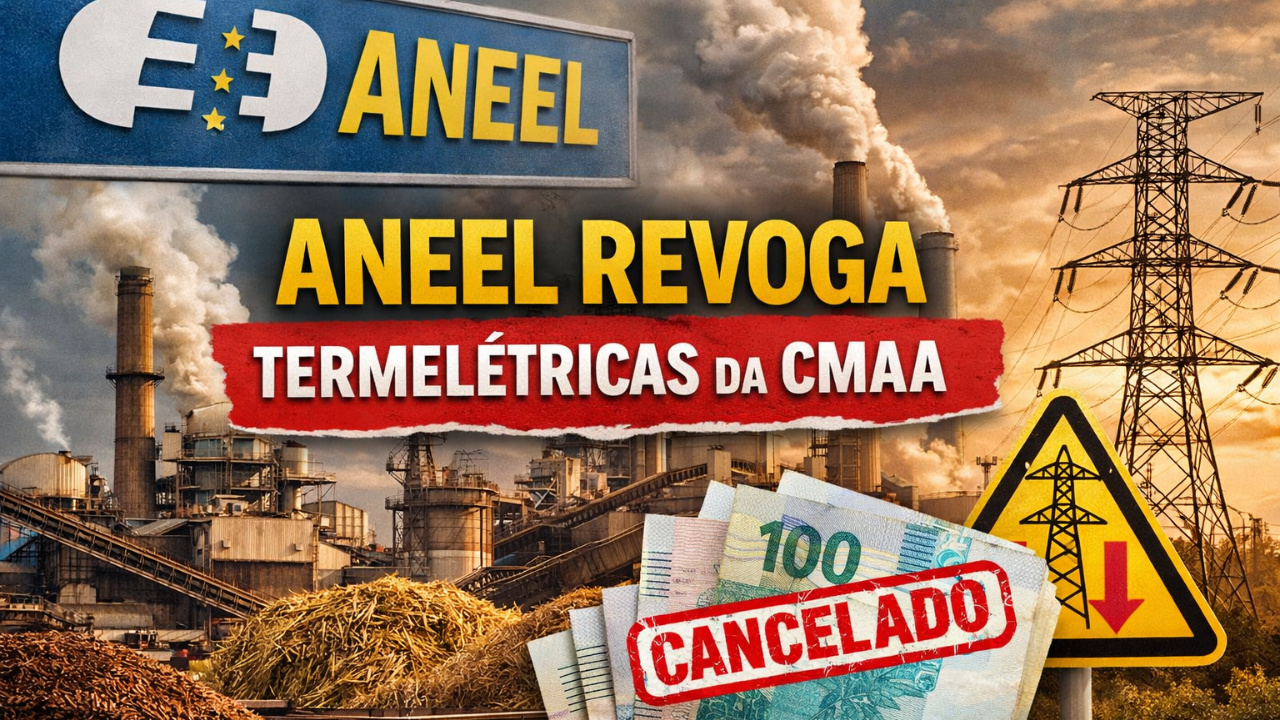
Aneel Revokes CMAA Thermal Power Plants After Network Restrictions and Excess Energy in the System
Until recently, solar energy consumers connected to the grid compensated for almost all the energy injected without bearing the full cost. However, the legal framework established a gradual transition, precisely to balance the electrical system.
According to the text of Law No. 14,300/2022, the charge for wire B increases gradually over the years. In 2026, this charge reaches a new level, reducing the volume of credits deducted from the bill.
Who Will Be Affected Starting in 2026
The new rule does not affect all consumers equally. According to the government and the regulation of the electricity sector, those who installed photovoltaic systems by January 6, 2023, maintain more advantageous rules, with greater predictability of compensation.
On the other hand, consumers who approved their systems after January 7, 2023 will join the transition regime. This group will feel, starting in 2026, the most evident impact of the charge for wire B.
Thus, the cost of generated energy will increase, even though the electricity produced remains clean and renewable.
Why the Cost of Solar Generation Is Changing
The rapid growth of distributed solar energy has brought environmental and economic benefits. However, it has also created challenges for the electrical system.
According to the federal government, the expansion of distributed generation requires constant maintenance of the network, which continues to be used by solar consumers. Therefore, the charge for wire B seeks to distribute these costs more equitably.
Thus, solar energy is no longer entirely exempt from paying for the infrastructure. The declared goal is to ensure economic sustainability for the electricity system as a whole.
The Direct Impact on the Electricity Bill
In practice, solar energy consumers will notice fewer credits offset in the bill. This means that part of the energy injected into the grid will not be fully deducted.
Still, it is important to highlight that the electricity bill is likely to remain lower than that of consumers without their own generation. The increase does not eliminate the benefits but reduces the monthly savings.
According to experts in the electricity sector, the return on investment in solar energy may extend, but it remains positive, especially in regions with high solar incidence.
Solar Energy and Regulatory Predictability
The Legal Framework for Distributed Generation was created precisely to offer predictability. Before Law No. 14,300/2022, the sector was under constant risk of abrupt changes.
With the new model, the government established a clear schedule. Thus, consumers and businesses can plan investments with greater security.
According to official government communications, the intention is not to discourage solar energy, but to integrate it more equitably into the national electricity system.
The Historical Context of Distributed Generation in Brazil
Distributed generation began to gain momentum in Brazil in the 2010s, fueled by falling prices of solar panels and rising conventional energy tariffs.
Over the years, millions of consumers have adopted the model. This transformed the profile of the Brazilian electricity sector, which now has thousands of small energy producers.
In this context, the creation of the legal framework emerges as a response to the maturity of the sector. The increase in wire B reflects this new phase, where solar energy is no longer an exception and begins to be structurally integrated into the system.
What Changes in Consumer Planning
With the new charge, consumers need to evaluate the sizing of photovoltaic systems more carefully. The focus tends to shift to self-consumption, that is, using the energy generated at the moment of production.
Additionally, solutions such as batteries and energy management systems gain relevance. These technologies help to reduce dependency on compensation from the grid.
Thus, solar energy evolves to a more efficient model aligned with the new rules.
Is Solar Energy Still Advantageous?
Even with the increase in wire B, experts agree that solar energy remains competitive. The cost of conventional electricity remains high, and the predictability of self-generation still offers protection against future increases.
Moreover, the environmental benefits remain unchanged. Solar energy reduces emissions, decreases pressure on the electrical system, and contributes to the diversification of the energy matrix.
Therefore, the increase in cost does not mean the end of the advantage, but rather an adaptation to a more mature sector.
Official Sources and Chronological Context
According to Law No. 14,300/2022, signed in January 2022, the schedule for billing wire B progresses gradually until 2029. According to the federal government and regulatory bodies in the electricity sector, the stage that comes into effect in January 2026 expands the participation of solar consumers in network costs.
According to information released by energy sector institutions, the change affects only systems approved after January 7, 2023. Others remain under previous rules for a longer period.
Thus, generating solar energy in 2026 will be more expensive, but it will remain a strategic choice. The change marks a new phase for solar energy in Brazil, based on regulatory balance, market maturity, and definitive integration into the national electrical matrix.








-

Uma pessoa reagiu a isso.