





 Portuguese
  English
  Spanish
  3 min of reading
  0 comments


Rumors Indicate Partnership Between Ford and Xiaomi for Electric Vehicle Production in the U.S. Understand the Details of This Possible Joint Venture and the Sector’s Challenges
The landscape of electric mobility may be on the brink of a historic transformation. Recent rumors suggest that Ford and the Chinese tech giant Xiaomi have initiated strategic talks that could redefine the electric vehicle (EV) market. While both companies issued official denials in the last 24 hours, industry sources suggest that the mutual interest is real and reflects the urgency of the Western industry to achieve the production efficiency of China.
A Joint Venture in the United States?
According to preliminary reports, the core of the discussions would involve the creation of a joint venture. This partnership model would allow Xiaomi to utilize Ford‘s manufacturing infrastructure on American soil to circumvent rising trade and tariff barriers. In exchange, the Detroit automaker would gain direct access to Xiaomi’s low-cost software ecosystem and battery technology, elements that have made the SU7 model an overwhelming success in less than a year since its launch.
The possibility of Xiaomi manufacturing vehicles in the United States would be a milestone. Currently, Chinese automakers face import tariffs of up to 100% in the American market. Local production, mediated by Henry Ford’s century-old brand, could serve as the “Trojan horse” that China needs to establish itself in North America.
-
A French brand placed a car on four huge red balloons to prove that its suspension made the vehicle “float,” and the surreal scene became one of the most iconic and unusual images in automotive history.

-
Jeep Avenger begins production in Brazil, debuting as the brand’s new entry-level SUV and inaugurating an unprecedented phase by becoming the first national Jeep manufactured outside of Goiana, as part of a R$ 3 billion plan.
-
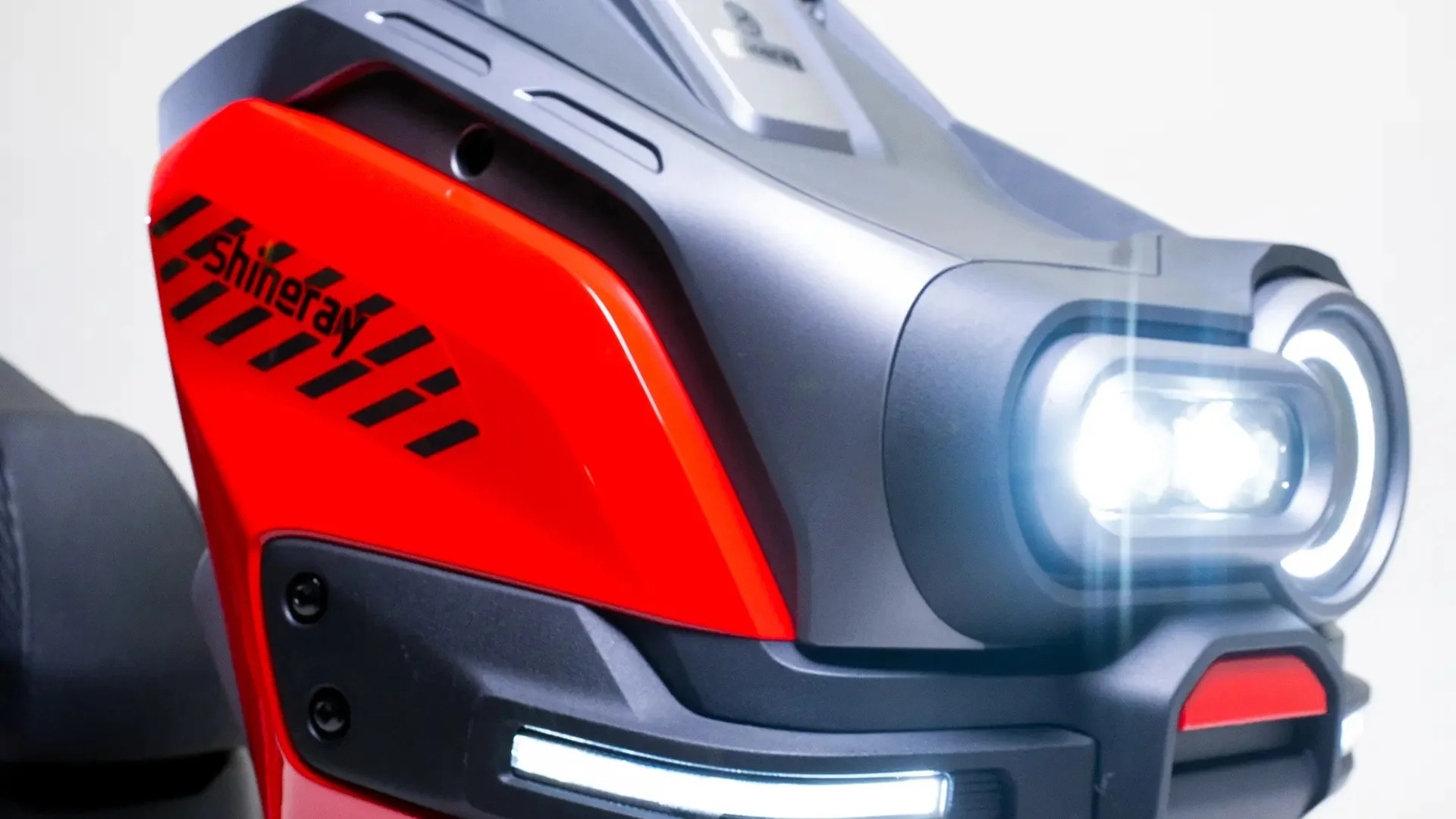
Costing R$ 12,490, the new Shineray Urban Lite 150 “cheap one” arrives in Brazil with a CVT transmission, digital dashboard, and LED lights, making it more affordable than the Biz and targeting those who want to abandon the bus.
-
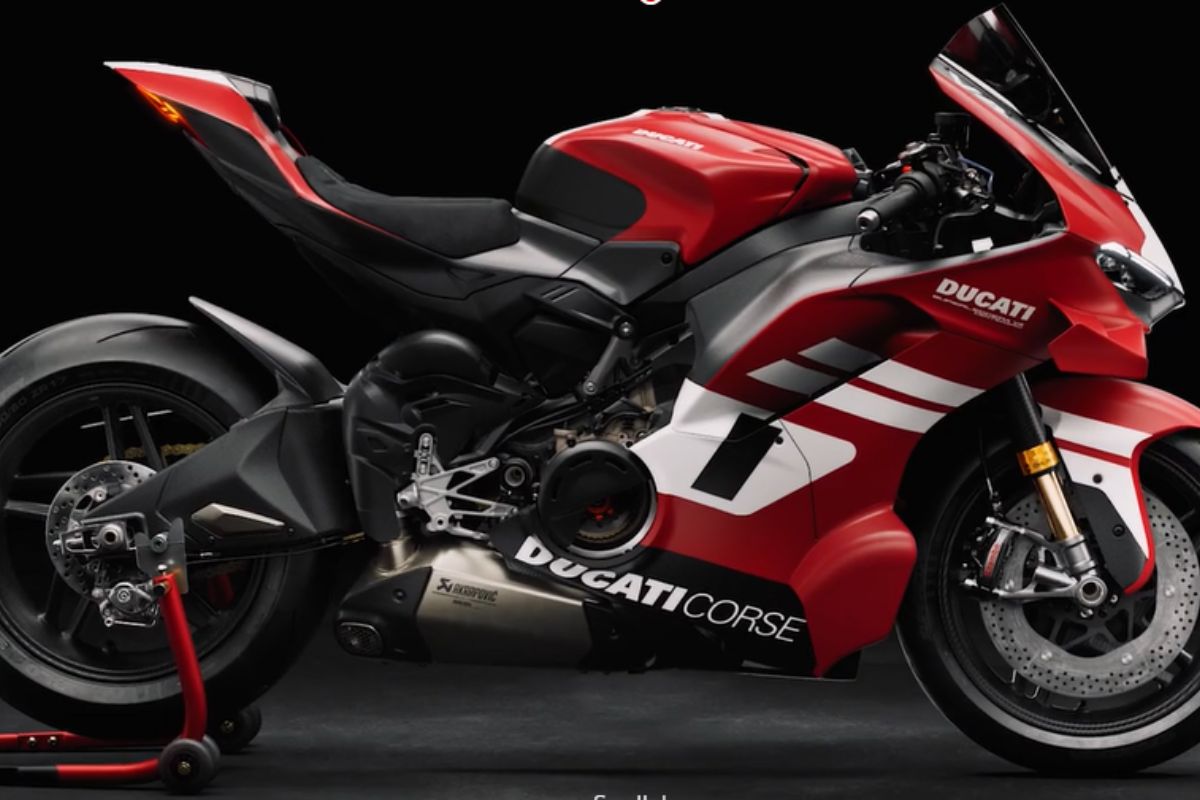
Ducati brings to Brazil the Superleggera V4 Centenario: 228 hp that become 247 with a track kit, carbon fiber and carbon-ceramic brakes, estimated price between R$ 1.5 and 2 million, deliveries only in 2027.


Jim Farley’s Admiration for Chinese EVs
It’s no secret that Ford CEO Jim Farley is an enthusiast of Chinese technological agility. Recently, Farley admitted to spending months driving an imported Xiaomi SU7, describing the experience as “revealing.” He has been an outspoken voice warning that traditional manufacturers are losing the race to Eastern big techs that can develop new models in half the time and at significantly reduced costs.
Ford’s strategy to seek partners like Xiaomi (and previously entertain talks with BYD) signals a paradigm shift. Instead of trying to compete in isolation with China’s cutting-edge algorithms and electronics, Ford may be looking to integrate these systems into its robust chassis, focusing on what each company does best: Ford with manufacturing logistics and Xiaomi with connectivity and user experience.
Geopolitical Challenges and Corporate Denial
Despite the strong denials given to Car and Driver, the market reads these statements with caution. Negotiations of this magnitude involve sensitive issues of national security and intellectual property. Integration of Xiaomi into the American market via Ford would certainly face rigorous scrutiny from the U.S. government, especially concerning data collection and technological sovereignty.
Whether through software collaboration or joint production of new electric models, the connection between Ford and Xiaomi shows that the future of the automobile is no longer just about horsepower, but about processing power and disruptive global partnerships.









Seja o primeiro a reagir!