





 Portuguese
  English
  Spanish
  5 min of reading
  0 comments



Guyana Invests in Diversification of Its Energy Matrix by Preparing New Pipeline and Expanding Use of Natural Gas
The Guyana Invests in Diversification of Its Energy Matrix by preparing the construction of a new pipeline that aims to increase the use of natural gas in the country and reduce exclusive dependence on oil. The initiative is part of a national strategy that seeks to strengthen energy security, encourage industrialization, and ensure greater economic stability.
The South American country gained international attention in recent years after discovering large offshore oil reserves. However, the government is now broadening its focus and betting on natural gas as a key element to consolidate sustainable growth.
In this context, Guyana is investing in the diversification of its energy matrix to create a more balanced base among different energy sources and reduce risks associated with oil market volatility.
-
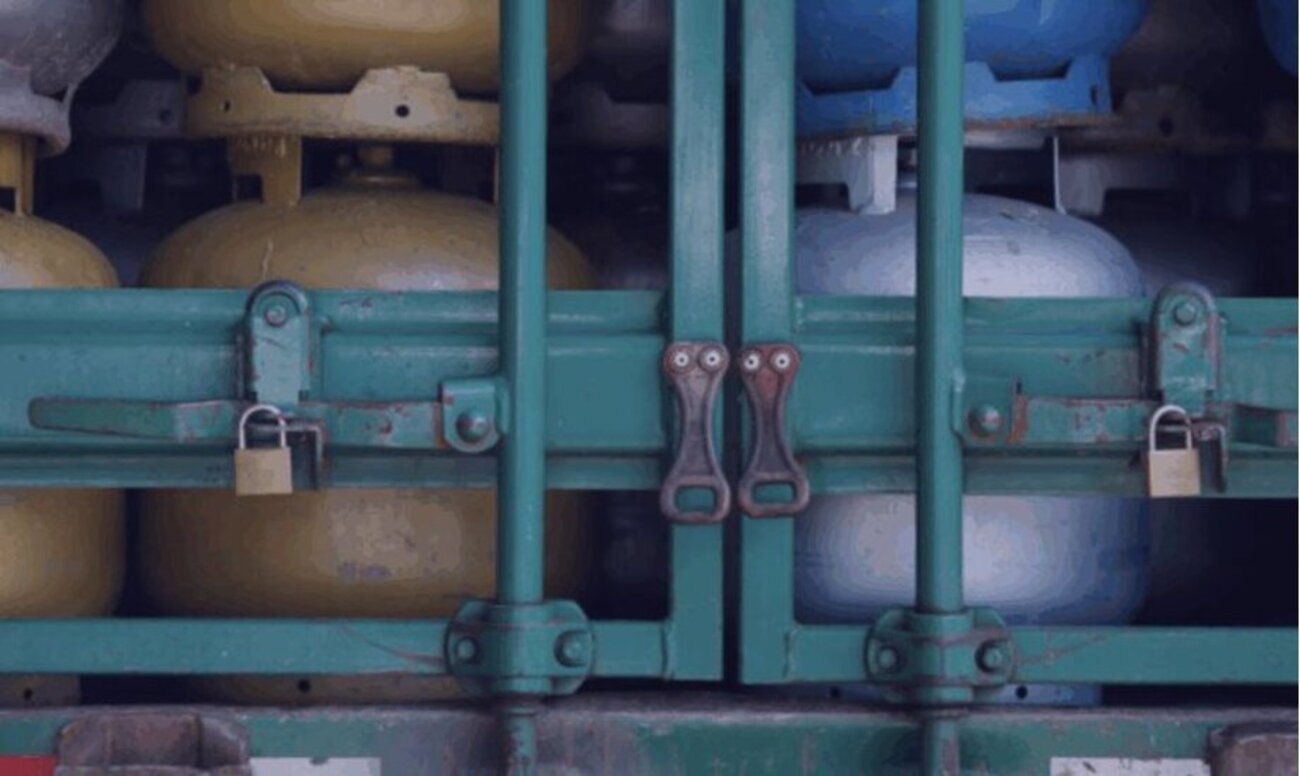
Petrobras evaluates suspension of sales to distributors and considers canceling the cooking gas auction following guidelines from the Federal Government.
-
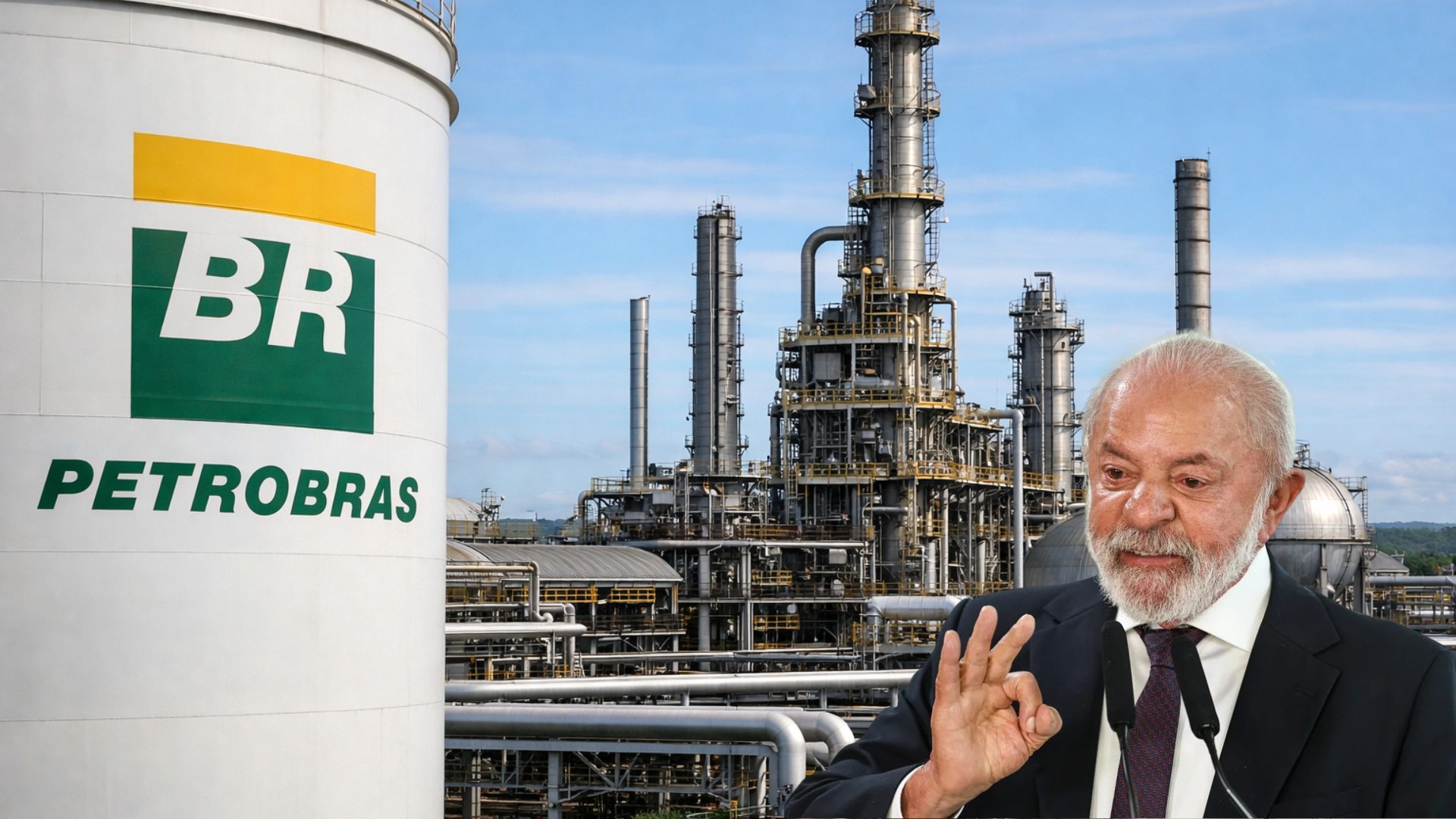
Lula reveals a masterstroke by Petrobras to undo a deal made by Bolsonaro, which involves the return of an important refinery that currently produces less than half of what was expected and makes Brazil dependent on international diesel.
-
A study confirms that the natural gas sector will reduce greenhouse gas emissions in Brazil by 0.5% and accelerate the energy transition by 2026.

-
Petrobras implements a severe adjustment and confirms a 55% increase in the price of aviation kerosene with a proposal for installment payments for the companies.


New Pipeline Expands Energy Infrastructure
The new pipeline project aims to transport natural gas extracted from offshore reserves to onshore facilities. The structure will allow the processing of fuel and direct it for electricity generation and industrial use.
Additionally, the pipeline strengthens national infrastructure by creating a direct connection between offshore production and domestic consumption.
Currently, Guyana’s economy heavily depends on oil. Therefore, investment in natural gas emerges as a strategic alternative to expand the energy matrix.
Meanwhile, the government is working to structure the energy sector with a long-term focus.
Reducing Dependence on Oil: Guyana Invests in Diversification of Its Energy Matrix
Guyana is experiencing one of the fastest economic growths in the world, driven by oil exploration. However, excessive dependence on a single commodity can generate vulnerabilities.
In this scenario, Guyana invests in the diversification of its energy matrix as a way to reduce exposure to international price fluctuations of oil.
Moreover, natural gas presents environmental advantages compared to more polluting fuels. It emits less carbon dioxide in electricity generation.
Thus, the country balances economic growth and environmental responsibility.
Natural Gas as a Driver of Industrialization
The new pipeline can boost industrial sectors that demand constant and cheaper energy.
With access to natural gas, local companies will be able to expand activities, reduce costs, and increase competitiveness.
Additionally, a more stable internal energy supply can attract foreign investors interested in setting up factories and processing centers.
In this context, Guyana invests in the diversification of its energy matrix to create a favorable environment for industrial development.
Meanwhile, the country strengthens its strategic position in South America and the Caribbean.
Energy Security and Economic Stability
Energy diversification also enhances supply security. By utilizing different sources, the country reduces the risks of interruptions.
Furthermore, electricity generation from natural gas can lower internal costs, benefiting consumers and businesses.
Guyana invests in the diversification of its energy matrix as a strategy to consolidate macroeconomic stability.
At the same time, the government seeks to plan oil revenue responsibly, avoiding excessive dependence.
Environmental Impact and Energy Transition
Although natural gas is still a fossil fuel, it has a lower carbon intensity compared to coal and fuel oil.
In this scenario, the new pipeline can contribute to modernizing the country’s energy sector.
Additionally, diversification opens the door for future integration with renewable sources, such as solar and wind.
Guyana invests in the diversification of its energy matrix within a global context that prioritizes emission reduction and energy efficiency.
Meanwhile, international climate discussions emphasize the importance of balanced energy policies.
The strengthening of energy infrastructure can enhance regional integration in the future. Guyana could become an energy supplier or provider of derived products to neighboring countries.
Moreover, the new pipeline symbolizes technological and logistical advancement.
Specialized companies participate in the planning, engineering, and execution of the project, which boosts the local economy.
In this context, Guyana invests in the diversification of its energy matrix while simultaneously developing internal technical capacity.
Management of Oil Revenues
The country has created mechanisms to manage revenues from oil exploration. These resources fund infrastructure projects, including investments in energy.
The strategic application of these funds allows for planning sustainable growth.
Thus, Guyana invests in the diversification of its energy matrix using part of the oil profits to build a more solid economic base.
Moreover, the government seeks to avoid the effects known as the “resource curse,” which affect economies overly dependent on commodities.
Potential for Energy Growth
Experts point out that Guyana still has ample potential to expand its energy infrastructure.
The new pipeline represents just one step in a larger plan.
Guyana invests in the diversification of its energy matrix with a long-term perspective, considering future consumption demands and population growth.
Meanwhile, the country keeps an eye on global energy transition trends and seeks strategic positioning.
Energy as a Pillar of Development
Access to reliable energy directly influences sectors such as health, education, and transportation.
By expanding the supply of natural gas and strengthening electricity generation, the country creates conditions to improve public services and urban infrastructure.
Additionally, reducing energy costs can stimulate small businesses and local entrepreneurship.
Guyana invests in the diversification of its energy matrix with a focus on socioeconomic development.
Guyana Invests in Diversification of Its Energy Matrix: Future Perspectives
The advancement of the pipeline project is expected to consolidate a new phase in the Guianese energy sector.
Additionally, the country may integrate natural gas into combined generation, fertilizers, and petrochemicals projects.
In this scenario, Guyana invests in the diversification of its energy matrix to build a more balanced and resilient base.
Meanwhile, investors are closely monitoring the progress of the works and the associated opportunities.
The decision to expand the use of natural gas demonstrates that the country seeks to move beyond dependence on oil.
Guyana invests in the diversification of its energy matrix as a strategy to strengthen energy security, stimulate industrialization, and ensure sustainable growth.
Moreover, the new pipeline symbolizes an important step in consolidating a modern and integrated infrastructure.
In this context, the country signals to the international market that it intends to transform oil wealth into structured and lasting development.









Seja o primeiro a reagir!