





 Portuguese
  English
  Spanish
  4 min of reading
  0 comments


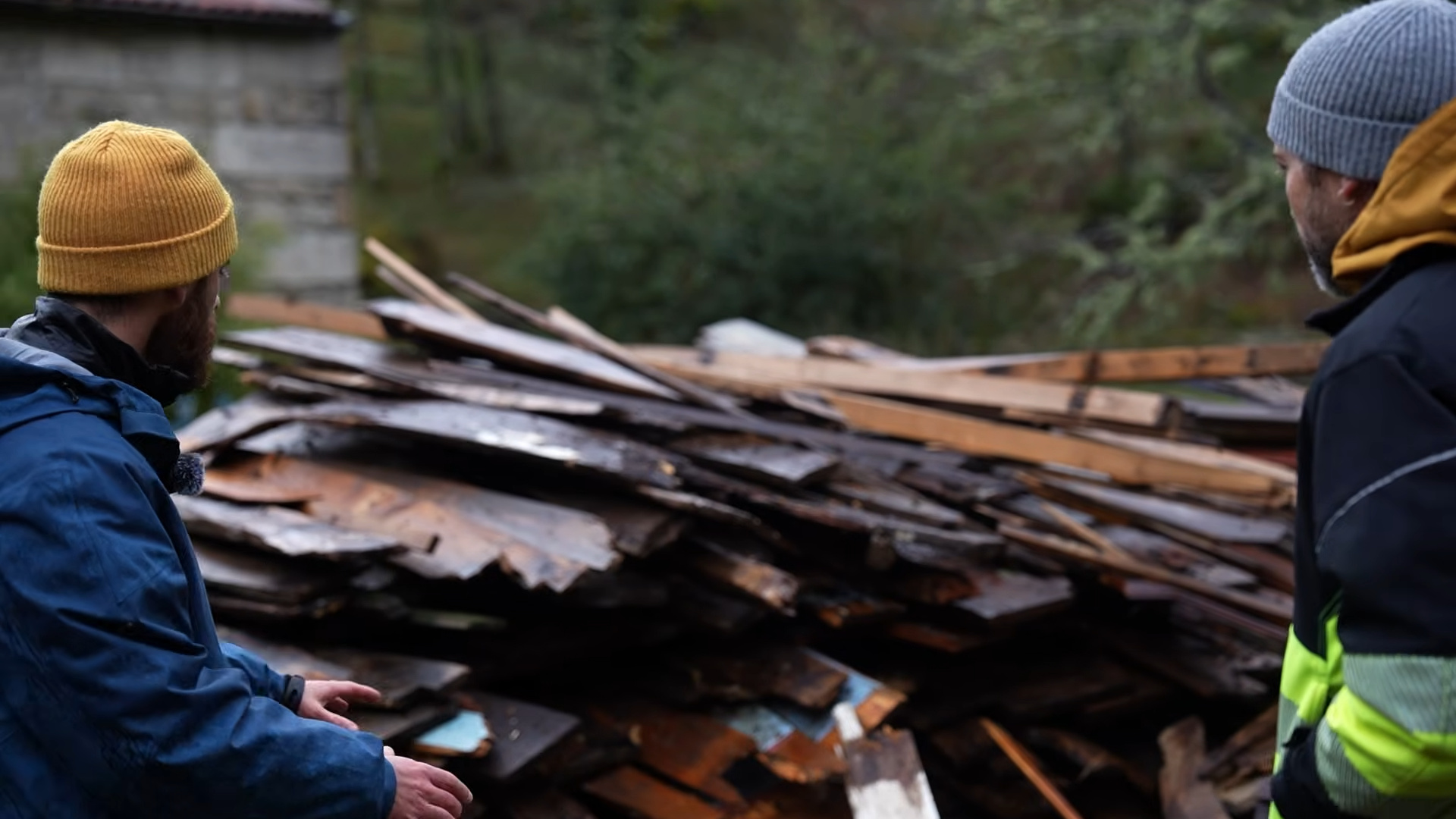
Purchase of Almost Uninhabited Village in Melgaço, in Northern Portugal, for 100 Thousand Euros Drives Sustainable Rural Tourism Project in the Peneda-Gerês Park.
The purchase of almost uninhabited villages in the interior of Portugal has ceased to be merely a real estate curiosity and has become part of structured rural tourism and heritage rehabilitation projects. One of the most talked-about cases involves the acquisition of part of a small village in the northern region of the country for around 100 thousand euros, with the aim of transforming it into a sustainable tourism enterprise.
Located in the district of Viana do Castelo, in the municipality of Melgaço, within the surrounding area of the Peneda-Gerês National Park, the village of Varziela was part of a group of rural settlements that have lost population over the last few decades, mainly due to migration to urban centers and abroad.
The acquisition involved several traditional stone constructions, old community granaries, a rural oven, and adjacent land. Although the initial purchase price was relatively low, the total investment for recovery exceeds several million euros, according to reports from the Portuguese press specializing in real estate and rural tourism.
-
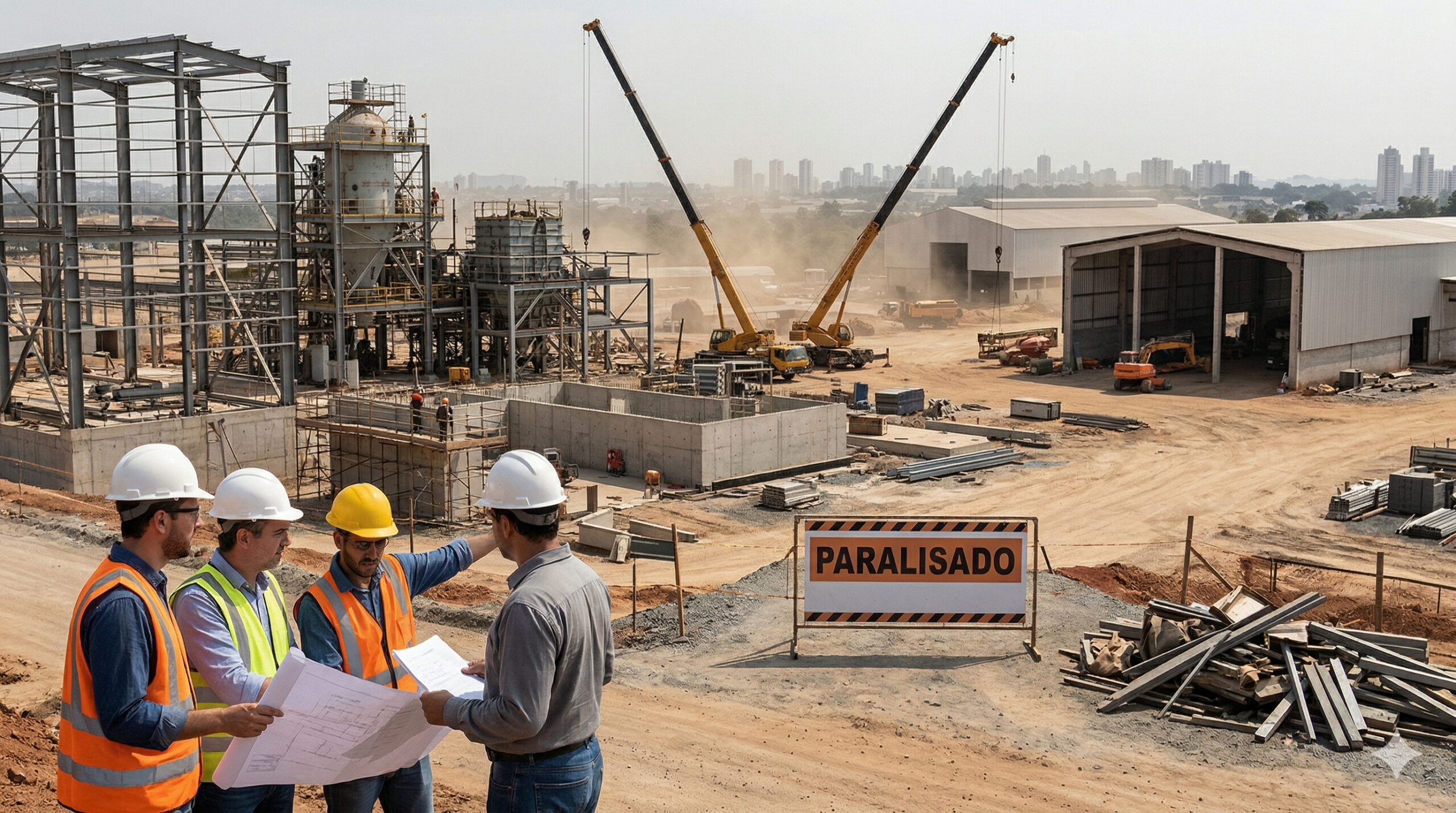
The lack of welders, electricians, and operators becomes a structural threat in 2025, with the construction industry and manufacturing already suffering from delays, cost pressures, and labor shortages in Brazil.
-
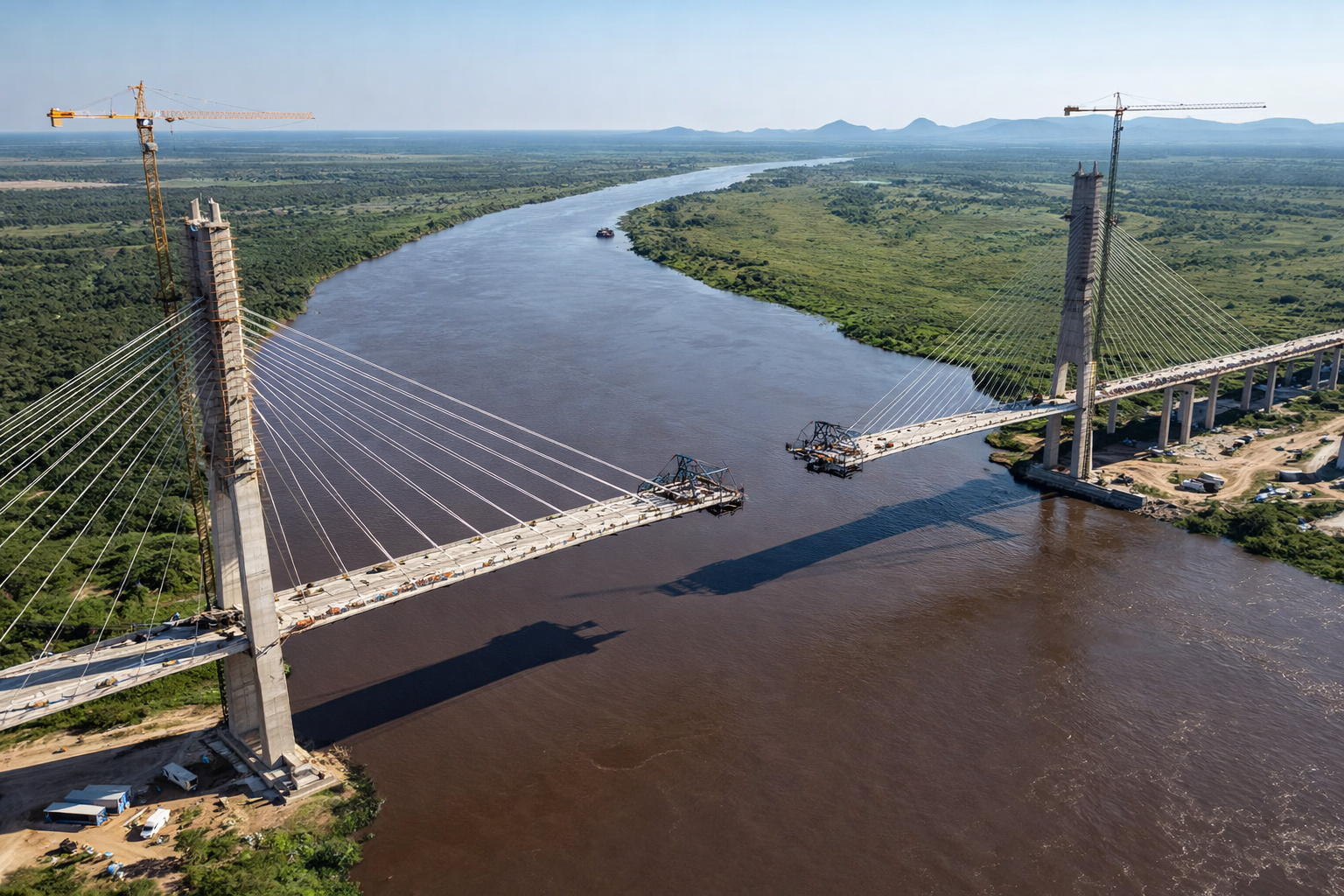
Brazil and Paraguay are just 46 meters away from a historic union on the bioceanic bridge that promises to revolutionize trade between the Atlantic and the Pacific.
-
With 55 km over the sea, a cost of US$ 20 billion, and enough steel to build 60 Eiffel Towers, China’s largest project has connected Hong Kong, Zhuhai, and Macau in a colossal bridge that defies the logic of engineering.

-
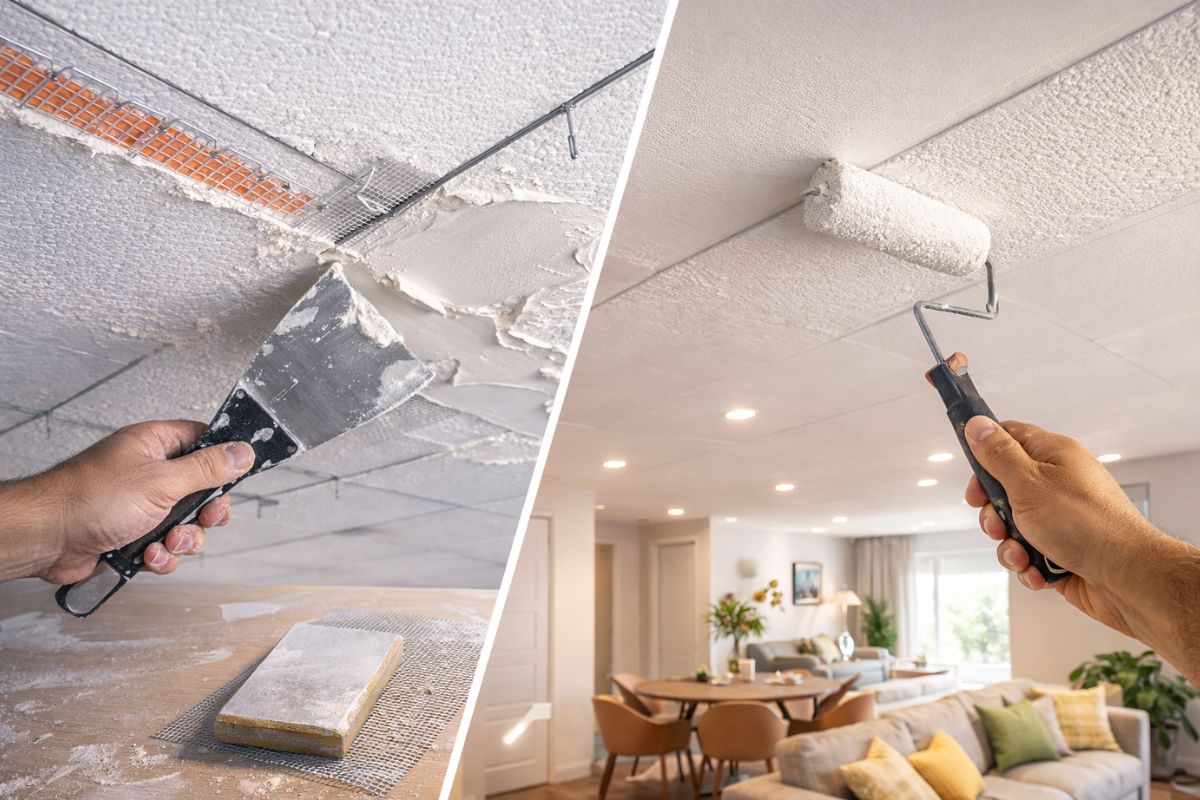
A trick with joint compound transforms a Styrofoam ceiling into a plaster-like ceiling: leveled panels, wires and mesh at the joints, sand, paint, and change the environment while spending little today.

Three Years of Processes and Licenses
The rehabilitation of constructions located within a protected area involves a rigorous set of authorizations. In the case of this village, the approval process included:
- Architectural project submitted to the City Council
- Environmental assessment due to being in a national park area
- Regularization of property registrations
- Technical studies for structural restoration
Between the acquisition and the actual start of construction, approximately three years passed, a period marked by administrative procedures and legal requirements.

Portuguese legislation for classified areas requires that interventions maintain original architectural characteristics, especially in traditional rural cores, which conditions materials, volume, and aesthetics.
What Began to Appear During the Restoration
With the start of structural cleaning and consolidation of the granite walls, historical elements of the old rural life began to emerge.


Among the findings reported by the local press are:
- Original stone structures previously hidden by vegetation
- Old wooden internal partitions
- Agricultural tools left in the houses
- Preserved communal ovens
- Traditional drainage elements
These remnants help to reconstruct how the social dynamics of the village functioned before the progressive abandonment.
The traditional architecture of the region predominantly uses granite, with thick walls and roofing originally made of ceramic tiles or slate. Many of these constructions were structurally compromised, requiring consolidation of the foundations and reinforcement of beams.
Rural Rehabilitation in Portugal: A Growing Movement
Portugal has hundreds of villages with small populations or partially abandoned. Since the 2000s, public policies and private incentives have been promoting the recovery of these nuclei for tourism purposes.
Rural tourism and local accommodation projects have been presented as an alternative for:
- Heritage recovery
- Generation of regional employment
- Combat to depopulation
- Cultural appreciation
In the specific case of this village, the plan involves creating accommodation units distributed among the restored houses while maintaining original architectural features.
Investment Far Exceeding Purchase Price
Although the acquisition value was around 100 thousand euros, the rehabilitation budget is substantially higher. Structural works in old buildings require:
- Reinforcement of foundations
- Replacement of electrical and plumbing systems
- Compliance with fire safety standards
- Sewage infrastructure
Reports indicate that the total investment may reach several million euros by the conclusion of the project.
Rural Tourism and International Demand
The Peneda-Gerês National Park is the only area classified as a national park in Portugal. The region attracts visitors interested in:
- Trekking and mountaineering
- Natural waterfalls
- Historical heritage
- Regional gastronomy

The recovery of villages within this territory has been seen as a strategy for integrating environmental preservation and economic activity.
The Challenge of Historical Preservation
In classified areas, restoration must preserve:
- Original facades
- Construction typology
- Traditional materials
- Architectural scale
Any significant expansion may require additional studies on visual and environmental impact.
The preservation of historical characteristics is an essential part of municipal and environmental approval.
What the Village Represents in the Current Context
This case illustrates three simultaneous phenomena in Portugal:
- Depopulation of rural areas
- Opportunities for acquiring historical heritage at a low initial cost
- Growth of experiential and nature tourism
The restoration of the village does not alter its location in a protected area, which means that all operations must comply with park regulations.
Execution Timeline
The works initiated in 2026 follow a timeline that provides for:
- Structural consolidation of the houses
- Recovery of common spaces
- Installation of modern infrastructure
- Adaptation for accommodation
The forecast released in the Portuguese press points to partial opening in the coming years, as the stages are completed.
The purchase of part of a village for 100 thousand euros in northern Portugal has become an example of how rural heritage can be revitalized through structured investment.

The process, marked by three years of bureaucracy and licensing, has paved the way for a restoration that is beginning to reveal historical elements of Portuguese rural life.
Amid stone houses, ancient ovens, and preserved agricultural structures, the village is undergoing a transformation that combines architectural rehabilitation, cultural preservation, and tourism development within one of the country’s most emblematic regions.









-

-

-

-

7 pessoas reagiram a isso.